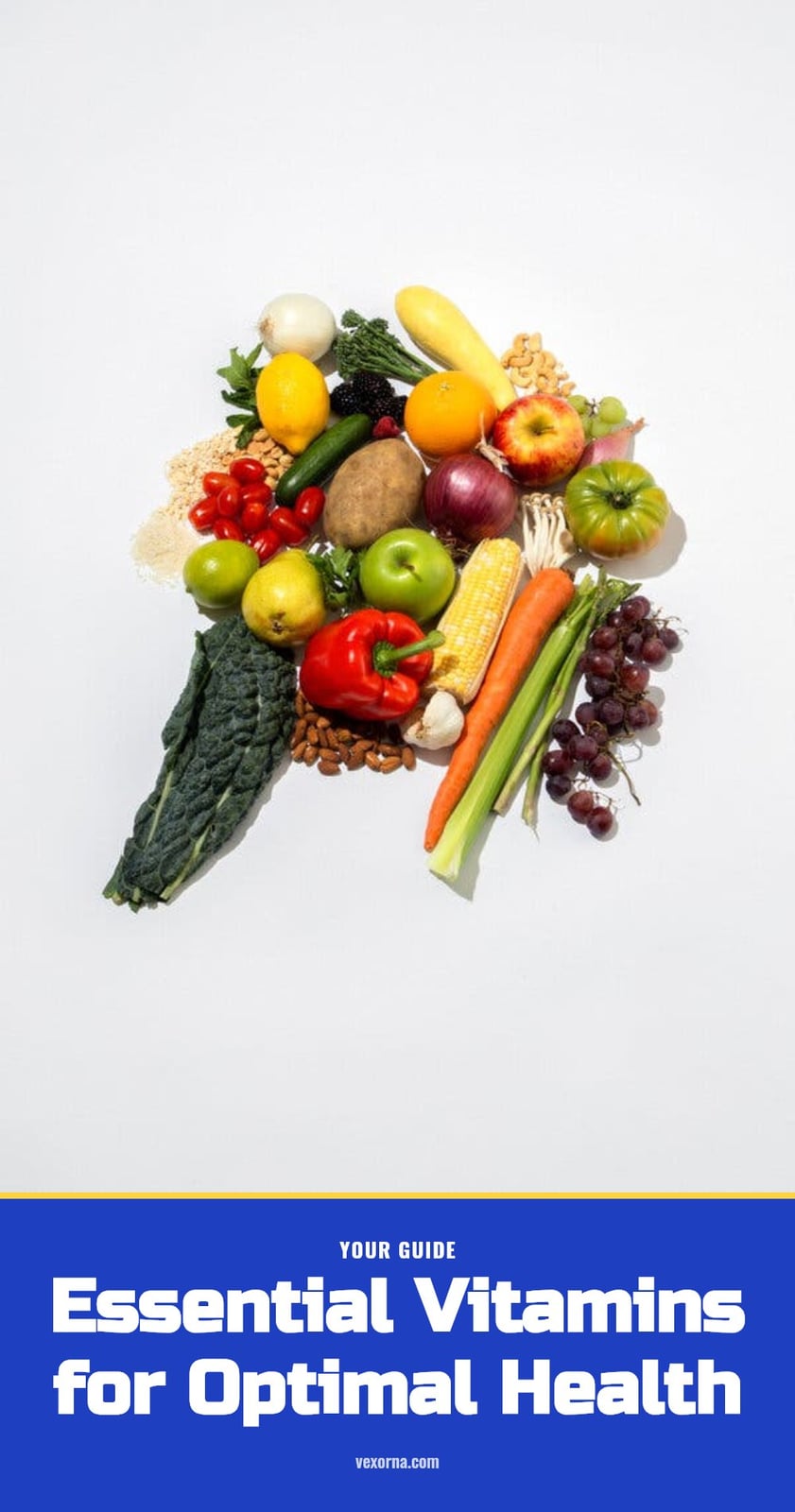
You’ve probably heard that vitamins are essential, but with so many options on the shelf, it’s easy to feel overwhelmed. This cheat sheet breaks down the 13 essential vitamins, how they work in your body, and the simple steps you can take to get what you need from your diet. My goal is to help you feel confident about your choices without the confusion.
Whether you’re curious about fat-soluble versus water-soluble types or wondering if you need a supplement, this guide covers the basics. I’ll also share practical tips on food sources, storage, and when it’s smart to talk to a professional.
Key Takeaways
- There are 13 essential vitamins: A, C, D, E, K, and eight B vitamins.
- Fat-soluble vitamins (A, D, E, K) can build up in your body, so don’t overdo supplements.
- Water-soluble vitamins (C and B complex) need daily replenishment since your body doesn’t store them.
- Get your vitamins from a varied diet first; supplements are a backup, not a replacement.
- Always consult a healthcare professional before starting new vitamin supplements.
What Are Vitamins and Why Do We Need Them?
Vitamins are organic compounds your body needs in small amounts to function properly. Because your body can’t synthesize most of them, you must get them from food or supplements. They act as vital co-factors in energy production, immune support, bone health, and vision. While a balanced diet is the best source for most people, supplements can help fill specific gaps when needed.
1. Know Your Two Main Vitamin Groups
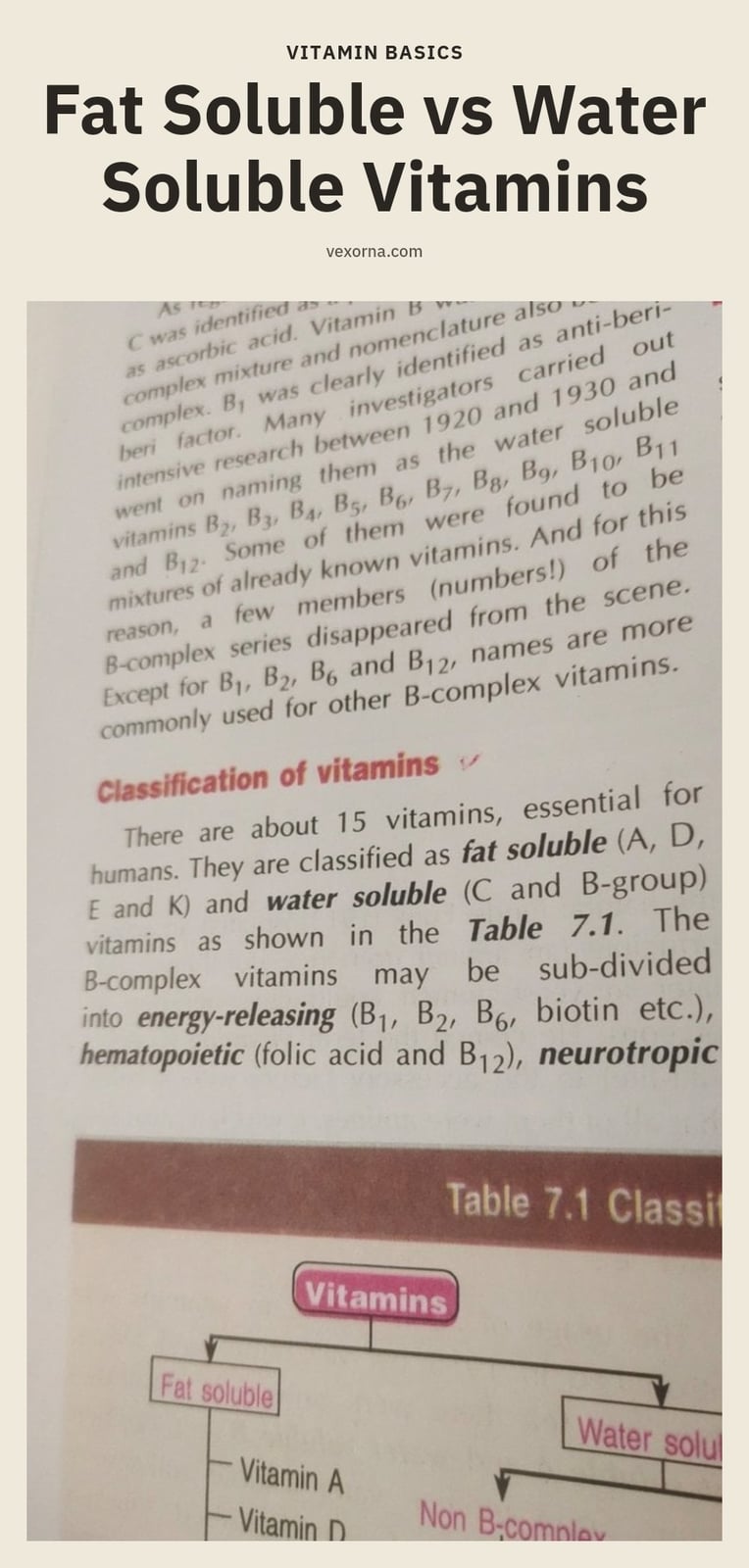
Vitamins fall into two categories based on how your body handles them. Fat-soluble vitamins (A, D, E, K) dissolve in fat and are stored in your liver and fatty tissues. My tip: this storage means they can build up over time, so high doses require caution. Water-soluble vitamins (C and all B vitamins) dissolve in water and aren’t stored. Your body excretes the excess in urine, so you need to replenish them regularly through your diet.
2. Prioritize a Balanced, Varied Diet

Your best source of vitamins is always a diverse diet full of fruits, vegetables, whole grains, and lean proteins. Eating a rainbow of produce ensures you get a wide spectrum of nutrients in their most bioavailable forms. Don’t rely on supplements to make up for poor eating habits. Real food provides fiber, antioxidants, and other beneficial compounds that pills can’t replicate.
3. Understand Vitamin D and Sunlight

Vitamin D is unique because your body can produce it when sunlight hits your skin. However, dietary sources and supplements are often necessary, especially in winter or cloudy climates. It supports bone health, immune function, and mood regulation. My tip: ask your doctor to check your Vitamin D levels, since many people are deficient without realizing it. Good food sources include fatty fish, fortified milk, and mushrooms.
4. Watch Out for Vitamin B12 if Vegan
Vitamin B12 is almost exclusively found in animal products like meat, fish, eggs, and dairy. If you follow a vegetarian or vegan diet, getting enough from food alone is very difficult. A deficiency can lead to fatigue and nerve damage over time.
Tip: Look for fortified plant milks and breakfast cereals, but a dedicated B12 supplement is usually the most reliable way to meet your needs. Talk to your doctor about the right dose for you.
5. Embrace Vitamin C for Immunity
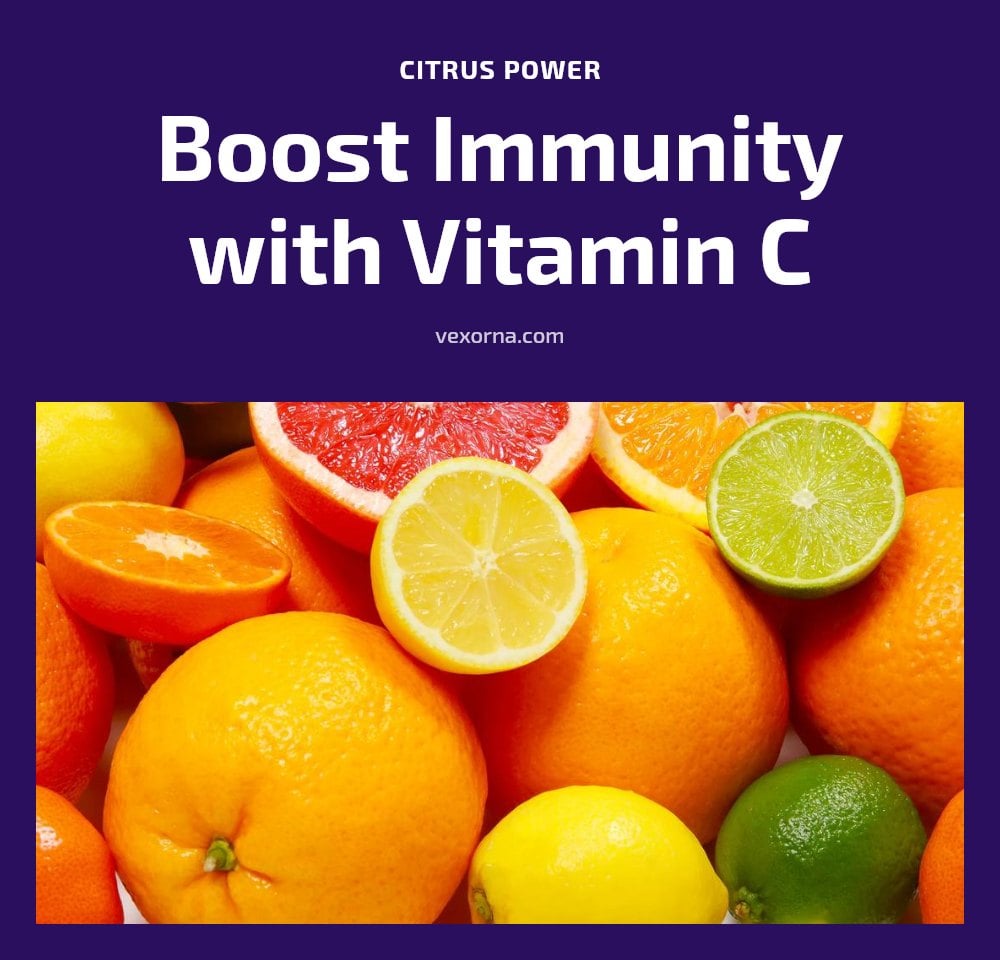
Vitamin C is a powerhouse for your immune system and essential for collagen production, which keeps your skin, hair, and nails strong. Since your body doesn’t store it (it’s water-soluble), you need a steady supply from your diet every day.
Cirus fruits, berries, bell peppers, and broccoli are fantastic sources. Good to know: I love adding a squeeze of lemon to my water for an extra boost. It’s an easy way to get a little more vitamin C in your day.
6. Folate is Key for Cell Growth
Folate (vitamin B9) is crucial for cell growth, DNA formation, and red blood cell production. It’s especially important during pregnancy to prevent neural tube defects in the developing baby.
Pro move: If you’re planning a pregnancy, your doctor will likely recommend a folic acid supplement. You can also find folate naturally in leafy green vegetables, legumes, and fortified grains like bread and pasta.
7. Consult a Professional Before Supplementing

Before starting any new vitamin supplement, always consult a healthcare professional. This is especially important if you have underlying health conditions or take medications that could interact with vitamins.
A doctor or dietitian can identify potential deficiencies and recommend appropriate dosages, preventing harmful interactions or excessive intake. Quick tip: Don’t assume more is better; high doses of some vitamins, especially fat-soluble ones, can be toxic.
8. Choose Quality Supplements Wisely
If you decide to supplement, choose brands that undergo third-party testing for purity and potency. Look for certifications from organizations like USP or NSF on the label.
Tip: a good brand is transparent about its testing process and will share results on its website. Avoid products with excessive fillers, artificial colors, or unnecessary ingredients.
9. Store Vitamins Properly
Store your vitamins according to the package directions, typically in a cool, dry place away from direct sunlight. Heat, light, and moisture can degrade the active ingredients, making them less effective.
Good to know: avoid storing them in your bathroom cabinet, where humidity from showers can shorten their shelf life.
10. Be Mindful of Cooking Methods

Certain cooking methods can reduce the vitamin content of your food. Over-boiling vegetables, for instance, can leach water-soluble vitamins like vitamin C and B vitamins into the cooking water.
Pro move: try steaming, stir-frying, or roasting vegetables instead. These methods cook quickly and use less water, so more nutrients stay in the food on your plate.
11. Recognize Deficiency Warning Signs
While this isn’t medical advice, be aware of general symptoms that might suggest a vitamin deficiency. Persistent fatigue, brittle nails, frequent illness, or changes in skin or hair can sometimes be clues.
Quick tip: these symptoms are vague and could point to many things, so never self-diagnose. If you suspect a deficiency, see a healthcare professional for proper testing and guidance.
When to See a Healthcare Professional About Vitamins
See a healthcare professional if you have persistent symptoms like extreme fatigue, unexplained weakness, vision changes, or skin issues that don’t resolve. These can be vague and point to many things, so never self-diagnose.
- Pregnant or planning pregnancy: Discuss appropriate prenatal vitamin needs with your doctor.
- Chronic conditions or medications: Conditions like kidney disease or digestive disorders, and medications like blood thinners, can interact with supplements.
- High-dose supplementation: If you’re considering high doses or are concerned about toxicity, especially with fat-soluble vitamins.
- Restrictive diets: If you follow a vegan diet or have specific allergies, a professional can help ensure you meet all nutritional needs.
Frequently Asked Questions
Can I get all the vitamins I need from food alone?
For most people, a well-balanced diet rich in fruits, vegetables, whole grains, and lean proteins can provide all the essential vitamins. However, certain groups, like vegans for vitamin B12 or those with limited sun exposure for vitamin D, may need targeted supplements. A healthcare professional can help you determine if you have any gaps.
How do I know if I have a vitamin deficiency?
Common signs like persistent fatigue, brittle nails, frequent illness, or changes in your skin or hair can sometimes point to a deficiency. But these symptoms are vague and could have other causes. The only reliable way to know is through a blood test ordered by your doctor. Never self-diagnose or start high-dose supplements based on symptoms alone.
Are natural vitamins better than synthetic ones?
Your body can use both natural and synthetic vitamins, but the form matters. For example, natural vitamin E (d-alpha-tocopherol) is more active than synthetic forms. That said, many synthetic vitamins are chemically identical to natural ones and work just as well. Focus on quality and third-party testing rather than “natural” vs. “synthetic” labels.
What are the best sources of Vitamin D?
Sunlight is your body’s primary source. Your skin makes vitamin D when exposed to UVB rays. Food sources include fatty fish (like salmon and mackerel), egg yolks, and fortified dairy products. Because sunlight can be unreliable depending on season and location, many people benefit from a vitamin D supplement, especially in winter. Ask your doctor to check your levels.
What are the essential vitamins?
There are 13 essential vitamins that your body needs: vitamin A, vitamin C, vitamin D, vitamin E, vitamin K, and the eight B vitamins (thiamine, riboflavin, niacin, pantothenic acid, biotin, B6, B12, and folate). Each plays a unique role, from supporting vision and immunity to helping your body use energy from food.
Final Thoughts
Your best bet is to focus on a colorful, balanced diet with plenty of fruits, vegetables, whole grains, and lean proteins. That approach naturally covers most of your vitamin needs without the risk of overdoing it. Remember, supplements are helpful for specific gaps, like vitamin B12 for vegans or vitamin D in winter, but they’re not a shortcut for poor eating habits.
If you suspect a deficiency or have a health condition, talk to your doctor before buying anything. A simple blood test can give you real answers, and they can recommend the right dose for you.
This article is for informational purposes only and is not a substitute for professional medical advice, diagnosis, or treatment. Always consult a qualified healthcare provider before making any changes to your diet or supplement routine, especially if you have an existing health condition or are taking medications.