You’ve probably seen sea moss popping up in smoothies, gels, and supplement aisles, touted as a mineral-rich superfood. But what is it really, and how do you use it without going overboard? I’ve dug into the facts to give you a clear, practical overview of sea moss benefits, the different forms it comes in, and the smart way to add it to your routine.
This article covers what sea moss is, why it’s popular, how to prepare it safely, and the common mistakes to avoid, so you can decide if it’s worth trying.
Key Takeaways
- Sea moss is a red algae rich in iodine, potassium, calcium, and magnesium.
- Start with half a teaspoon of gel or one capsule daily to test tolerance.
- Choose sea moss from suppliers who test for heavy metals like lead.
- Store homemade sea moss gel in the refrigerator for up to 2-3 weeks.
- Consult a doctor before use if you have thyroid issues or take medication.
What Exactly Is Sea Moss?
Sea moss is a type of red algae, specifically Chondrus crispus or Eucheuma cottonii, that grows along the rocky Atlantic coasts of Europe and North America. It’s known for its dense mineral content, including iodine, potassium, and calcium. Historically, people used it as a natural thickening agent for soups and desserts, and as a folk remedy for respiratory issues. Its traditional uses are the foundation of its modern superfood appeal.
Why Sea Moss Is Gaining Popularity

Sea moss is gaining traction because of its impressive mineral profile. It contains iodine, potassium, calcium, magnesium, and iron. The iodine content is why some believe it may support thyroid function, but dosage is crucial, too much can backfire. Its fiber acts as a prebiotic, potentially feeding beneficial gut bacteria. The carrageenan in sea moss is a natural polysaccharide used to thicken foods, which is why you’ll find it in many commercial products.
Mineral Highlights
- Iodine: supports thyroid function, but amounts vary widely by source.
- Potassium and calcium: essential for muscle and bone health.
- Magnesium and iron: important for energy and oxygen transport.
While these nutrients sound promising, scientific research specifically on sea moss supplementation is still limited. So it’s best viewed as a nutrient-dense addition, not a cure-all.
How to Incorporate Sea Moss Into Your Routine

You can use sea moss in several forms, each with its own preparation. Raw sea moss: rinse it thoroughly to remove debris, then soak it in water for 12-24 hours. After soaking, blend it with fresh water to make a gel. Tip: store that gel in the refrigerator for up to 2-3 weeks.
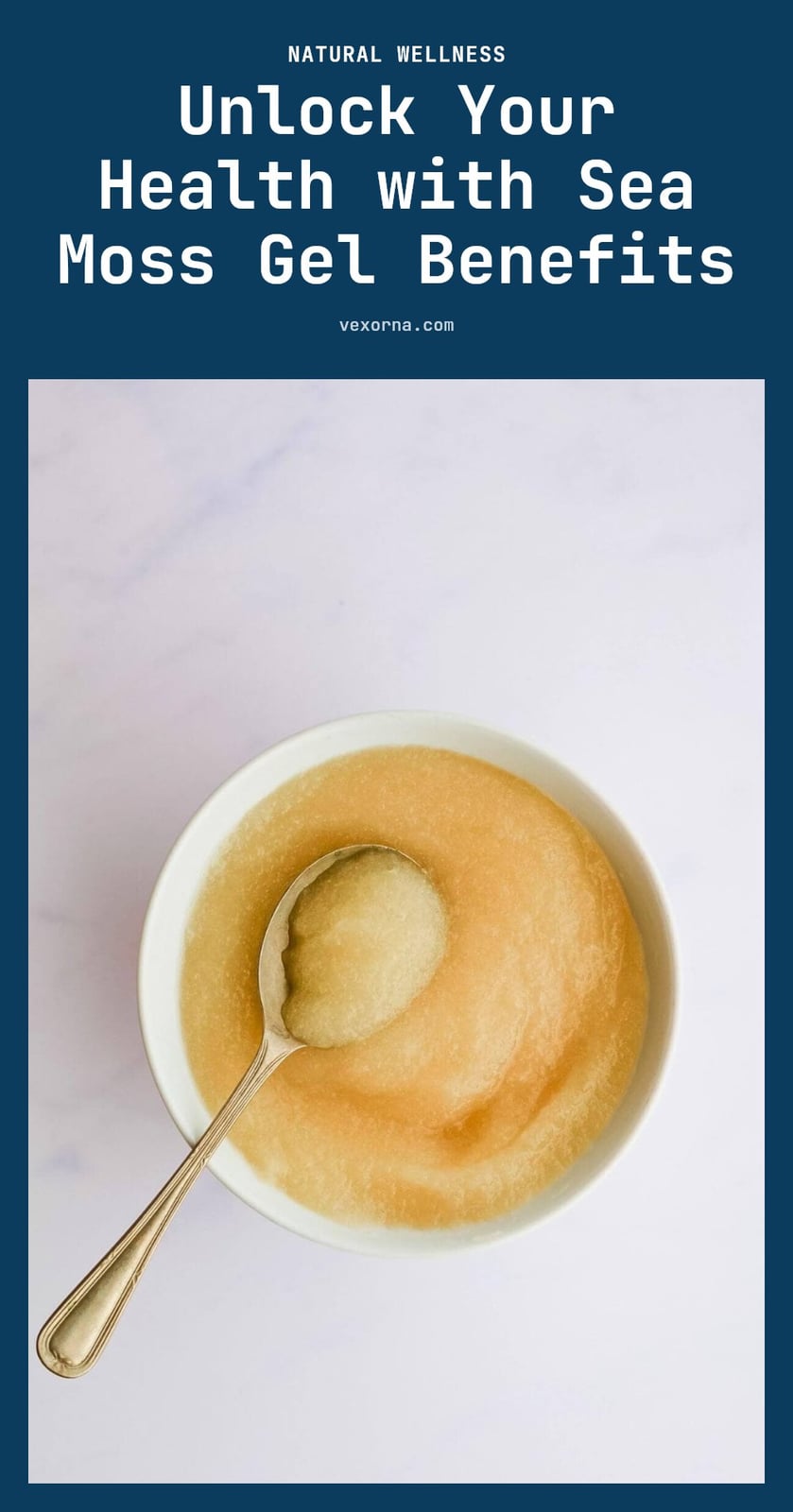
Sea moss gel: this is the most versatile form. Add a spoonful to smoothies, soups, sauces, or even desserts. Start with half a teaspoon per serving to see how your body responds. Caution: if the gel smells off or develops mold, discard it immediately.
Powdered sea moss: mix it into water, juice, or tea. You can also sprinkle it over oatmeal or yogurt. Tip: start with half a teaspoon to assess your tolerance before increasing.
Capsules: these offer a pre-measured, convenient option. They’re ideal if you’re short on time or dislike the taste. Good to know: capsules may contain fillers, so check the ingredient list for purity.
Common Sea Moss Mistakes to Avoid
Avoid these common pitfalls when adding sea moss to your diet. Not checking the source: sea moss can absorb heavy metals from its environment. Always choose products from suppliers who test for contaminants like lead or arsenic. Consuming too much: excessive intake can lead to iodine overload, which may disrupt thyroid function. Assuming it’s a miracle cure: sea moss is not a replacement for a balanced diet, exercise, or medical treatment. Tip: pair it with consistent, healthy lifestyle habits for the best results.
Smart Tips for Using Sea Moss Safely and Effectively
My tip: Start with about half a teaspoon of sea moss gel or one capsule daily to see how your body responds before increasing. Choose sea moss from suppliers who publish heavy metal test results, as contamination is a real concern. Store your homemade gel in an airtight container in the refrigerator, where it stays fresh for up to 2-3 weeks. If the gel develops an off smell or mold, discard it immediately.
When to Consult a Healthcare Professional About Sea Moss
Talk to your doctor before adding sea moss to your routine if you have a thyroid condition, take medications, or have any chronic health issues. Stop using sea moss and seek medical advice if you notice a rapid heartbeat, anxiety, or unexplained weight changes after taking it. Caution: Pregnant and breastfeeding individuals should avoid sea moss entirely because there isn’t enough safety data on its variable iodine content.
What to Expect: Timeline and Cost for Sea Moss
If you notice any benefits from sea moss, they typically appear after several weeks to months of consistent, moderate use. Individual results vary widely and are not scientifically guaranteed. The cost depends on the form you choose, raw dried sea moss, ready-made gel, powder, or capsules, and the reputation of the supplier for quality testing.
Frequently Asked Questions
What is the best way to store sea moss gel?
Keep your homemade sea moss gel in an airtight container in the refrigerator. It should stay fresh for up to 2-3 weeks. If you notice an off smell or any mold, toss it out. For longer storage, you can freeze the gel in ice cube trays and thaw individual portions as needed.
Can I use sea moss every day?
Yes, many people use it daily, but moderation is key. Start with a small amount, like half a teaspoon of gel or one capsule, and see how you feel. Because sea moss is high in iodine, daily use could lead to excessive intake, which may affect your thyroid. If you have thyroid issues, check with your doctor first.
Does sea moss taste like the ocean?
Sea moss does have a mild, slightly salty, ocean-like taste, but it’s not overpowering. When blended into a gel, the flavor is quite subtle, and it easily takes on the taste of whatever you mix it with, like a smoothie or soup. If you’re sensitive to seafood flavors, start with a small amount to see if you like it.
Is sea moss good for weight loss?
There’s no scientific evidence that sea moss directly causes weight loss. It is a source of fiber, which can help you feel full, but that’s not the same as burning fat. Relying on sea moss alone won’t produce results; it’s best used as part of a balanced diet and healthy lifestyle.
How long does it take to see results from sea moss?
If you notice any benefits, they typically appear after several weeks to months of consistent, moderate use. Individual results vary widely, and there’s no guarantee you’ll see changes. Don’t expect immediate effects; think of sea moss as a gradual addition to your overall wellness routine, not a quick fix.
Final Thoughts
If you’re curious about sea moss, my tip is to start small and pay attention to how your body responds. Pick a reputable brand that publishes heavy metal test results, and use it consistently but moderately, like half a teaspoon of gel a day. Realistic expectations matter: any benefits, if they appear, typically take several weeks to months of regular use, and they’re not guaranteed for everyone.
Sea moss can be a nice mineral boost, but it’s not a miracle fix. If you have any health concerns, especially with your thyroid, talk to your doctor first. Otherwise, enjoy experimenting with it in your smoothies and soups, and let your body be your guide.
This article is for general information only and is not a substitute for professional medical advice. Sea moss can affect thyroid function and may contain heavy metals. Always consult a doctor or qualified healthcare provider before adding it to your diet, especially if you have health conditions, are pregnant or breastfeeding, or take medication.