You brush your fingers across your cheek and feel bumps, rough patches, or a dull surface. That uneven feel and look is textured skin, a common concern that often comes from dead skin cell buildup, dehydration, or sun damage. This article walks you through nine practical, dermatologist-backed ways to smooth your complexion, from gentle exfoliation and consistent hydration to daily sun protection and targeted treatments.
Key Takeaways
- Exfoliate 2-3 times a week with a chemical exfoliant like AHA or BHA for smoother skin.
- Apply a broad-spectrum sunscreen with SPF 30 or higher every day to prevent UV damage.
- Incorporate a retinoid slowly, starting once or twice a week, to boost cell turnover.
- Use a hydrating moisturizer with ingredients like hyaluronic acid or ceramides morning and night.
- Drink enough water throughout the day to support skin hydration from within.
What is Textured Skin and How to Fix It?
Textured skin feels or looks uneven, think bumps, roughness, enlarged pores, or dull patches. It usually comes from dead skin cell buildup, dehydration, or sun damage. To fix it, focus on gentle exfoliation, consistent hydration, daily sun protection, and targeted treatments like retinoids. These steps work together to smooth your skin’s surface over time.
1. Exfoliate Gently with AHAs or BHAs
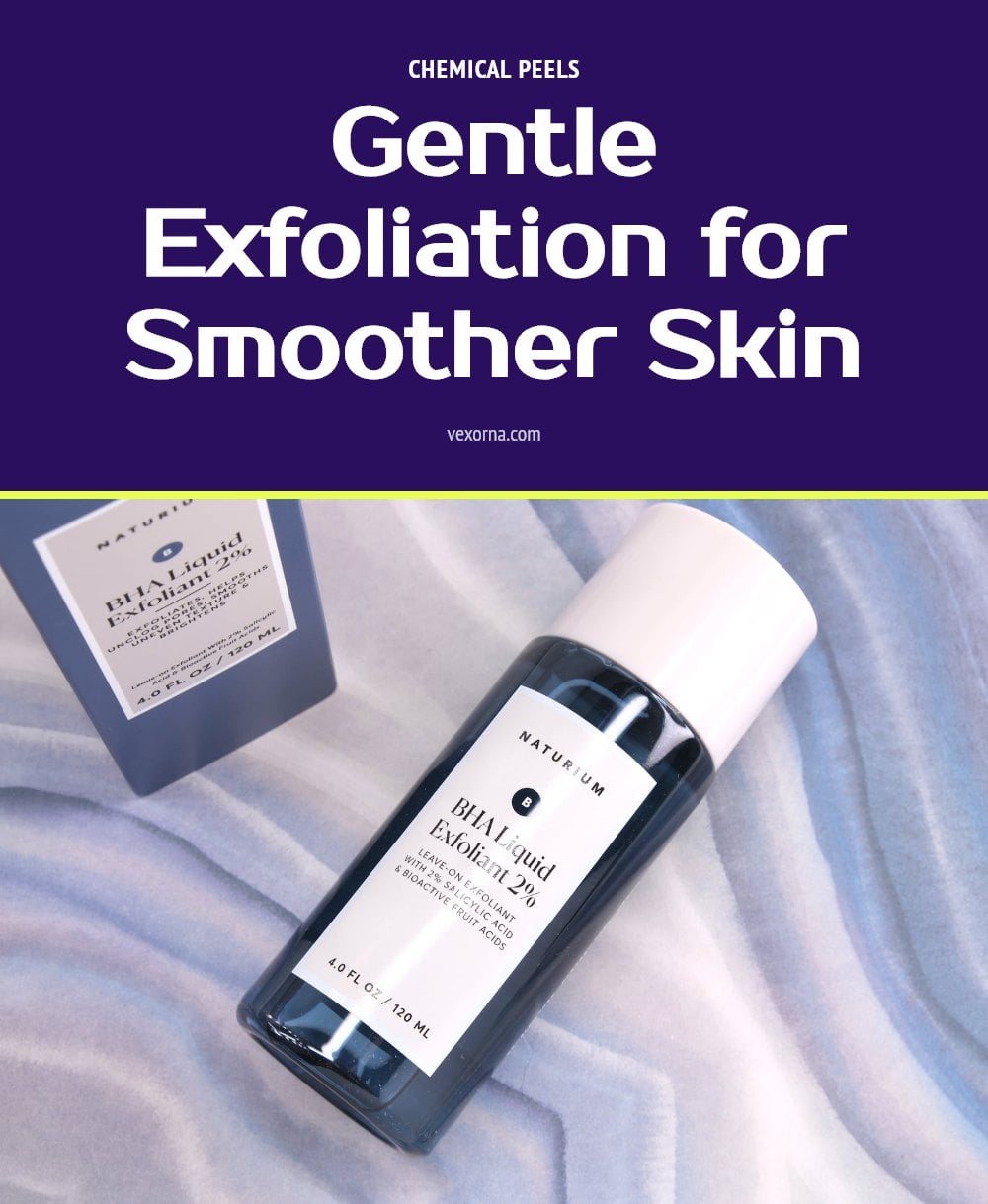
Chemical exfoliants like AHAs (glycolic acid, lactic acid) and BHAs (salicylic acid) dissolve the dead skin cells that cause roughness. They work more evenly than physical scrubs and don’t create micro-tears.
- My tip: Start with a low concentration, around 5% for AHAs or 1% for BHAs, and use it twice a week. If your skin tolerates that, increase to three times a week after a few weeks.
- Caution: Over-exfoliating damages your skin barrier and makes texture worse. Stick to 2-3 times a week max.
2. Hydrate Consistently with a Good Moisturizer

Dehydrated skin looks dull and makes every bump or line more noticeable. A good moisturizer plumps the skin and supports its barrier so texture smooths out.
- Key ingredients: Hyaluronic acid pulls water into the skin, ceramides rebuild the barrier, and glycerin locks moisture in.
- Routine: Apply your moisturizer morning and night after cleansing. In the morning, follow with sunscreen; at night, apply over any serums or treatments.
3. Incorporate a Retinoid into Your Routine

Retinoids like retinol speed up cell turnover and boost collagen production. That means they gradually smooth out rough patches, soften fine lines, and refine pores.
- Start slow: Use a retinoid once or twice a week for the first two weeks, then every other night if no irritation appears. It can take 3-6 months to see full results.
- My tip: Apply retinoids only at night, they degrade in light, and always follow with a moisturizer to buffer any dryness.
- Caution: These increase sun sensitivity, so daily SPF is non-negotiable while using them.
4. Protect Your Skin with Daily Sunscreen

UV damage breaks down collagen over time, which directly leads to rough texture and fine lines. A broad-spectrum sunscreen with SPF 30 or higher is non-negotiable every single day, rain or shine. This step is especially critical if you’re using active ingredients like retinoids or AHAs, because they increase sun sensitivity.
- Apply it last: Sunscreen goes on after moisturizer and before makeup. Use a quarter-sized amount for your face and neck.
- Reapply if needed: For extended sun exposure, reapply every two hours. A powder or setting spray with SPF can make this easier over makeup.
5. Cleanse Gently, Twice a Day
Harsh cleansing strips natural oils and compromises your skin barrier, which makes texture issues worse. Use a gentle, non-stripping cleanser twice a day to remove impurities without irritation. Tip: Avoid very hot water, as it can be drying. Lukewarm water is best for rinsing.
- Don’t scrub: Apply cleanser with clean fingertips in circular motions, then rinse gently. Pat your face dry with a soft towel.
- Double cleanse at night: If you wear sunscreen or makeup, start with an oil-based cleanser, then follow with your gentle cleanser.
6. Boost with Vitamin C Serum
Vitamin C is a powerful antioxidant that protects your skin from environmental damage and supports collagen synthesis. Over time, this helps improve skin tone and contributes to a smoother texture. Apply a few drops in the morning after cleansing and before your sunscreen.
- Choose the right form: Look for L-ascorbic acid or a stabilized derivative like ascorbyl glucoside for better shelf life.
- Store it properly: Vitamin C serums degrade with light and air. Keep them in a cool, dark place and use them within the recommended timeframe.
7. Consider Niacinamide for Barrier Support
Niacinamide, also known as Vitamin B3, helps improve your skin barrier function, reduce the appearance of enlarged pores, and smooth overall texture. It’s generally well-tolerated and fits easily into most routines. Good to know: Look for serums with 5-10% niacinamide for effective results.
- Layer it right: Apply niacinamide after cleansing and before heavier moisturizers. It plays well with most other ingredients, including retinoids and vitamin C.
- Use it twice daily: Morning and night application provides consistent barrier support and pore refinement.
8. Stay Hydrated from Within

Drinking enough water throughout the day supports your skin’s hydration from the inside out. While your moisturizer handles the surface, internal hydration helps maintain plumpness and elasticity that make texture less noticeable.
Tip: Keep a water bottle on your desk or set a reminder on your phone. Aim for small sips consistently rather than gulping large amounts at once. Herbal tea and water-rich foods like cucumber or watermelon also count.
9. Avoid Common Skincare Mistakes
A few common habits can undo all your hard work on texture:
- Over-exfoliating: More than 2-3 times a week damages your skin barrier and makes roughness worse. Stick to the schedule.
- Skipping sunscreen: UV rays break down collagen and create rough texture. Daily SPF 30+ is non-negotiable, even indoors.
- Not moisturizing enough: Dehydrated skin looks dull and emphasizes every bump. Apply moisturizer morning and night.
- Picking at blemishes: This leads to scars and uneven texture. Leave spots alone or use a spot treatment.
When to See a Dermatologist
See a dermatologist if your textured skin is persistent, severe, or comes with pain, itching, or inflammation. Also make an appointment if over-the-counter products haven’t shown improvement after 3-6 months of consistent use.
You should also get professional help if you suspect an underlying condition like eczema, psoriasis, or severe acne is contributing to the texture. A dermatologist can diagnose the root cause and prescribe treatments that work faster and more effectively.
Frequently Asked Questions
How long does it take to improve textured skin?
You may start to see small improvements in skin texture within a few weeks of consistent product use. However, more significant changes, especially from retinoids, typically take three to six months or longer. Results depend on your skin type, the products you use, and how consistently you follow your routine.
Can textured skin be permanently removed?
Textured skin is rarely permanently gone because your skin constantly produces new cells and faces daily environmental stressors like UV rays. However, a consistent skincare routine can keep texture very smooth over the long term. If you stop exfoliating or skip sunscreen, the roughness and bumps can return.
Is textured skin a sign of aging?
Texture can become more noticeable with age due to slower cell turnover and collagen breakdown from UV exposure. But textured skin is not exclusively a sign of aging. It can affect people of all ages, especially if you have dehydrated skin, clogged pores, or a buildup of dead skin cells.
What is the best serum for textured skin?
There is no single best serum because different textures respond to different ingredients. For overall smoothing, a serum with AHAs or BHAs works well for exfoliation. For barrier support and pore refinement, niacinamide (5-10%) is a great option. For long-term collagen building, a vitamin C serum in the morning or a retinoid at night can help.
Can diet affect skin texture?
A balanced diet that supports overall health may also support your skin. Drinking enough water helps maintain hydration, which can make texture less noticeable. Some people find that high-sugar or high-dairy diets can worsen breakouts or inflammation, which might affect texture. However, diet alone is not a substitute for a proper skincare routine.
Final Thoughts
For most people, a consistent routine of gentle exfoliation, daily sunscreen, and a hydrating moisturizer will noticeably improve texture within a few weeks. If you want deeper changes, adding a retinoid can refine pores and soften lines over three to six months. The key is patience and consistency, your skin will reward you with a smoother, more even feel and look.
The information in this article is for general informational purposes only and does not constitute medical or professional skincare advice. Everyone’s skin is different, and what works for one person may not work for another. If you have persistent, severe, or painful texture issues, please consult a board-certified dermatologist or healthcare professional.