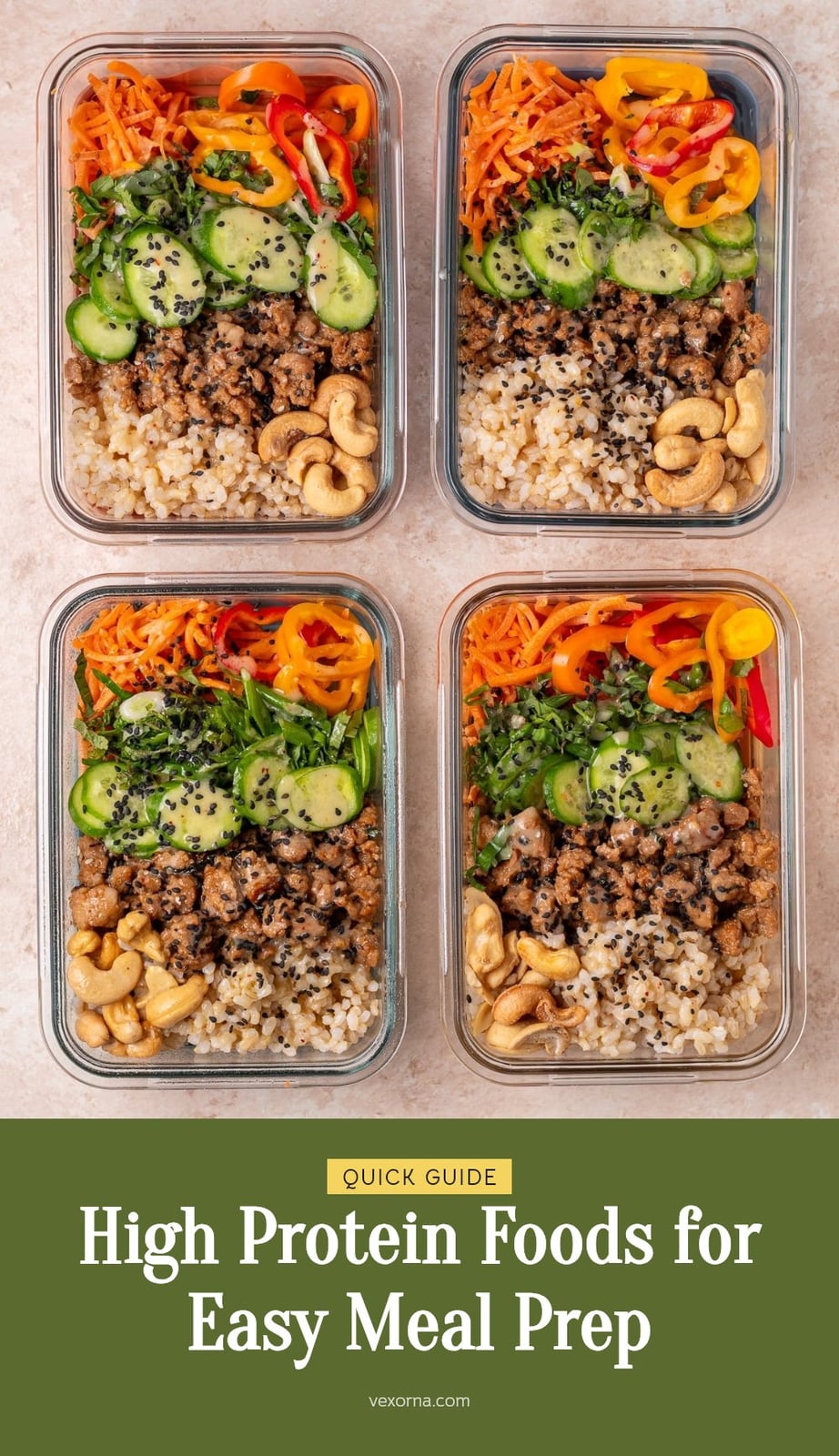
You already know protein is important, but figuring out which foods to actually eat can feel overwhelming. Whether you want to stay full longer, support muscle recovery, or just build healthier meals, this list has you covered. I’ll walk you through the best high protein foods to add to every meal, from lean meats to plant-based options, so you can easily boost your intake without overthinking it.
Key Takeaways
- Include a protein source at every meal and snack to support satiety and muscle repair.
- Choose a variety of protein sources like lean meats, dairy, legumes, and soy for a broad nutrient range.
- Spread protein intake throughout the day rather than loading it into one meal for better muscle protein synthesis.
- Opt for lean proteins to minimize saturated fat while still getting complete amino acids.
- Consult a healthcare professional or registered dietitian for personalized protein needs, especially with health conditions.
Why High Protein Foods Are Your Best Friend for Health
Protein does more than just fill you up. It’s the building block your body uses to repair tissues, create enzymes and hormones, and keep your immune system strong. Because protein slows digestion, it helps you feel fuller for longer, which can support weight management by reducing overall calorie intake. It’s also essential for muscle repair and growth after any activity. To get the full range of amino acids your body needs, include a variety of protein sources at every meal.
1. Lean Meats: The Classic Powerhouses

Chicken breast and turkey are top-tier choices for lean protein. They deliver complete protein, meaning all nine essential amino acids, without the excessive saturated fat you get from red meat. I usually grill a few breasts or thighs on Sunday and slice them for salads and stir-fries throughout the week.
My tip: Batch cook some shredded chicken or turkey at the start of the week for easy meal additions. It works in wraps, soups, or on its own with a quick sauce. The versatility makes it simple to hit your protein goals without extra effort.
2. Fish: Protein with a Side of Healthy Fats
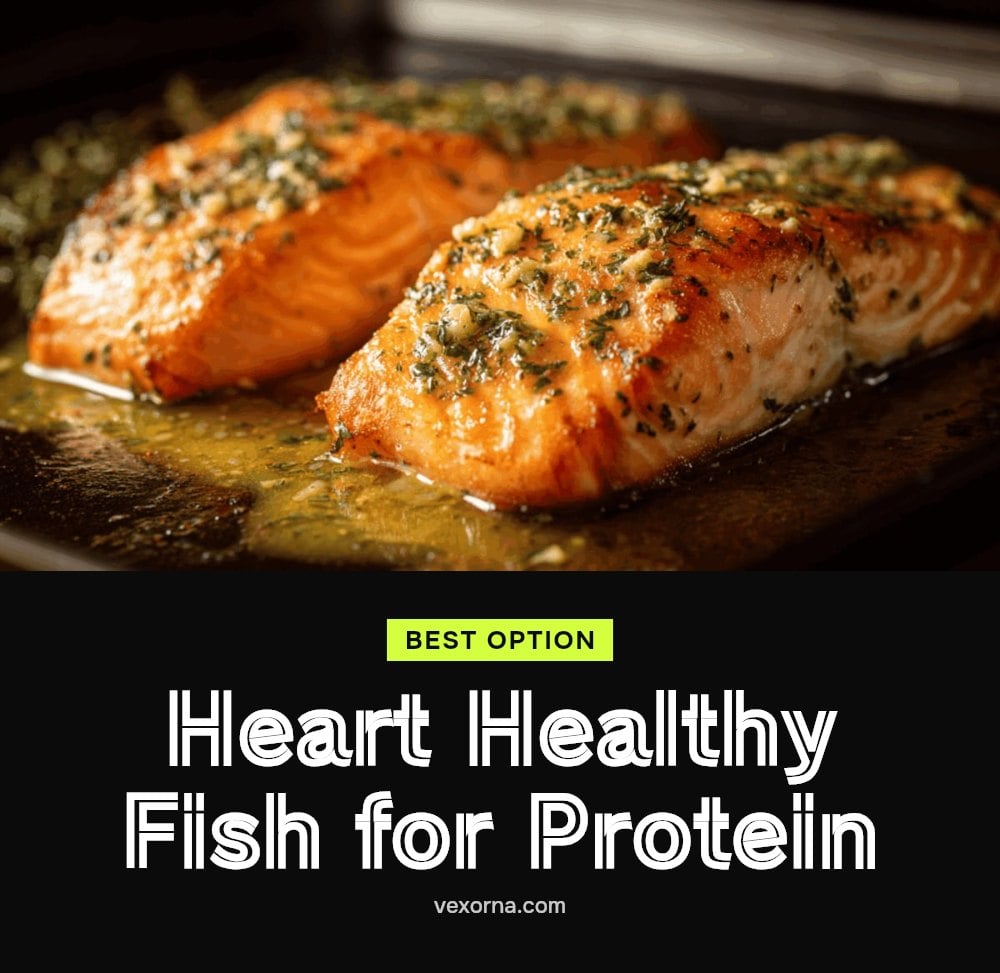
Salmon, tuna, and cod are fantastic sources of high-quality protein. Fatty fish like salmon also deliver beneficial omega-3 fatty acids, which are great for heart and brain health. My tip: Canned tuna or salmon is a super convenient option for quick lunches or snacks when you’re short on time. Just mix it with a little Greek yogurt or avocado for a creamy, protein-packed meal.
3. Eggs: The Perfect Protein Package
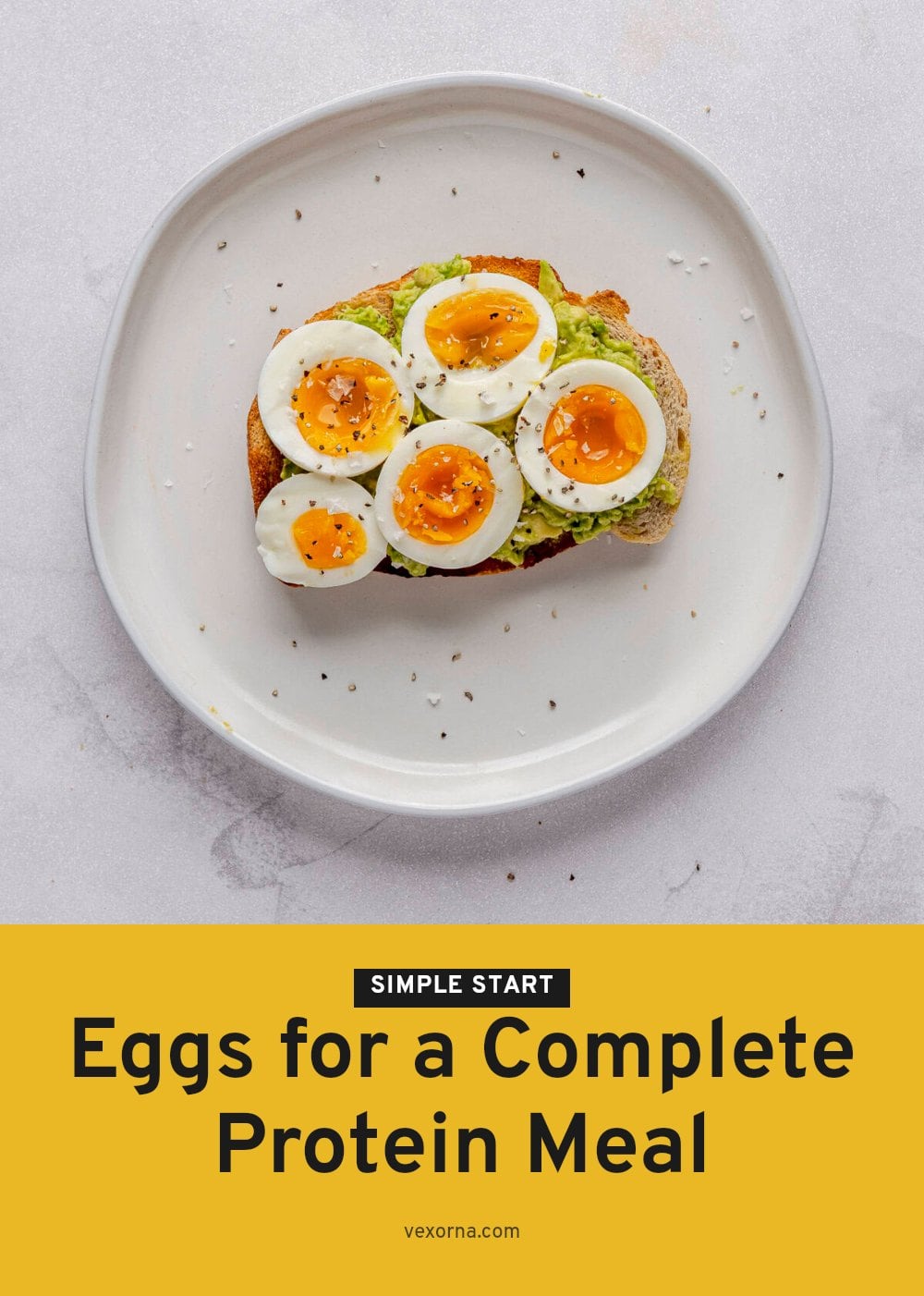
Eggs are a complete protein source, meaning they contain all nine essential amino acids your body needs. They are also highly bioavailable, so your body can efficiently use that protein for muscle repair and daily function. From scrambled to hard-boiled to baked into a frittata, eggs work for any meal of the day. My tip: keep a few boiled eggs in the fridge for a quick snack or salad topper. You can also whisk an egg into your morning oats for extra protein.
4. Dairy Delights: Creamy and Protein-Packed
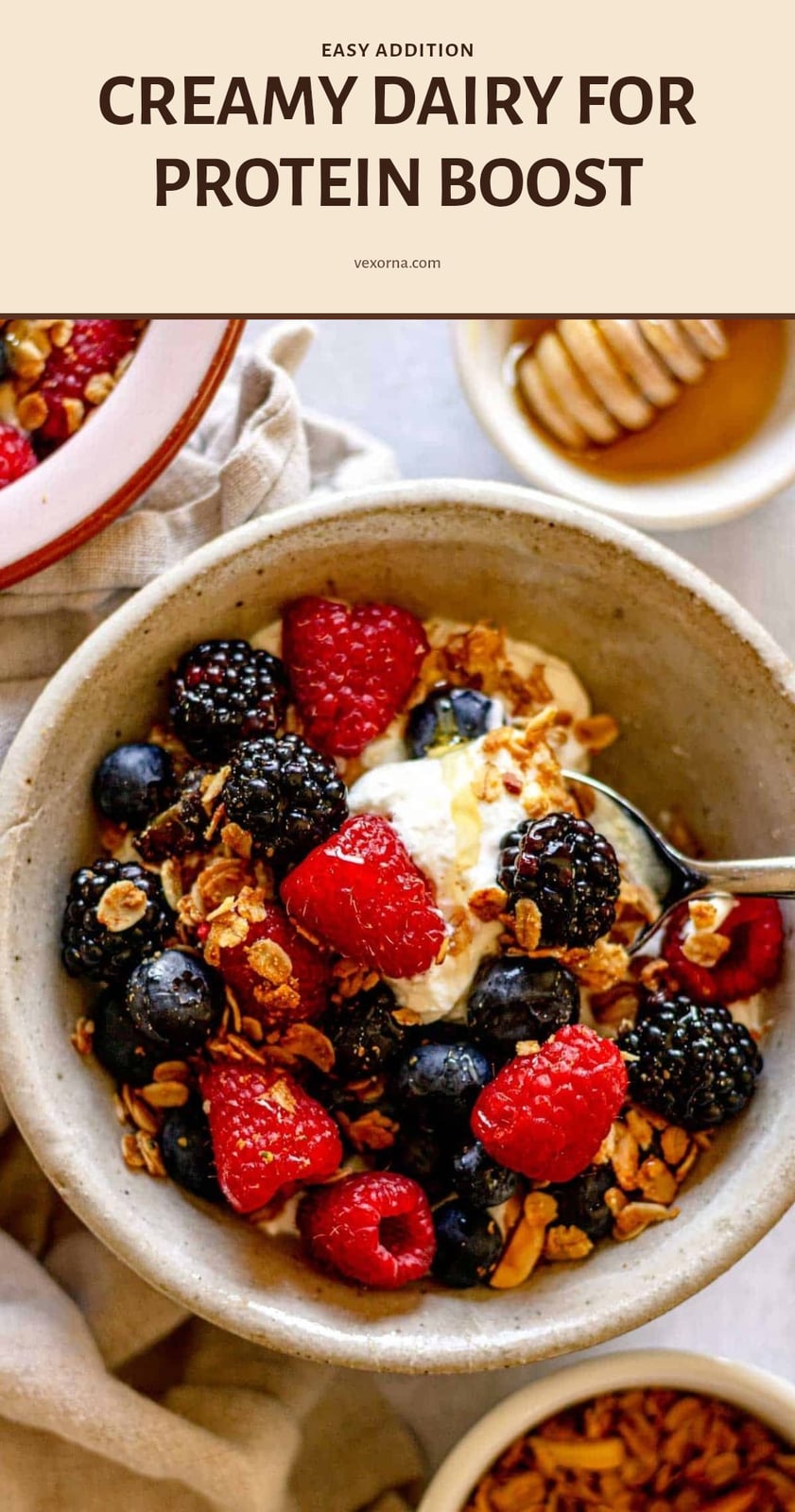
Greek yogurt, cottage cheese, and milk deliver a solid protein punch along with calcium for bone health. Greek yogurt is a standout: a single serving can pack 15-20 grams of protein, making it perfect for smoothies or a quick snack. Cottage cheese is another versatile option, great on its own or mixed into savory dishes. Tip: Always choose plain, unsweetened varieties to skip the added sugars that often hide in flavored versions. You can sweeten it naturally with fruit if you like.
5. Plant-Based Powerhouses: Legumes, Tofu, and Tempeh
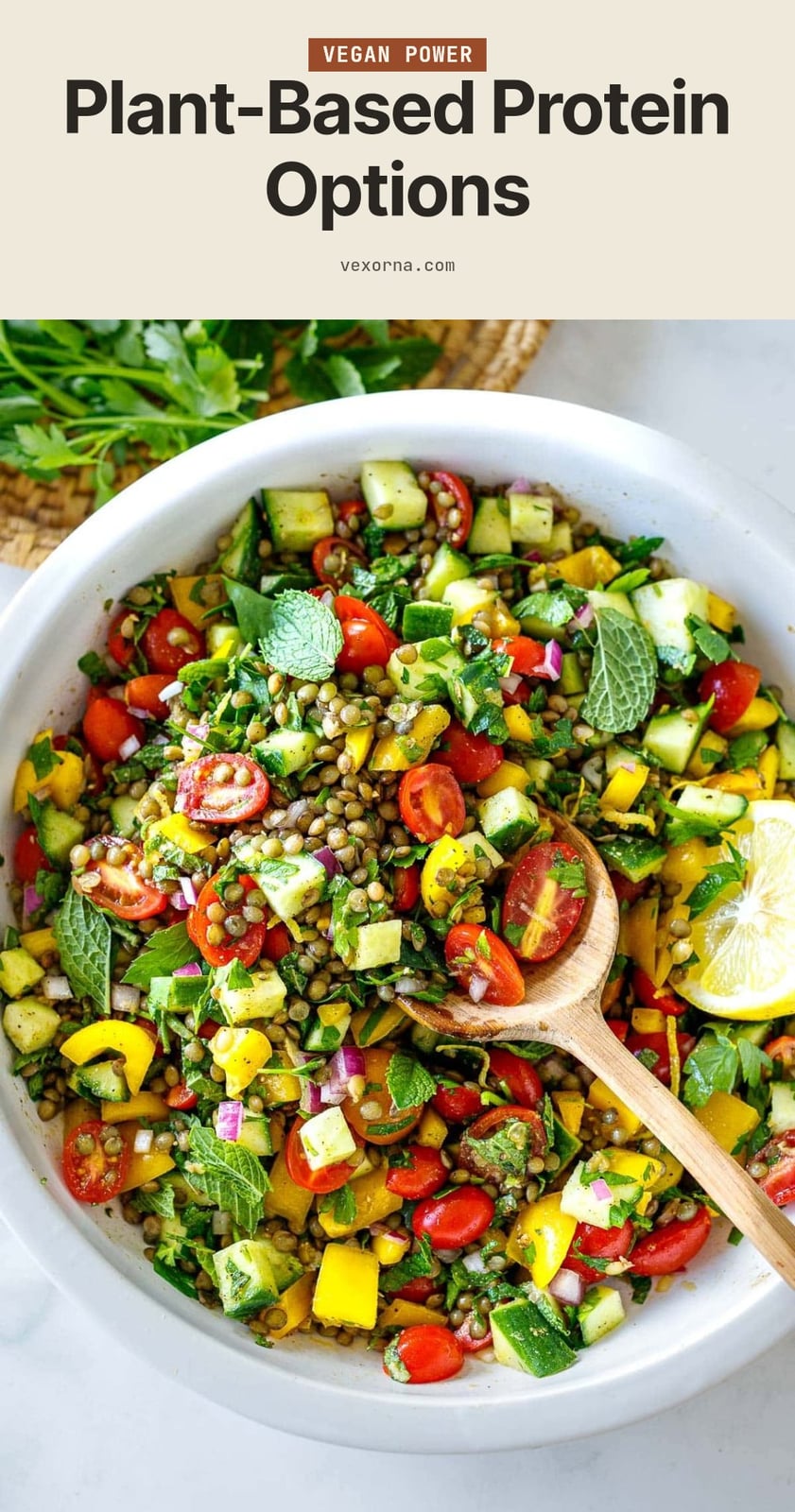
Lentils, black beans, and chickpeas deliver a solid dose of plant-based protein plus fiber, which helps keep you full and supports digestion. Tofu and tempeh, both made from soy, are unique among plant foods because they provide complete protein with all nine essential amino acids. Good to know: Don’t be afraid to experiment. Tofu can be baked until crispy, pan-fried for a golden crust, or crumbled into a scramble that mimics eggs. Tempeh has a firmer, nuttier texture and works beautifully in stir-fries or marinated and grilled. Both absorb flavors well, so season boldly.
6. Nuts, Seeds, and Grains: Small but Mighty
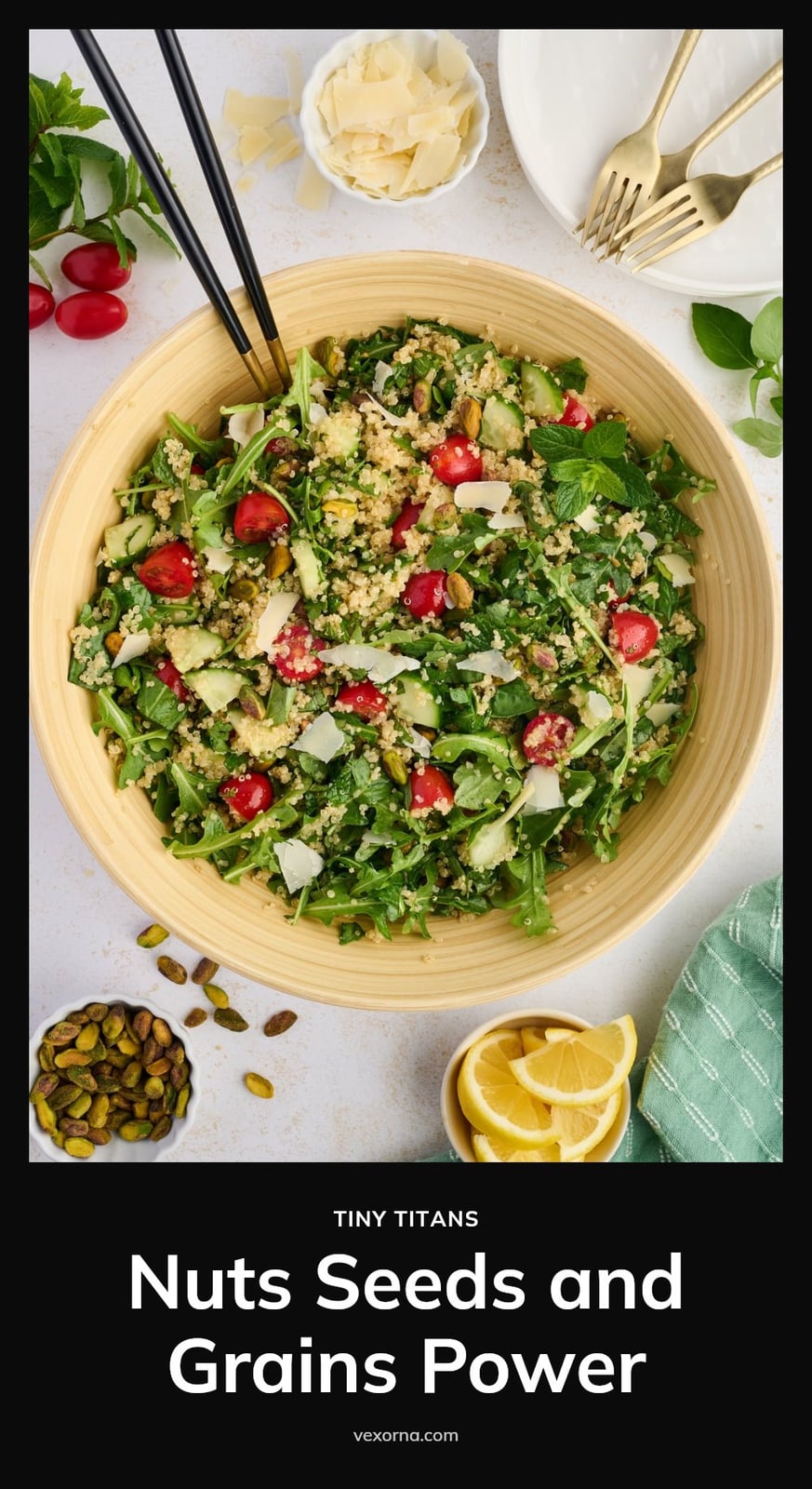
Almonds, peanuts, chia seeds, flax seeds, and pumpkin seeds are small packages of protein, healthy fats, and fiber. They make an easy addition to almost any meal. Quinoa stands out as a unique grain because it provides complete protein, meaning it contains all nine essential amino acids your body needs. Pro move: Sprinkle chia or flax seeds on salads or yogurt, or toss a handful of almonds or peanuts into your oatmeal for a quick protein boost without any cooking.
Common Protein Mistakes and How to Fix Them
Believing only meat contains sufficient protein: Diversify your sources. Plant-based options like legumes, tofu, and quinoa are excellent, complete-protein choices that also bring fiber and other nutrients to the table.
Consuming all daily protein in one large meal: Spread it out. Aim for protein at every meal and snack to maximize benefits for muscle synthesis and satiety. Your body uses protein more effectively when it gets a steady supply.
Ignoring protein content in snacks: Make snacks count. A handful of nuts, Greek yogurt, or cottage cheese can keep you full and fueled between meals without much effort.
Over-relying on highly processed protein bars or shakes: Prioritize whole foods. Use supplements as a complement, not a replacement, for nutrient-dense protein sources like chicken, eggs, or beans.
Not considering individual activity levels or health goals: Personalize your intake. Active individuals or those with specific goals, like muscle building, may need more protein than the general RDA. Consult a professional if you are unsure about your needs.
When to Consult a Professional About Protein Intake
If you have kidney disease or another pre-existing medical condition, talk to your doctor or a registered dietitian before you increase your protein intake significantly. For elite athletes or anyone with very specific fitness goals, a dietitian can tailor protein recommendations to your training and recovery needs. If you start experiencing digestive issues or other adverse symptoms after changing your diet, seek professional medical advice. A registered dietitian is also your best resource for a personalized plan if you’re making major dietary changes, such as going vegan.
Frequently Asked Questions
What is a complete protein?
A complete protein contains all nine essential amino acids that your body cannot produce on its own. Animal sources like meat, fish, eggs, and dairy are complete. Plant sources like quinoa, soy (tofu, tempeh), and edamame are also complete, while most other plant proteins are incomplete and can be combined with other foods to fill the gaps.
Can I get enough protein from a plant-based diet?
Yes, you can get enough protein from a plant-based diet by including a variety of sources like legumes, tofu, tempeh, quinoa, nuts, and seeds throughout the day. Since most plant proteins are incomplete except for soy and quinoa, eating a mix ensures you get all essential amino acids. Many people meet their needs easily with careful planning.
How much protein do I really need daily?
The general recommendation is 0.8 grams of protein per kilogram of body weight for adults, but your needs may be higher if you are active, building muscle, or managing weight. For example, a 150-pound person needs about 55 grams daily at baseline. A registered dietitian can help determine what is right for your specific goals.
Are protein bars and shakes good sources of protein?
They can be convenient, but whole food sources like lean meat, eggs, dairy, and legumes are generally more nutritious because they also provide fiber, vitamins, and minerals. If you use bars or shakes, choose ones with minimal added sugar and check the label for protein content. They work best as a supplement, not a primary source.
Does cooking affect protein content?
Cooking does not significantly reduce the protein content of foods, but it can affect how easily your body digests and uses it. For example, cooking eggs and meat makes their protein more bioavailable. Overcooking may slightly reduce some nutrients, but protein remains largely intact. The bigger factor is not overcooking to avoid dryness or nutrient loss.
Final Thoughts
My top recommendation is to start simple: add one high protein food to each meal this week. For example, have Greek yogurt at breakfast, chickpeas in your lunch salad, and a piece of grilled chicken or tofu at dinner. You may notice better satiety and energy within a few days to weeks, but individual results vary. The key is consistency and variety, so pick what works for your taste and lifestyle.
This article is for general informational purposes only and does not constitute medical or dietary advice. Protein needs vary based on age, activity level, and health conditions. Consult a doctor or registered dietitian before making significant changes to your diet, especially if you have kidney disease or other medical concerns.