
You’ve probably tried a lot to get clear skin, from cleansers to spot treatments, and you might still be wondering what actually works. The truth is, clear skin comes down to a few simple, consistent habits that support your skin’s natural renewal process. In this article, I break down the everyday changes that can make a real difference, from cleansing and moisturizing to managing stress and sleep.
You’ll find practical tips you can start today, plus what to expect as your skin adjusts. No quick fixes, just a realistic path to a healthier, clearer complexion.
Key Takeaways
- Cleanse gently twice daily with a mild, non-comedogenic cleanser.
- Apply broad-spectrum SPF 30+ every morning, even on cloudy days.
- Exfoliate 1-3 times weekly, based on your skin’s tolerance.
- Change your pillowcase at least once a week to reduce bacteria.
- See a dermatologist if breakouts persist or worsen after several weeks.
Achieving Clear Skin: Your Path to Radiance
Clear skin isn’t a quick fix; it’s a journey built on consistent daily care and healthy lifestyle choices. I’ve learned that understanding your skin’s unique needs, using the right products, and being patient as your skin renews itself are the real keys. The outer layer of your skin turns over roughly every 28 days, which is exactly why visible changes take weeks and months to appear. Focus on gentle cleansing, protection, and hydration, while also considering internal factors like diet and stress (more on those later). Stick with it, and you’ll see the difference.
1. Cleanse Gently, Twice Daily

Start with a mild, non-stripping cleanser to remove dirt, oil, and makeup without disrupting your skin’s natural barrier. Cleanse every morning and evening to prevent pore blockages and keep your skin fresh. Look for non-comedogenic formulas that won’t clog pores.
- Use lukewarm water to avoid stripping your skin.
- Massage gently in circular motions for about 30 seconds.
- Rinse thoroughly and pat dry with a clean towel.
My tip: Avoid harsh scrubbing; gentle circular motions are all you need.
2. Moisturize for Hydration

Even oily or acne-prone skin needs hydration to maintain a healthy barrier function. Skipping moisturizer can actually trigger more oil production, leading to clogged pores. Choose a non-comedogenic moisturizer suitable for your skin type to keep it balanced and prevent overproduction of oil.
- Apply after cleansing and any serums, both morning and night.
- For oily skin, pick a lightweight gel or lotion.
- For dry skin, opt for a richer cream.
Hydration is essential for all skin types, so don’t skip this step.
3. Protect with Daily SPF

Broad-spectrum SPF 30 or higher is non-negotiable every single morning, rain or shine, indoors or out. Sun protection prevents sun damage, hyperpigmentation, and premature aging, all of which can worsen skin clarity. Even on cloudy days, UV rays can penetrate and cause harm.
- Apply as the last step of your morning routine, before makeup.
- Use a nickel-sized amount for your face and neck.
- Reapply every 2 hours if you’re outdoors or near windows.
My tip: Look for lightweight, non-comedogenic formulas that layer well under makeup.
4. Exfoliate Thoughtfully
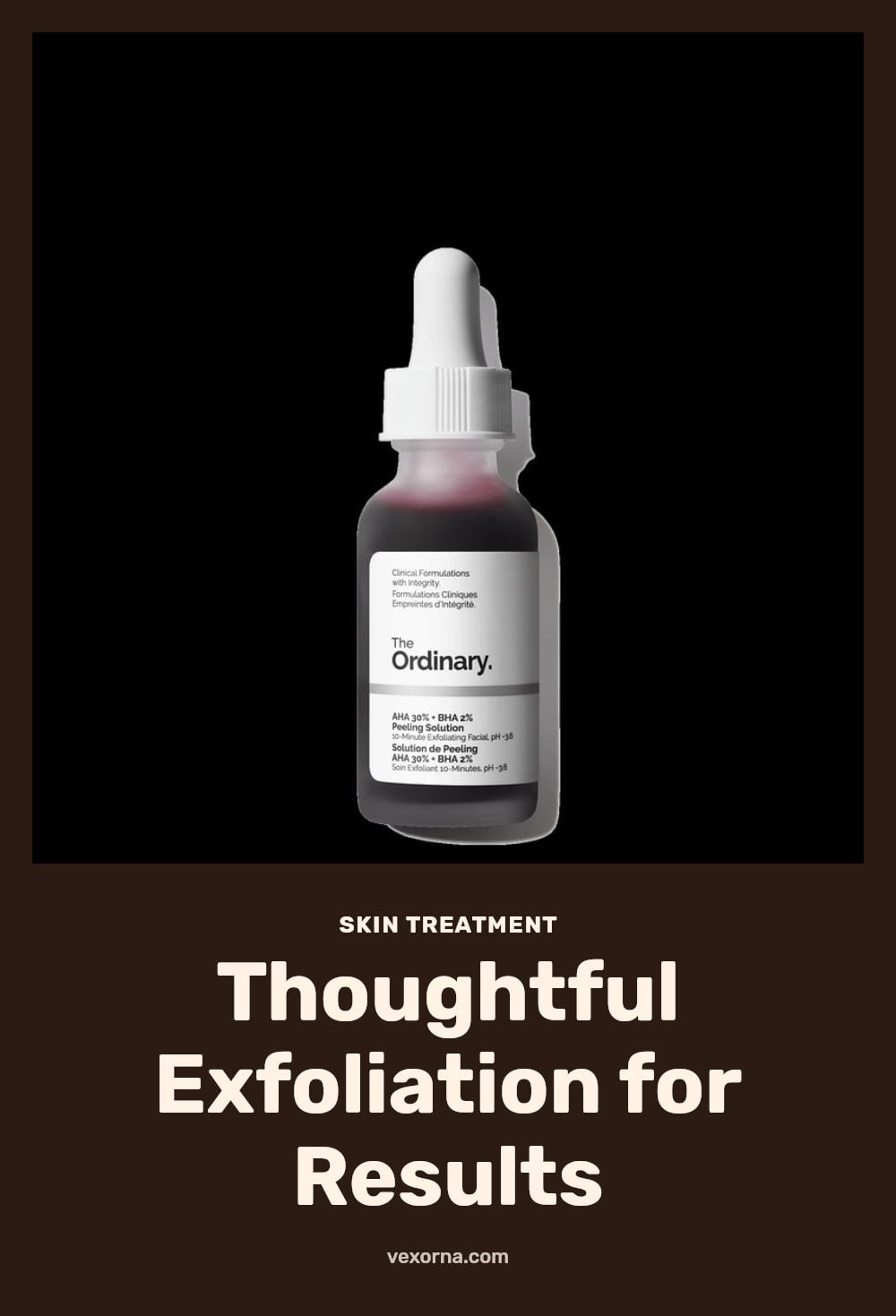
Exfoliation removes dead skin cells that can clog pores and make your complexion look dull. I recommend exfoliating 1-3 times a week, depending on your skin’s tolerance. Chemical exfoliants like AHAs or BHAs are often gentler than physical scrubs because they dissolve the bonds between dead cells instead of scraping them off.
Caution: Over-exfoliating strips your skin barrier, causing redness and sensitivity. Stick to the frequency that works for your skin and always follow with moisturizer and SPF the next day.
5. Mind Your Pillowcase

Your pillowcase collects oil, dirt, and bacteria from your hair and skin every night, then transfers them back onto your face. Change it at least once a week to keep your skin clear.
My tip: Silk or satin pillowcases reduce friction on your skin and hair, which can help prevent irritation and breakouts. They’re also gentler on hair, so you get a double benefit.
6. Stay Hydrated Internally

Drinking enough water throughout the day supports your skin’s elasticity and overall function. Well-hydrated skin looks plumper and more radiant.
My tip: Keep a water bottle on your desk or in your bag as a visual reminder to sip regularly. Aim for small, frequent drinks rather than chugging large amounts at once.
7. Eat a Balanced Diet
A diet rich in fruits, vegetables, and whole grains provides antioxidants and nutrients that support healthy skin. Some research suggests high glycemic index foods (like sugary snacks and white bread) may be linked to acne, though more studies are needed.
Focus on nutrient-dense options like leafy greens, berries, and lean proteins. Your skin will benefit from the vitamins and minerals these foods provide, helping it stay clear and balanced.
8. Manage Stress Effectively
Stress can exacerbate skin conditions like acne by triggering hormonal responses that increase oil production. Incorporating stress-reducing practices into your routine helps counteract this effect. Try meditation, yoga, or simply spending time on hobbies you enjoy.
Tip: Finding healthy outlets for stress benefits both your mind and your complexion.
9. Prioritize Quality Sleep
Adequate sleep of 7 to 9 hours for most adults is crucial for your skin’s repair and regeneration processes. During sleep, your skin works to repair damage and produce new cells, contributing to a clearer complexion. Skimping on rest can slow this overnight recovery.
Good to know: Establish a consistent sleep schedule to maximize your skin’s overnight recovery.
10. Avoid Touching Your Face
Touching your face frequently can transfer bacteria, oil, and dirt from your hands to your skin, potentially leading to breakouts. Resist the urge to pick or squeeze pimples, as this can worsen inflammation, spread bacteria, and lead to scarring.
Pro move: Be mindful of habits like resting your chin on your hand or touching your forehead.
11. Be Patient and Consistent
Achieving clear skin takes time because the skin’s outermost layer renews approximately every 28 days. Visible changes aren’t instant, so consistent application of your routine and healthy habits for 4 to 6 weeks, often 2 to 3 months, is key to seeing significant improvements.
Quick tip: Don’t get discouraged if you don’t see immediate results; stick with your routine.
When to See a Dermatologist
If your breakouts are persistent, severe, or cystic and don’t respond to over-the-counter treatments after several weeks, it’s time to see a dermatologist. The same goes for unusual rashes, severe redness, burning, or itching that won’t settle down. A dermatologist can diagnose underlying conditions, prescribe stronger topical or oral medications, and offer in-office procedures like chemical peels or light therapy tailored to your specific needs.
Pro move: Don’t wait until scarring develops; early professional intervention can prevent long-term damage.
Frequently Asked Questions
How long does it take to get clear skin?
Noticeable improvements can begin within 4 to 6 weeks of consistent routine changes, but significant results often take 2 to 3 months or longer. This is because your skin’s outer layer renews approximately every 28 days, so new cells need time to surface. Consistency is key.
Can diet really affect my skin?
Some evidence suggests a link between high glycemic index foods, like sugary snacks and white bread, and acne, though more research is needed. A balanced diet rich in fruits, vegetables, and whole grains supports overall skin health, so it’s worth paying attention to what you eat.
What’s the most important step for clear skin?
Daily sun protection with broad-spectrum SPF 30 or higher is arguably the most important step. It prevents sun damage, hyperpigmentation, and premature aging, all of which can worsen skin clarity. Without SPF, other efforts may be undermined by UV exposure.
Should I moisturize if I have oily skin?
Yes, even oily skin needs hydration to maintain a healthy barrier function. Skipping moisturizer can actually trigger more oil production, leading to clogged pores. Choose a non-comedogenic moisturizer suitable for oily skin to keep it balanced.
How often should I exfoliate?
Exfoliate 1 to 3 times a week, depending on your skin’s tolerance and the product type. Chemical exfoliants like AHAs or BHAs are often gentler than physical scrubs. Over-exfoliating can disrupt your skin barrier, so start slowly and adjust based on how your skin reacts.
Final Thoughts
My tip: Start with the basics and stick with them. Pick one or two changes, like consistent SPF and gentle cleansing, and give your skin at least 4 to 6 weeks to show improvement. Significant results often take 2 to 3 months, so patience is your best ally.
Remember, clear skin isn’t about perfection. It’s about building habits that support your skin’s health over time. If you’re struggling with severe or persistent issues, a dermatologist can offer personalized guidance. You’ve got this.
This article is for general information only and is not a substitute for professional medical advice. If you have persistent, severe, or worsening skin issues, or if you experience pain, fever, or unusual reactions, consult a dermatologist or healthcare provider. Always patch test new products and follow safety guidelines.