You already know that gaining weight isn’t as simple as eating whatever you want. It’s about fueling your body with the right nutrients to build muscle and support your overall health. This article walks through a simple, step-by-step plan to gain weight healthfully, covering calorie targets, food choices, and the habits that make a real difference.
Key Takeaways
- Aim for a gradual gain of 0.5 to 1 pound per week by adding 300-500 calories daily above maintenance.
- Prioritize protein at 0.7-1 gram per pound of body weight to support muscle growth.
- Incorporate strength training 2-3 times per week to build lean muscle, not just fat.
- Use liquid calories like whole-milk smoothies to increase intake without feeling overly full.
- Expect noticeable results after 4-8 weeks of consistent effort and daily adherence.
Healthy Weight Gain: The Foundation
To gain weight healthily, you need to consistently consume more calories than your body burns, focusing on nutrient-dense foods rather than empty calories. Aim for a gradual increase of 0.5 to 1 pound per week by adding 300-500 extra calories to your daily intake. Prioritize protein and healthy fats, and incorporate strength training to build muscle mass, ensuring the weight you gain is beneficial for your body.
Tools and Habits for Your Weight Gain Journey
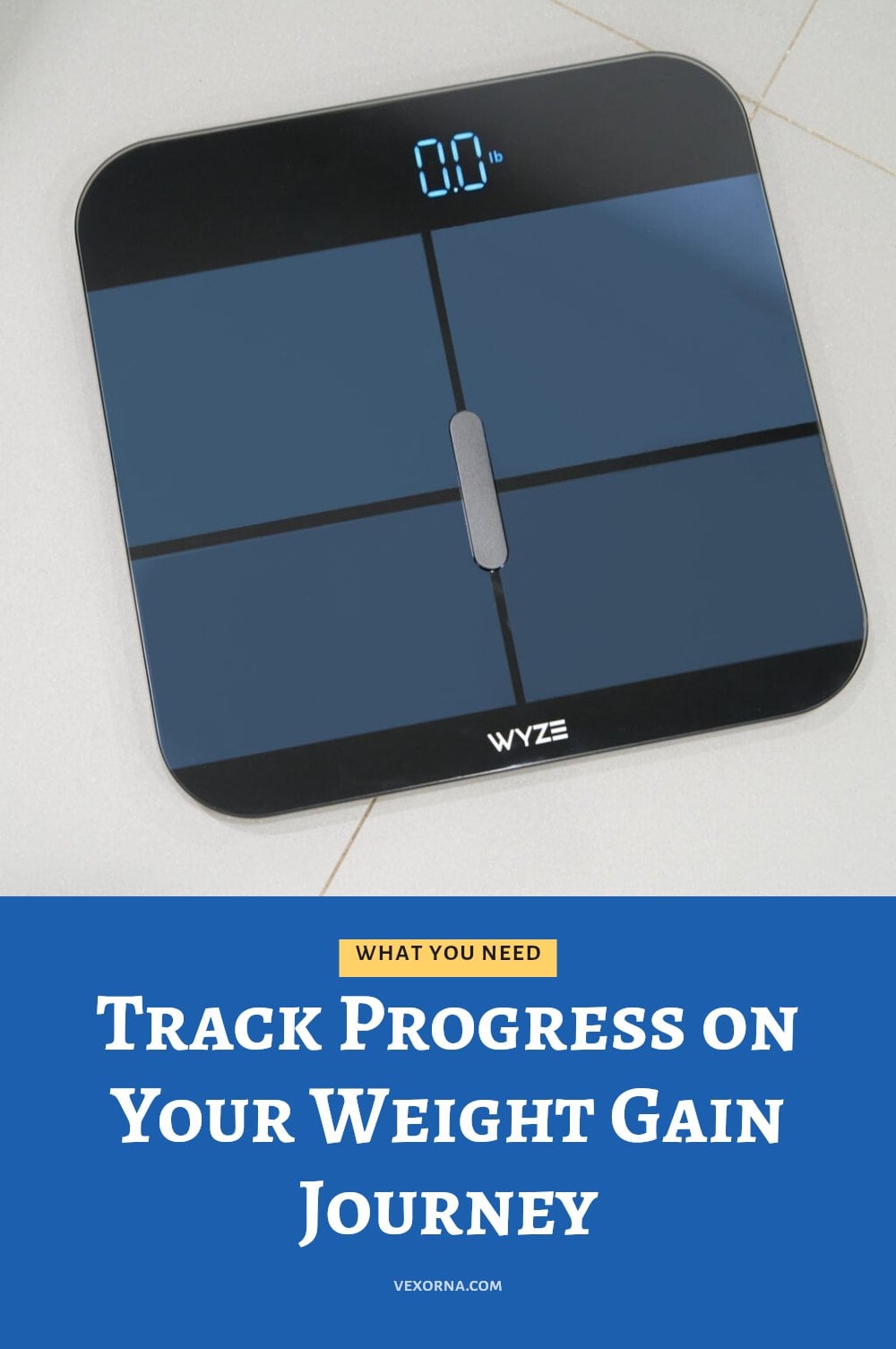
Having the right tools makes the process smoother and more accurate. Here is what I recommend keeping on hand.
- Food scale and measuring cups: Essential for accurately tracking your caloric and macronutrient intake.
- Blender: Incredibly useful for making calorie-dense smoothies with whole milk, fruit, and protein powder.
- Dumbbells or resistance bands: Great for incorporating strength training at home to build muscle.
- Journal or app: Tracking food intake and weight helps you monitor progress and adjust your strategy.
Your Step-by-Step Plan to Gain Weight Healthily

Follow these steps to build a healthy weight gain routine that works for you.
- Calculate your maintenance calories: Use an online calculator to estimate how many calories you need to stay the same weight. Then add 300-500 calories to create a surplus.
- Choose nutrient-dense foods: Focus on whole grains, lean proteins, healthy fats (avocado, nuts, olive oil), and starchy vegetables like potatoes and sweet potatoes.
- Increase portion sizes gradually: Add a little more to each meal over time so your body adjusts without discomfort.
- Eat 5-6 smaller meals and snacks: Spreading your intake throughout the day helps you consume more without feeling overly full.
- Incorporate strength training 2-3 times per week: Exercises like squats, lunges, and bicep curls stimulate muscle growth, helping you gain lean mass rather than just fat.
- Track your food and weight weekly: Log what you eat and weigh yourself once a week. If progress stalls, add another 100-200 calories daily.
Smart Strategies for Boosting Your Calorie Intake

These simple strategies make it easier to add calories throughout your day without forcing down huge meals.
- Liquid Calories are Your Friend: Smoothies made with whole milk, fruit, nut butter, and protein powder are easy to consume and pack a lot of nutrition.
- Don’t Skimp on Snacks: Opt for calorie-dense options like nuts, seeds, dried fruits, and cheese between meals.
- Add Healthy Toppings: Sprinkle nuts, seeds, or cheese on salads, soups, and oatmeal to easily increase calories.
- Prioritize Sleep: Aim for 7-9 hours of sleep per night to support muscle recovery and overall health.
- Manage Stress: Stress can impact appetite and digestion; find healthy ways to cope, such as walking or meditation.
Common Weight Gain Mistakes and How to Avoid Them
Relying on Junk Food: It is tempting to reach for processed snacks and sugary drinks to pack in calories quickly, but these lack the vitamins and minerals your body needs. Instead, choose whole grains, lean proteins, and healthy fats like avocados and nuts to support overall health while you gain weight.
Skipping Meals: Missing a meal, especially breakfast, creates a calorie deficit that slows your progress. Consistency matters more than perfection, so aim to eat every 3-4 hours to keep your energy and calorie surplus steady.
Ignoring Strength Training: Without resistance exercises, the extra calories you consume are more likely to be stored as fat rather than used to build muscle. Add dumbbells or resistance bands to your routine 2-3 times per week to shift the composition of your weight gain.
Overdoing Cardio: Long runs or high-intensity cardio sessions burn hundreds of calories that could otherwise contribute to your surplus. Keep cardio moderate, such as 20-30 minutes a few times a week, and prioritize strength training.
Giving Up Too Soon: Healthy weight gain of 0.5 to 1 pound per week is slow by design. If the scale does not move after a few weeks, adjust your calorie intake by 100-200 calories rather than abandoning the plan.
What to Expect: Timeline and Commitment
Timeline: Expect to see noticeable changes after 4-8 weeks of consistent effort. Gaining 0.5 to 1 pound per week means it may take several months to reach your goal, but this gradual pace supports muscle growth rather than fat gain.
Consistency is Key: Daily adherence to your eating plan and strength training sessions is more important than perfection on any single day. Even one skipped day can set you back, so build habits that feel sustainable long-term.
Monitoring Progress: Weigh yourself once per week at the same time of day. If your weight stalls for two weeks, increase your daily calorie intake by 100-200 calories and reassess after another week.
Professional Guidance: A registered dietitian or personal trainer can tailor your calorie targets and exercise plan to your specific body and lifestyle. Their expertise often speeds up results and prevents common mistakes.
When to Consult a Professional for Weight Gain

Underlying Health Conditions: If you have a medical condition such as a thyroid disorder, diabetes, or a digestive disease, or if you take medications that affect appetite or metabolism, consult your doctor before starting any weight gain plan. They can help rule out factors that make gaining weight harder.
Persistent Challenges: If you have followed a healthy plan for several weeks without seeing progress, a registered dietitian can assess your calorie needs and identify gaps in your diet. Their personalized advice often uncovers issues like underestimating portion sizes or missing key nutrients.
Digestive Issues or Discomfort: Ongoing bloating, pain, nausea, or changes in bowel habits after increasing food intake warrant medical evaluation. A healthcare professional can check for intolerances or conditions that interfere with nutrient absorption.
Unexplained Symptoms: Any new or worsening symptoms such as fatigue, hair loss, or irregular periods should be discussed with a doctor. These may signal an underlying issue that needs treatment before weight gain can proceed safely.
Frequently Asked Questions
How quickly can I expect to gain weight?
With a consistent calorie surplus of 300-500 extra calories per day, you can expect to gain about 0.5 to 1 pound per week. Noticeable changes often appear after 4-8 weeks of steady effort, though it may take several months to reach your goal if you have more to gain.
Can I gain weight without eating junk food?
Absolutely. In fact, the healthiest approach is to avoid relying on processed snacks and sugary drinks. Instead, focus on nutrient-dense options like whole grains, lean proteins, healthy fats (avocados, nuts, olive oil), fruits, and vegetables. These support muscle growth and overall wellness.
Is it possible to gain weight only in certain areas?
No, you cannot spot-gain weight in specific body parts. Where your body stores fat and builds muscle is largely determined by genetics. Strength training can help shape and strengthen particular areas, but overall weight gain will be distributed naturally across your body.
What if I struggle with a low appetite?
If your appetite is low, try eating 5-6 smaller meals or snacks throughout the day. Liquid calories, such as smoothies made with whole milk, fruit, and nut butter, are easier to consume. You can also sip on calorie-rich beverages like milk or 100% fruit juice between meals.
Final Thoughts
For most women, the sweet spot is adding 300-500 calories each day with nutrient-dense foods and sticking with a strength routine. Realistic results usually appear after about 4-8 weeks of consistency. Focus on progress, not perfection, and trust the gradual process.
This article provides general wellness information and is not a substitute for professional medical or dietary advice. Every body is different, and individual needs vary. If you have a medical condition, take medications, or experience persistent symptoms, consult a doctor or registered dietitian before making significant changes to your diet or exercise routine.