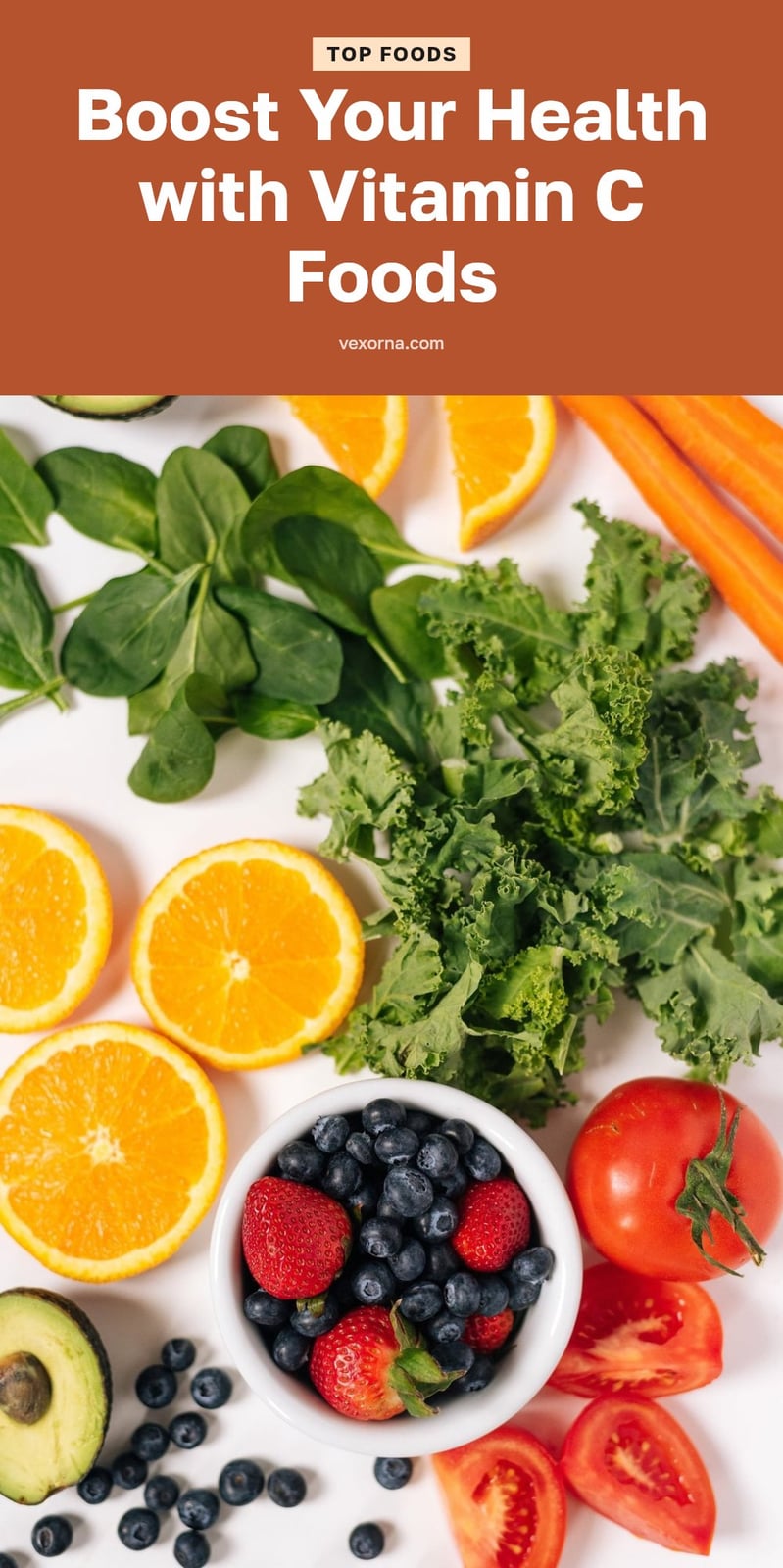
Getting enough vitamin C doesn’t have to mean downing a glass of orange juice every morning. There are actually dozens of delicious fruits and vegetables that pack as much or more of this essential nutrient, and many of them are already in your kitchen. This article covers 20 easy, everyday foods that can help you meet your daily needs without a supplement.
Whether you’re looking to support your immune system, boost collagen for healthy skin, or simply eat a more varied diet, these vitamin C-rich options make it simple. My tip: aim to include at least one or two of these foods in every meal for consistent intake throughout the day.
Key Takeaways
- Red and yellow bell peppers provide more vitamin C per serving than citrus fruits.
- Eat fruits and vegetables raw or lightly steamed to preserve the most vitamin C.
- Pair vitamin C-rich foods with iron-rich plant meals to boost iron absorption.
- Smokers need an extra 35 mg of vitamin C daily due to increased oxidative stress.
- Frozen fruits and vegetables can retain vitamin C well if stored and prepared properly.
Why Vitamin C is a Daily Must-Have
Vitamin C is an essential nutrient and a powerful antioxidant your body relies on every single day. It supports your immune system, helps produce collagen for healthy skin and joints, and boosts iron absorption from plant-based foods. Since your body cannot make vitamin C on its own, you need to get it from food daily. It is water-soluble, so it does not get stored, consistent intake from a variety of fruits and vegetables is the key to keeping your levels up.
1. Red Bell Peppers

Red bell peppers are one of the richest sources of vitamin C, often packing more per serving than citrus fruits. Just half a cup of raw red pepper can cover more than your entire daily recommended intake. To get the most out of them:
- Eat them raw: Slice into salads or serve with dips for a crunchy boost.
- Quick roast at high heat: Roast for 10-12 minutes at 400°F to soften without destroying the vitamin C.
- Add to sandwiches: A few strips give you a solid dose without any cooking.
2. Yellow Bell Peppers
Yellow bell peppers contain slightly more vitamin C than red ones (around 184 mg per cup compared to about 190 mg for red, though values vary by growing conditions). Their sweet flavor makes them ideal for snacking raw or adding to stir-fries. My tip: Keep them crisp by adding them toward the end of cooking. A quick toss is all they need to warm through without losing crunch or nutrients.
3. Oranges
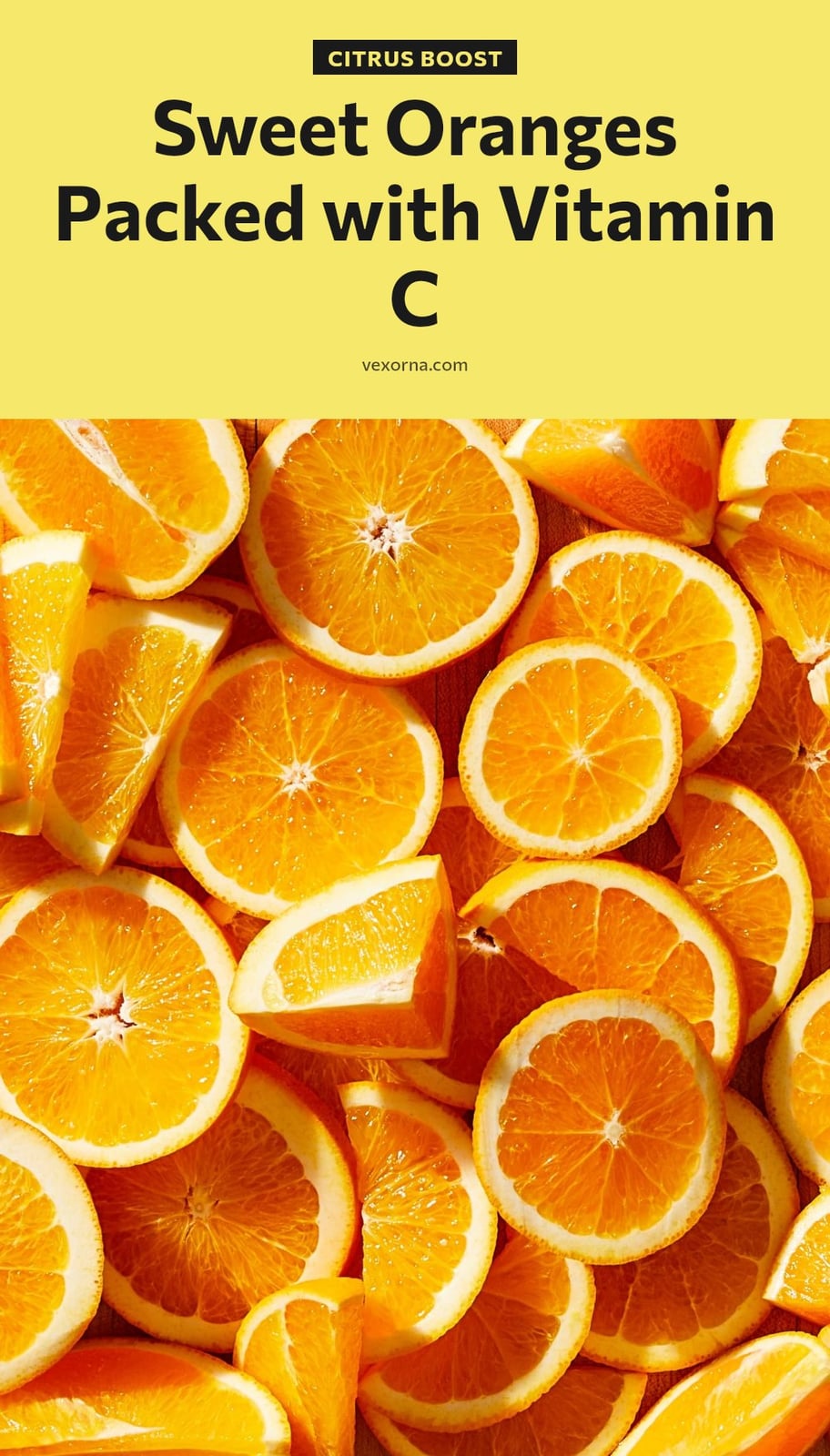
Oranges are the classic go-to for vitamin C, and one medium orange provides a solid portion of your daily needs. Eat the whole fruit to get the fiber along with the vitamin C, fresh juice gives you the vitamin but skips the fiber. They make an ideal grab-and-go snack that fits in any bag.
4. Strawberries

Strawberries are a vitamin C powerhouse, with a single cup covering your entire daily requirement. Alongside that immune-boosting C, they deliver a punch of other antioxidants that work together to support overall health. Their natural sweetness makes them incredibly versatile. Toss them into smoothies, scatter them over oatmeal, or simply eat them straight from the container for a quick, satisfying snack.
5. Kiwifruit
Kiwifruit packs an impressive amount of vitamin C, often surpassing what you get from an orange in a single small fruit. Its tangy-sweet flavor adds a bright note to fruit salads or works perfectly as a standalone snack. My tip: You can eat the fuzzy skin for extra fiber. Just wash the kiwi thoroughly before biting in.
6. Broccoli
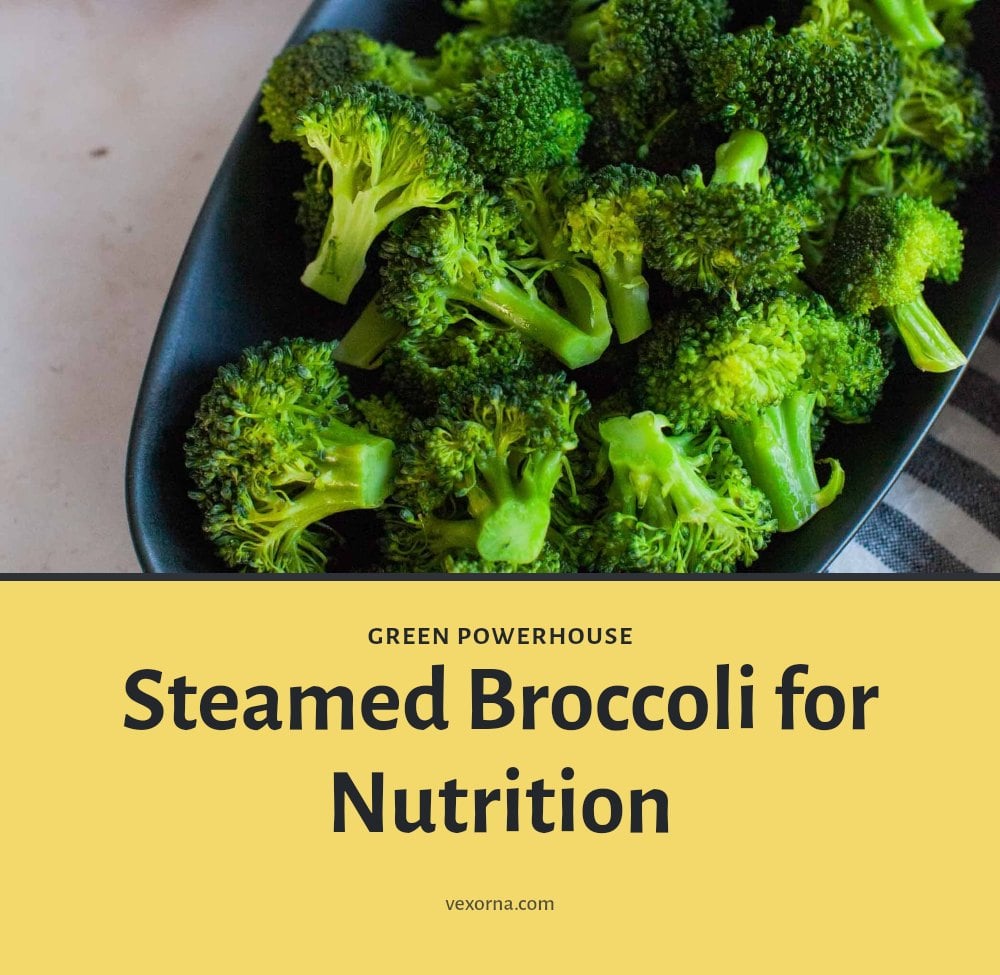
Broccoli delivers a solid dose of vitamin C along with its well-known fiber and other nutrients. To preserve the most vitamin C, steam or lightly roast it instead of boiling, which can leach the nutrient into the water. This versatile vegetable fits into stir-fries, side dishes, or even raw in salads for a crisp crunch.
7. Brussels Sprouts
Brussels sprouts are surprisingly rich in vitamin C and other beneficial compounds that support your body’s defenses. Roasting them until slightly crispy brings out their best nutty flavor while preserving more nutrients than boiling would. They make a fantastic, easy side dish that pairs with almost any protein or grain.
8. Cauliflower
Cauliflower is another cruciferous vegetable that delivers a decent amount of vitamin C per serving. Its mild flavor makes it incredibly versatile: you can mash it as a low-carb potato alternative, roast it into golden florets, or stir it into curries. Like broccoli, keep the vitamin C intact by steaming or roasting instead of boiling.
9. Tomatoes

Tomatoes earn their spot as a reliable vitamin C source whether you eat them fresh, canned, or as juice. They show up in everything from pasta sauces to salads, so it’s easy to work them into your day. Tip: A fresh tomato sliced on toast with a sprinkle of salt is a simple, delicious way to get your C.
10. Grapefruit
Grapefruit brings a tangy, refreshing burst of vitamin C that wakes up your taste buds. Half a grapefruit provides a significant portion of your daily needs, making it a smart breakfast choice. Add segments to a salad for a zesty kick, or eat it straight from the peel.
11. Cantaloupe
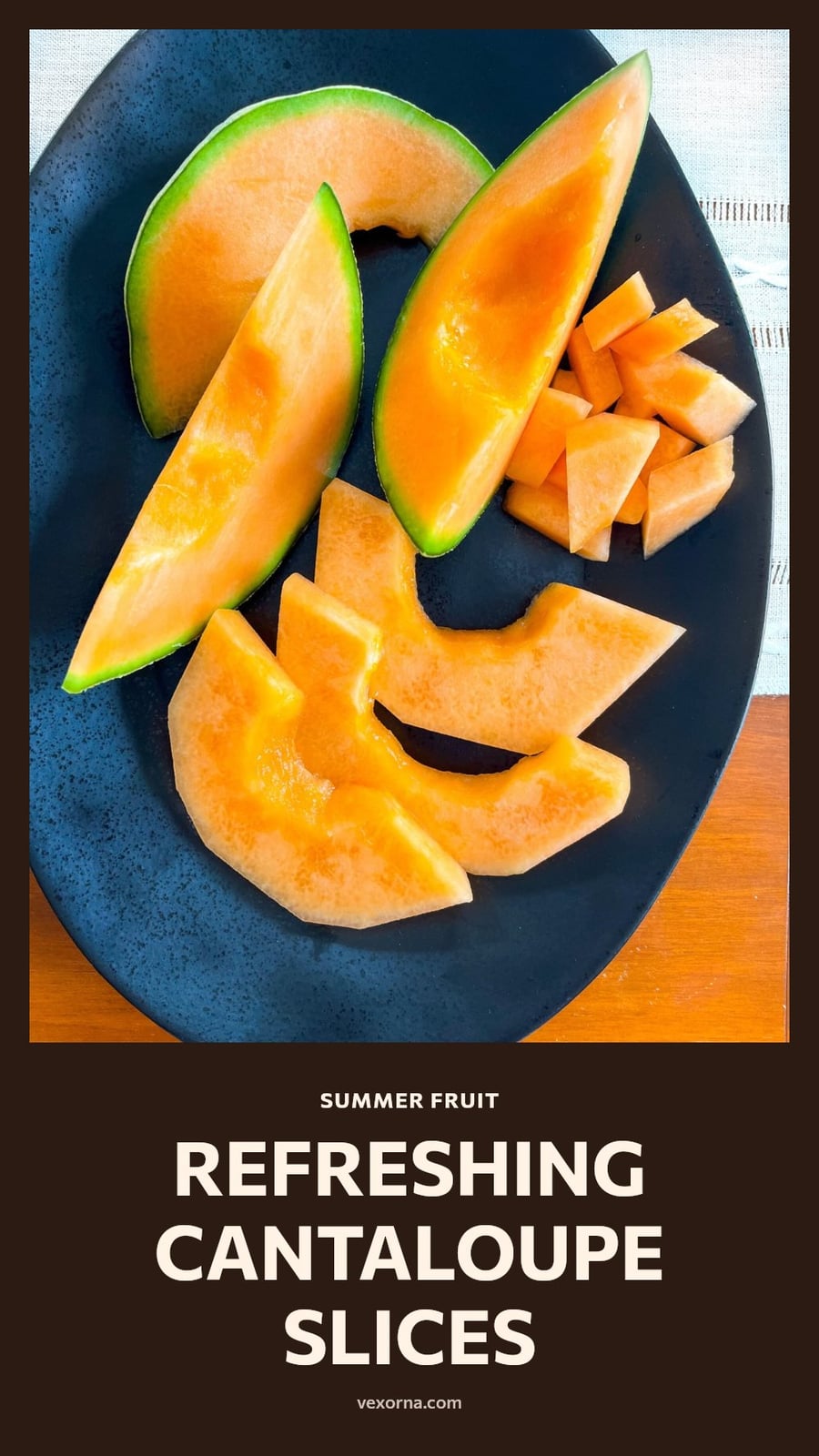
Cantaloupe delivers a sweet, juicy dose of vitamin C that’s especially welcome in warmer months. A quarter of a medium cantaloupe can provide almost your entire daily requirement. Toss it into fruit salads, blend it into smoothies, or simply scoop it out and enjoy.
12. Mangoes
Mangoes bring a tropical sweetness that makes getting your vitamin C feel like a treat. One medium mango can provide a substantial portion of your daily requirement, so it’s an easy win when you crave something juicy.
They’re fantastic blended into smoothies, diced into fresh salsas for a sweet kick, or simply eaten on their own. I usually keep a ripe mango on the counter for a quick snack that beats any processed option.
13. Papayas

Papaya is a tropical standout with an excellent vitamin C content and a sweet, buttery texture that feels almost indulgent. Its soft flesh works beautifully in breakfast bowls or on fruit platters, adding color and nutrition in one scoop.
My tip: squeeze fresh lime juice over the top before eating. The tangy citrus brightens the natural sweetness and gives you an extra vitamin C boost with zero effort.
14. Potatoes
Potatoes may not top the vitamin C charts, but they still contribute a meaningful amount, especially if they’re a regular part of your meals. The key is how you cook them. Boiling, in general, can reduce vitamin C content, as the water-soluble nutrient leaches into the cooking water.
Baking or roasting are preferred methods for preserving vitamin C in potatoes, with or without the skin. They’re a convenient way to add some C to your plate without thinking about it. Try roasted wedges for a simple side that works with almost any dinner.
15. Lemons and Limes

You probably won’t eat a whole lemon, but adding fresh lemon or lime juice to your water, salads, or cooked dishes is one of the simplest ways to boost your daily vitamin C. The bright acidity also enhances flavors and helps your body absorb iron from plant-based meals, which is a smart pairing if you eat a lot of beans or greens.
My tip: keep a bowl of lemons and limes on your counter where you can see them. When they’re within reach, you’ll actually use them. Squeeze some into your water bottle in the morning or over roasted vegetables before serving.
16. Dark Leafy Greens
Spinach, kale, and other dark leafy greens bring a solid amount of vitamin C to the table, along with a host of other vitamins and minerals. To keep that C intact, eat them raw in salads or give them a quick sauté instead of boiling. My tip: toss a handful into your morning smoothie for an easy, nearly invisible boost.
17. Guava
Guava is an absolute vitamin C powerhouse, often delivering several times your daily recommended intake in a single fruit. It’s a fantastic, often overlooked source that deserves a regular spot in your kitchen. Enjoy it fresh, blend it into juices, or add it to desserts for a naturally sweet, nutrient-dense treat.
18. Blackcurrants
Blackcurrants are tiny but mighty, packing more vitamin C per serving than oranges. Their deep, tart flavor shines in jams, jellies, and juices, or stirred into breakfast cereals and yogurts. Look for them fresh when in season, or keep a bag of frozen ones on hand for year-round use.
19. Parsley
Parsley is often treated as a garnish, but it’s a surprisingly good source of vitamin C. Don’t just decorate with it: chop it finely and add it generously to salads, soups, and stews. It’s an easy way to sneak in extra nutrients and fresh flavor without changing the character of your dish.
Common Vitamin C Mistakes to Avoid
Only thinking of oranges: Oranges are great, but foods like bell peppers, kiwi, and broccoli actually pack more vitamin C per serving. Diversify your plate with a range of fruits and vegetables for the best intake.
Overcooking vegetables: Prolonged boiling can significantly reduce vitamin C content. Opt for raw preparations, steaming, or light sautéing instead to preserve the nutrient.
Inconsistent intake: Since your body doesn’t store vitamin C, you need to consume it daily. Make it a habit to include a vitamin C-rich food in every meal.
Ignoring smoking’s impact: Smokers require an additional 35 mg of vitamin C per day due to increased oxidative stress. If this applies to you, be mindful to adjust your intake.
Assuming supplements are always necessary: A balanced diet rich in fruits and vegetables can easily meet most people’s vitamin C needs. Consult a healthcare professional before starting any supplement.
Frequently Asked Questions
How much vitamin C do I really need daily?
The Recommended Dietary Allowance is 75 mg per day for adult women and 90 mg per day for adult men. Smokers need an extra 35 mg daily. Most people can easily meet these goals by eating a few servings of vitamin C-rich foods, like half a cup of red bell pepper or one medium orange.
Can cooking destroy all the vitamin C in my food?
Cooking can reduce vitamin C content, especially prolonged boiling, which leaches the nutrient into the water. However, it doesn’t destroy it completely. To preserve more vitamin C, opt for steaming, roasting, or stir-frying instead of boiling, and keep cooking times short. Eating some raw sources also helps.
Are frozen fruits and vegetables good sources of vitamin C?
Yes, frozen fruits and vegetables can retain their vitamin C content well if stored and prepared properly. They are often flash-frozen at peak ripeness, which locks in nutrients. Just avoid overcooking them after thawing, and store them in a cool, dark place or the freezer to minimize nutrient loss.
What are the signs I might not be getting enough vitamin C?
Early signs of insufficient vitamin C can include fatigue, frequent infections, slow wound healing, and dry skin. Severe deficiency, known as scurvy, may cause gum inflammation, joint pain, and easy bruising. If you notice these symptoms, consult a healthcare professional for proper evaluation rather than self-diagnosing.
Do I need to take vitamin C supplements if I eat well?
If you eat a balanced diet rich in fruits and vegetables, you likely don’t need a supplement. High doses from supplements can cause digestive upset like diarrhea or nausea. However, individuals with certain conditions, such as smokers or those with iron overload, should discuss their needs with a doctor before supplementing.
Final Thoughts
The best way to get enough vitamin C is to eat a variety of colorful fruits and vegetables every day. Start by adding one or two of the foods listed here to your regular rotation, like snacking on red bell pepper strips or tossing strawberries into your morning oatmeal. You don’t need to overhaul your diet overnight; small, consistent changes add up.
Remember, vitamin C is water-soluble and not stored in the body, so daily intake matters more than a single megadose. If you suspect you’re not getting enough, talk to a healthcare professional rather than guessing with supplements.
This article is for general informational purposes only and does not constitute medical advice. The content is not intended to diagnose, treat, cure, or prevent any health condition. Always consult a qualified healthcare professional for personalized dietary guidance, especially if you have underlying health issues or are pregnant or breastfeeding.