
If you have ever mentally rehearsed a big meeting or imagined yourself crossing a finish line, you already know the basics of visualization. The real question is how to make those mental pictures actually work for you. This article breaks down practical, science-backed visualization exercises you can start using today to sharpen your focus, reduce stress, and move closer to your goals.
Key Takeaways
- Engage all five senses in your mental scene to make it feel real to your brain.
- Practice for 5 to 10 minutes daily rather than long, infrequent sessions.
- Combine outcome visualization with process visualization to prepare for both the result and the steps.
- Stop if visualization triggers anxiety or distress, and consider speaking with a mental health professional.
- Noticeable results typically appear after weeks or months of consistent daily practice.
What Is Visualization and How Does It Help?
Visualization is a mental technique where you create vivid mental images of what you want to achieve or experience. It works by engaging multiple senses, sight, sound, smell, touch, even taste, to make the scene feel real to your brain. That mental rehearsal primes your mind for action, builds confidence, and supports personal growth and well-being. Think of it as a focused, active practice, not just daydreaming.
How Visualization Works in Your Brain
How Visualization Works in Your Brain
Your brain processes vivid mental imagery much like it processes real experiences. When you imagine yourself acing a presentation or crossing a finish line, the same neural pathways fire as if you were actually doing it. This repeated activation strengthens those pathways, making the desired outcome feel more familiar and achievable.
Engaging all five senses makes your mental scene more effective. Instead of just seeing the image, hear the sounds, feel the textures, and even imagine the scents. This multisensory approach boosts focus and concentration, training your brain to stay locked on your goal.
Visualization is not passive wishing. It is active mental engagement that prepares you for real-world action. Athletes use this technique regularly: a skier mentally rehearses every turn and jump before hitting the slope, which improves actual physical execution.
Preparing for Your Visualization Practice

Preparing for Your Visualization Practice
You do not need special equipment, just a few basics to set the stage.
- Quiet, comfortable space: Choose a spot where you will not be interrupted. A corner of your bedroom or a quiet chair works well.
- Comfortable position: Sit upright in a supportive chair or lie down on a yoga mat or bed. The key is to be relaxed but alert.
- Optional audio: Calming background music or a guided meditation track can help you settle into focus faster.
Step-by-Step Guide to Effective Visualization
- Find your spot: Sit or lie down in that quiet space you prepared. Shut the door, silence your phone.
- Breathe and relax: Close your eyes and take three deep breaths. Inhale through your nose, exhale slowly through your mouth. Let your shoulders drop.
- Build your scene: Create a vivid mental image of your desired outcome. Engage all five senses: what do you see, hear, feel, smell, and taste? Make it as real as you can.
- Feel the feelings: Focus on the positive emotions tied to achieving your goal, pride, relief, joy, calm. Let those feelings fill your body.
- Include the steps: Do not just picture the end result. Also visualize the actions that get you there, practicing, preparing, handling setbacks.
- Keep it short and regular: Aim for 5-10 minutes daily. My tip: Set a timer so you do not check the clock. Consistency matters more than session length.
Different Ways to Visualize for Your Goals
Different Ways to Visualize for Your Goals
Not all visualization looks the same. The type you choose depends on what you want to achieve. Here are the most common approaches and how to use each one.
- Outcome Visualization: Picture the end result of your goal. If you want a promotion, see yourself in the corner office, shaking hands with your boss. Tip: Hold that image for 30 seconds, then let it go. This builds motivation but should not replace planning the steps.
- Process Visualization: Mentally rehearse the actions that lead to your goal. For a job interview, imagine walking into the room, shaking hands, answering questions clearly, and leaving with confidence. Caution: Process visualization is more effective than outcome alone because it prepares your brain for the actual sequence of events.
- Stress Reduction Visualization: Imagine a peaceful, calm environment. Picture a quiet beach: hear the waves, feel the warm sand, smell the salt air. Spend 5 minutes here to lower anxiety. Tip: Use this before a stressful event, not as a substitute for addressing the source of stress.
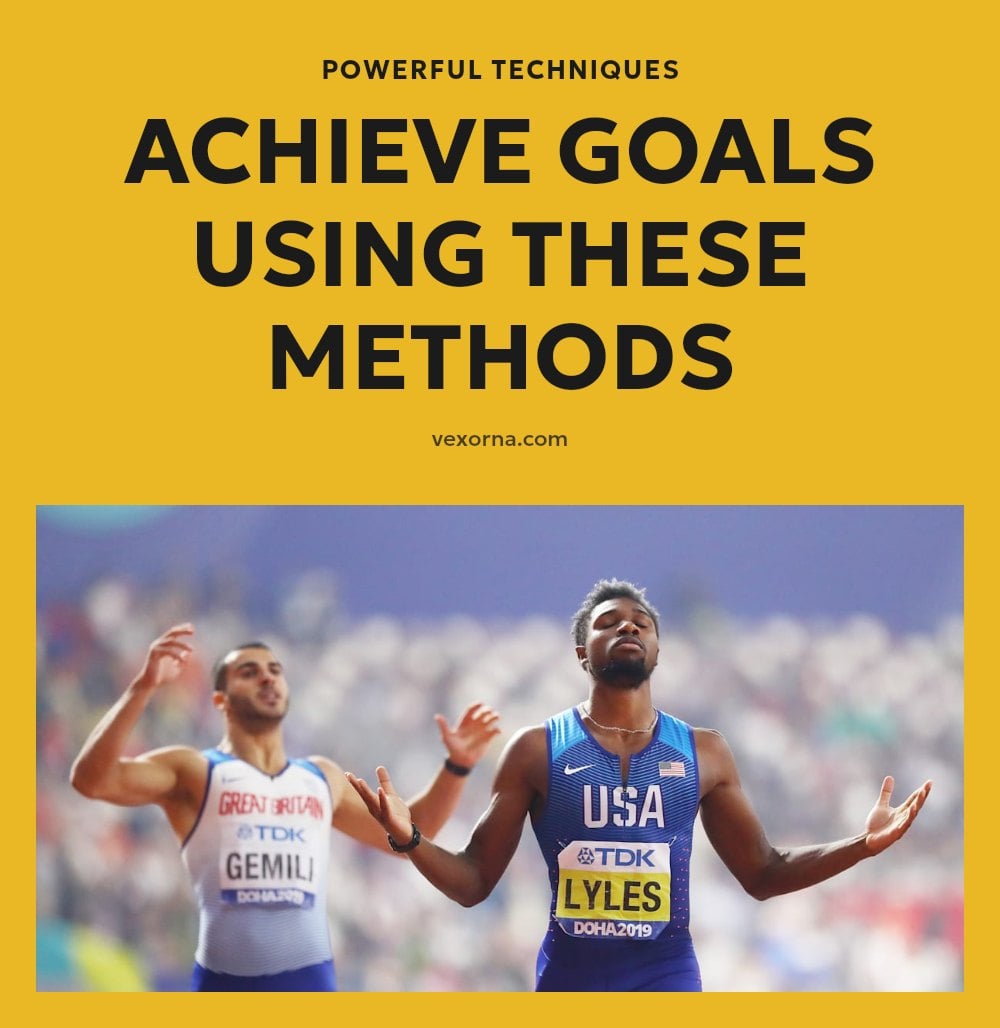
- Performance Enhancement Visualization: Athletes use this to mentally rehearse a race, a routine, or a game. See yourself executing each move perfectly, feeling the muscles engage. Good to know: Studies show this can improve actual physical performance, but it works best when combined with real practice.
No single type is a magic bullet. Try each one for a week and notice which feels most natural for your goal.
Common Visualization Mistakes and How to Avoid Them
Common Visualization Mistakes and How to Avoid Them
Even with good intentions, it is easy to slip into habits that weaken the practice. Here are the most frequent mistakes and how to correct them.
- Only visualizing the end result: You skip the steps. Fix this by alternating between outcome and process visualization each session.
- Not engaging multiple senses: A flat mental image is less effective. Add sounds, textures, smells, and even tastes to make it vivid.
- Treating it as passive wishing: You sit back and hope. Instead, actively direct your mental scene. Ask yourself, “What do I see next? What do I feel?”
- Giving up too soon: Results take weeks or months. Stick with short daily sessions of 5-10 minutes rather than quitting after a week.
- Visualizing negative outcomes: You picture what could go wrong. Shift your focus to positive solutions. If an obstacle appears in your mind, imagine yourself handling it calmly.
Best Tips for Enhancing Your Visualization Practice
Best Tips for Enhancing Your Visualization Practice
Once you have the basics down, these small adjustments can make a big difference over time.
- Combine with affirmations: Repeat a short positive statement, like “I am prepared and confident,” right before or during your visualization. This reinforces the mental scene.
- Stay consistent: Five minutes every morning beats 30 minutes once a week. Set a daily reminder on your phone.
- Be patient: Changes build gradually. Do not expect overnight shifts. Trust the cumulative effect.
- Focus on positive emotions: Connect deeply with the feelings of success, pride, relief, or joy. Emotions anchor the visualization in your memory.
- Don’t force images: If a scene feels blurry or resistant, let it soften. Gently bring your attention back without frustration. My tip: I keep a small notebook nearby and jot down one sensory detail from each session to make it easier next time.
When to Seek Professional Guidance
When to Seek Professional Guidance
Visualization is generally safe, but it is not for everyone in every situation. If the practice triggers anxiety, distress, or intrusive thoughts, stop immediately. Consider consulting a mental health professional who can help you explore what is causing the reaction. Visualization is a complementary tool, not a replacement for medical or psychological treatment. If you are managing a diagnosed condition, always follow your healthcare provider’s advice first.
How Long Until You See Results from Visualization
Results from visualization are gradual and cumulative. You likely will not feel a shift after one session. Noticeable changes often appear with consistent daily practice over weeks or months.
Tip: Treat it like a new habit rather than a quick fix. There is no monetary cost to visualization, only your time and dedication. Short, regular sessions build the neural pathways that make the practice effective.
Frequently Asked Questions
How long should I visualize each day?
Most people find 5 to 10 minutes per session effective. Short, regular sessions are generally more beneficial than occasional long ones. You can adjust the timing based on your comfort and schedule, but consistency matters more than duration.
Can visualization help with anxiety?
Yes, many people use visualization to reduce stress by imagining a calm, safe environment. However, if the practice triggers anxiety or intrusive thoughts, stop and consider consulting a mental health professional. It is not a replacement for professional treatment.
Is visualization the same as daydreaming?
No, they are different. Daydreaming is passive and often unfocused, while visualization is an active, intentional practice where you deliberately create and control a vivid mental scene to support a specific goal or outcome.
What if I struggle to create vivid images?
That is common, especially at first. Start by focusing on one sense at a time, such as sound or touch, and let the image build gradually. Avoid forcing the picture; gentle practice over time often makes the imagery more natural and detailed.
Can visualization replace therapy?
No. Visualization is a supportive wellness tool, not a substitute for professional medical or psychological treatment. If you are dealing with a mental health condition, consult a qualified therapist or doctor for proper care.
How quickly can I expect results from visualization?
Results are gradual and cumulative. You likely will not notice a shift after one session. With consistent daily practice, many people begin to see changes over weeks or months. Treat it as a habit rather than a quick fix.
Final Thoughts
My tip: pick one goal and commit to a short daily visualization session for the next 30 days. Keep your scenes vivid, your senses engaged, and your focus on the process, not just the outcome. Expect gradual shifts rather than overnight changes, and treat the practice as a supportive tool, not a substitute for action. With patience and consistency, visualization can become a reliable part of your personal growth routine.
This article is for general informational purposes only and does not constitute medical or professional advice. Visualization techniques are not a substitute for treatment by a qualified mental health professional. If you experience anxiety, distress, or have a persistent concern, please consult a doctor or therapist.