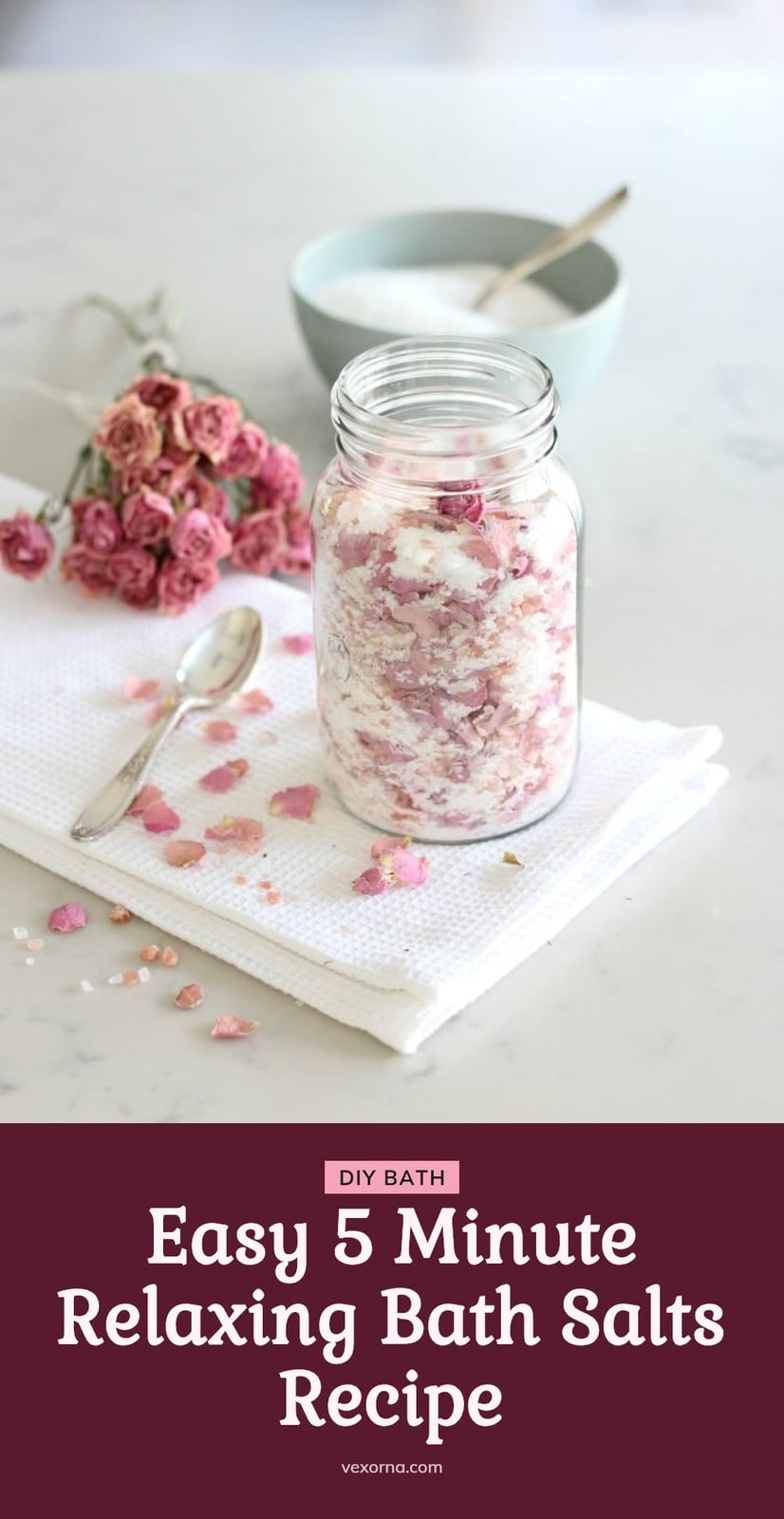
You don’t need a spa trip to enjoy a soothing, fragrant bath. Making your own bath salts at home takes about five minutes, and you can customize them with your favorite scents, colors, and botanicals. This article walks you through three simple variations using Epsom and sea salts, plus tips for storage and safety.
Key Takeaways
- Combine equal parts Epsom salt and Himalayan pink salt for a basic base.
- Use 5-10 drops of essential oil per cup of salt to avoid irritation.
- Add a carrier oil to help essential oils disperse in the bathwater.
- Store finished bath salts in an airtight container in a cool, dark place.
- Use 1/2 to 1 cup of bath salts per bath for best results.
Make Your Own Relaxing Bath Salts in Minutes
Making your own bath salts takes about 5 minutes of active prep, and you likely have most of the ingredients already. Combine a base of Epsom and sea salts with essential oils for fragrance, then add natural colorants or dried botanicals for visual appeal. This DIY approach lets you customize every ingredient, so your bath experience delivers exactly the relaxation or minor muscle relief you’re after.
Gather Your Bath Salt Making Essentials
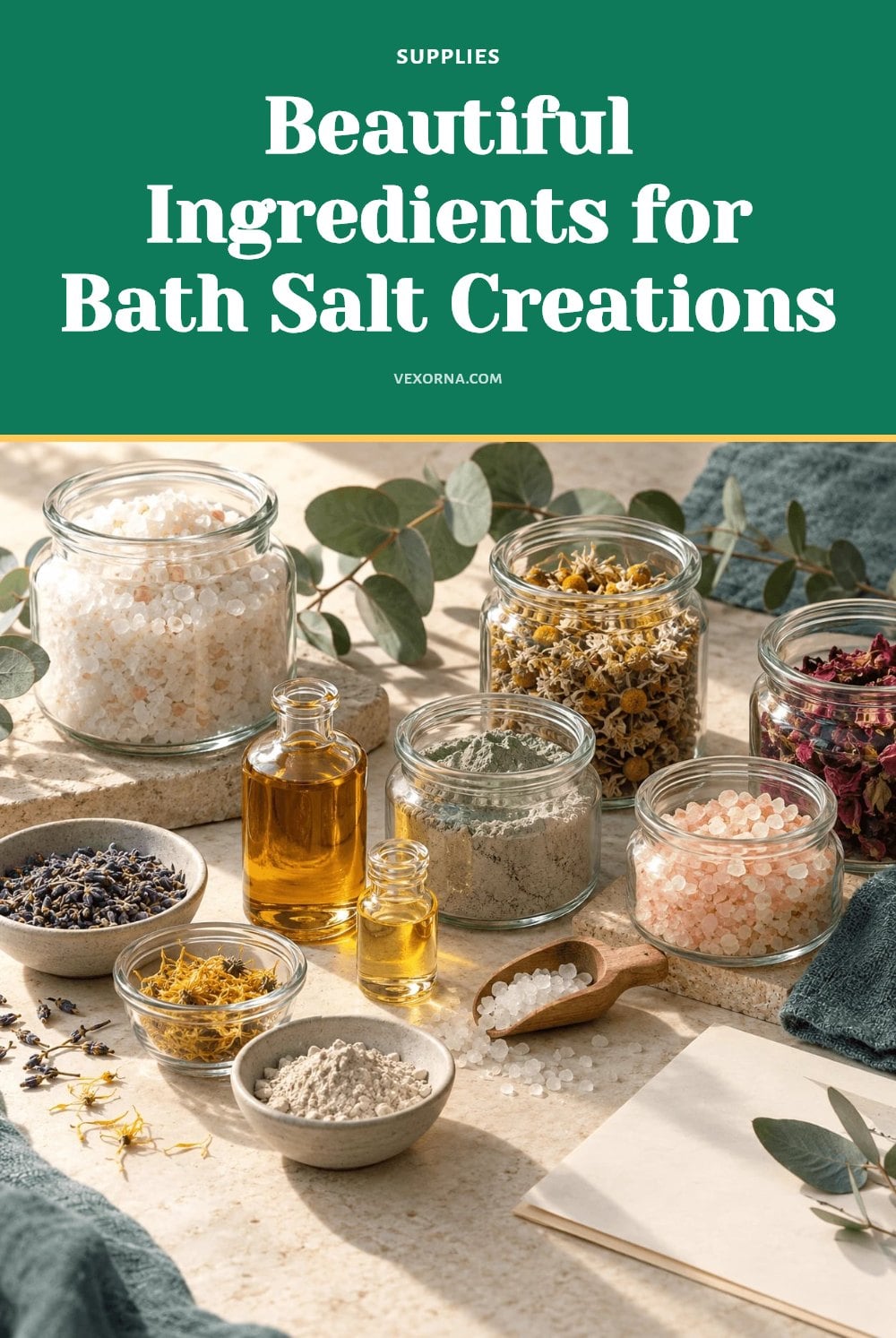
Before you start, gather these essentials:
- Epsom salt (magnesium sulfate): for muscle relaxation.
- Sea salt (Himalayan pink, Dead Sea): for minerals and texture.
- Essential oils: for natural fragrance and aromatherapy.
- Carrier oil (jojoba, almond, fractionated coconut): dilutes essential oils and moisturizes skin.
- Baking soda: softens bath water.
- Dried botanicals (lavender, rose petals): add visual appeal and subtle scent.
- Colorants (mica powder, food coloring): for vibrant hues.
- Airtight glass jars and mixing bowls with spoons: for storage and combining.
Step-by-Step: Crafting Your Custom Bath Salts
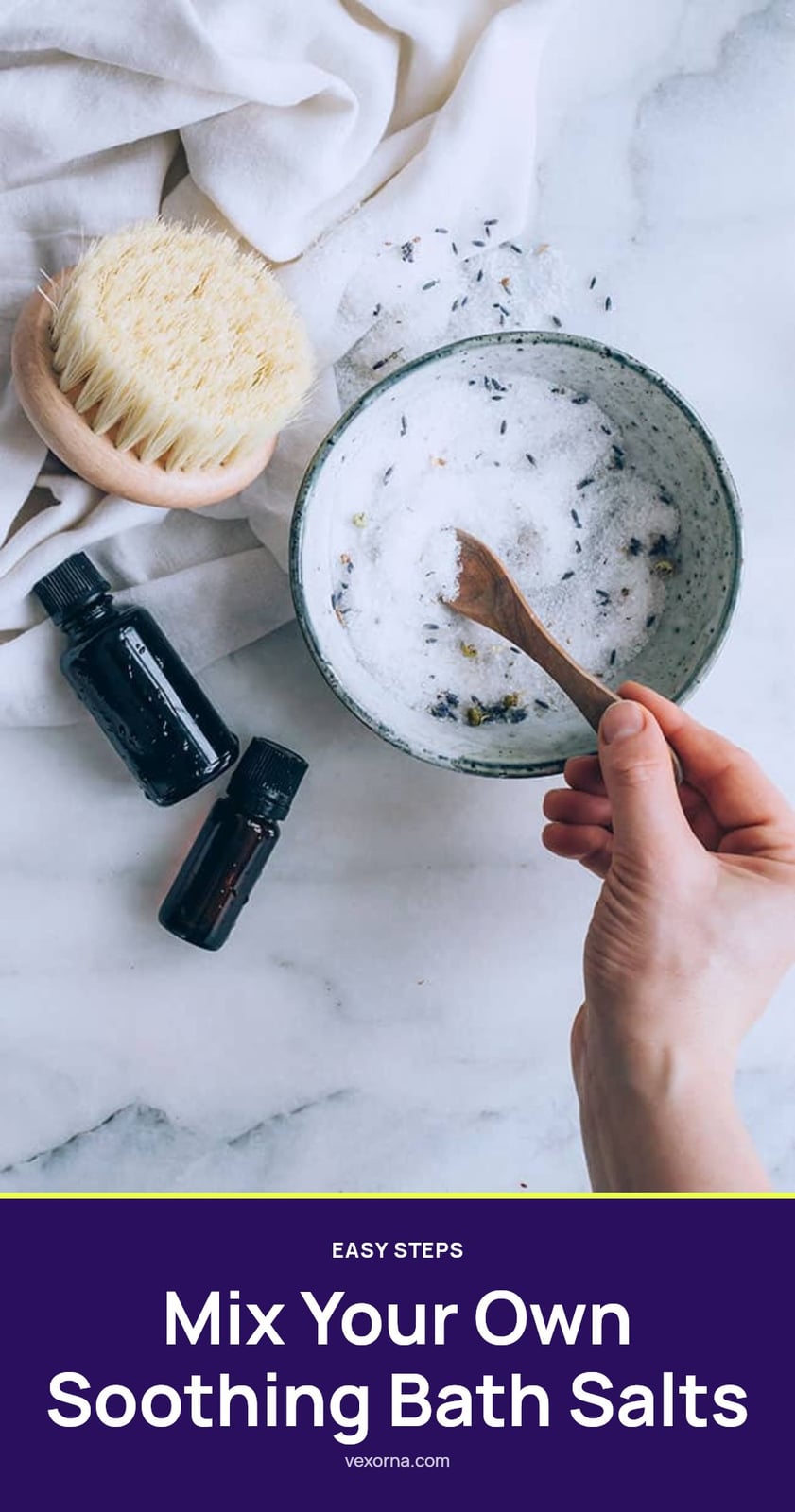
Follow this method to create three beautiful bath salt variations. The video below walks through the process.
- Mix the pink base: Combine equal parts coarse pink Himalayan sea salt and Epsom salt in a bowl, stirring thoroughly.
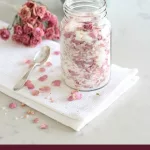
- Add rose petals: Break up dried rose petals and stir them into the salt mixture for natural color and a subtle rose scent.
- Color the blue salt: In a separate bowl, add blue mica powder to 1 cup of mineral Dead Sea salt. For a richer color, spray the salt with 90% rubbing alcohol before adding the mica, then add more mica as desired.
- Add calendula: Sprinkle calendula flowers into the blue salt mixture for visual interest.
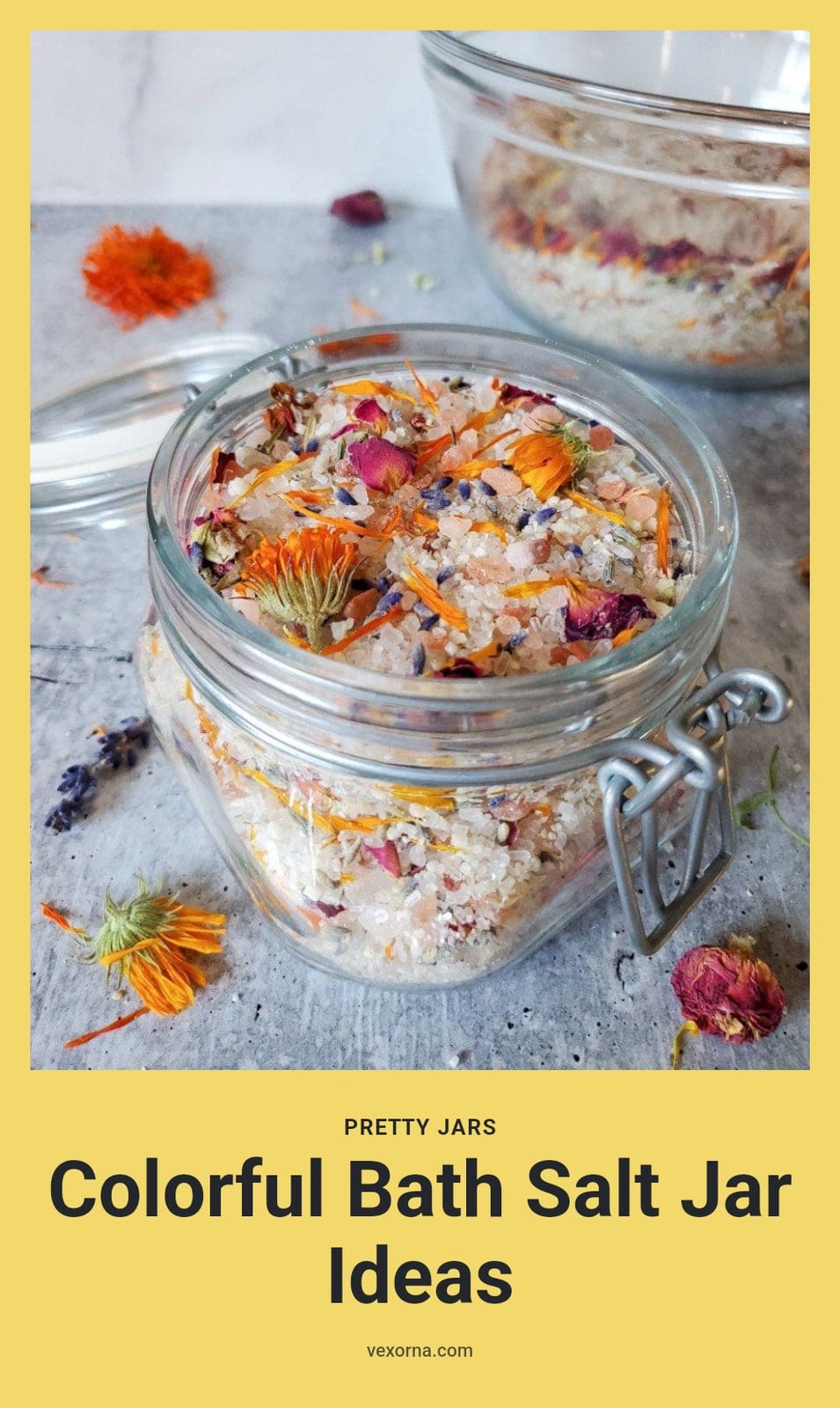
- Layer the salts: Alternately layer the blue salt mixture and the scented pink Himalayan salt into a 4-ounce jar, topping with additional calendula flowers.
- Make the lilac version: Combine Epsom salt and Dead Sea salt in another bowl. Add water-soluble lilac color and stir until evenly distributed, adding more for a deeper tone.
- Add fragrance: Stir in lavender and lilac fragrance oils, then mix in coarse Dead Sea salt and lavender flowers for texture and color.
- Finish with orange lily: Sprinkle orange lily flowers into the mixture for an extra pop of color.
- Store properly: Transfer each finished bath salt into an airtight jar. Use 1/2 to 1 cup per bath, adding to warm running water to help dissolve.
Prefer to watch? Renee Barnett DIY walks through the whole method in this 8-minute video. The how-to part starts at 0:43.
Best Tips for Perfect Bath Salts
Maximize color binding: My tip: If you’re using mica powder for color, spray your salt with 90% rubbing alcohol before adding the mica. This helps the color bind to the salt crystals for a richer, more vibrant hue.
Creative layering for gifts: For a visually stunning presentation, especially if you’re making these as gifts, layer different colored and scented bath salts in clear glass jars. It looks so professional.
Start small with scents: Always begin with a smaller amount of essential oil, like 5-10 drops per cup of salt, and add more gradually until you reach your desired fragrance strength. You can always add more, but you can’t take it away.
Add a carrier oil: I’ve found that adding 1-2 tablespoons of a carrier oil per cup of salt helps essential oils disperse beautifully in the bathwater and adds a lovely moisturizing touch to your skin.
Proper storage is key: Store your finished bath salts in an airtight container in a cool, dark place to prevent moisture absorption and keep those lovely essential oil scents from fading.
Common Bath Salt Making Mistakes to Avoid
Too Much Essential Oil: Adding too many drops can irritate your skin or make the scent overwhelming. Start with 5-10 drops per cup of salt and increase gradually.
Skipping Carrier Oil: Without a carrier oil, essential oils tend to float on top of the bathwater instead of dispersing. This reduces their effectiveness and can leave concentrated oil on your skin. Add 1-2 tablespoons per cup of salt.
Improper Storage: An open container or a humid bathroom will make your bath salts clump, lose fragrance, and spoil faster. Store them in an airtight jar in a cool, dark place.
Using Fragrance Oils for Aromatherapy: Synthetic fragrance oils lack the therapeutic properties of pure essential oils. If you want natural benefits, choose high-quality essential oils instead.
Expecting Medical Cures: Bath salts can help with relaxation and minor muscle discomfort, but they are not a treatment for serious conditions. Use them for comfort, not as a substitute for medical care.
When to Consult a Healthcare Professional About Bath Salts
Consult your doctor before using bath salts if you are pregnant or breastfeeding, especially when essential oils are involved. The same applies if you have high blood pressure, heart disease, diabetes, or any other medical condition.
Avoid bath salts if you have open wounds, severe skin conditions, or a rash without getting medical advice first. Stop using them immediately and see a healthcare professional if you notice any irritation, redness, allergic reaction, or discomfort after a bath.
Frequently Asked Questions
What is the best type of salt for bath salts?
Epsom salt is a top choice for muscle relaxation because it contains magnesium sulfate. Sea salts like Himalayan pink or Dead Sea salt add trace minerals and a nice texture. Many DIY recipes use a combination of both, so you get the benefits of each. Choose based on your preference for scent, color, and skin feel.
How much bath salt should I use per bath?
For a standard bathtub, use about 1/2 to 1 cup of bath salts. Start with the smaller amount if you have sensitive skin or are new to essential oils. Add the salts to warm, running water to help them dissolve completely and disperse evenly.
Can I use food coloring in bath salts?
Yes, you can use food coloring or natural colorants like spirulina powder or beet powder. Food coloring works well, but be aware it may stain your tub or skin. For a more natural option, try mica powder or dried botanicals like rose petals, which add color without the risk of staining.
How long do homemade bath salts last?
Stored properly in an airtight container in a cool, dark place, homemade bath salts can last for several months. The main enemies are moisture and light, which can cause clumping and fade the scent. If you notice a change in smell or texture, it’s best to make a fresh batch.
Are bath salts safe for sensitive skin?
Bath salts can be safe for sensitive skin if you choose mild ingredients. Opt for gentle essential oils like lavender or chamomile, and start with a lower concentration, such as 5 drops per cup of salt. Always do a patch test first, and skip bath salts if you have open wounds or severe skin conditions without consulting a doctor.
Final Thoughts
For a simple, relaxing soak, start with a 1:1 mix of Epsom salt and sea salt, add a few drops of your favorite essential oil, and a teaspoon of carrier oil. Use about half a cup to a cup per bath, and you’ll get a fragrant, skin-softening experience. Expect the salts to dissolve quickly in warm water, and store any leftover mix in an airtight jar for up to several months. Enjoy your personalized bath ritual.
This article is for general informational purposes only and is not a substitute for professional medical advice. Always consult a healthcare provider before using bath salts, especially if you are pregnant, nursing, have a medical condition, or have skin sensitivities. Discontinue use if irritation occurs.