
Struggling to fall asleep, stay asleep, or wake up feeling rested? You’re not alone. Many adults find that small, consistent changes to their daily habits can make a big difference in sleep quality. This article covers practical sleep hygiene tips, from setting a steady schedule to optimizing your bedroom, so you can start sleeping better tonight.
Key Takeaways
- Stick to a consistent sleep schedule, even on weekends, to support your circadian rhythm.
- Keep your bedroom dark, quiet, and cool, ideally between 60 and 67 degrees Fahrenheit.
- Put away electronic devices at least an hour before bed to avoid blue light exposure.
- Limit caffeine by early afternoon and avoid alcohol close to bedtime for better sleep.
- If you can’t sleep after 20 minutes, get up and do a quiet activity until you feel sleepy.
What is Sleep Hygiene and Why Does It Matter?
Sleep hygiene is the set of practices and habits that support good nighttime sleep and daytime alertness. It covers consistent routines, a smart sleep environment, and healthy lifestyle choices. When you apply these principles regularly, many people find they can improve sleep without medication. Adults generally need 7 to 9 hours per night for optimal health.
1. Maintain a Consistent Sleep Schedule
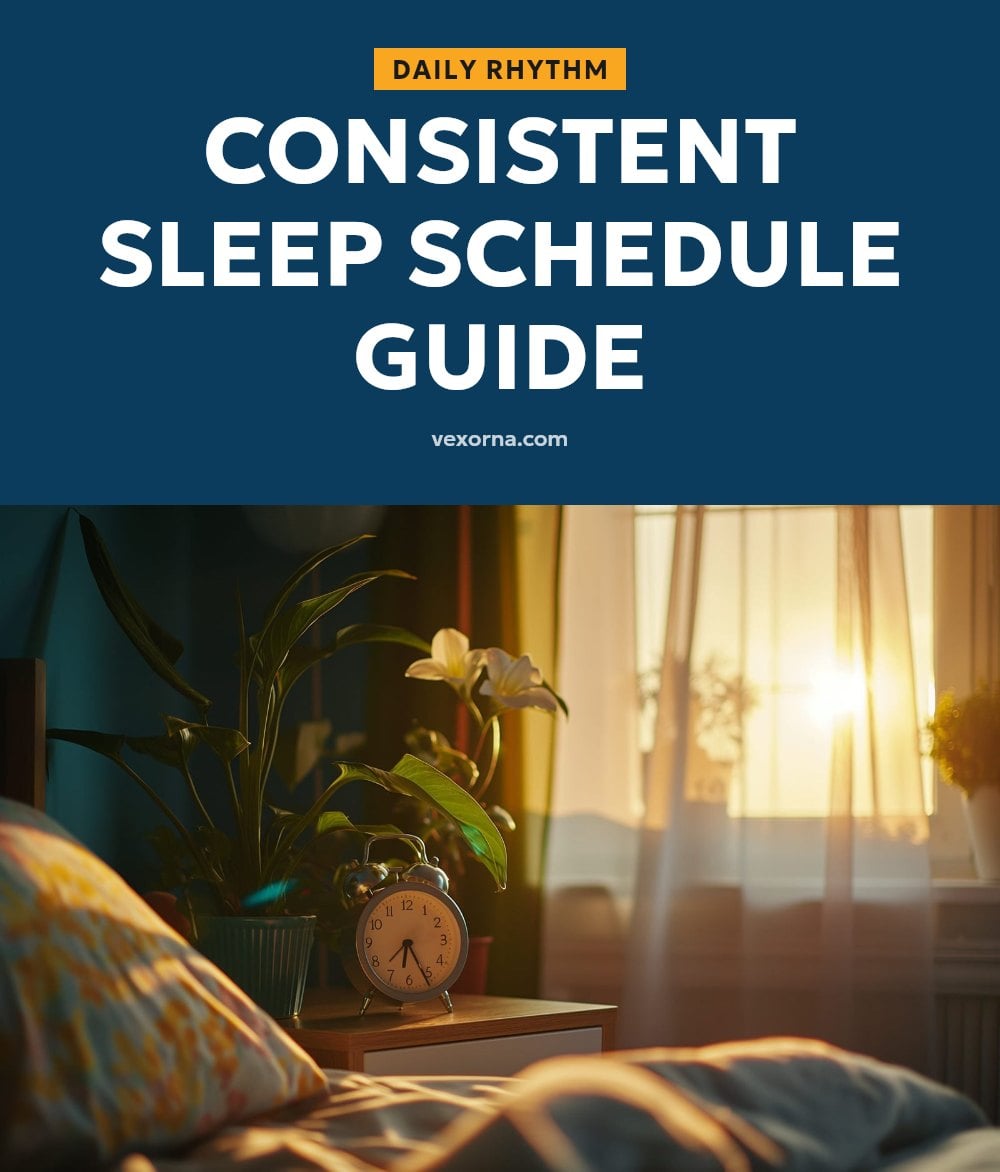
Go to bed and wake up at the same time every day, including weekends. This consistency keeps your body’s natural circadian rhythm in sync, making it easier to fall asleep and wake refreshed. My tip: Even a one-hour shift on Saturday can throw off your internal clock for days.
2. Optimize Your Sleep Environment

Your bedroom should be dark, quiet, and cool. The ideal temperature range is 60-67°F (15-19°C), which helps your body drop its core temperature for sleep. Blackout curtains block street lights and early morning sun, while earplugs or a white noise machine handle disruptive sounds.
A comfortable mattress and supportive pillows make a real difference for physical comfort. If you wake up with aches or toss and turn, your bedding may be the issue. Tip: Replace pillows every 1-2 years and test a mattress for at least 30 minutes before buying.
3. Create a Relaxing Bedtime Ritual

Develop a pre-sleep routine that signals your body it’s time to wind down. A warm bath, reading a physical book, or gentle stretching works well. Avoid intense work or emotional discussions close to bedtime, as they keep your mind active.
4. Limit Screen Time Before Bed
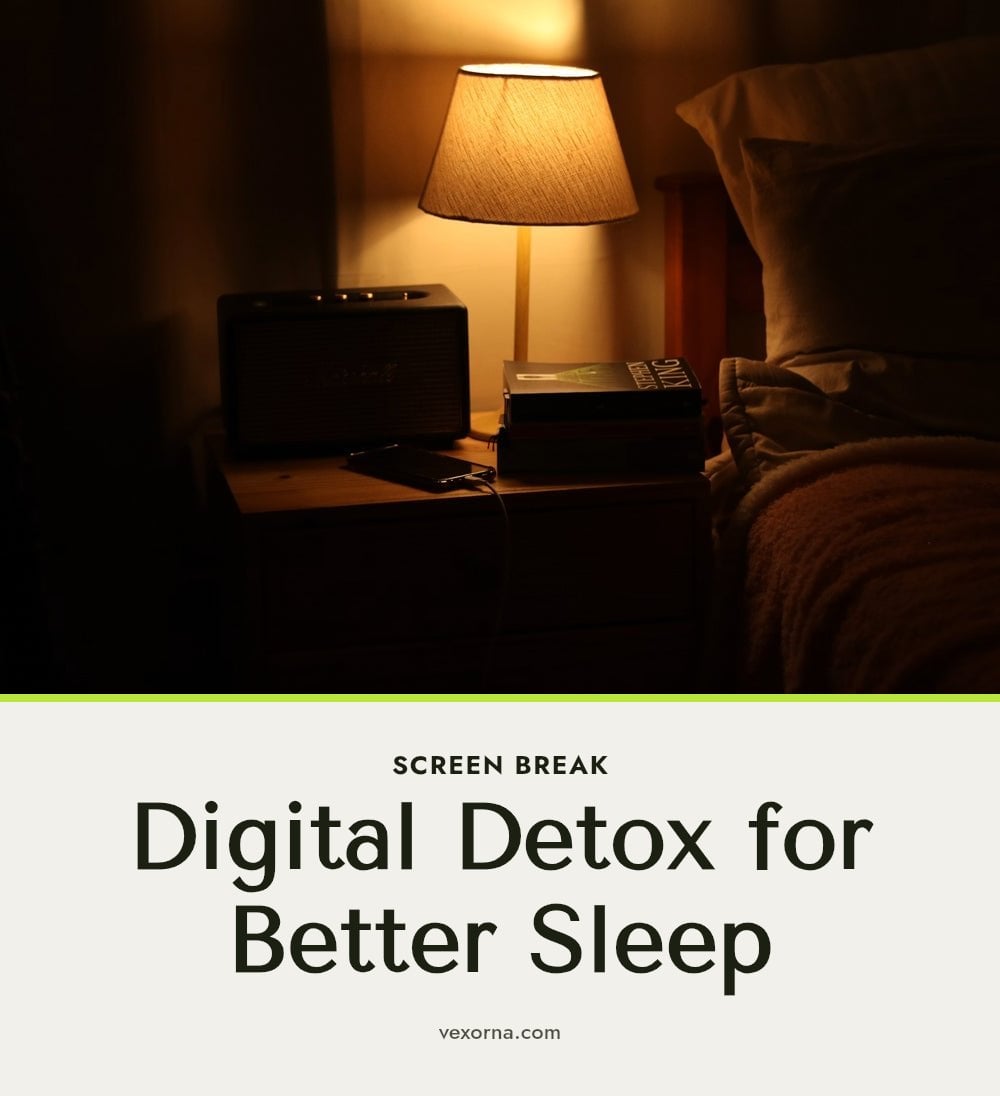
Put your phone, tablet, and computer away at least an hour before you plan to sleep. The bright light, especially the blue light from screens, suppresses melatonin production and keeps your brain alert. My tip: Swap the e-reader for an actual physical book if you catch yourself scrolling instead of reading. A printed page won’t interfere with your body’s natural wind-down signals.
5. Watch Your Caffeine and Alcohol Intake

Caffeine stays in your system for hours, so cut it off by early afternoon to protect your sleep. Even a late afternoon coffee can make it harder to fall asleep and reduce deep sleep. Alcohol might feel like it helps you nod off, but it fragments your sleep later in the night, leaving you unrested. Tip: Watch for hidden caffeine in sodas, certain teas, and even some decaf drinks.
6. Get Regular Physical Activity
Regular exercise improves sleep quality by helping you fall asleep faster and spend more time in deep sleep. Aim for moderate activity during the day, ideally in the morning or afternoon. Caution: Intense workouts too close to bedtime can raise your heart rate and body temperature, making it harder to settle down.
7. Be Mindful of Naps
A short power nap of 20 to 30 minutes can boost alertness without interfering with nighttime sleep. Keep naps early in the afternoon, ideally before 3 p.m., so your body still builds enough sleep pressure by bedtime. Good to know: Pay attention to how you feel after a nap. If you notice it makes falling asleep harder later, skip the nap altogether.
8. Use Your Bed Only for Sleep
Use your bed only for sleep: Your brain learns to associate the bed with whatever you do there. If you work, eat, or watch TV in bed, that mental link weakens. Keep the bed reserved for sleep and intimacy only. Over time, your brain will recognize the bed as a place for rest, making it easier to fall asleep when you lie down.
9. Limit Heavy Meals Before Bed
Limit heavy meals before bed: Digestion slows down when you lie down. A heavy meal close to bedtime can cause indigestion, heartburn, and discomfort that keeps you awake. If you are hungry, choose a light snack like a banana or a small bowl of yogurt at least two hours before you plan to sleep.
10. Get Out of Bed If You Can’t Sleep
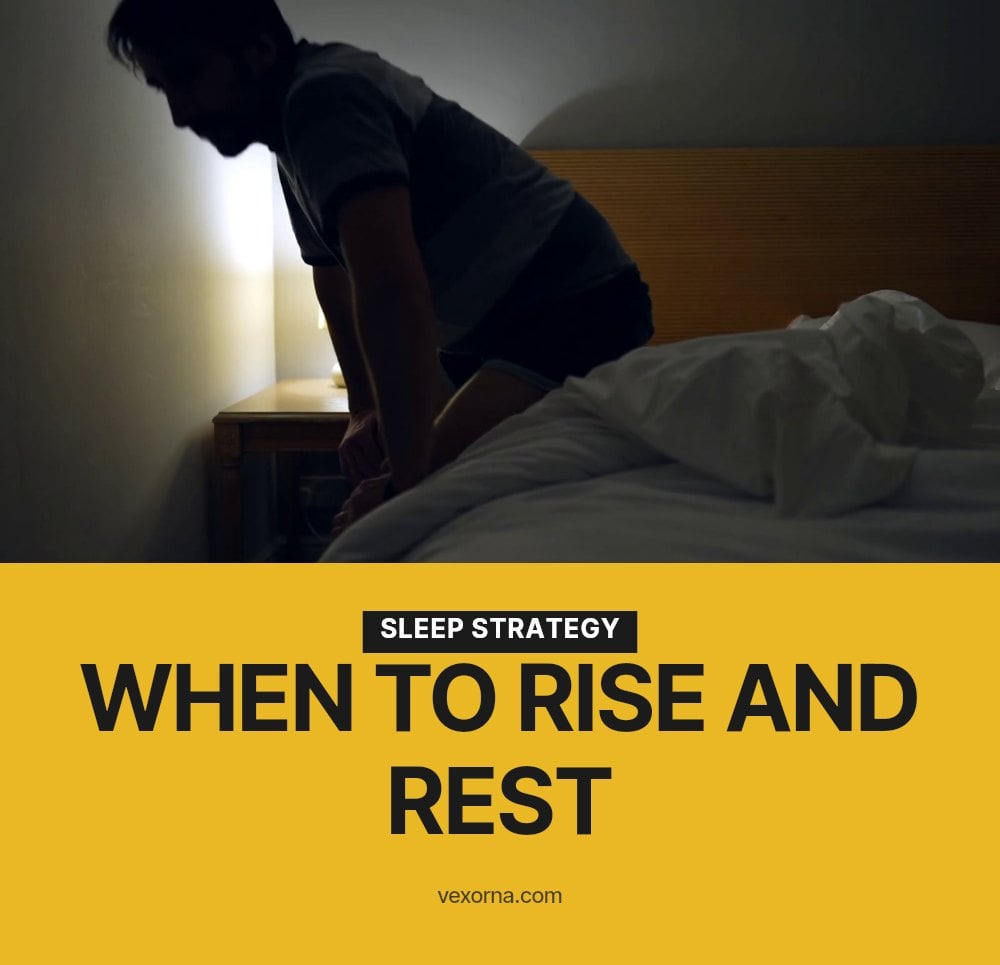
Get out of bed if you cannot sleep: Lying in bed awake for more than 20 minutes can create frustration and anxiety, which makes sleep even harder. Get up and move to another room for a quiet, relaxing activity like reading or listening to calm music. Return to bed only when you feel sleepy. Avoid checking the clock, as that can increase stress.
11. Expose Yourself to Natural Light
Expose yourself to natural light: Morning light is a powerful signal for your internal clock. Open your curtains or step outside within an hour of waking. This tells your body it is daytime and time to be alert. Consistent morning light exposure helps you feel sleepy at the right time in the evening.
When to See a Healthcare Professional
If you have been consistent with sleep hygiene for several weeks and still struggle to fall asleep, stay asleep, or feel rested during the day, it is time to talk to a healthcare professional. Persistent issues may point to an underlying sleep disorder such as insomnia or sleep apnea, or another medical condition that requires evaluation.
Do not turn to over-the-counter sleep aids or supplements without professional guidance. This is especially important if you take other medications or have existing health conditions, because interactions and side effects can be unpredictable.
Caution: Never drive or operate heavy machinery if you are severely sleep deprived. Your reaction time and judgment are impaired, and the risk of accidents is real.
Frequently Asked Questions
How long does it take for sleep hygiene to work?
Many people notice improvements in sleep quality within a few days to a few weeks of consistently applying sleep hygiene practices. However, long-term benefits require ongoing commitment. If you don’t see changes after several weeks of consistent effort, consider consulting a healthcare professional to rule out underlying issues.
Can naps affect my nighttime sleep?
Yes, naps can interfere with nighttime sleep, especially if they are too long or taken too late in the day. A short power nap of 20 to 30 minutes earlier in the afternoon, ideally before 3 p.m., can boost alertness without disrupting your sleep pressure. Pay attention to how naps affect your night’s sleep and adjust accordingly.
Is it bad to use my phone in bed?
Using your phone in bed is generally not recommended. The bright light, especially blue light from screens, can suppress melatonin production and keep your brain alert. Additionally, using your bed for activities other than sleep can weaken the mental association between bed and sleep. Try to keep screens out of the bedroom or at least put them away an hour before bedtime.
What is the ideal room temperature for sleep?
The ideal room temperature for sleep is around 60 to 67 degrees Fahrenheit (15 to 19 degrees Celsius). This cooler range helps your body lower its core temperature, which is a natural signal for sleep. If your bedroom is warmer or cooler than this, consider adjusting your thermostat or using bedding that helps regulate temperature.
Should I exercise before bed?
Regular physical activity during the day can improve sleep quality, but intense exercise too close to bedtime may be stimulating because it raises your heart rate and body temperature. It’s best to finish vigorous workouts at least a few hours before bed. Gentle stretching or yoga in the evening can be a relaxing alternative.
Final Thoughts
Improving your sleep hygiene is a gradual process, but the payoff is worth it. Start by picking one or two tips from this list and practicing them consistently for a few weeks. You may notice improvements in how easily you fall asleep and how rested you feel during the day. Remember, long-term benefits come from ongoing commitment, so be patient with yourself. If you still struggle after several weeks, it’s a good idea to talk to a healthcare professional for personalized guidance.
This article is for general informational purposes only and is not a substitute for professional medical advice. If you have persistent sleep problems or concerns about your health, consult a qualified healthcare provider or sleep specialist.