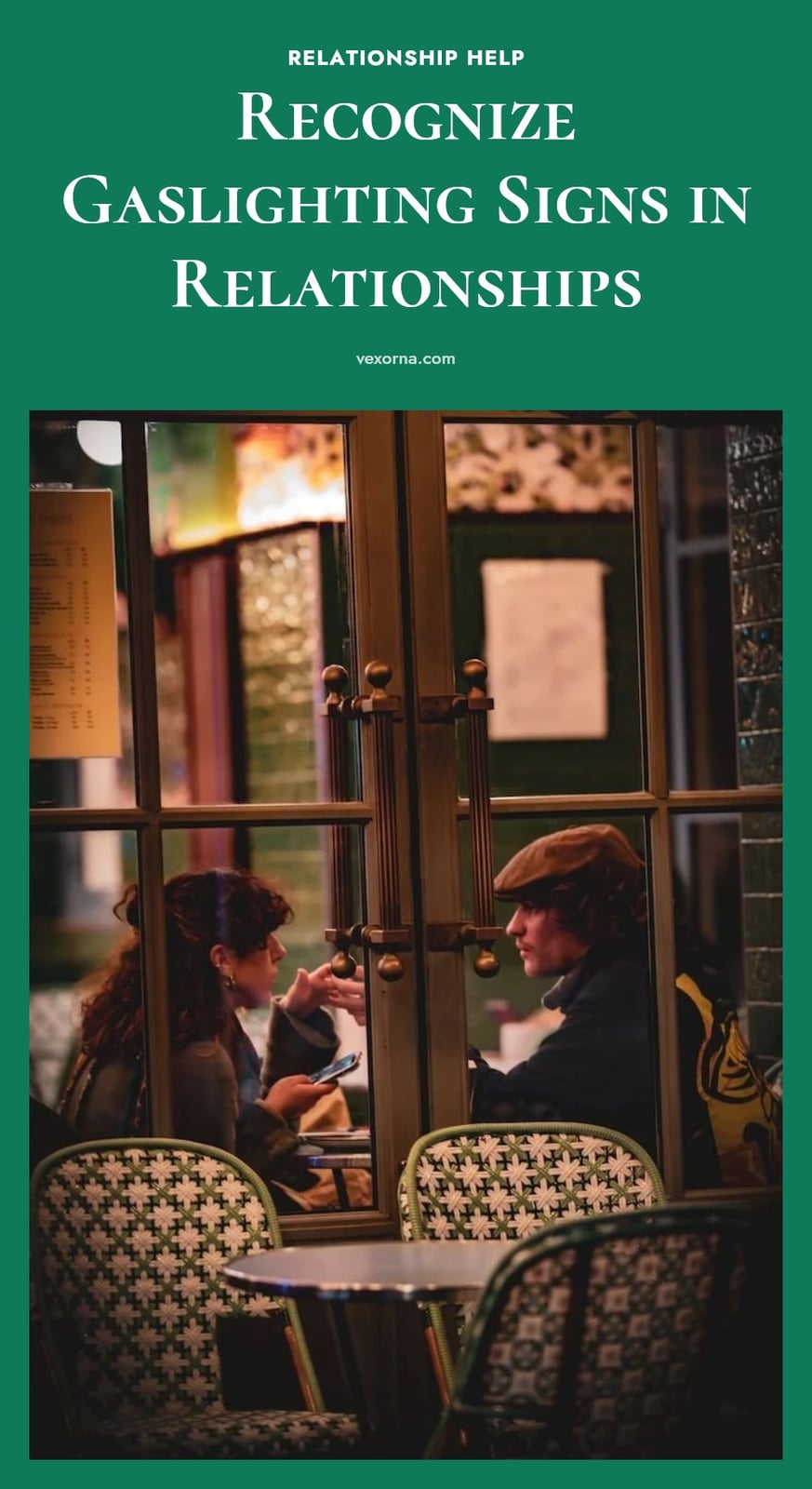
If you often feel confused, anxious, or like you’re walking on eggshells in a relationship, you might be experiencing gaslighting. This form of emotional abuse can make you question your own memory and sanity. In this article, I’ll walk you through the key signs to watch for, so you can start recognizing this harmful dynamic and take steps to protect yourself.
Key Takeaways
- Gaslighting is a pattern of emotional abuse that makes you doubt your own reality.
- Common tactics include denying events, twisting words, and minimizing your feelings.
- Trust your gut and keep a private journal to verify your memory of events.
- Talk to trusted friends, family, or a therapist rather than isolating yourself.
- Don’t try to win an argument with a gaslighter; they aren’t interested in the truth.
What is Gaslighting?
Gaslighting is a form of emotional abuse where someone systematically makes you question your own reality, memory, or sanity. It’s a gradual, insidious process that erodes your self-trust, leaving you confused, anxious, and dependent on the manipulator. I’ve seen how this can make even the most confident person doubt themselves. Recognizing the patterns of behavior is the first crucial step to addressing this harmful dynamic and starting to reclaim your sense of truth.
1. They Deny Events or Conversations

Your gut tells you something happened, but they insist it didn’t, or that you’re remembering it wrong. This is a common tactic to make you doubt your own perception and memory, creating a fog of confusion.
My tip: Start keeping a private journal of conversations and events. Write down what was said, when, and by whom. This gives you a concrete record to verify your memory when they try to deny reality.
2. They Twist Your Words
You say one thing, and they repeat it back to you completely distorted, making you sound irrational or malicious. This tactic makes you hesitate to express yourself, fearing misinterpretation and blame. It’s not about clarifying; it’s about control and undermining your communication. Over time, you may start second-guessing every word you speak.
3. They Minimize Your Feelings

Phrases like “You’re too sensitive,” “You’re overreacting,” or “It’s not a big deal” are common. This invalidates your emotional experience and teaches you to suppress your natural reactions. It makes you feel like your emotions are wrong or excessive, further eroding your self-worth. I’ve seen this leave people apologizing for having feelings at all.
4. They Blame You for Everything
No matter the situation, the fault always seems to land on you, even for things outside your control. A late bill, a bad mood, a lost item, somehow it all circles back to something you did or didn’t do. This shifts all responsibility onto you and lets them off the hook for their own role or mistakes.
I’ve seen this make people feel perpetually guilty and responsible for the gaslighter’s behavior. You start apologizing for things that aren’t your fault, just to keep the peace. Tip: Notice when blame lands on you for something you couldn’t have caused. That’s a red flag, not a reflection of your actual responsibility.
5. They Project Their Own Flaws
If they are insecure, they might call you insecure. If they are lying, they accuse you of lying. This is a defense mechanism called projection. They attribute their own negative traits to you so they don’t have to face them.
It’s deeply confusing because you’re being accused of things you know aren’t true for you, but are often true for them. You might find yourself defending against their flaws instead of addressing your own concerns. Caution: When an accusation feels oddly specific or doesn’t fit you at all, ask yourself if it actually describes them.
6. They Isolate You from Support

They may criticize your friends or family, make you feel guilty for spending time with others, or create drama around your social outings. The goal is to cut you off from anyone who might offer a different perspective or support.
This tactic makes you more dependent on them and less likely to hear outside voices that could help you see the situation clearly. Without those reality checks, their version of events becomes the only one you hear. My tip: Maintain your connections with trusted friends and family, even if it takes effort. They are your reality check and a lifeline when you start doubting yourself.
7. They Deny Promises or Agreements
You clearly remember a promise or agreement, a plan for the weekend, a commitment to change a behavior, but they deny it ever happened or claim you misunderstood. This makes you question your memory and trust in your own understanding of reality.
It’s a way to avoid accountability and maintain control over situations. If no agreement ever really existed, they can’t be held to it. Pro move: After important conversations, send a brief follow-up text or email summarizing what you understood. It creates a record you can both refer to later.
8. They Use Charm and Flattery

They might suddenly shower you with compliments, grand gestures, or intense affection after a period of manipulation. This makes you question whether they are really that bad and keeps you hoping for the good version of them. The inconsistency creates a confusing cycle of abuse and affection that is hard to break free from. You start to blame yourself for their bad behavior because they can be so wonderful sometimes.
9. You Constantly Apologize
You find yourself saying sorry constantly, even when you are not sure what you did wrong. This is a sign that you have internalized their blame and are trying to appease them to avoid conflict. It is a common response when you are repeatedly made to feel like everything is your fault. Pay attention to how often you apologize in a day, if it feels excessive, that is a red flag.
10. You Feel Confused and Anxious
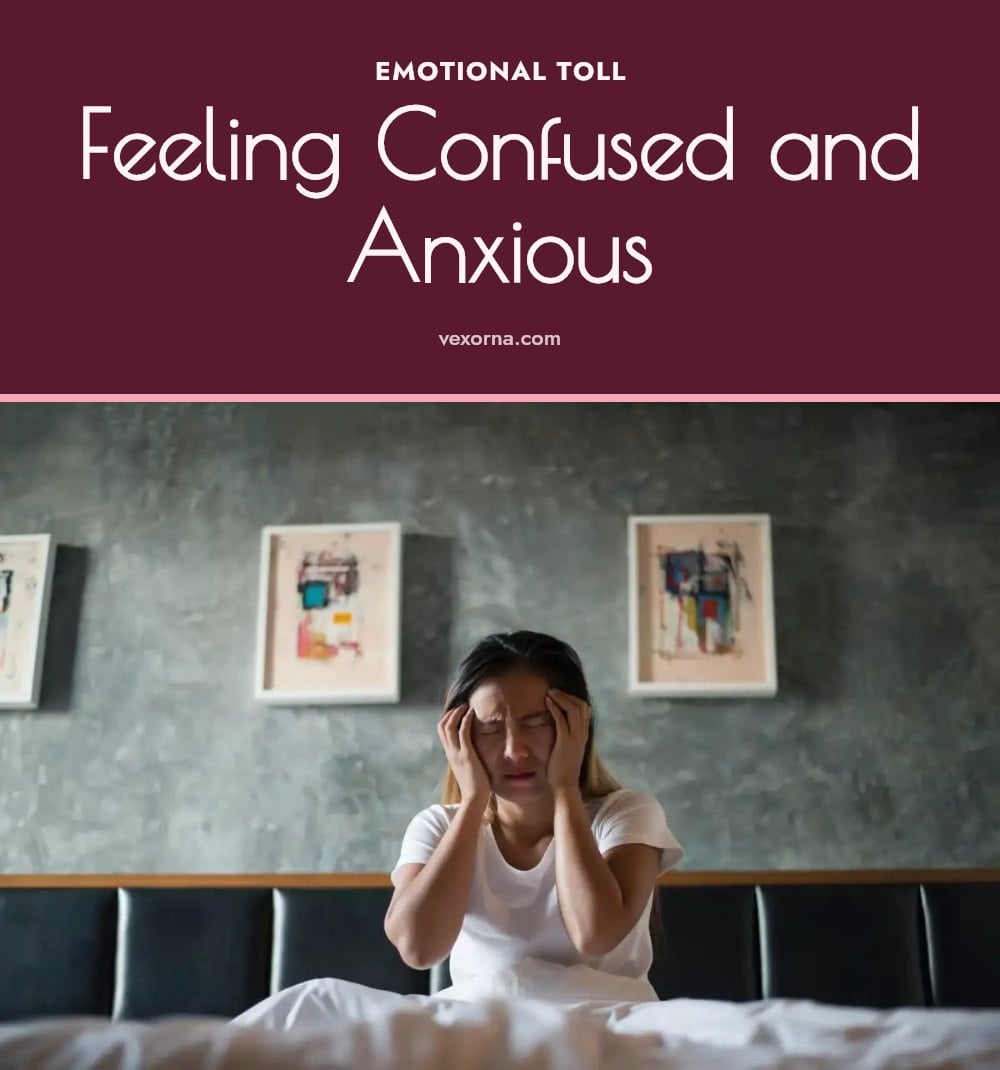
A pervasive sense of confusion, anxiety, and the feeling that you are going crazy are strong indicators of gaslighting. This is the direct result of having your reality constantly undermined. Trust your gut feeling when something feels off. It is often trying to tell you something important. Your intuition is a reliable guide even when your mind feels foggy.
11. Your Self-Esteem Has Plummeted
You have lost confidence in your abilities, decisions, and even your own identity. Gaslighting gradually erodes your sense of self-worth and independence. This is a significant sign that the relationship is causing deep psychological harm. If you no longer trust yourself to make simple choices or feel like you do not know who you are anymore, take that seriously.
Common Mistakes When Dealing with Gaslighting
When you are caught in a gaslighting dynamic, it is easy to fall into traps that only deepen the confusion. Here are the most common mistakes I see and what to do instead.
- Believing you are crazy or too sensitive: That is exactly what the gaslighter wants you to think. Your feelings are valid, and your perception matters. My advice: write down what happened so you can look back and trust your own memory.
- Trying to win an argument: Gaslighters are not interested in truth or resolution; they are interested in control. You will not win because the goal is to exhaust and confuse you. I recommend disengaging instead of trying to prove your point.
- Expecting them to change or apologize: They rarely acknowledge their behavior or offer sincere apologies, as that would undermine their control. Stop waiting for an admission of fault and focus on protecting your own well-being.
- Confusing it with simple misunderstandings: While disagreements happen, gaslighting is a pattern of intentional manipulation, not just a difference of opinion. If the same tactics keep repeating, it is not a misunderstanding.
- Isolating yourself: This plays right into their hands. Keep your support system close and talk to trusted friends or family. They can provide the reality check you need.
Frequently Asked Questions
Can gaslighting be unintentional?
While some people may use manipulative tactics without full awareness, gaslighting is typically a deliberate pattern of control. Even if unintentional, the impact on the victim is the same. If someone is making you question your reality, it’s important to address the behavior regardless of intent.
How do I respond to a gaslighter?
The safest response is to disengage from the argument. Avoid trying to prove your point, as the gaslighter isn’t interested in the truth. Set firm boundaries, such as saying, ‘I remember it differently, and I’m not going to discuss this further.’ Prioritize your well-being and seek support from a therapist.
What is the long-term impact of gaslighting?
Long-term gaslighting can lead to severe psychological harm, including loss of self-esteem, identity confusion, anxiety, and depression. It may also make it difficult to trust your own judgment in future relationships. Professional therapy is often necessary to recover from these effects.
Can men be victims of gaslighting?
Yes, men can be victims of gaslighting in any type of relationship, including romantic, familial, or professional. Gaslighting is about power and control, not gender. Anyone can experience this form of emotional abuse, and it’s equally harmful regardless of the victim’s gender.
Is gaslighting always a sign of narcissistic personality disorder?
Not necessarily. While gaslighting is common among people with narcissistic traits, it can be used by anyone who wants to control or manipulate another person. It is not a diagnostic criterion for any specific disorder. If you suspect a personality disorder, a mental health professional can provide an evaluation.
Final Thoughts
Recognizing gaslighting is the first step toward reclaiming your reality. If you see these signs in a relationship, my recommendation is to reach out to a therapist who specializes in emotional abuse. It can take time to rebuild self-trust, but with support, you can regain your confidence and clarity. Remember, you are not crazy, and you deserve to feel safe and respected.
This article is for informational purposes only and is not a substitute for professional mental health advice. If you are experiencing emotional abuse or feel unsafe, please contact a licensed therapist or a domestic violence hotline for support.