Shaping your nails at home can instantly upgrade your look, but the right shape isn’t one-size-fits-all. It depends on your finger length, nail bed shape, and how much length you’re working with. The good news is that with a few simple tools and the right technique, you can achieve a professional-looking shape without leaving your house.
This article walks you through choosing the best nail shape for your hands, the essential tools you need, step-by-step shaping instructions, and common mistakes to avoid. You’ll also find tips for keeping your nails strong and healthy between shaping sessions.
Key Takeaways
- Choose a nail shape that complements your finger length and nail bed shape.
- Always file nails when dry, from the outer edge toward the center.
- Use a fine-grit nail file for natural nails to prevent damage.
- Re-shape your nails every 1 to 2 weeks for maintenance.
- Moisturize cuticles daily and avoid cutting them to prevent infection.
Shaping Your Nails at Home for a Flawless Look
Shaping your nails at home starts with picking a shape that suits your finger length and nail bed shape. Then it is all about using the right tools and technique. Always file in one direction, from the outer edge toward the center, to prevent splitting and breakage. And here is a non-negotiable: your nails must be completely dry before you start. Filing wet nails causes tearing and peeling, so wait until they are bone dry.
Essential Tools for Perfect Nail Shaping
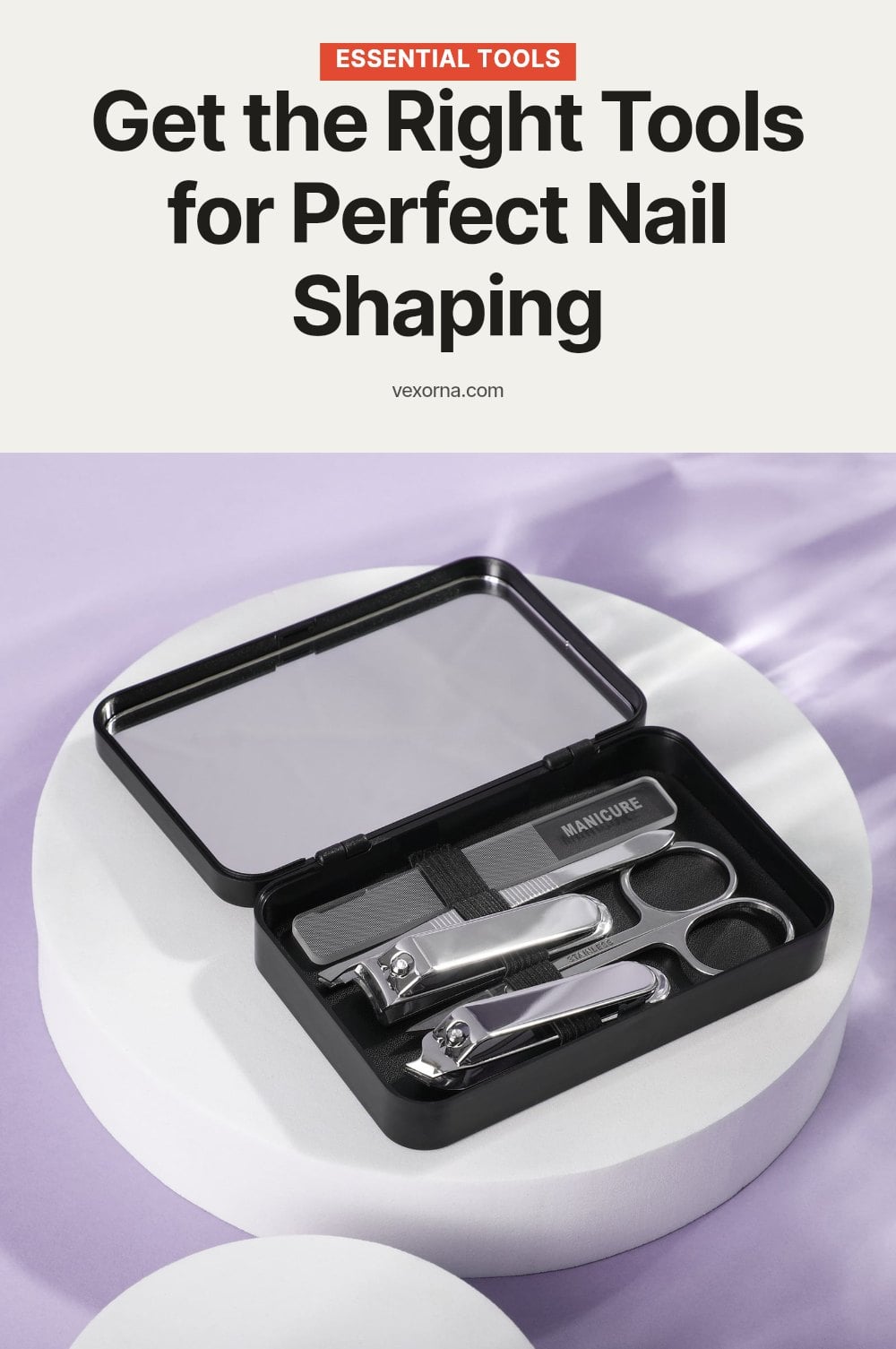
Having the right tools makes shaping easier and protects your nails. Here is what you need:
- Fine-grit nail file: This is the most important tool for natural nails. A fine grit files smoothly without causing damage or excessive abrasion.
- Nail clippers: Use these to trim significant length before filing. It saves time and reduces stress on the nail.
- Cuticle pusher: A wood or rubber pusher gently pushes back cuticles after a shower. Never cut cuticles, as that can lead to infection.
- Hand cream or cuticle oil: Hydrating after shaping keeps cuticles and nails healthy and prevents dryness.
Finding Your Best Nail Shape: A Guide to Popular Styles
Finding Your Best Nail Shape: A Guide to Popular Styles
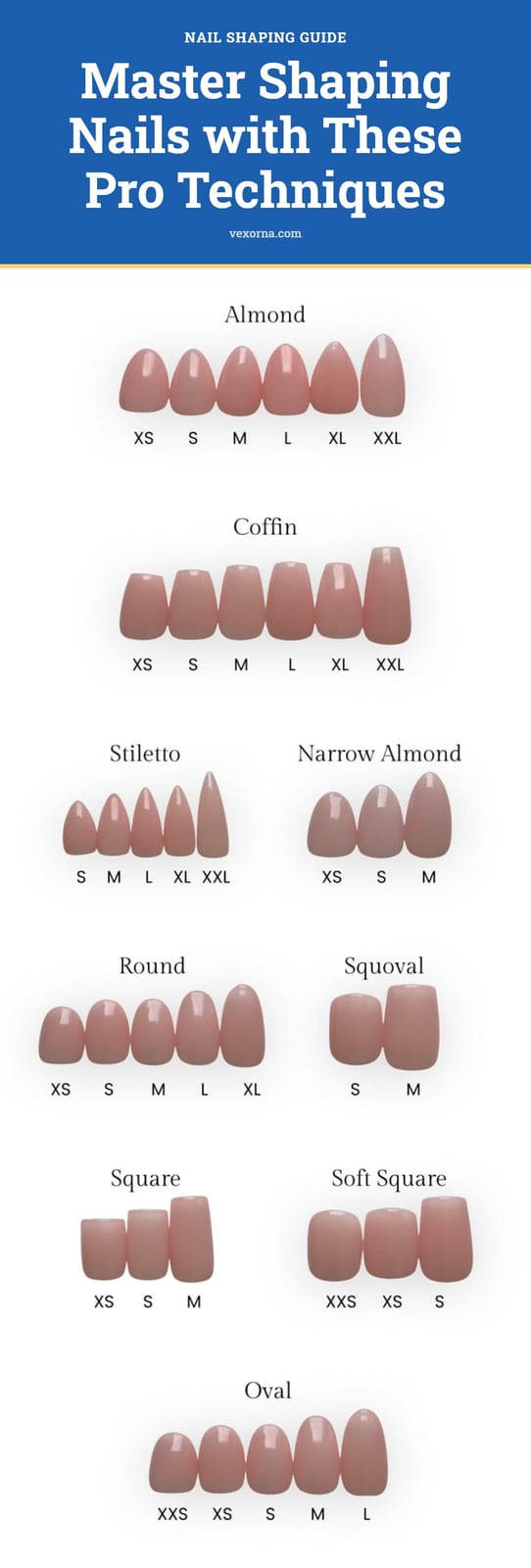
The natural shape of your nail bed and the length of your fingers are key to choosing a flattering nail shape. Square nails are strong and less prone to breakage, making them a good match for wider nail beds. Oval and almond shapes soften the look of wider nail beds and can make fingers appear longer and more slender. Round nails are a low-maintenance option that follows the natural curve of your fingertip. Coffin (or ballerina) and stiletto shapes require longer nails or nail extensions to achieve the tapered, dramatic look. Consider your daily activities and how much length you can comfortably maintain.
Step-by-Step: How to Shape Your Nails Like a Pro
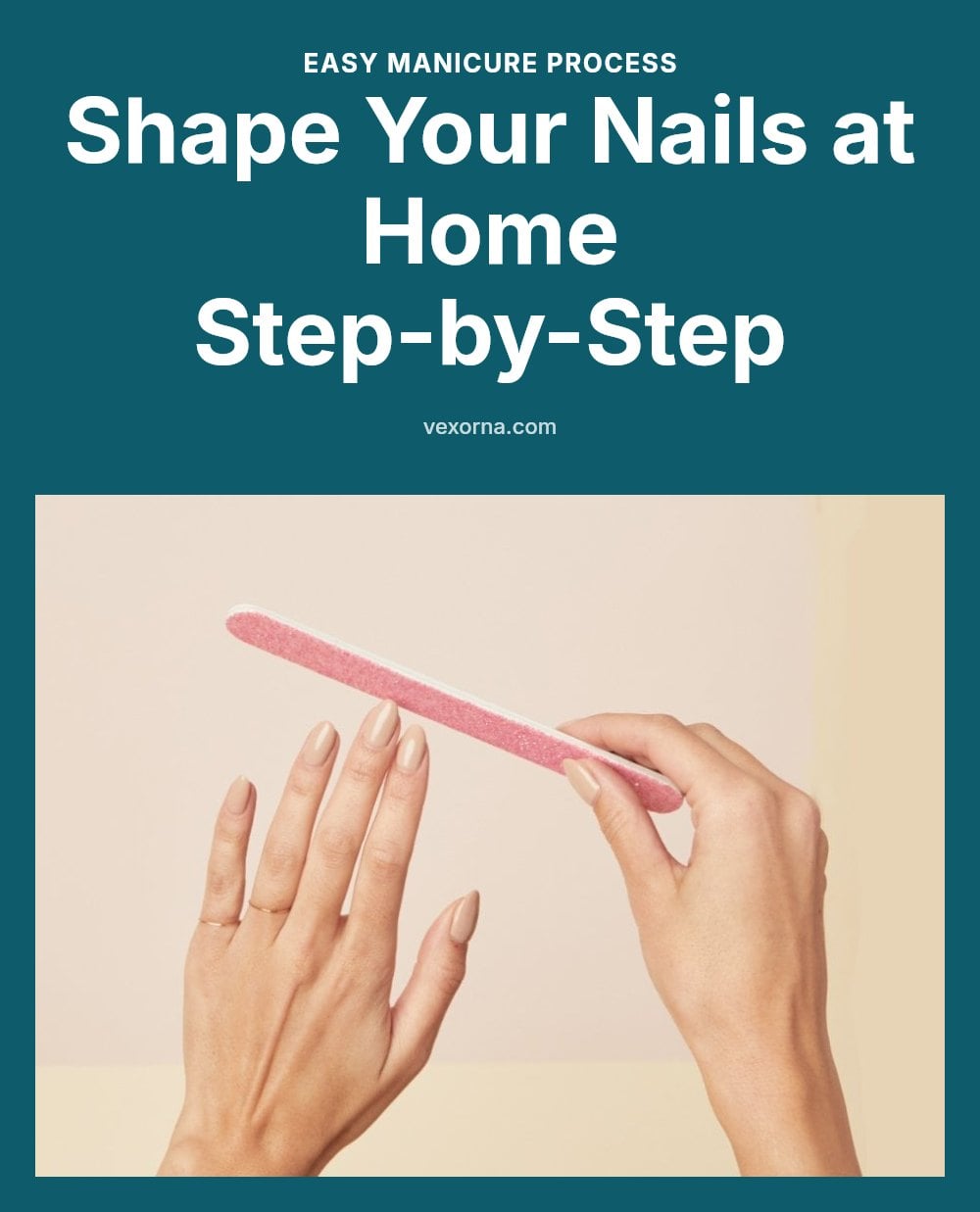
Follow these steps for a professional-looking shape at home.
- Start dry: Ensure your nails are completely dry. Filing wet nails leads to peeling and tearing.
- Trim length: Use nail clippers to reduce length if needed, but leave a little extra to refine with the file.
- File in one direction: Hold the file at a slight angle and file from the outer edge toward the center. Never saw back and forth, as that causes fraying and splits.
- Refine the shape: Work gradually, checking symmetry every few strokes. Focus on one side, then match the other.
- Smooth and buff: Use a fine-grit file to smooth any rough edges. Then gently buff the nail surface for a natural shine. Buff sparingly to avoid thinning the nail plate.
- Moisturize: Finish by massaging cuticle oil or hand cream into your cuticles and hands. This locks in hydration and keeps nails flexible.
Common Nail Shaping Mistakes and How to Avoid Them
Filing wet nails: Always file when nails are completely dry. Wet nails are soft and prone to peeling, tearing, and splitting.
Using a sawing motion: Never saw back and forth. File in one direction, from the outer edge toward the center, to keep the nail edge smooth and strong.
Ignoring nail bed shape: Your nail bed has a natural curve. Choose a shape that follows it, like round or oval for curved beds, squoval for straighter ones.
Over-buffing: Buffing removes thin layers of the nail plate. Do it only once a month or less, just enough to smooth ridges and add a natural shine.
Filing too deeply into sides: Cutting into the sidewalls weakens the nail and invites breakage. Keep the file parallel to the nail edge and stop before you reach the skin.
Expert Tips for Stronger, Healthier Nails

Moisturize regularly: Apply cuticle oil or hand cream every time you wash your hands. Hydrated nails are less brittle and less likely to chip.
Gentle cuticle care: Push back cuticles gently when the skin is soft. Never cut them; cutting creates openings for bacteria and can lead to infection.
Clean tools: Wipe your nail file, clippers, and buffer with rubbing alcohol before and after each use. Dirty tools transfer bacteria and fungus.
Listen to your nails: If filing or buffing causes pain, stop. Pain signals that you are pressing too hard or filing too deep. Let the nail rest for a few days.
Maintaining Your Beautifully Shaped Nails
Re-shape your nails every 1-2 weeks to keep them balanced and prevent snags. As your nails grow, the shape shifts, so a quick file session maintains the original line.
Hydrate cuticles daily between shaping sessions. Dryness leads to peeling and hangnails, which can ruin the look of a fresh shape.
Re-evaluate your chosen shape every few months. Nail beds and finger length don’t change, but your preferences and nail strength might. A shape that worked in winter may not suit summer growth.
When to Seek Professional Help for Nail Concerns
See a healthcare professional if you notice redness, swelling, pus, or severe pain around your nails. These are signs of an infection that needs treatment, not home care.
Seek advice for nail damage that does not improve with gentle shaping and moisturizing. Persistent splitting, discoloration, or ridges may indicate an underlying issue.
If you are unsure about the best shape for a specific nail condition, such as brittle or peeling nails, a dermatologist or nail technician can give personalized guidance.
Frequently Asked Questions
How often should I shape my nails?
You can shape your nails as needed, but for most people, every 1 to 2 weeks works well. This keeps the shape balanced and prevents snags as your nails grow. If you notice the shape shifting or edges becoming rough, it’s time for a quick file session.
Can I change my nail shape dramatically?
Yes, but it depends on your current length and nail bed shape. For example, coffin and stiletto shapes typically require longer nails or extensions. If you want a dramatic change, consider growing your nails first or consult a professional for guidance.
What if my nails keep breaking after shaping?
If your nails keep breaking, it might be a sign that the shape is too weak for your nail type or that you’re filing too aggressively. Try a squarer shape, which is generally stronger. Also, ensure you’re moisturizing regularly and not over-buffing, as that can thin the nail plate.
Is it better to file or clip nails?
Clipping is useful for reducing length quickly, but filing is better for shaping and smoothing edges. For natural nails, use a fine-grit file and always file in one direction. Clipping can cause micro-tears if done on wet nails, so always trim dry nails and leave a little extra to refine with the file.
How do I choose the best nail shape for my short fingers?
If you have short fingers, oval and almond shapes can make them appear longer and more slender. These shapes elongate the finger visually. Avoid very wide shapes like square, which can make fingers look shorter. Consider your nail bed shape as well for the most flattering result.
Final Thoughts
For most people, the best approach is to start with a shape that feels natural and suits your daily activities. If you’re unsure, try a square or oval shape first, as they are versatile and generally flattering. Remember that your nails grow and change, so don’t be afraid to experiment gradually.
Expect to re-shape every 1 to 2 weeks to maintain the look, and you’ll see immediate results after each filing session. With consistent care and the right technique, you can enjoy healthy, beautifully shaped nails at home.