If your partner often pulls away when you try to get closer, you might be dealing with avoidant attachment. This relationship style is marked by a strong need for independence and discomfort with emotional intimacy. In this article, I’ll walk you through what avoidant attachment is, why it develops, and practical strategies to improve communication and trust without pushing them further away.
Key Takeaways
- Understand the root: Avoidant attachment often stems from childhood emotional neglect, not a lack of love for you.
- Communicate calmly: Use “I” statements and avoid blame to keep conversations from triggering their defensiveness.
- Respect their space: Their need for independence is a core value, not a personal rejection of you.
- Build trust slowly: Be consistent and offer gentle reassurance to reduce their fear of being overwhelmed.
- Know when to get help: Seek couples therapy if the dynamic causes ongoing distress or emotional harm.
Understanding Avoidant Attachment in Relationships
Avoidant attachment is a relationship style where a person prioritizes independence and feels uneasy with emotional closeness. It often develops from childhood experiences where emotional needs weren’t consistently met, leading to a fear of being overwhelmed or controlled in relationships. Dealing with an avoidant partner means understanding their need for space, communicating without demanding intimacy, and focusing on building trust and security over time. This isn’t a personality flaw, but a learned coping style that shapes how they connect.
Why Avoidant Attachment Develops
Roots in Early Childhood
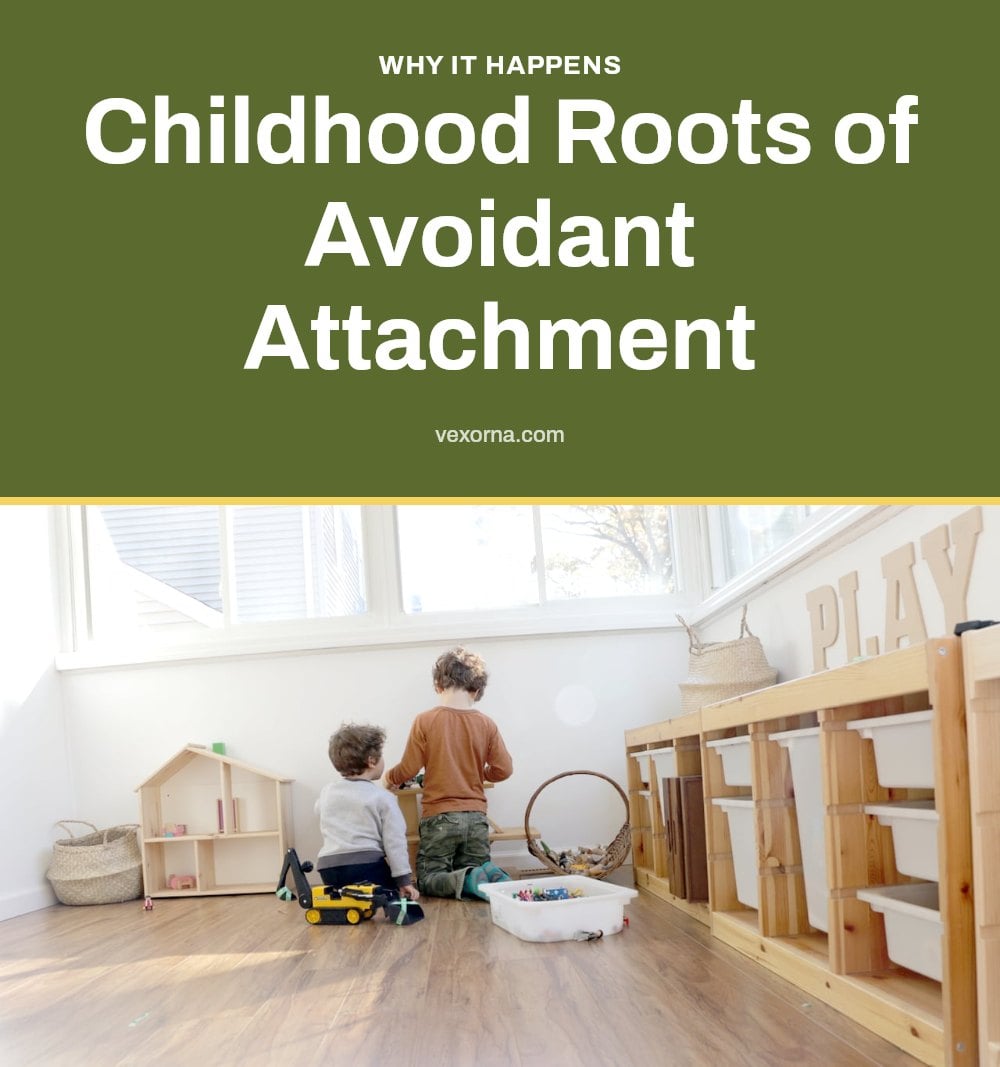
Avoidant attachment often begins in childhood when caregivers are consistently unresponsive or dismissive of emotional needs. A child who cries and is ignored, or who is told to “toughen up,” quickly learns that expressing feelings doesn’t bring comfort. To cope, they suppress emotions and become self-reliant, concluding that depending on others is unsafe.
This early adaptation carries into adulthood. The person develops a deep-seated value of independence and discomfort with vulnerability. When a partner asks for emotional closeness, it can feel like a threat to their autonomy. The fear of being overwhelmed or controlled is a core driver of avoidant behaviors, like pulling away or minimizing feelings.
How It Shows Up
- Reluctance to commit: They may hesitate to define the relationship or make long-term plans.
- Discomfort with physical intimacy: They might avoid cuddling or sex that feels too emotionally charged.
- Creating distance: They might focus on your flaws or throw themselves into work or hobbies to maintain space.
Effective Communication Strategies with an Avoidant Partner
Talk Without Triggering Defensiveness
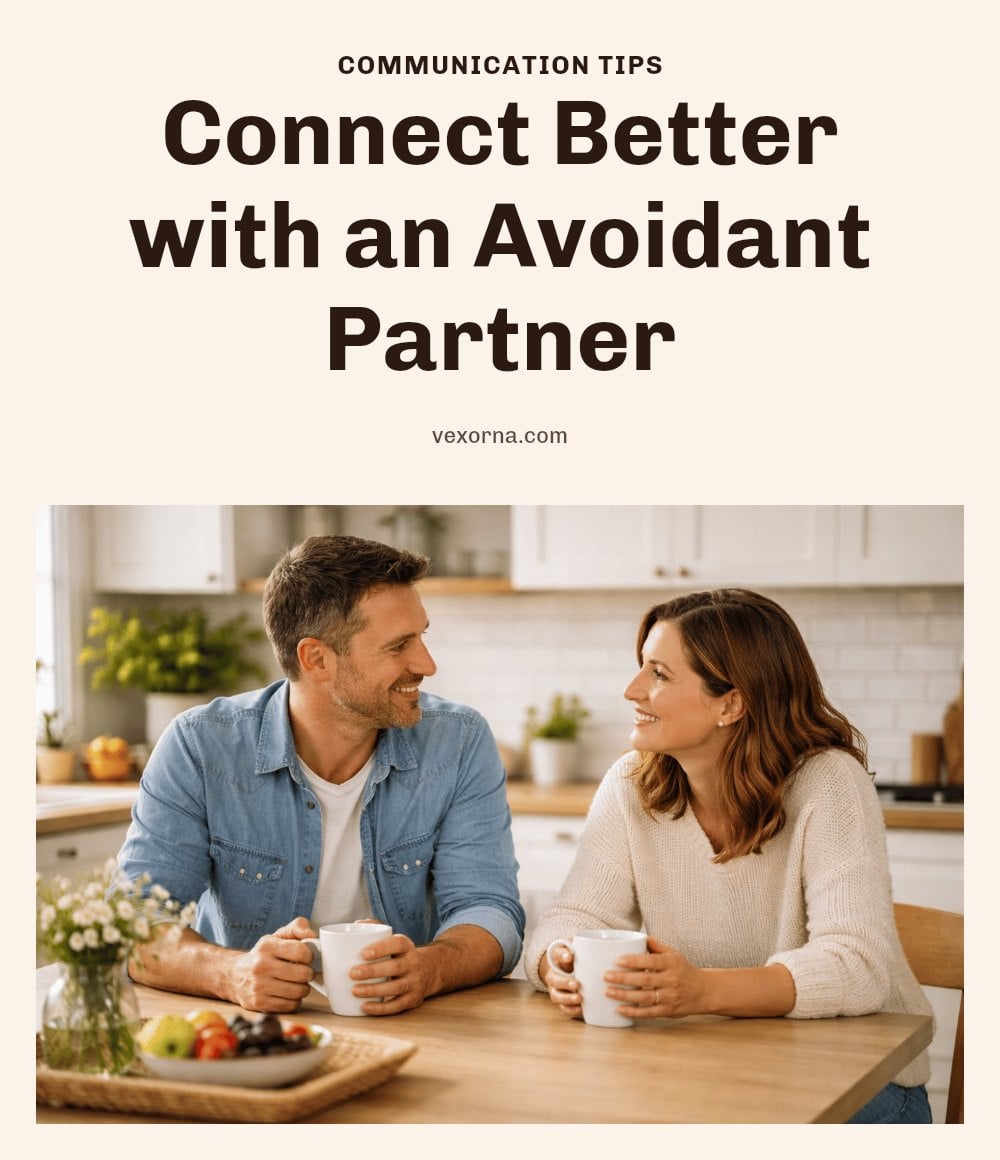
When you need to discuss something important, choose a calm moment and use “I” statements. Instead of “You never open up,” say “I feel lonely when we don’t share much about our days.” This reduces blame and keeps the conversation from feeling like an attack. Keep your tone even and your words concise. Avoid emotional outbursts, which can cause them to shut down further.
Give them space to respond on their own terms. After you’ve expressed your need, let it sit. You might say, “I’d love to hear your thoughts whenever you’re ready.” Pressing for an immediate answer can feel like pressure, and they may withdraw.
Build Trust Gradually
Trust grows through consistency, not grand gestures. Show up reliably, keep your promises, and respect their boundaries. Over time, they’ll see that closeness doesn’t have to mean losing control. Meanwhile, engage in activities that don’t demand intense emotional intimacy. Shared hobbies, like hiking or cooking, allow you to connect through doing rather than talking. This takes the pressure off and builds positive associations.
My tip: Try a low-key weekly ritual, like making coffee together on Sunday mornings. It’s a small, predictable moment of connection that doesn’t require deep conversation.
Above all, avoid chasing or demanding intimacy. The more you push, the more they’ll pull away. Instead, focus on creating a safe, steady environment where they can approach you at their own pace.
Understanding Their Need for Space and Independence
For someone with avoidant attachment, independence isn’t just a preference, it’s a core value. They see self-sufficiency as a strength and may pride themselves on not needing others. This isn’t about you or how much they care. Their need for space is a deeply ingrained coping mechanism to manage emotional intensity and maintain a sense of control. When they pull away, it’s often to protect themselves from feeling overwhelmed, not to reject you.
Recognizing this as part of their attachment style can help you avoid taking it personally. Instead of interpreting their distance as a lack of love, remind yourself that their behavior is about their internal wiring. This shift in perspective allows you to respond more constructively, with patience rather than hurt.
Common Pitfalls When Dating an Avoidant Partner
Chasing Intimacy: Trying to force emotional closeness often backfires, pushing an avoidant partner further away. Instead, let them set the pace for deeper connection.
Taking it Personally: Interpreting their need for space as a personal rejection can lead to hurt and resentment. Remember, it’s a coping mechanism, not a reflection of your worth.
Becoming Overly Anxious: Responding to their avoidance with clinginess or anxiety creates a negative cycle that reinforces their need for distance. Stay calm and give them room.
Neglecting Your Own Needs: Focusing solely on ‘fixing’ the relationship or accommodating them can lead to ignoring your own boundaries and well-being. Maintain your own life and priorities.
Expecting Overnight Change: Addressing avoidant attachment is a long-term process. Believing it will change without consistent effort from both sides is a common mistake. Patience is key.
Cultivating Trust and Security in Your Relationship
Be Consistent: Show up reliably and follow through on your promises to build a foundation of trust. Predictability helps reduce their fear of being overwhelmed.
Offer Reassurance: Gently remind them that you value their independence while also valuing your connection. A simple “I’m here when you’re ready” can go a long way.
Respect Boundaries: Honor their need for personal space and don’t push for more intimacy than they are comfortable with at a given moment. Let them come to you.
Practice Self-Care: Maintain your own independence, hobbies, and social life to avoid becoming overly reliant on your partner for emotional fulfillment. A balanced you supports a balanced relationship.
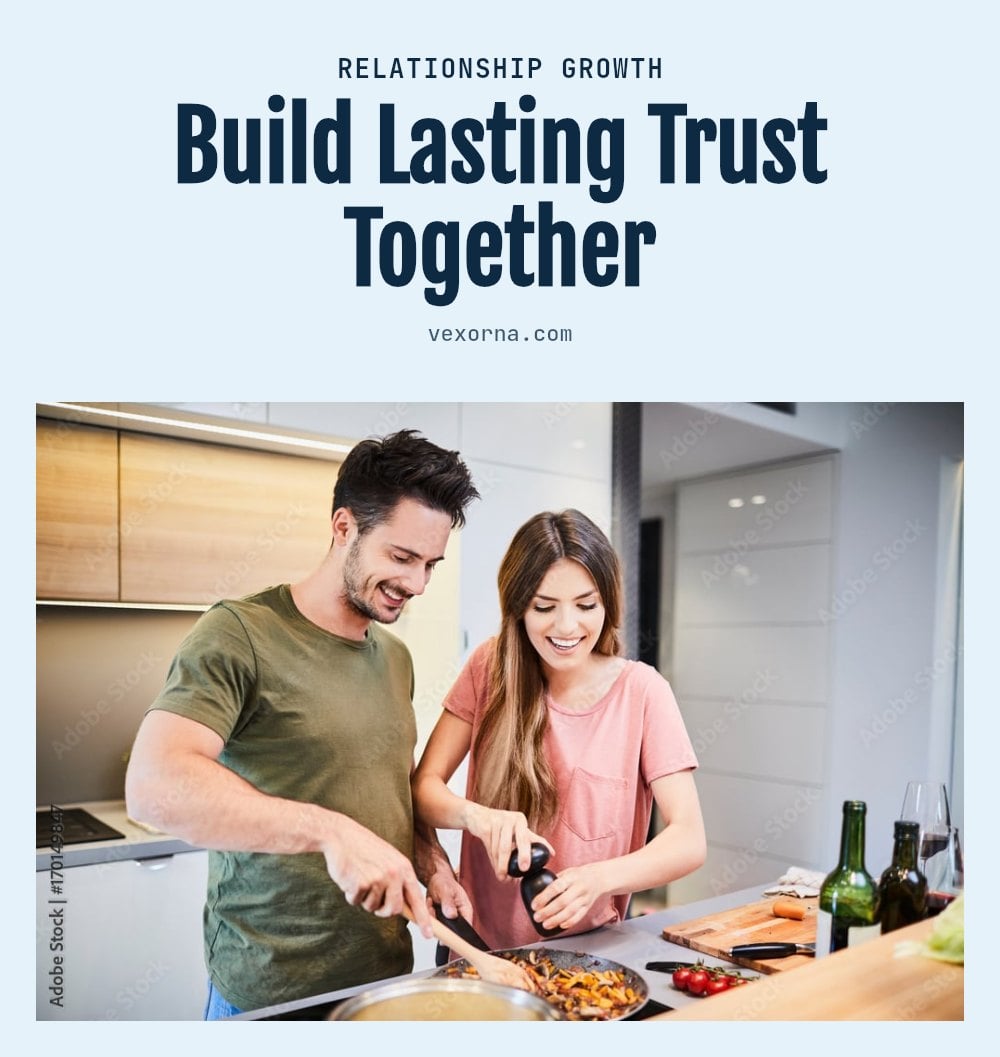
Focus on Shared Experiences: Create positive memories through activities that don’t demand intense emotional vulnerability, like hiking, cooking, or watching a series. Connection builds through shared joy.
When to Seek Professional Support
If the relationship consistently causes significant emotional distress, anxiety, or feelings of worthlessness for either partner, it’s important to seek support. If an avoidant partner’s behaviors become emotionally abusive or neglectful, prioritizing your own well-being and safety is paramount.
Consider individual therapy to process your feelings and develop coping strategies, or couples therapy if both partners are willing to work on the relationship. A therapist, particularly one specializing in attachment-based therapy, can provide guidance and tools for navigating these complex dynamics.
The Journey of Changing Attachment Styles
Addressing and shifting attachment patterns is a long-term process, requiring consistent effort and patience from both partners. Improvements in communication and connection can begin to show over several months, but deeper changes may take longer. The ‘cost’ involves emotional investment and, if applicable, financial investment in therapy, which can range widely depending on location and therapist experience.
Frequently Asked Questions
Can an avoidant partner ever truly commit?
Yes, many avoidant partners can commit over time, especially when they feel safe and not pressured. Commitment may look different for them; it often involves showing up consistently rather than grand romantic gestures. With patience, trust-building, and sometimes professional help, they can form a secure, lasting bond.
How do I know if my partner is avoidant or just needs space?
Everyone needs space sometimes, but avoidant attachment is a pattern of consistently pulling away from emotional closeness, especially during conflict or intimacy. If your partner repeatedly withdraws, avoids deep conversations, or seems uncomfortable with your emotional needs, it may be avoidant attachment. A therapist can help you distinguish the two.
What if my avoidant partner refuses to go to therapy?
You can’t force them to go, but you can lead by example. Start individual therapy for yourself to understand your own reactions and set healthy boundaries. Sometimes when a partner sees your growth, they become more open to joining you later. Avoid ultimatums, as they often trigger more withdrawal.
Is it possible to have a happy relationship with an avoidant partner?
Absolutely. Many couples build fulfilling relationships by respecting each other’s needs for independence and closeness. The key is open communication, realistic expectations, and both partners being willing to grow. With time, trust, and possibly professional support, you can create a secure bond that honors both your needs.
Final Thoughts
The key to dealing with an avoidant partner is to balance understanding their need for space with honoring your own emotional needs. Realistic improvements in communication and connection often take several months of consistent effort from both sides. If the relationship feels safe and both partners are willing to work on it, a happy partnership is absolutely possible.
This article provides general information about avoidant attachment in relationships and is not a substitute for professional mental health advice. If you or your partner are experiencing significant emotional distress, anxiety, or a sense of worthlessness, please consult a licensed therapist or counselor for personalized support.