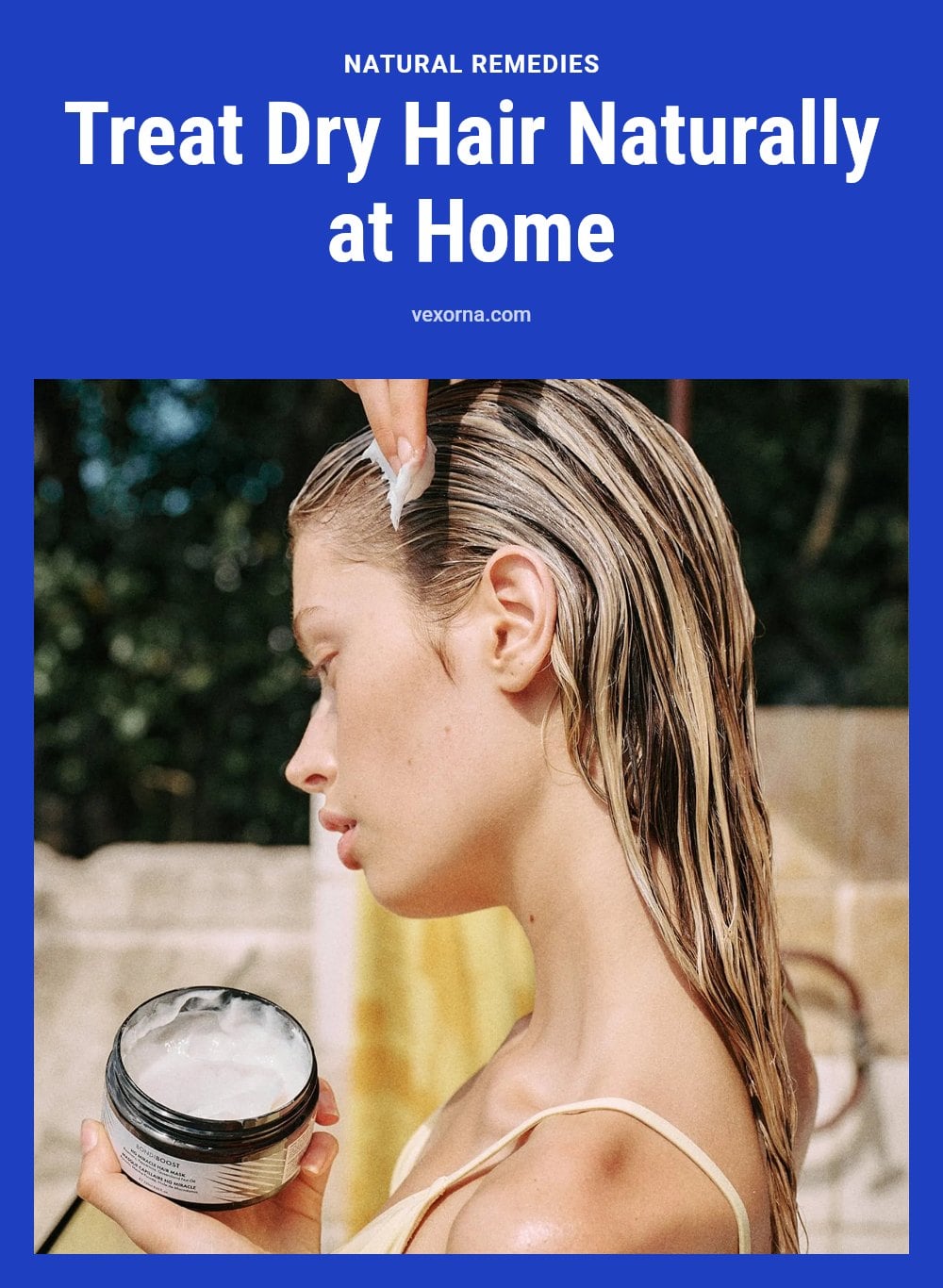
If your hair feels rough, looks dull, or breaks easily, it’s likely crying out for moisture. Dry hair happens when the outer cuticle lifts, letting precious moisture escape. The good news? You can restore softness and shine right at home with simple, natural ingredients.
This article walks you through the causes of dryness, the best natural remedies to rehydrate your strands, and daily habits that lock in moisture for good.
Key Takeaways
- Deep condition once or twice a week to replenish lost moisture.
- Apply coconut, olive, or argan oil to seal the cuticle.
- Wash every 2-3 days or less to avoid stripping natural oils.
- Rinse with cool water after conditioning to lock in moisture.
- Expect visible improvement after several weeks of consistent care.
How to Effectively Treat Dry Hair at Home
Dry hair needs moisture restoration and retention. Deep condition once or twice a week and apply natural oils like coconut or argan to seal the cuticle. Gentle care matters: skip harsh chemicals, limit heat styling, and always use a heat protectant. Protect the outer layer to stop moisture from escaping.
Why Your Hair Becomes Dry and Brittle
What Causes Dry Hair
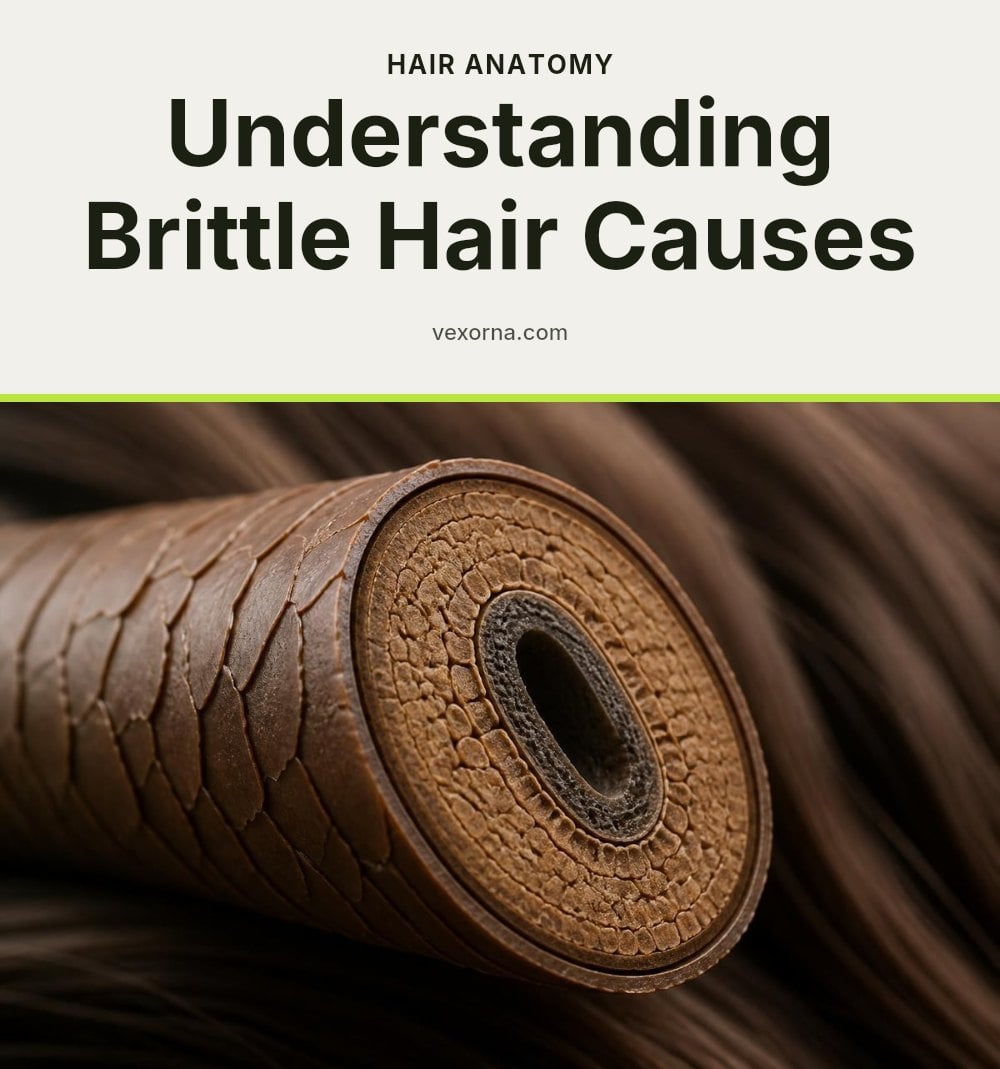
Your hair’s outer layer, the cuticle, normally lies flat to trap moisture. When it lifts, moisture escapes, leaving hair rough and brittle. This lifting can happen for several reasons.
Your scalp produces sebum, a natural oil that moisturizes hair. If sebum production is low, hair lacks its built-in conditioner. Over-washing strips these oils, and frequent heat styling damages the cuticle further.
Chemical treatments like coloring, perms, and relaxers weaken hair, making it prone to dryness. Environmental factors, such as sun, wind, and dry air, also dehydrate strands.
- Cuticle damage: lifts and lets moisture out.
- Low sebum: leaves hair without natural moisture.
- Over-washing: removes protective oils.
- Heat styling: damages the cuticle.
- Chemicals and environment: add to dehydration.
Your Essential Toolkit for Hydrating Dry Hair
Stock your hair care kit with these hydrating ingredients:
- Natural oils: coconut, olive, argan, or jojoba seal in moisture.
- Shea butter: provides intense conditioning and retains moisture.
- Aloe vera gel and honey: act as humectants, drawing water into the hair.
- Avocado and egg yolks: deliver protein and healthy fats for DIY masks.
Effective Natural Remedies for Dry Hair
Natural Remedies to Try at Home
These remedies use common ingredients to restore moisture and improve texture. Always patch test new ingredients on a small skin area first.
Pre-Shampoo Oil Treatment
Warm 2-3 tablespoons of coconut or olive oil. Massage into your scalp and through your lengths. Leave for 20-30 minutes, then shampoo as usual. This seals the cuticle and reduces moisture loss.
Tip: For intense conditioning, leave the oil on overnight with a shower cap, then wash in the morning.
Avocado and Honey Mask
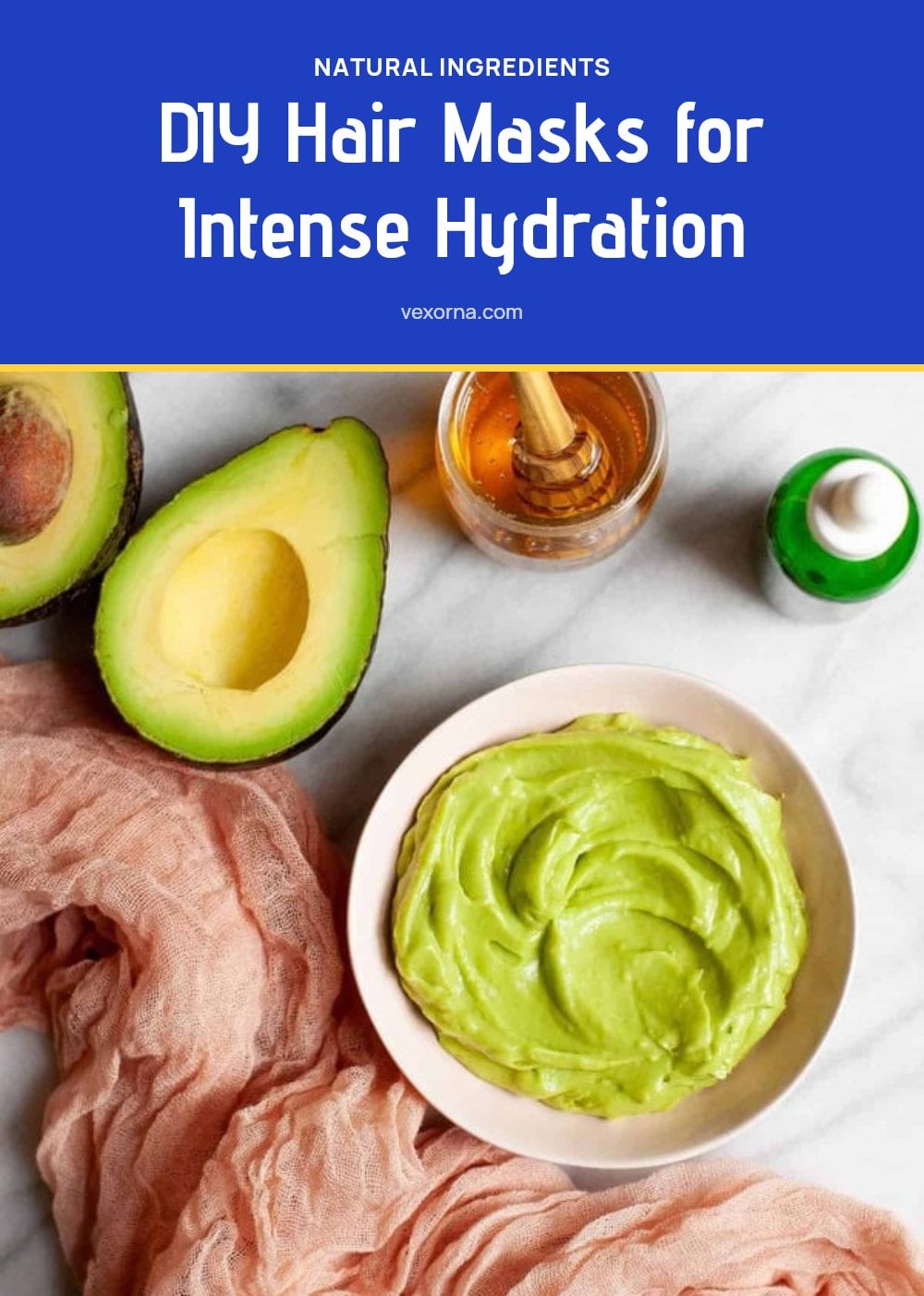
Mash half a ripe avocado with 1 tablespoon of honey. Apply to damp hair, focusing on the ends. Leave for 20-30 minutes, then rinse thoroughly with cool water. Avocado provides healthy fats, while honey attracts moisture.
Caution: Cool water helps close the cuticle and avoids leaving residue.
Egg Yolk and Olive Oil Mask
Mix 1 egg yolk with 2 tablespoons of olive oil. Apply to your hair, avoiding the scalp if you prefer. Leave for 20 minutes, then rinse with cool water to prevent the egg from cooking. This adds protein and moisture.
Pro move: Add a few drops of lemon juice to cut any egg smell.
Apple Cider Vinegar Rinse
Dilute 1-2 tablespoons of apple cider vinegar in 1 cup of water. After conditioning, pour it over your hair, leave for 1-2 minutes, then rinse with cool water. This closes the cuticle and adds shine.
Caution: Do not use undiluted vinegar; it can irritate your scalp.
Common Mistakes When Treating Dry Hair (and How to Fix Them)
Over-washing strips natural oils, so wash every 2-3 days or less. Always follow shampoo with conditioner, and deep condition weekly. Heat tools damage the cuticle; always apply a heat protectant and limit use. Detangle wet hair gently from ends first when damp, not soaking wet. Ignoring diet and hydration affects hair health; eat a balanced diet and drink plenty of water.
Preventing Dry Hair: Daily Habits for Lasting Moisture

Swap your regular shampoo for a gentle, sulfate-free formula. Sulfates are detergents that strip natural oils, so choosing a milder cleanser keeps your scalp’s sebum working for you. Pair it with a matching conditioner to lock in moisture after every wash.
Rinse with cool or lukewarm water instead of hot. Hot water lifts the cuticle and lets moisture escape, while a cooler rinse helps the cuticle lie flat and seal in hydration. Finish your shower with a quick cold blast on your hair.
Shield your hair from the sun with a hat or a UV-protective spray, especially between 10 a.m. and 4 p.m. UV rays break down the hair’s protein structure, leading to dryness and dullness. Wind and dry air also pull moisture out, so cover up in harsh weather too.
Trim split ends every 6 to 8 weeks. Split ends travel up the shaft, causing further breakage and moisture loss, so regular trims keep the ends sealed and the hair looking healthy.
Pro move: Sleep on a silk or satin pillowcase. Cotton creates friction that roughens the cuticle and wicks moisture away, while silk lets hair glide and keeps hydration intact overnight.
What to Expect: Timeline and Investment for Dry Hair Treatment
Natural remedies cost little since they use kitchen ingredients like avocado and honey or affordable oils such as coconut and olive. Deep condition once or twice a week for best results. You might notice a softer texture after just a few treatments, but significant improvement typically takes several weeks to a few months. My tip: stick with it for the long haul to see real change.
When to Consult a Professional for Dry Hair Concerns
If your hair is severely dry or you are also losing noticeable amounts of hair, see a dermatologist. Home remedies can take weeks to months, but if you see no improvement after consistent application, professional products or treatments may be needed. Caution: Dryness that persists despite good care can signal an underlying issue like a thyroid condition or nutritional deficiency. A doctor can run tests to find the real cause.
Frequently Asked Questions
How often should I deep condition dry hair?
For dry hair, deep condition once or twice a week. This frequency replenishes moisture without overloading your strands. If your hair is extremely parched, you can temporarily increase to two times weekly, but watch for buildup. Adjust based on how your hair responds.
Can diet really affect hair dryness?
Yes, a balanced diet supports hair health from the inside. Omega-3 fatty acids, vitamins, and protein help nourish hair follicles and maintain moisture. While diet alone won’t cure severe dryness, it complements your topical care routine for better overall results.
Is it bad to wash dry hair every day?
Daily washing can strip your scalp’s natural oils, worsening dryness. Try to wash every 2-3 days or less. If you must wet your hair daily, use a gentle, sulfate-free shampoo and follow with a conditioner to minimize moisture loss.
What oils are best for extremely dry hair?
Heavier oils like coconut and olive are excellent for sealing in moisture, while argan and jojoba are lighter and absorb quickly. For intense dryness, coconut or olive oil work well as a pre-shampoo treatment. Always patch test first.
How long does it take to see results from natural remedies for dry hair?
Results vary, but consistent application over several weeks to a few months is typically needed. You might notice softer texture after a few treatments, but significant improvement in moisture and strength takes time. Stick with your routine for at least a month before judging.
Final Thoughts
Your best move is to start with a weekly deep conditioning treatment and swap in a sulfate-free shampoo. Add a pre-shampoo oil massage and a cool rinse, and give it time: natural remedies typically need several weeks to a few months to show real change. Stay patient and consistent, and your hair will thank you.
If you see no improvement after consistent effort, or if dryness comes with noticeable hair loss, it’s time to see a dermatologist for a personalized plan.
This article is for general informational purposes only and is not a substitute for professional medical advice. If you have severe dryness, hair loss, or a scalp condition, or if your symptoms persist despite home care, consult a dermatologist or healthcare provider for a proper diagnosis and treatment plan.