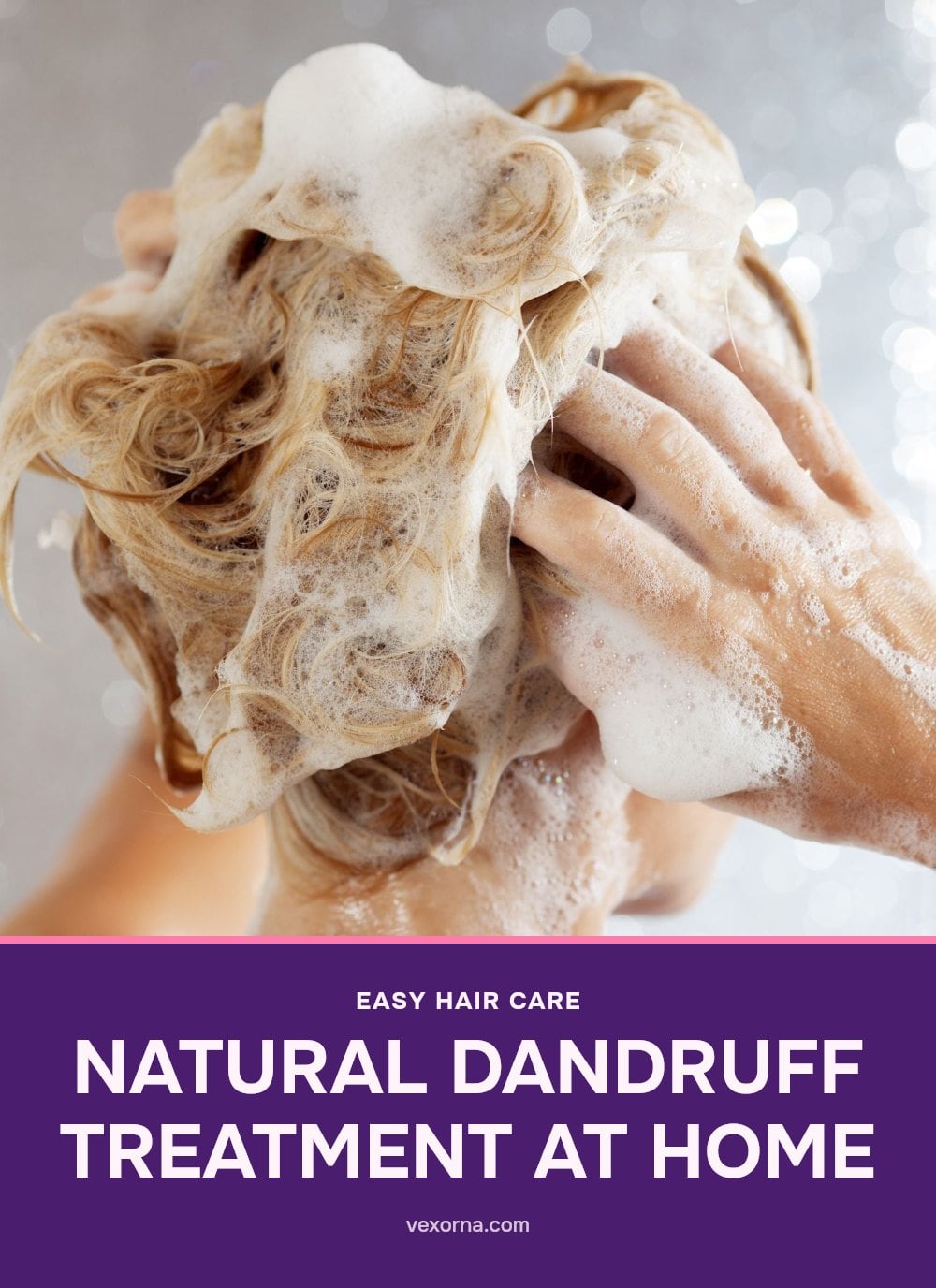
Dealing with an itchy, flaky scalp can be frustrating, especially when you feel like you’ve tried everything. The good news is that dandruff is usually manageable with the right approach, whether you prefer over-the-counter shampoos or gentle home remedies. This article breaks down what actually works, common mistakes to avoid, and how to keep flakes from coming back.
Key Takeaways
- Use an anti-dandruff shampoo with zinc pyrithione, selenium sulfide, or ketoconazole for best results.
- Leave shampoo on your scalp for 5-10 minutes before rinsing to let active ingredients work.
- Don’t stop treatment as soon as symptoms improve; dandruff often returns without consistent use.
- Manage stress and get a little sunlight on your scalp, but avoid excessive sun exposure.
- See a doctor if symptoms persist after several weeks of treatment or if you notice redness, swelling, or hair loss.
What Is Dandruff and How Can I Treat It?
Dandruff is a common scalp condition that causes flaky skin and an itchy scalp. It is often linked to an overgrowth of a yeast-like fungus called Malassezia, which naturally lives on the scalp. While it is not contagious or serious, it can be persistent. The most effective treatment involves using anti-dandruff shampoos with active ingredients like zinc pyrithione or ketoconazole, along with consistent scalp care.
Why Dandruff Appears on Your Scalp
Why Dandruff Appears on Your Scalp
Dandruff is a mild form of seborrheic dermatitis, a common skin condition. The primary trigger is often an overgrowth of Malassezia globosa, a yeast-like fungus that feeds on the oils your scalp produces. This overgrowth can cause the skin to shed more quickly, resulting in visible flakes.
Several factors can make dandruff worse:
- Dry skin: Flakes from dry skin are smaller and less oily than dandruff flakes, but dryness can still contribute to the problem.
- Product sensitivity: Some hair products can irritate the scalp and trigger flaking.
- Stress and weather: Emotional stress and cold, dry air can worsen symptoms.
Infrequent shampooing can make flakes more noticeable, but poor hygiene is not the cause of dandruff.
Effective Over-the-Counter Dandruff Treatments
Effective Over-the-Counter Dandruff Treatments
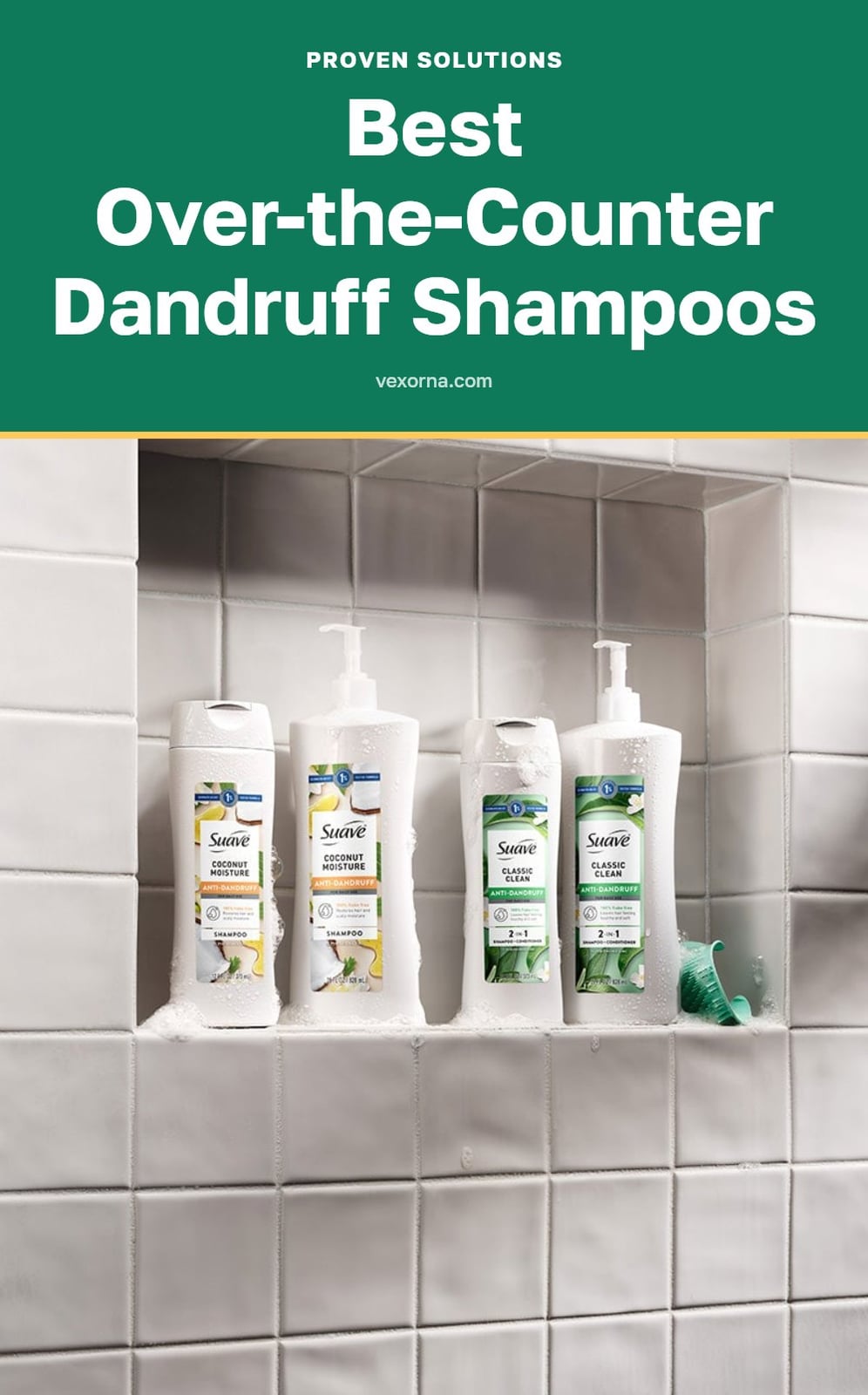
The most reliable way to control dandruff is with an anti-dandruff shampoo. These products contain active ingredients that target the fungus or remove buildup. Here are the main types:
- Zinc pyrithione: Reduces fungus on the scalp and is a common first-line treatment.
- Selenium sulfide: Also reduces fungus and can help slow skin cell turnover.
- Ketoconazole: A strong antifungal that works well for stubborn dandruff.
- Salicylic acid: Helps remove scales and flakes without addressing the fungus directly.
- Coal tar: Slows the growth of skin cells and can be effective, but it may stain light hair.
To get results, lather the shampoo into your scalp and leave it on for 5-10 minutes before rinsing. This gives the active ingredients time to work. If you find a shampoo stops being effective after a few weeks, try alternating between two different types. Results usually appear within 2-4 weeks of regular use.
Natural Home Remedies for Dandruff Relief
Natural Home Remedies for Dandruff Relief
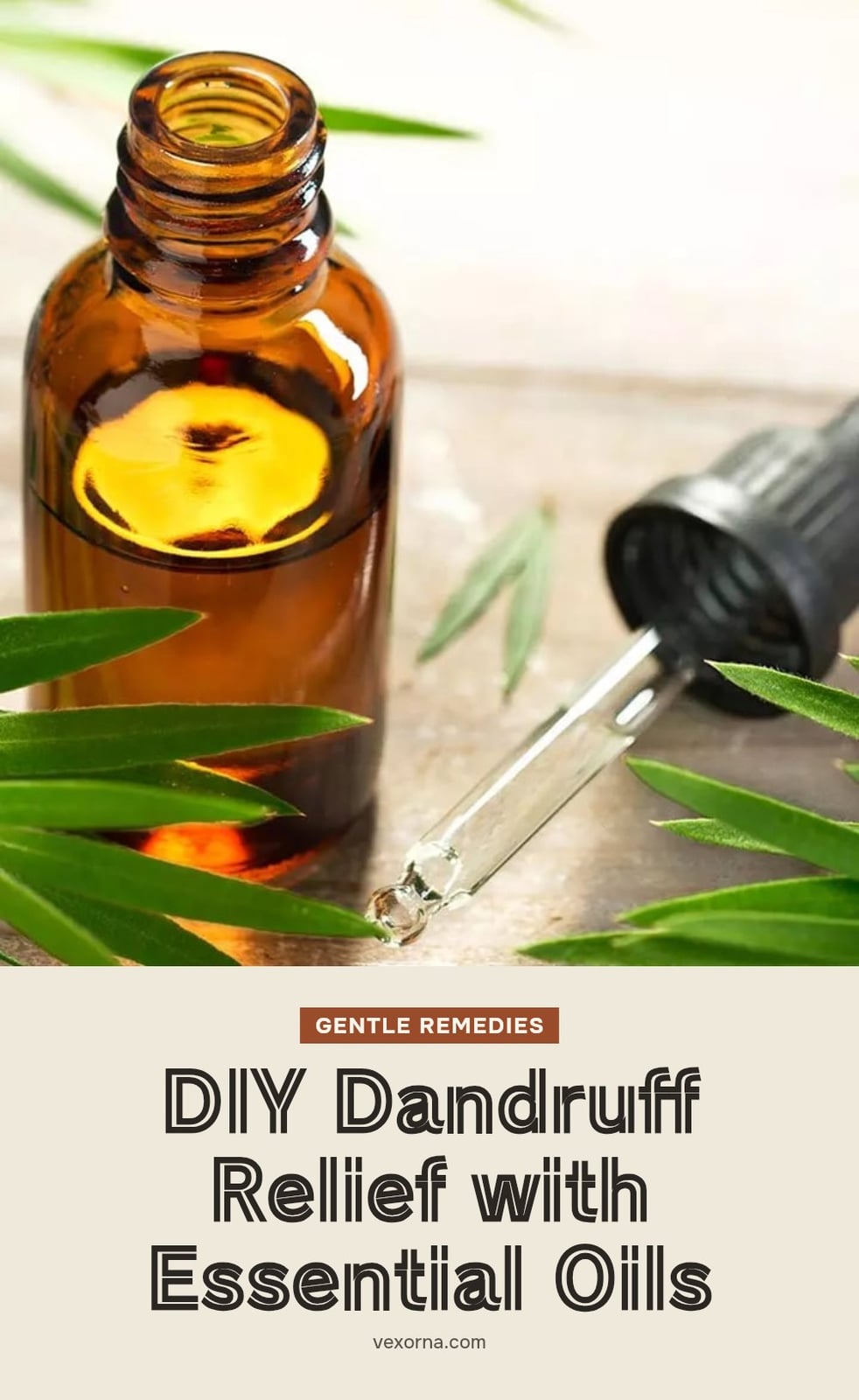
If you prefer a more natural approach, several home remedies may help calm your scalp. Keep in mind that scientific evidence for some of these is limited, but many people find them useful.
- Tea tree oil: Has natural antifungal properties. Always dilute it with a carrier oil (like coconut or olive oil) before applying to your scalp to avoid irritation.
- Apple cider vinegar: May help balance scalp pH and inhibit yeast growth. Mix one part vinegar with two parts water, apply after shampooing, and rinse after a few minutes. Evidence is limited, so results vary.
- Aloe vera: Known for its anti-inflammatory and soothing properties. Apply pure aloe vera gel directly to the scalp to reduce irritation.
- Coconut oil: Moisturizes the scalp and may have mild antifungal effects. Use a small amount and avoid heavy application if yeast is the primary cause, as excess oil can feed the fungus.
Tip: Always do a patch test on your inner arm before applying any new ingredient to your scalp, especially essential oils.
Common Dandruff Treatment Mistakes to Avoid
One of the biggest mistakes is rinsing out your anti-dandruff shampoo too quickly. The active ingredients need 5-10 minutes on your scalp to work, so set a timer after you massage it in.
Stopping treatment too soon: Dandruff often comes back once you stop, even if flakes disappear. Keep using the shampoo 1-2 times per week to maintain results.
Confusing dry scalp with dandruff: A moisturizing conditioner alone won’t fix a fungal issue. You need an active ingredient like zinc pyrithione or ketoconazole.
Over-washing or under-washing: Washing too often dries your scalp; washing too rarely lets oil build up. Aim for every other day or as your scalp tolerates.
Keeping Dandruff Away: Long-Term Prevention Tips
Once your dandruff is under control, stick with a maintenance routine. Use an anti-dandruff shampoo once a week to keep the fungus in check.
Manage stress, as it can worsen symptoms. A little sunlight on your scalp may help suppress the fungus, but limit exposure to avoid sunburn.
Diet and products: Eat foods rich in zinc, B vitamins, and healthy fats. Avoid harsh sprays and heavy oils directly on your scalp, which can feed the yeast.
When to Consult a Doctor or Dermatologist
If over-the-counter treatments haven’t helped after several weeks of consistent use, it’s time to see a dermatologist. Also seek medical advice if your scalp becomes very red, swollen, or if you notice hair loss.
A professional can diagnose underlying conditions like severe seborrheic dermatitis or psoriasis and may prescribe stronger treatments if needed.
Frequently Asked Questions
How often should I use anti-dandruff shampoo?
Start by using it every time you wash your hair, which is usually 2-3 times per week. Once your dandruff is under control, you can reduce to once a week for maintenance. If you have a very oily scalp, you may need to use it more often, but avoid over-washing as it can dry out your scalp.
Is dandruff contagious?
No, dandruff is not contagious. It’s a common scalp condition caused by an overgrowth of yeast-like fungus that naturally lives on your scalp, or by other factors like dry skin or product sensitivity. You cannot catch it from someone else, though sharing combs or brushes is still not recommended.
Can diet affect dandruff?
It may. Some research suggests that a diet rich in zinc, B vitamins, and healthy fats can support scalp health. On the other hand, diets high in sugar and unhealthy fats might worsen inflammation, which could make dandruff symptoms more noticeable. Eating a balanced diet is a good idea for overall skin and scalp health.
What ingredients should I look for in an anti-dandruff shampoo?
Look for active ingredients like zinc pyrithione, selenium sulfide, ketoconazole, salicylic acid, or coal tar. Each works a little differently: zinc pyrithione and selenium sulfide reduce fungus, ketoconazole is a strong antifungal, salicylic acid helps remove scales, and coal tar slows skin cell growth. Start with the mildest option and switch if needed.
What causes dandruff?
Dandruff is often caused by an overgrowth of a yeast-like fungus called Malassezia that feeds on scalp oils. It can also be triggered by dry skin, sensitivity to hair products, or other skin conditions like seborrheic dermatitis. Stress, cold weather, and infrequent shampooing can make flakes more visible, but poor hygiene is not the cause.
Final Thoughts
For most people, a good anti-dandruff shampoo used consistently is all it takes to get flakes under control. Stick with it for a few weeks, and don’t be afraid to switch to a different active ingredient if one stops working. With a simple routine and a little patience, you can keep your scalp comfortable and flake-free.
This article is for informational purposes only and is not a substitute for professional medical advice. If you have a persistent scalp issue, severe redness, swelling, or hair loss, please consult a doctor or dermatologist for a proper diagnosis and treatment plan.