Have you ever noticed your energy and mood shifting throughout the month for no obvious reason? That’s your menstrual cycle phases at work, a natural hormonal rhythm that influences how you feel, focus, and function. In this article, I’ll walk you through the four phases of the menstrual cycle and share practical ways to align your daily life with each one.
Key Takeaways
- Your menstrual cycle has four phases: menstruation, follicular, ovulation, and luteal.
- Hormonal shifts in each phase can affect your energy, mood, and physical capabilities.
- Tracking your cycle with an app or journal helps you recognize your personal patterns.
- Listen to your body and adjust activity levels rather than forcing a rigid schedule.
- Consult a healthcare provider for severe pain, irregular bleeding, or cycles outside the 21-35 day range.
What Are the Menstrual Cycle Phases?
The menstrual cycle is a continuous process, typically lasting 21 to 35 days, with an average of 28 days. It’s divided into four main phases: menstruation, follicular, ovulation, and luteal. Each phase involves distinct hormonal shifts that prepare the body for potential pregnancy and can influence your energy, mood, and physical capabilities.
Understanding the Hormonal Dance of Your Cycle
Understanding the Hormonal Dance of Your Cycle
The menstrual cycle begins on the first day of your period and is governed by the interplay of several key hormones. Follicle-stimulating hormone (FSH) and luteinizing hormone (LH) from the brain, along with estrogen and progesterone from the ovaries, orchestrate the changes in your body. These hormonal fluctuations drive the distinct characteristics of each phase, influencing everything from your energy levels to your mood and even your skin.
1. Phase 1: Menstruation (Your Period)
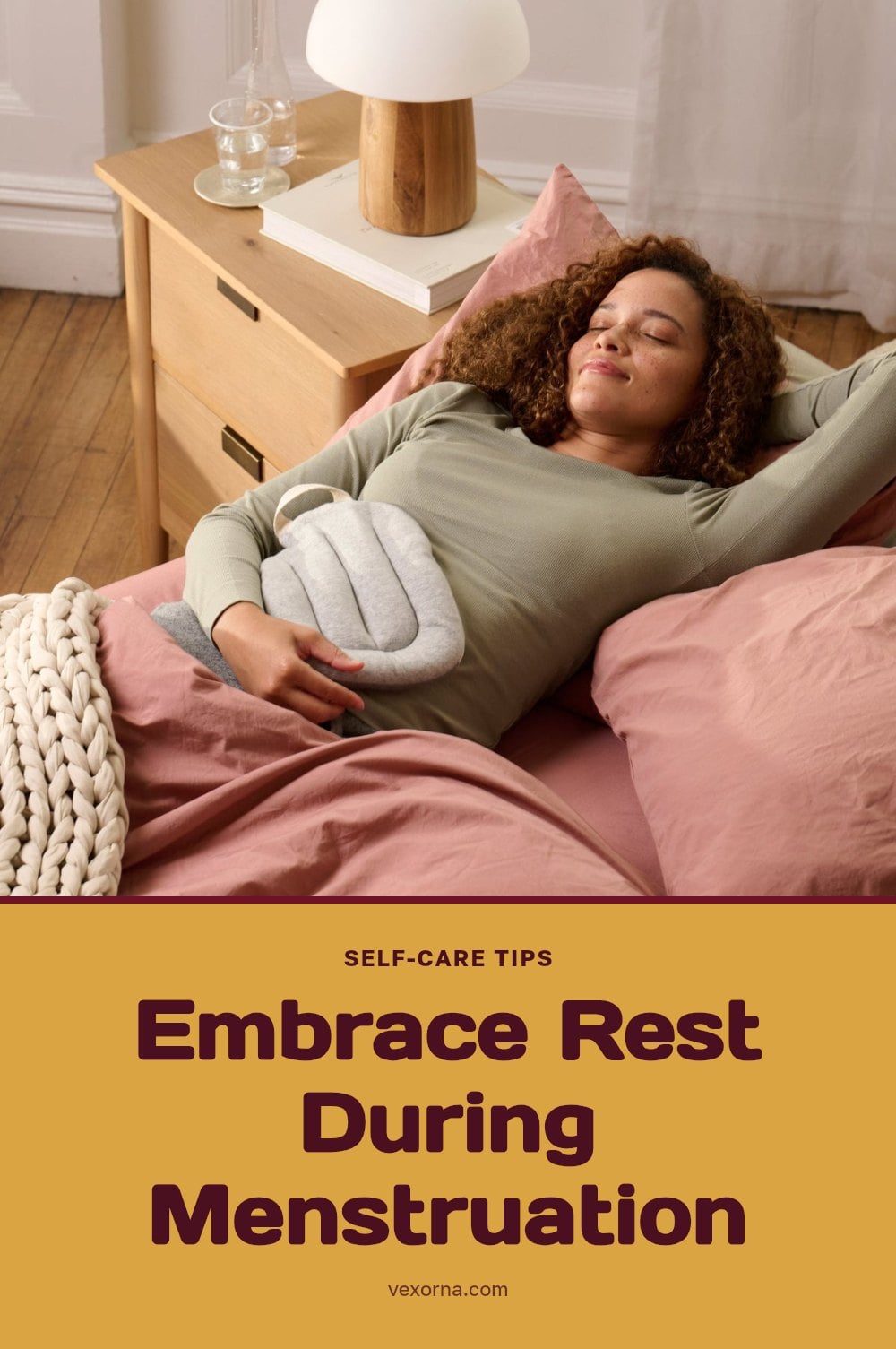
This phase marks the start of your cycle, beginning on day one of bleeding. It’s when your uterine lining, which has thickened in preparation for pregnancy, sheds because no pregnancy occurred. Typically lasting 3 to 7 days, menstruation is characterized by lower levels of estrogen and progesterone, which can lead to feelings of low energy, fatigue, and sometimes cramps. My tip: This is a great time to honor your body’s need for rest and gentle movement. Think restorative yoga or a leisurely walk.
2. Phase 2: Follicular Phase (Rising Energy)
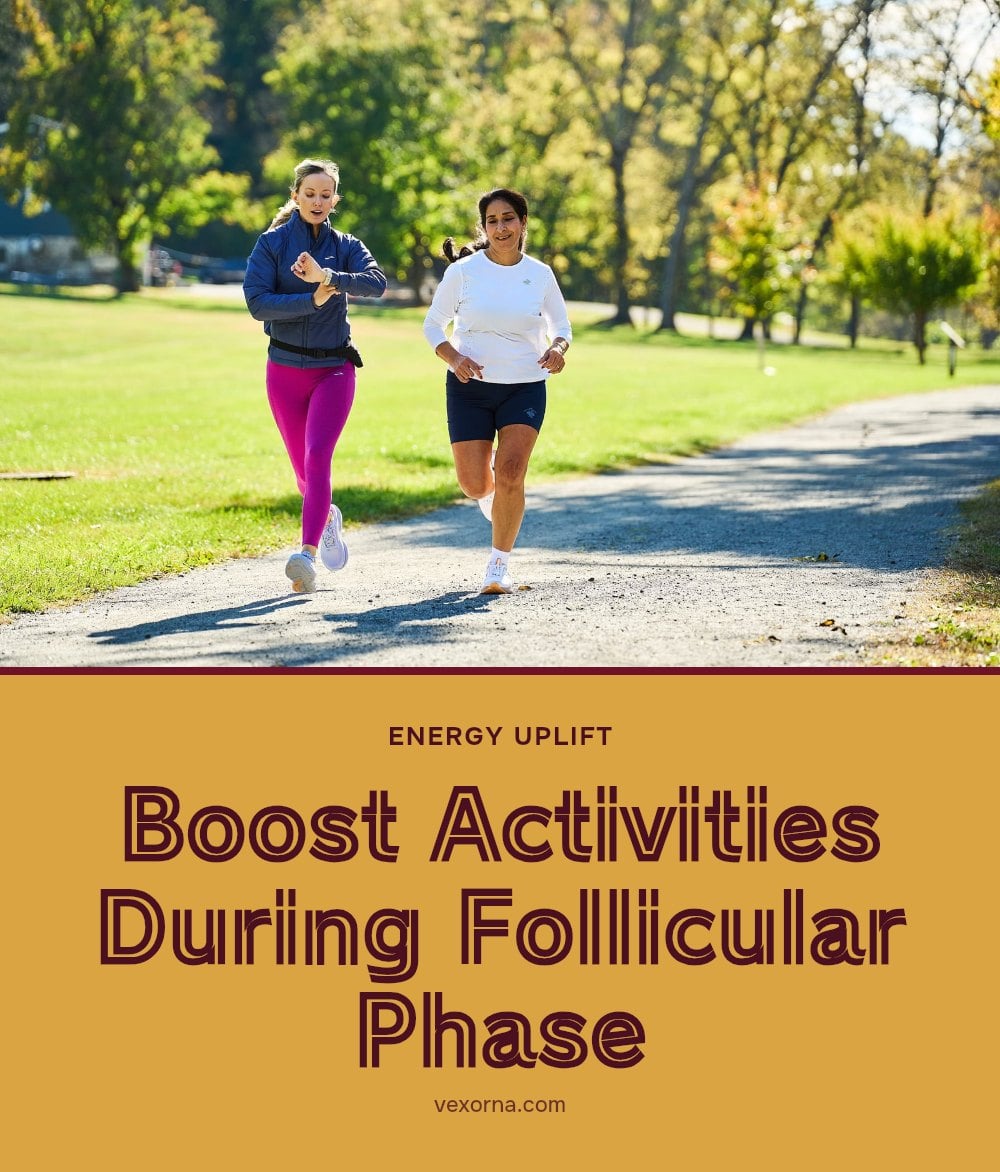
The follicular phase overlaps with menstruation and continues until ovulation. During this time, FSH stimulates follicles in your ovaries to mature an egg, and estrogen levels begin to rise. As estrogen increases, you might notice a boost in energy, improved mood, and enhanced focus. My tip: This is often when I feel my most productive. It’s a great window for tackling new projects or upping your workout intensity.
3. Phase 3: Ovulation (Peak Energy and Fertility)
Ovulation is the release of a mature egg from the ovary, typically around day 14 in a 28-day cycle. A surge in luteinizing hormone (LH) triggers this event. This phase is short, lasting about 24 to 48 hours, and marks your most fertile window.
Estrogen is at its peak, often leading to heightened energy, confidence, and social inclination. Tip: If you’re looking to conceive, this is the time to pay close attention. Even if not, enjoy the natural boost in vitality.
4. Phase 4: Luteal Phase (Winding Down)
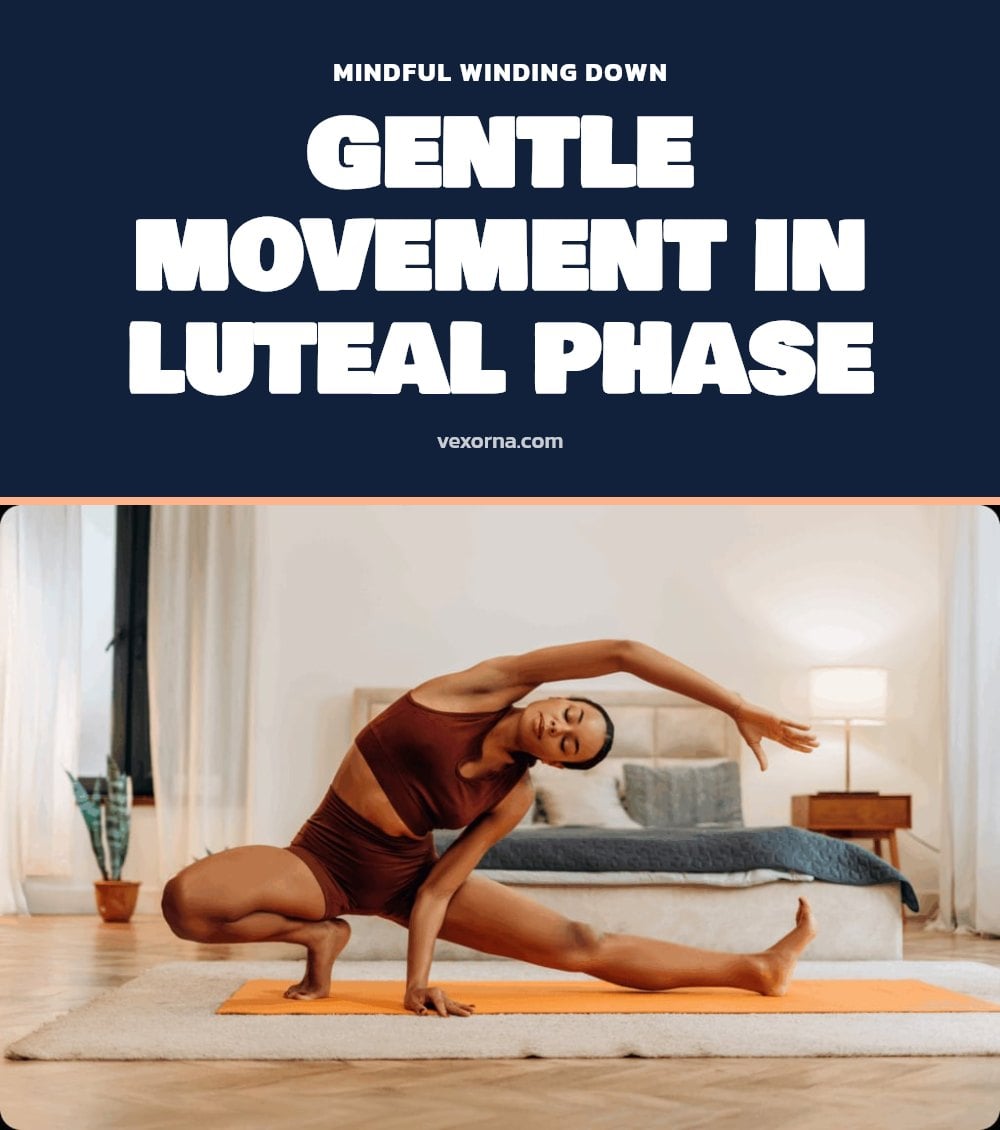
Following ovulation, the luteal phase begins and lasts until your next period. Progesterone levels rise significantly, while estrogen gradually declines. This phase prepares your uterus for a potential pregnancy. If no pregnancy occurs, both estrogen and progesterone drop, triggering menstruation.
You might experience PMS symptoms like mood swings, bloating, or fatigue during this time. Energy levels generally start to decrease. Good to know: This is when self-care becomes extra important. Prioritize gentle activities, stress reduction, and nutrient-dense foods to support your body.
Tools for Tracking Your Cycle
Tracking your cycle helps you understand your body’s patterns. Here are the tools I find most useful:
- Menstrual tracking app or journal: Essential for logging your period dates, symptoms, and mood.
- Calendar: A simple visual aid to mark your cycle days.
- Thermometer (for basal body temperature tracking): Helps pinpoint ovulation by detecting a slight temperature rise.
- Ovulation predictor kits (OPKs): Detect the LH surge that precedes ovulation, useful for fertility awareness.
Common Mistakes When Understanding Your Cycle
It’s easy to get confused about the menstrual cycle. Here are some common mistakes I see:
- Believing every cycle is 28 days: Healthy cycles can range from 21 to 35 days; yours is unique to you.
- Confusing the menstrual cycle with just the bleeding phase: The cycle is a continuous process with four distinct phases.
- Ignoring significant changes in cycle length or flow: These can be important signals from your body and warrant attention.
- Thinking mood swings are purely psychological: Hormonal fluctuations play a significant role in mood changes throughout your cycle.
When to Talk to Your Healthcare Provider
Severe pain or extremely heavy bleeding during your period is a sign to check in with a healthcare provider. If your cycles are consistently shorter than 21 days or longer than 35 days, that also warrants a conversation. Sudden, unexplained changes in your cycle length, flow, or symptoms should not be ignored. If you are trying to conceive or avoid pregnancy and need personalized advice beyond cycle tracking, a professional can help. For any persistent or unusual symptoms that concern you, trust your instincts and make an appointment.
Frequently Asked Questions
How long is a typical menstrual cycle?
A typical menstrual cycle lasts about 28 days, but a healthy cycle can range from 21 to 35 days. Your own cycle may be shorter or longer, and that’s normal as long as it stays within that range.
Can stress affect my menstrual cycle?
Yes, stress can influence your cycle. High stress levels may delay ovulation or cause a longer or shorter cycle. If you notice persistent changes, it’s a good idea to talk to your healthcare provider.
What are common signs of ovulation?
Common signs of ovulation include a slight rise in basal body temperature, changes in cervical mucus (becoming clear and stretchy), and sometimes a mild ache on one side of the lower abdomen. An ovulation predictor kit can also confirm the LH surge.
Is it normal for my cycle length to vary?
Yes, it’s normal for cycle length to vary from month to month, especially if you’re under stress, traveling, or have had a change in routine. A variation of a few days is common. If your cycles are consistently shorter than 21 days or longer than 35 days, consult a healthcare professional.
When should I track my basal body temperature?
Track your basal body temperature first thing in the morning, before getting out of bed or eating anything, at the same time each day. This helps you spot the slight temperature rise that occurs after ovulation, confirming that ovulation has happened.
Final Thoughts
My tip: Start by simply logging your period start date and a few daily notes, like energy level or mood, for one full cycle. You’ll quickly see your own patterns emerge. Remember, every cycle can vary slightly, and that’s completely normal. The goal isn’t perfection, but rather a deeper understanding of your body’s natural rhythm so you can work with it, not against it.
This article is for informational purposes only and does not constitute medical or professional advice. For persistent symptoms, severe pain, or concerns about your menstrual health, please consult a qualified healthcare provider.