
You might think metabolism is something you’re just born with, but your daily habits actually have a big say in how your body uses energy. Whether you’re trying to manage your weight or simply feel more energized, understanding the basics can help you make smarter choices. This article breaks down what metabolism really is, how your metabolic rate works, and which simple routines can support it for the long haul.
Key Takeaways
- Metabolism is the sum of chemical reactions that convert food to energy, build tissues, and eliminate waste.
- Basal metabolic rate accounts for the calories burned at rest, while physical activity is the most variable component.
- Prioritize both cardio and strength training to build muscle, which burns more calories at rest than fat.
- Aim for 7-9 hours of quality sleep per night to support hormone regulation and energy balance.
- Manage chronic stress through practices like meditation or yoga, as cortisol can negatively affect metabolism.
What Is Metabolism and Why Does It Matter?
Metabolism is the sum of all chemical reactions in your body that sustain life. It converts food into energy, builds and repairs tissues, and eliminates waste. While often linked to weight, a healthy metabolism is vital for every function, from breathing to thinking. Your metabolic rate is influenced by age, genetics, diet, and activity level, so it’s not a fixed number but a dynamic process you can support with daily choices.
Understanding Your Metabolic Rate
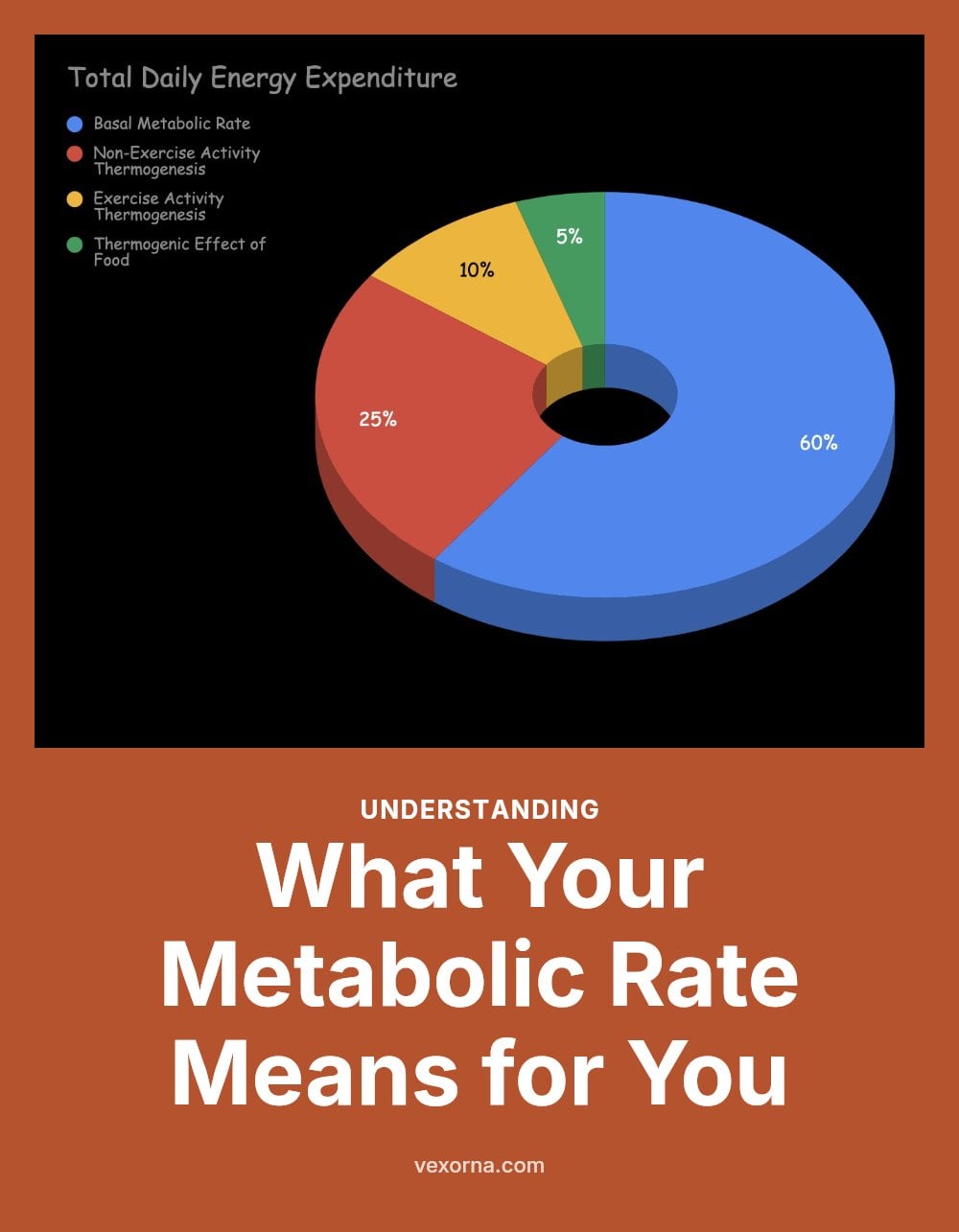
Your metabolic rate is made up of several components that together determine how many calories you burn each day.
Basal Metabolic Rate (BMR)
This is the energy your body burns at rest to keep your heart beating, lungs breathing, and cells working. It accounts for the largest share of your daily calorie burn.
Thermic Effect of Food (TEF)
Digesting, absorbing, and metabolizing food uses about 10% of your daily caloric expenditure. Protein has a higher thermic effect than carbs or fats, which is one reason adequate protein matters.
Non-Exercise Activity Thermogenesis (NEAT)
NEAT covers energy for daily movements that aren’t sleep, eating, or structured exercise. Fidgeting, walking to your car, and even standing count. Increasing NEAT can add up significantly.
Physical Activity
This is the most variable component of daily energy expenditure. Structured exercise like cardio and strength training lets you directly control how many extra calories you burn.
Daily Habits to Support a Healthy Metabolism

- Move regularly: Combine cardiovascular exercise like brisk walking or cycling with strength training two to three times a week. Building muscle raises your resting calorie burn.
- Eat enough protein: Include a source like eggs, Greek yogurt, chicken, or beans at each meal. Protein supports muscle maintenance and has a higher thermic effect, meaning your body burns more calories digesting it.
- Prioritize sleep: Aim for 7 to 9 hours of quality sleep per night. Lack of sleep can disrupt hormones that regulate appetite and energy expenditure.
- Manage stress: Chronic stress elevates cortisol, which can negatively affect metabolism. Try meditation, yoga, or a daily walk in nature to keep stress in check.
- Stay hydrated: Drink water throughout the day. Even mild dehydration can slow down metabolic processes.
- Eat whole foods: Focus on fruits, vegetables, lean proteins, whole grains, and healthy fats. These provide the nutrients your body needs for efficient metabolic function.
Essential Tools for Your Metabolic Health Journey
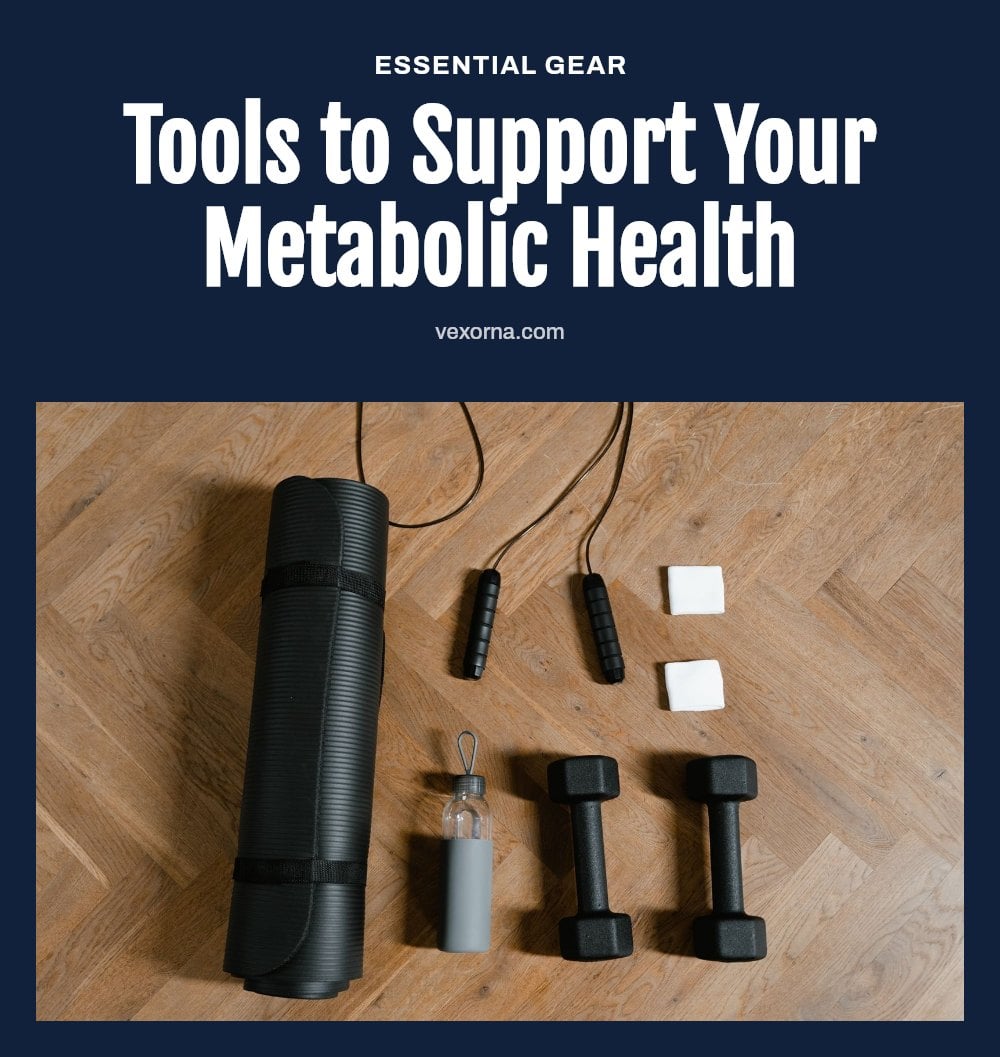
- Resistance bands: Great for strength training at home or while traveling. They help build muscle mass without taking up space.
- Dumbbells: Versatile for exercises like squats, rows, and presses. Increasing muscle tissue boosts your resting calorie burn.
- Yoga mat: Provides comfort and stability for floor exercises, yoga, or stretching. A non-slip surface makes workouts safer and more enjoyable.
- Water bottle: A constant reminder to stay hydrated. Keep it on your desk or in your bag to sip throughout the day.
- Healthy whole foods: Stock up on fruits, vegetables, lean proteins, whole grains, and healthy fats. These form the foundation of a balanced diet that supports all metabolic processes.
Common Metabolism Myths and Mistakes to Avoid
Many people think metabolism is fixed, but lifestyle choices actually influence it a lot. Relying on single ‘superfoods’ to boost it is another mistake; no one food can do that, so aim for a balanced, whole-food diet instead.
Myth: Sleep and stress don’t matter much. They do. Poor sleep and chronic stress can disrupt metabolic hormones and energy use. Neglecting strength training is also common, but muscle burns more calories at rest than fat, so include it. And avoid extreme calorie restriction: it can slow your metabolism as your body tries to conserve energy.
When to Consult a Healthcare Professional
See a healthcare professional if you experience significant, unexplained weight changes, whether gain or loss. Also consult one for persistent fatigue, changes in appetite, or mood swings that concern you.
Before starting any new diet, exercise regimen, or supplement, especially if you have underlying health conditions, get medical advice. If you suspect a metabolic disorder or have concerns about your thyroid function, a doctor can help.
Timeline for Metabolic Health Improvements and Costs
Timeline: Supporting a healthy metabolism is an ongoing journey, not an overnight fix. Benefits accumulate over weeks and months of consistent habits.
Consistency: Regularity in diet, exercise, sleep, and stress management is key to lasting changes. Cost: You don’t need expensive supplements or programs. Focus on affordable whole foods, free or low-cost exercise like walking and bodyweight moves, and good sleep hygiene.
Frequently Asked Questions
Can metabolism really be ‘slow’ or ‘fast’?
Yes, metabolic rates vary from person to person based on factors like age, genetics, muscle mass, and hormone levels. A ‘slow’ metabolism means your body burns fewer calories at rest, while a ‘fast’ one burns more. However, lifestyle habits such as strength training and adequate protein intake can positively influence your rate over time.
Do certain foods truly ‘boost’ metabolism?
No single food can dramatically boost your metabolism on its own. Some foods, like those high in protein, have a higher thermic effect, meaning your body uses more energy to digest them. But expecting a ‘superfood’ to transform your metabolic rate is a common myth. A balanced, whole-food diet combined with regular activity is what truly helps.
How much sleep affects metabolism?
Sleep deprivation can disrupt hormones that regulate appetite and energy expenditure, potentially slowing your metabolism. Most adults need 7-9 hours of quality sleep per night for optimal metabolic health. Even a few nights of poor sleep may make it harder to maintain a healthy weight and energy balance.
Is strength training better than cardio for metabolism?
Both are important, but strength training has a unique advantage: building muscle tissue raises your resting calorie burn because muscle burns more calories at rest than fat does. Cardio improves overall calorie expenditure during the activity. For the best metabolic support, combine both types of exercise two to three times per week.
Can stress impact my metabolism?
Yes, chronic stress can raise cortisol levels, which may negatively affect how your body uses energy and stores fat. High cortisol is linked to increased appetite and cravings for high-calorie foods, which can disrupt metabolic balance. Managing stress through practices like meditation, yoga, or time in nature can help support a healthy metabolism.
Final Thoughts
Start with one change that feels manageable, like adding a strength training session twice a week or aiming for seven hours of sleep each night. Realistic expectations matter: benefits like improved energy and a steadier weight tend to show up over weeks and months of consistent effort, not overnight. Remember, small daily choices add up to lasting support for your metabolic health.
This article is for general informational purposes only and does not constitute medical or professional advice. Always consult a doctor, registered dietitian, or other qualified healthcare provider before starting a new diet, exercise program, or supplement, especially if you have underlying health conditions or experience persistent symptoms.