
You’ve decided to start strength training, and that’s a powerful step toward feeling stronger, more confident, and healthier in your own body. This article breaks down exactly how to begin, from choosing your first set of dumbbells to building a simple weekly plan that fits your life. I’ll walk you through the essentials so you can start with confidence and see real progress.
Key Takeaways
- Start with light weights or bodyweight to master proper form before increasing resistance.
- Aim for 2-3 full-body strength sessions per week, with rest days in between for muscle recovery.
- Focus on compound exercises like squats, deadlifts, and push-ups to work multiple muscle groups at once.
- Gradually increase weight, reps, or sets over time to keep challenging your muscles and seeing results.
- Stay hydrated and eat protein within a few hours after your workout to support muscle repair and growth.
What is Strength Training and Why It Matters for Women
Strength training, also called resistance training, is simply working your muscles against some form of resistance, your own body weight, dumbbells, bands, or machines. The goal is to build muscle strength, endurance, and size. For women, this matters a lot: it increases bone density (key for preventing osteoporosis), boosts your resting metabolism because muscle burns more calories than fat, and helps prevent age-related muscle loss that can affect mobility later in life. Starting with proper form and a plan that gradually increases the challenge is how you get safe, lasting results.
Essential Equipment for Your Strength Training Journey
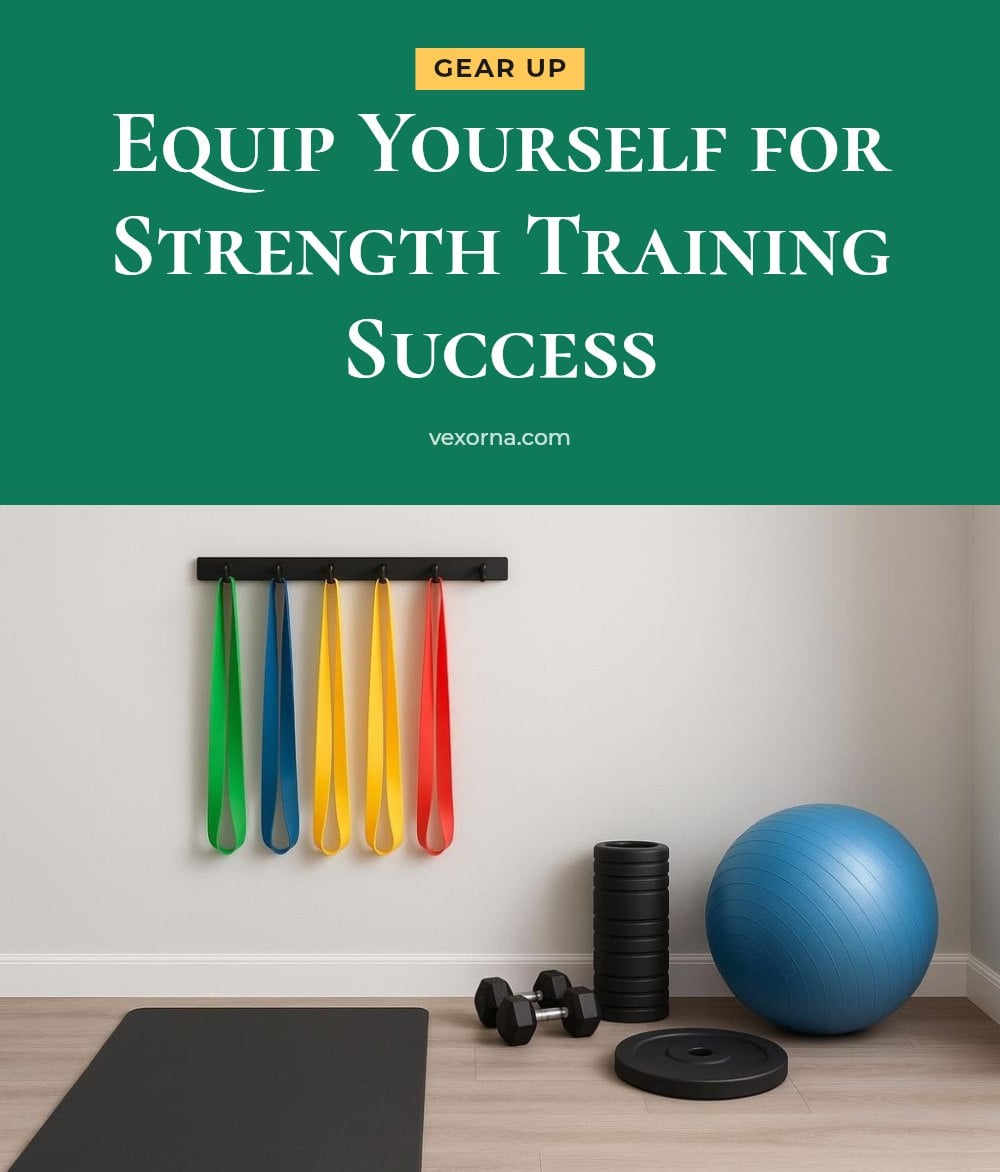
You don’t need a full gym to start. Here’s the gear that makes a difference:
- Dumbbells: A pair of light and medium dumbbells covers most beginner exercises, from rows to lunges.
- Resistance bands: These are portable and let you add resistance without bulky equipment. Great for travel or home use.
- Exercise mat: Provides cushioning and grip for floor work like planks, push-ups, and core moves.
- Comfortable athletic shoes: Support is non-negotiable. Choose shoes with good traction and stability for lifting.
Your Step-by-Step Guide to Starting Strength Training
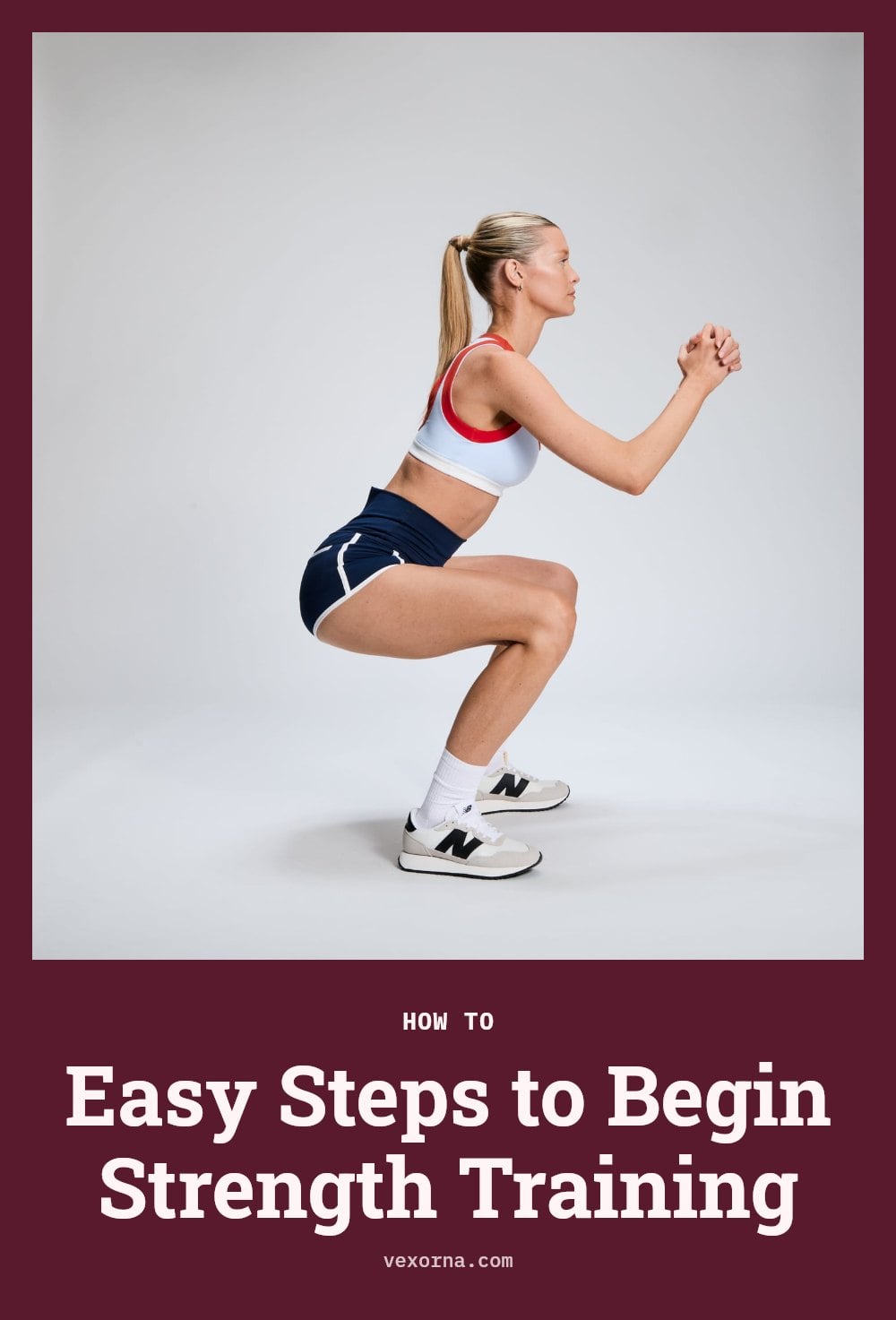
Follow these steps to build a safe and effective routine. Beginners should prioritize form and gradually increase challenge over time.
- Warm up your body: Spend 5-10 minutes on light cardio (jogging in place, jumping jacks) followed by dynamic stretches like leg swings and arm circles. This raises your heart rate and preps your muscles for work.
- Master form with light weight: Start with bodyweight or the lightest dumbbells. Focus on controlled movement and proper alignment before adding any load. Good form prevents injury and targets the right muscles.
- Pick compound exercises: Choose moves that work multiple joints at once, squats, push-ups, rows, and lunges. They give you more bang for your time and build functional strength.
- Set your reps and sets: Once your form is solid, aim for 8-12 repetitions per exercise for 2-3 sets. This range is a common guideline for muscle growth (hypertrophy). Rest 60-90 seconds between sets.
- Increase gradually: When you can complete all reps and sets with good form, add a little more weight, an extra rep, or an additional set. This is progressive overload and it’s how you keep getting stronger.
- Cool down and stretch: Finish with 5-10 minutes of static stretches, hold each stretch for 20-30 seconds, focusing on the muscles you worked. This helps reduce soreness and improves flexibility.
A Sample Weekly Strength Training Plan for Beginners
This plan includes three full-body strength days per week, which fits the recommended 2-3 sessions for beginners. Strength training on non-consecutive days (Monday, Wednesday, Friday) gives your muscles time to repair and grow.
| Day | Activity | Details |
|---|---|---|
| Monday | Full-body strength | 3 sets of 8-12 reps per exercise |
| Tuesday | Rest or light walk | 15-20 minutes easy pace |
| Wednesday | Full-body strength | Same exercises or slight variation |
| Thursday | Active recovery | Yoga, stretching, or cycling |
| Friday | Full-body strength | Focus on form and controlled reps |
| Saturday | Rest | Complete rest from exercise |
| Sunday | Rest | Muscle repair and growth happen here |
Common Strength Training Mistakes to Avoid
One of the biggest mistakes is reaching for heavier weights before you can perform the movement with control. Proper form keeps you safe and targets the right muscles, so start light and focus on technique. Skipping your warm-up and cool-down is another common error that increases injury risk and slows recovery.
Rest days are non-negotiable. Muscles repair and grow during rest, not during the workout, so avoid working the same muscle group intensely two days in a row. Many women also fear ‘bulking up,’ but building significant muscle mass is generally difficult due to lower testosterone levels. What you will likely see is leaner, more defined muscles. Tip: Breathe out on the exertion phase of each lift and never hold your breath, as that can spike blood pressure and reduce performance.
Smart Tips for Maximizing Your Strength Training Results

Hydration affects your strength and endurance, so drink water before, during, and after each session. Protein intake is equally important for muscle repair and growth. Aim for a source of protein within a few hours after your workout, like eggs, Greek yogurt, or a shake.
Learn to listen to your body. Muscle fatigue during a set is normal, but sharp or sudden pain is a signal to stop. Tracking your workouts helps you apply progressive overload, gradually increasing weight, reps, or sets so your muscles keep adapting. My tip: Keep a simple log of exercises, sets, and reps to see progress and stay motivated. If you are unsure about your routine or form, a certified personal trainer can provide personalized guidance and corrections.
What to Expect: Timeline for Results and Potential Costs
With consistent strength training two to three times per week, you can expect noticeable strength improvements in four to six weeks. Visible changes in muscle tone and definition typically appear after eight to twelve weeks, though individual results vary. The costs of strength training range widely. Bodyweight exercises are completely free. A basic home setup with dumbbells and a mat is a moderate investment. Gym memberships and personal trainer sessions are higher-cost options that offer more equipment and expert guidance.
When to Consult a Doctor or Fitness Professional
Before starting any new exercise program, consult your doctor, especially if you have pre-existing health conditions or have been inactive. During your workouts, stop immediately and seek medical advice if you experience sharp pain, dizziness, or chest discomfort. A certified fitness professional can design a program tailored to your goals and correct your form, which is especially valuable for beginners or anyone returning after a break.
Frequently Asked Questions
How often should a beginner strength train?
As a beginner, aim for two to three strength training sessions per week on non-consecutive days. This gives your muscles time to recover and grow between workouts. If you’re just starting, two days a week is enough to build a solid foundation and see progress.
Can strength training help with weight loss?
Yes, strength training can support weight loss by increasing your muscle mass, which burns more calories at rest than fat tissue. Combined with a balanced diet and regular cardio, it helps boost your overall metabolism. While it’s not a quick fix, it’s a sustainable way to manage your weight over time.
What should I eat to support my strength training?
Focus on getting enough protein to help repair and build muscle, such as eggs, Greek yogurt, chicken, or a plant-based shake within a few hours after your workout. Also, stay hydrated by drinking water before, during, and after your session. A balanced diet with plenty of vegetables and whole grains will give you the energy you need to perform well.
How long does it take to see results from strength training?
With consistent training two to three times per week, you can expect noticeable strength improvements in four to six weeks. Visible changes in muscle tone and definition typically take eight to twelve weeks, but individual results vary based on genetics, diet, and consistency. Stick with it, and you’ll see progress.
Is strength training safe if I have joint pain?
Strength training can be safe and even beneficial for joint pain when done with proper form and appropriate resistance. Start with bodyweight exercises or light resistance bands to avoid stressing your joints. However, if you have persistent joint pain, consult a doctor or physical therapist before starting to get personalized guidance.
Final Thoughts
Start with two full-body strength sessions per week, using light weights or bodyweight exercises, and focus on form over heavy loads. Expect to feel stronger in four to six weeks, with visible changes in muscle tone after eight to twelve weeks of consistent training. My tip: pick a plan that feels doable, listen to your body, and celebrate each small win along the way.
This article provides general information about strength training and is not a substitute for professional medical advice. Before beginning any new exercise program, consult your doctor, especially if you have pre-existing health conditions or concerns. If you experience sharp pain, dizziness, or chest discomfort during exercise, stop immediately and seek medical attention.