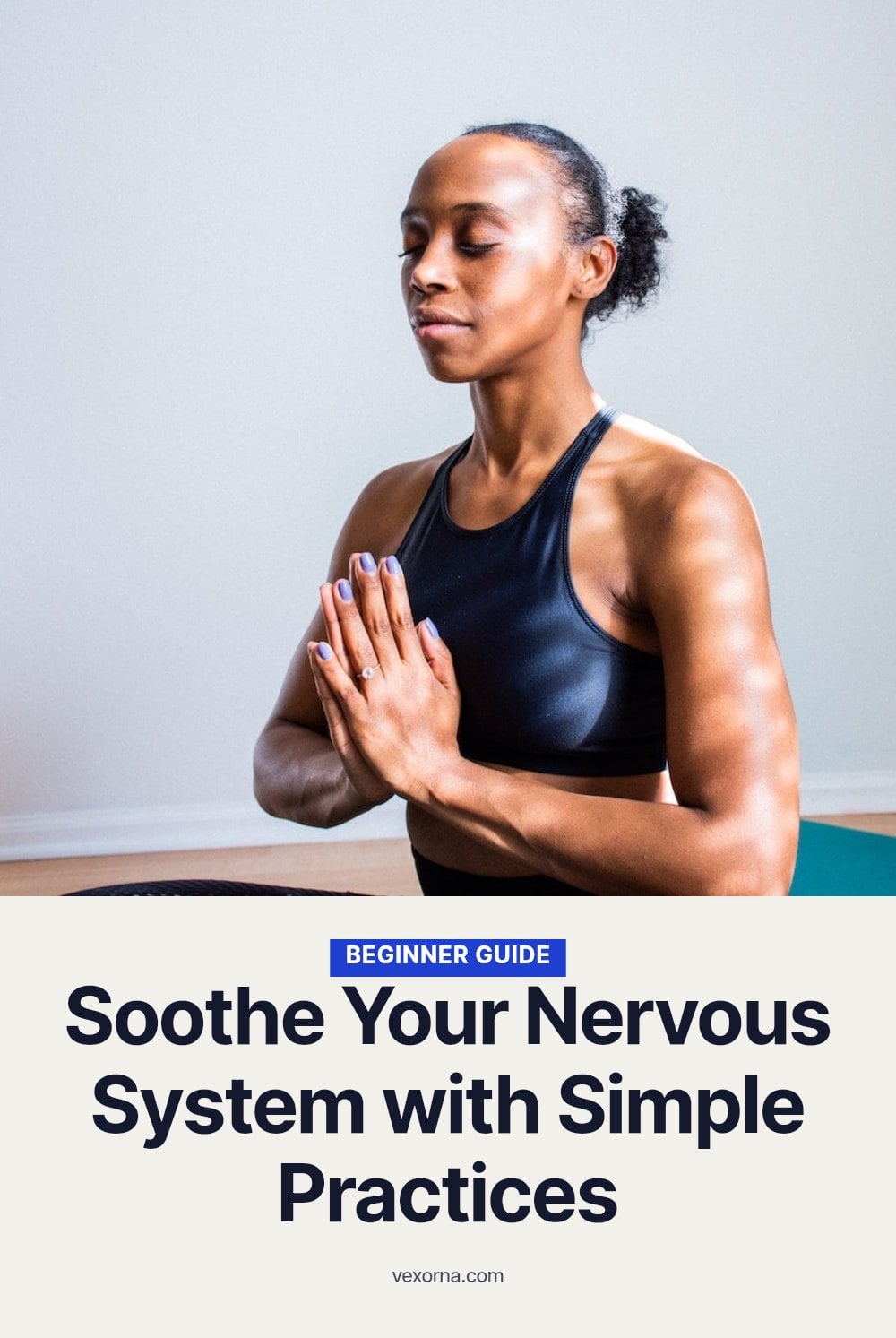
When your nervous system is on overdrive, even simple tasks can feel exhausting. You might notice a racing heart, tight muscles, or that foggy feeling that makes it hard to think clearly. The good news is that you can teach your body to shift out of ‘fight or flight’ mode and into a calmer state with a few easy, daily practices. This article covers what it means to soothe your nervous system, why it gets overwhelmed, and the most effective techniques to help you feel more balanced and at ease.
Key Takeaways
- Deep belly breathing for 2-3 minutes can activate your parasympathetic nervous system and lower heart rate.
- Consistent daily practice, not a single session, leads to long-term regulation over weeks to months.
- Gentle movement like walking or stretching helps release physical tension tied to stress.
- Prioritize sleep hygiene because adequate rest is crucial for nervous system repair.
- If anxiety or overwhelm persists despite your efforts, consult a healthcare professional.
What Does it Mean to Soothe Your Nervous System?
Soothing your nervous system means helping it shift from ‘fight or flight’ mode (the sympathetic branch) to ‘rest and digest’ mode (the parasympathetic branch). This is the state where your body feels safe, lowers its heart rate, and relaxes. Simple, consistent techniques like deep breathing or a few minutes of mindfulness can trigger that shift. You are not fixing something broken, you are giving your body the signal that it is okay to calm down.
Why Your Nervous System Gets Overwhelmed
How It Works
Your nervous system is a complex network that controls everything from your heartbeat to how you react to a deadline. It has two key branches: the sympathetic (fight or flight) and the parasympathetic (rest and digest). When you face stress, the sympathetic branch kicks in to help you respond. That is normal and useful in short bursts.
When It Stays On
The problem starts with chronic stress. If your mind is always on alert, your sympathetic system stays activated. This keeps your heart rate up, your muscles tense, and your body flooded with stress hormones. Over time, an overstimulated nervous system shows up as anxiety, fatigue, and that constant feeling of being wound up. You are not imagining it, your body is stuck in gear.
Essential Tools for Nervous System Regulation
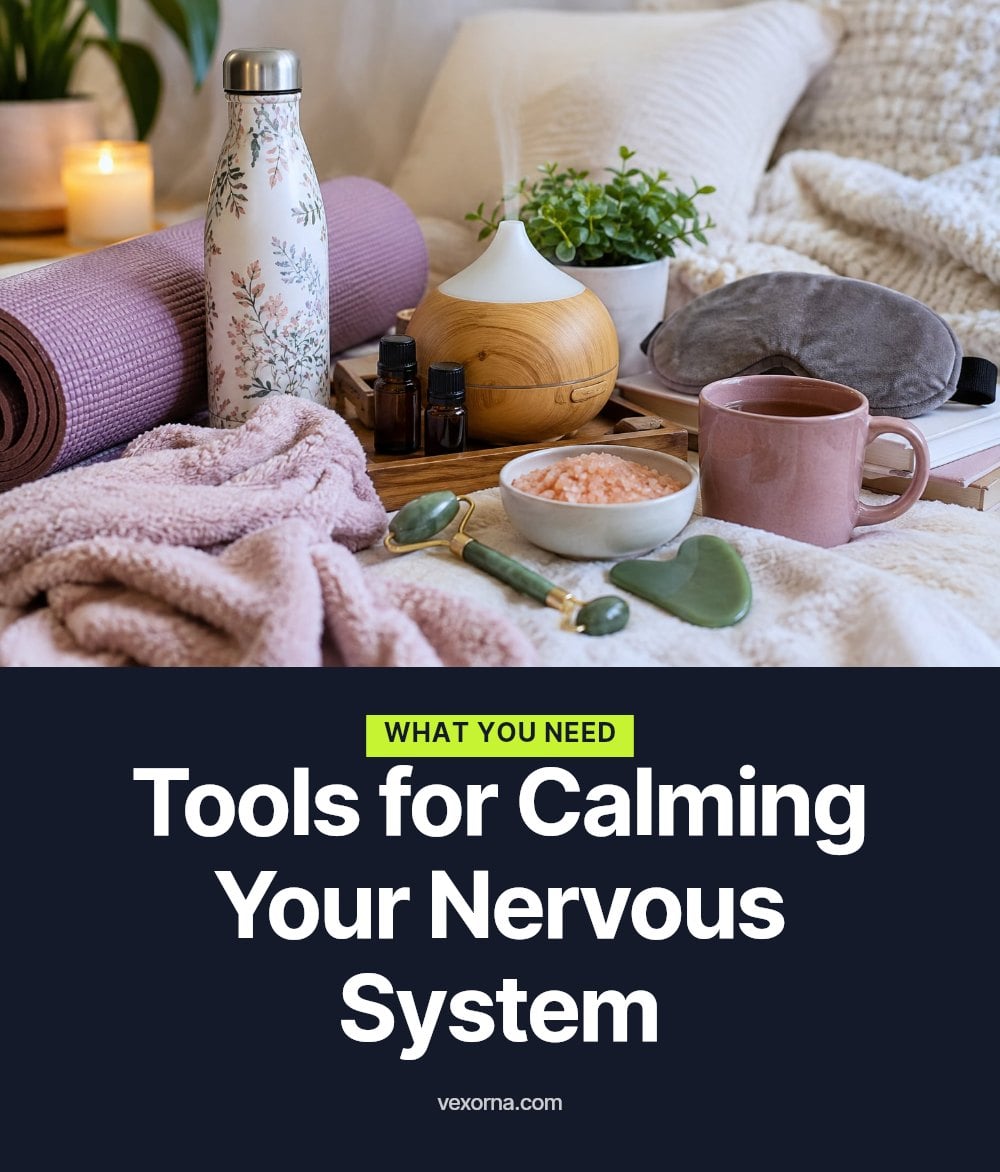
You do not need a lot of gear to start regulating your nervous system. Most of these items are probably already in your home.
- Comfortable clothing: Wear something that does not restrict your movement or breathing.
- Quiet space: A corner or room where you can sit without interruptions for 5 to 10 minutes.
- Water bottle: Hydration supports your body’s stress response. Keep one nearby.
- Journal (optional): Writing down what you feel can help release mental tension.
- Yoga mat (optional): Useful for stretching or lying down, but a carpet or towel works fine.
Effective Practices to Calm Your Nervous System
Deep Breathing
Slow, deep belly breathing is the fastest way to activate your parasympathetic system. Breathe in through your nose for a count of 4, hold for 2, then exhale slowly through your mouth for a count of 6. Do this for 2 to 3 minutes. My tip: Place a hand on your belly to feel it rise and fall, that ensures you are breathing deeply enough.
Mindfulness and Meditation
You do not need to sit for an hour. Try 5 minutes of simply noticing your breath or the sounds around you. This trains your brain to observe stress without reacting to it. Consistency matters more than duration.
Gentle Movement
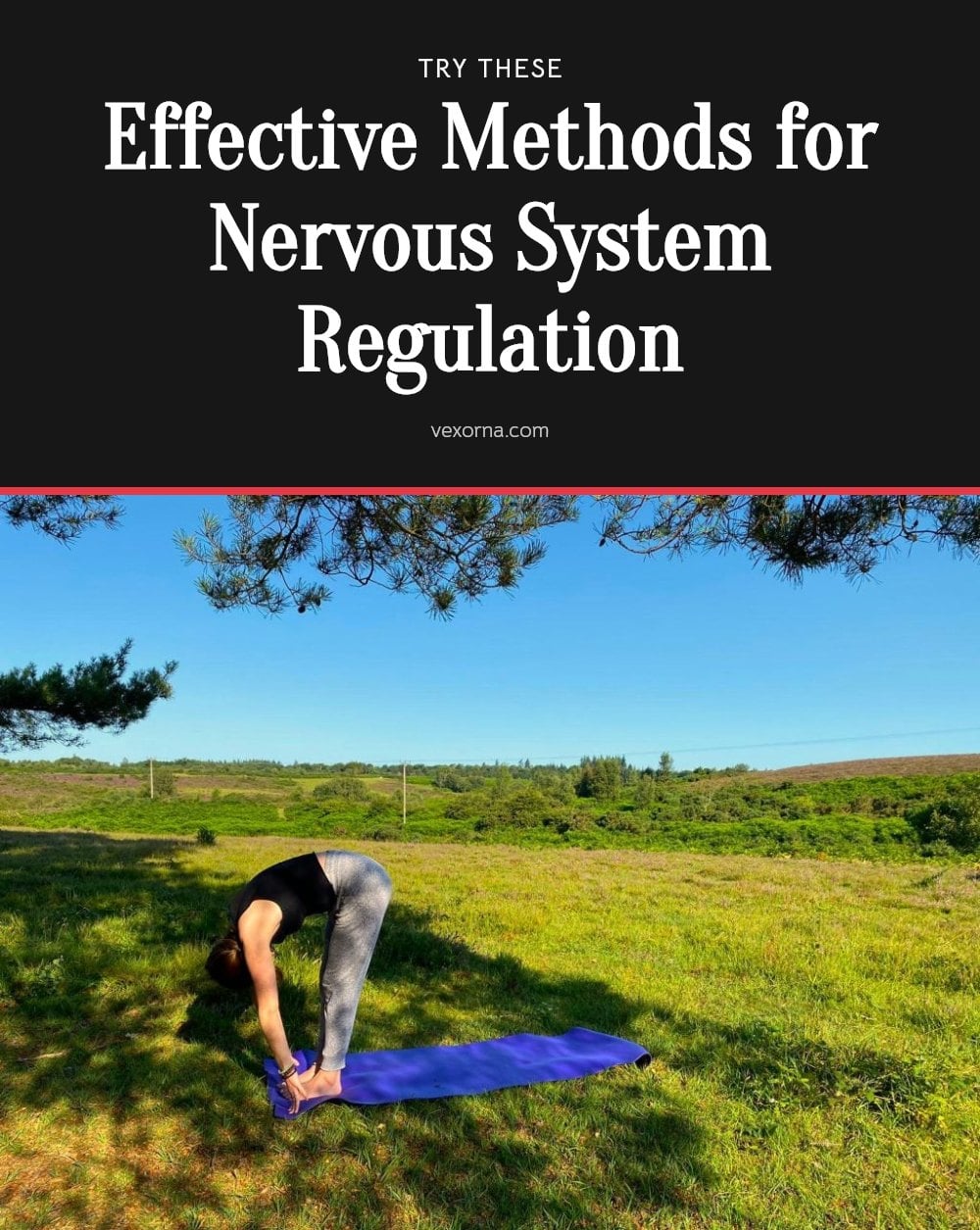
Walking, stretching, or slow yoga releases physical tension that builds up from stress. Focus on movements that feel good, not ones that push you. Even 10 minutes can shift your state.
Nature Exposure
Spending time outside, even in a local park, can lower stress hormones and improve your mood. A 20-minute walk in a green space is a simple reset for your nervous system.
Adequate Sleep
Your nervous system repairs itself during deep sleep. Prioritize a consistent bedtime and avoid screens for 30 minutes before sleep. Poor sleep keeps your stress response on high alert.
Cold Exposure
Splashing cold water on your face or ending your shower with 30 seconds of cool water can stimulate the vagus nerve, which helps calm you down. Caution: If you have a pre-existing heart condition or other health concerns, talk to your doctor before trying cold exposure.
Social Connection
Spending time with supportive friends or family has a direct calming effect on your nervous system. A short phone call or a walk with a friend counts. You do not need to talk about stress, just being together helps.
Common Mistakes When Trying to Regulate Your Nervous System
Many people treat stress as a purely mental problem, but it shows up physically: tight shoulders, a racing heart, shallow breathing. Ignoring these body signals keeps you stuck in sympathetic activation. Trying to ‘power through’ chronic stress by pushing harder only deepens the imbalance. Instead, pause and address the root cause, whether it is a packed schedule or unresolved emotions.
Another mistake is not knowing the two branches of your autonomic nervous system. When you understand that the sympathetic system drives ‘fight or flight’ and the parasympathetic system drives ‘rest and digest,’ you can choose practices that directly target the right branch. Expecting one technique, like deep breathing alone, to fix everything is unrealistic. A holistic approach that combines breathing, movement, and sleep works better. And do not underestimate lifestyle factors: poor sleep, a processed diet, and dehydration all strain your nervous system. Prioritize these basics before layering on advanced techniques.
How Long Until You Feel Better? (And What It Costs)
Some practices, like a few minutes of deep breathing or a short walk, can calm you down right away. But that relief is temporary. Long-term regulation requires consistent daily or weekly application. Most people notice real improvements in their stress levels and overall mood within weeks to months of regular practice.
Cost: Nearly everything here is free. You use your breath, your body, and your attention. A yoga mat or journal is optional and a one-time purchase. No subscriptions or expensive gear are needed.
When to Seek Professional Help for Nervous System Overwhelm
If feelings of anxiety, panic, or overwhelm are severe or last for weeks despite your efforts, talk to a healthcare professional or mental health expert. Self-regulation techniques are supportive, not a substitute for treatment. Also see a doctor if you suspect an underlying medical condition is contributing to your symptoms, or if you have a pre-existing heart condition before trying cold exposure. Your safety comes first.
Frequently Asked Questions
How quickly can I feel the effects of nervous system regulation practices?
Some techniques, like a few minutes of deep breathing or a gentle walk, can offer immediate, temporary relief. However, long-term regulation of your nervous system requires consistent daily or weekly practice. Most people begin to notice real improvements in their stress levels and overall mood within several weeks to a few months.
Can diet impact my nervous system health?
Yes, diet can influence your nervous system. Eating balanced meals with enough protein, healthy fats, and complex carbohydrates helps stabilize blood sugar and supports neurotransmitter function. Staying hydrated is also important. While diet alone won’t fix chronic stress, it works alongside practices like deep breathing and good sleep to support overall regulation.
What is the vagus nerve and why is it important for calming the nervous system?
The vagus nerve is a major part of your parasympathetic nervous system, often called the ‘rest and digest’ branch. It runs from your brainstem down to your abdomen and helps lower heart rate, slow breathing, and promote relaxation. Techniques like deep breathing and cold water splashes stimulate the vagus nerve, which can help calm you down quickly.
Is it normal to feel worse before feeling better when starting these practices?
Some people do experience temporary discomfort when they first try to regulate their nervous system. As you relax, your body may release stored tension, which can feel like increased anxiety or fatigue. This is usually a sign that your system is starting to shift. If the feeling is intense or lasts more than a few days, consider checking in with a therapist or healthcare provider.
How does chronic stress affect the nervous system long-term?
Chronic stress keeps your sympathetic nervous system (fight or flight) constantly activated. Over time, this can lead to elevated heart rate, higher blood pressure, chronic muscle tension, and impaired digestion. It may also disrupt sleep and make it harder for your body to return to a calm state. Consistent regulation practices help counteract these effects by strengthening your parasympathetic response.
Final Thoughts
Start with one practice that feels manageable, such as two minutes of deep breathing after you wake up or a short walk at lunch. Expect some immediate relief, but know that lasting change takes consistent effort over several weeks. The goal is not to eliminate stress completely but to give your body reliable ways to return to a calm baseline. Stick with it, and over time you will notice a real difference in how your mind and body respond to daily pressures.
This article provides general information about nervous system regulation and is not a substitute for professional medical or psychological advice. If you are experiencing severe or persistent anxiety, panic, or other symptoms, please consult a healthcare provider or mental health professional. Always listen to your body and seek appropriate care when needed.