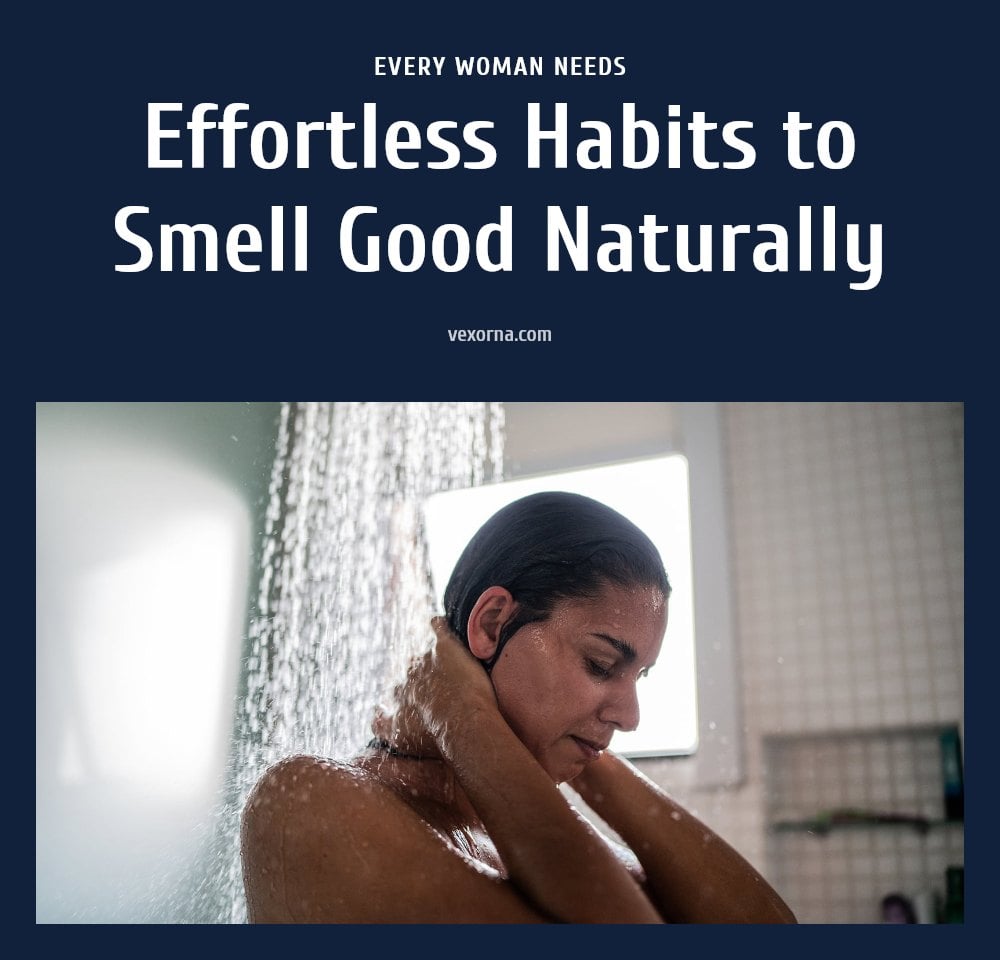
Smelling good naturally isn’t about dousing yourself in perfume every morning. It’s about building simple, consistent habits that keep you fresh from the inside out, so you can feel confident without a strong scent cloud following you around. In this article, I’ll walk you through the daily routines, smart product choices, and lifestyle tweaks that make all the difference.
Key Takeaways
- Shower daily with soap and water to remove sweat and bacteria that cause odor.
- Use an antiperspirant or deodorant every day, not just after workouts.
- Wear clean clothes, especially undergarments and socks, to prevent odor buildup.
- Stay hydrated and choose breathable fabrics like cotton and linen.
- Don’t rely on perfume to cover body odor; address the root cause first.
How to Smell Good Naturally All Day Long
Smelling good naturally is less about finding the perfect perfume and more about building consistent daily habits. I’ve found that a holistic approach, from what you eat to what you wear, makes the biggest difference in feeling fresh and confident. It focuses on preventing body odor and enhancing a subtle, pleasant scent, rather than masking smells with strong fragrances. Think of it as a foundation of hygiene, smart product choices, and mindful lifestyle habits that work together to keep you smelling your best all day.
Your Essential Toolkit for Lasting Freshness
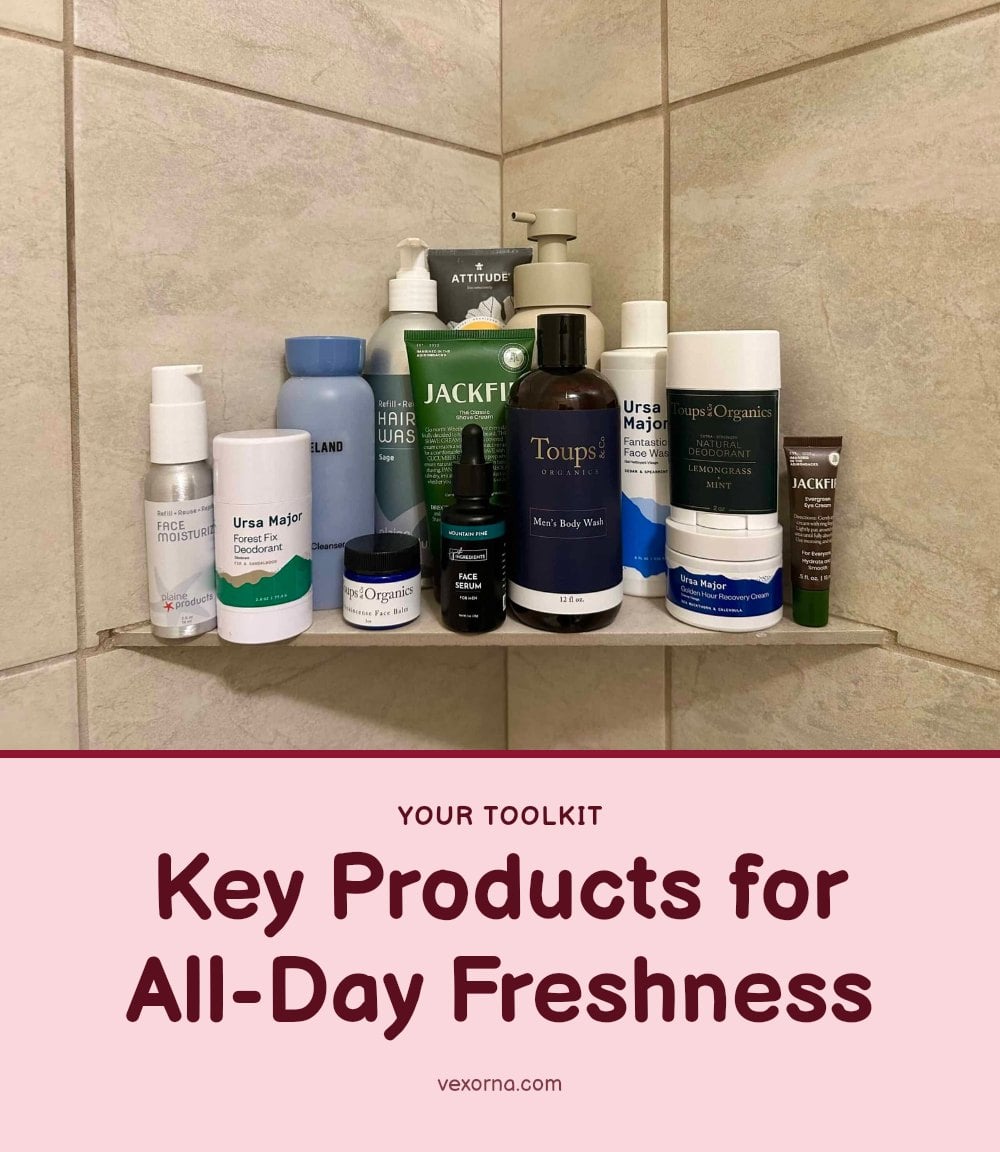
To build a reliable freshness routine, you need a few key items. Here is the essential toolkit I rely on.
- Soap or body wash: This is your first line of defense, removing sweat, bacteria, and dead skin cells that cause odor.
- Shampoo and conditioner: Oils and product buildup on your scalp can develop an unpleasant smell, so regular washing is key.
- Antiperspirant or deodorant: Antiperspirants reduce sweat production, while deodorants mask the odor from bacteria breaking down sweat. I use both.
- Toothbrush, toothpaste, and floss: Brushing twice a day and flossing daily is non-negotiable for fresh breath.
- Moisturizer or body lotion: Applying it after your shower helps lock in hydration and makes any subtle fragrance you wear last longer.
- Breathable clothing fabrics: Cotton, linen, and wool allow your skin to breathe, reducing sweat and the odor that follows.
Your Daily Routine for a Pleasant Scent

Start with a daily shower using soap and warm water. Focus on the areas most prone to sweat and odor: your armpits, groin, and feet. Take your time to wash thoroughly, and don’t forget your back and chest if you tend to sweat there.
- Shower with soap: Use a mild soap or body wash and lather well. Pay extra attention to your armpits, feet, and groin, where bacteria multiply fastest. Rinse completely to remove all residue.
- Apply antiperspirant or deodorant: Right after you dry off, apply antiperspirant to reduce sweat production, or deodorant to mask odor. Doing it immediately after showering works best because your pores are clean and the product can absorb more effectively.
- Brush and floss your teeth: Brush for two full minutes, twice a day, and floss once daily to remove food particles and plaque that cause bad breath. Add a tongue scraper if you want extra freshness.
- Wear clean clothes: Put on fresh undergarments, socks, and outerwear every day. Re-wearing items that have touched your skin, even for a few hours, lets bacteria and sweat build up and create odors.
- Moisturize your skin: After showering, apply a light moisturizer or body lotion. Hydrated skin holds onto subtle fragrances longer, so your body wash or a light spritz of scent will last through the day.
My tip: Keep a small travel-size deodorant in your bag for midday touch-ups, especially in warmer months. A quick swipe after a workout or a stressful meeting can make all the difference.
Smart Habits Beyond Your Daily Cleanse

Beyond your daily shower, a few lifestyle habits make a real difference in how you smell.
- Stay hydrated: Drinking plenty of water throughout the day helps flush toxins from your body, which can positively affect your scent.
- Choose breathable fabrics: Cotton, linen, and wool let your skin breathe, so you sweat less and smell fresher than you would in synthetics.
- Wash your hair regularly: How often depends on your hair type, but don’t let oil and product buildup sit for too long. A clean scalp smells clean.
- Consider your diet: Foods like garlic, onions, and strong spices can release compounds through your sweat, affecting your scent.
- Manage stress: Stress increases sweat production, which can lead to more body odor. Deep breathing or a short walk can help.
Common Mistakes That Can Undermine Your Freshness
Even with a solid routine, a few common mistakes can quietly undo your freshness. The biggest one is relying on perfume to cover up body odor. Perfume mixes with sweat and bacteria, often creating a worse smell. Always address the root cause with soap and antiperspirant first.
Not washing clothes frequently enough, especially activewear, allows bacteria to build up in the fabric. Wash workout gear after every use. Ignoring foot hygiene is another trap: damp socks and shoes breed odor-causing bacteria. Dry your feet thoroughly and wear clean socks daily.
Using too many clashing scented products, like a floral lotion with a spicy perfume, can create an overwhelming, unpleasant mix. Stick to one or two lightly scented items. Finally, overlooking your diet matters. Foods like garlic and onions release compounds through your sweat, so consider how your meals affect your scent.
Understanding Why You Might Not Smell Your Best
Body odor starts when bacteria on your skin break down sweat into acids. Sweat itself is mostly odorless, but warm, moist areas like armpits and feet let bacteria thrive and create that familiar smell. Poor hygiene, skipping showers or not washing properly, gives bacteria more fuel.
What else can affect your scent?
- Your diet: Foods like garlic, onions, and strong spices release sulfur compounds through your sweat and breath. These can linger for hours.
- Stress: When you are stressed, your apocrine glands produce a thicker, protein-rich sweat that bacteria love, intensifying odor.
- Clothing choices: Synthetic fabrics trap sweat and heat, creating a perfect environment for bacteria compared to breathable cotton or linen.
Understanding these causes helps you target the real problem instead of just masking it with fragrance.
When to Consult a Healthcare Professional
Most body odor is manageable with good habits, but some situations call for a doctor. If you experience persistent or unusually strong body odor despite consistent hygiene, it could signal an underlying condition like a metabolic disorder or infection.
Sudden changes in your scent that are not linked to diet or lifestyle also warrant a checkup. If you sweat excessively even when you are not active or warm, you might have hyperhidrosis, which treatments can address. And if a deodorant or antiperspirant causes skin irritation, redness, itching, or a rash, that does not go away after switching products, see a dermatologist. They can help you find alternatives that work for your skin.
Frequently Asked Questions
How can diet affect body odor?
Certain foods like garlic, onions, and strong spices can affect your body odor because their compounds are released through your sweat and breath. Staying hydrated by drinking plenty of water helps flush toxins from your body, which can positively impact your natural scent.
Can stress make me smell bad?
Yes, stress can increase sweat production, which may lead to more body odor. When you’re stressed, your body produces a different type of sweat that bacteria break down more quickly. Managing stress through relaxation techniques can help keep your scent more neutral.
What fabrics are best for preventing body odor?
Breathable fabrics like cotton, linen, and wool are best because they allow air to circulate and reduce sweat buildup. Synthetic materials like polyester tend to trap moisture and heat, creating an environment where odor-causing bacteria thrive.
How often should I wash my hair to smell good?
How often you wash your hair depends on your hair type. Oily hair may need washing every day or every other day, while drier hair can go longer, typically two to three times a week. Regular washing removes oils and product buildup that can develop an unpleasant smell.
Is it bad to use strong perfumes to cover odor?
Yes, relying on perfume to cover body odor is a common mistake. Perfume mixes with sweat and bacteria, often creating a worse smell. Always start with proper hygiene and use fragrance as a light accent, not a mask for underlying odor.
When should I see a doctor about body odor?
If you have persistent or unusually strong body odor despite consistent hygiene, it could signal an underlying condition like a metabolic disorder or infection. Sudden changes in your scent are also worth discussing with a healthcare professional.
Final Thoughts
My biggest recommendation is to start with the basics: a consistent daily shower, a reliable deodorant or antiperspirant, and clean clothes every day. You’ll notice a difference immediately, and sticking with it will keep you feeling fresh all day long. Remember, smelling good naturally is about prevention, not just covering up.
This article is for informational purposes only and does not constitute medical advice. If you have persistent body odor, skin irritation, or other health concerns, please consult a healthcare professional for personalized guidance.