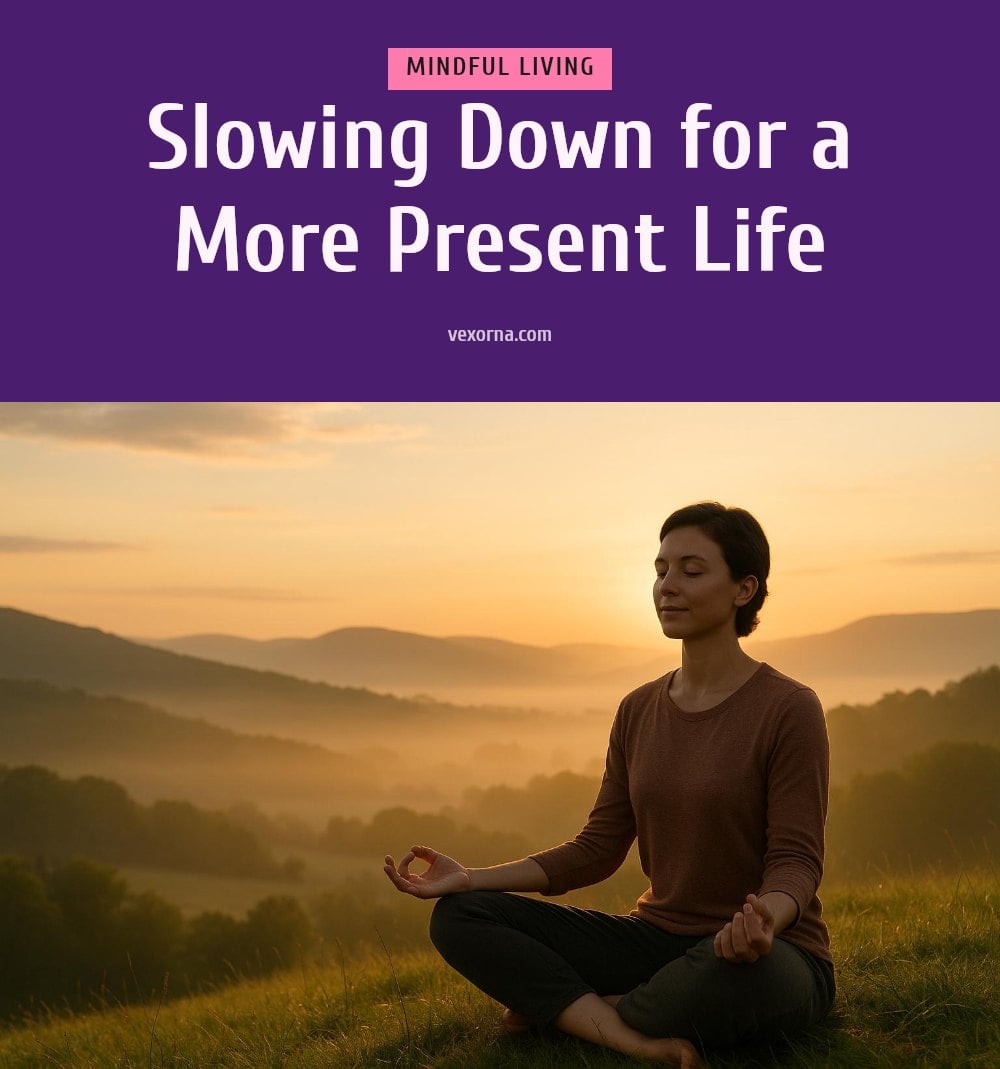
You know that feeling of always racing against the clock, even when you’re not sure what you’re rushing toward? I’ve been there, and the answer isn’t to do more. It’s to slow down. This article covers what slowing down really means, practical steps to integrate it into your day, common mistakes to avoid, and how to see lasting results without guilt.
Key Takeaways
- Schedule 15 to 30 minutes of intentional slow time each day.
- Practice single-tasking to improve focus and reduce stress.
- Set clear boundaries between work and personal time.
- Limit screen time before bed for better sleep quality.
- Start with one or two changes instead of overhauling everything at once.
What Does It Mean to Slow Down?
Slowing down means deliberately reducing your pace while raising your awareness, so you experience life more fully instead of rushing through it. It requires conscious choices that put your well-being ahead of constant busyness, like saying no to extra tasks or leaving earlier for appointments. The point is not to stop being productive, but to find a sustainable rhythm that brings calm and enjoyment into your everyday routine.
Tools to Help You Slow Down
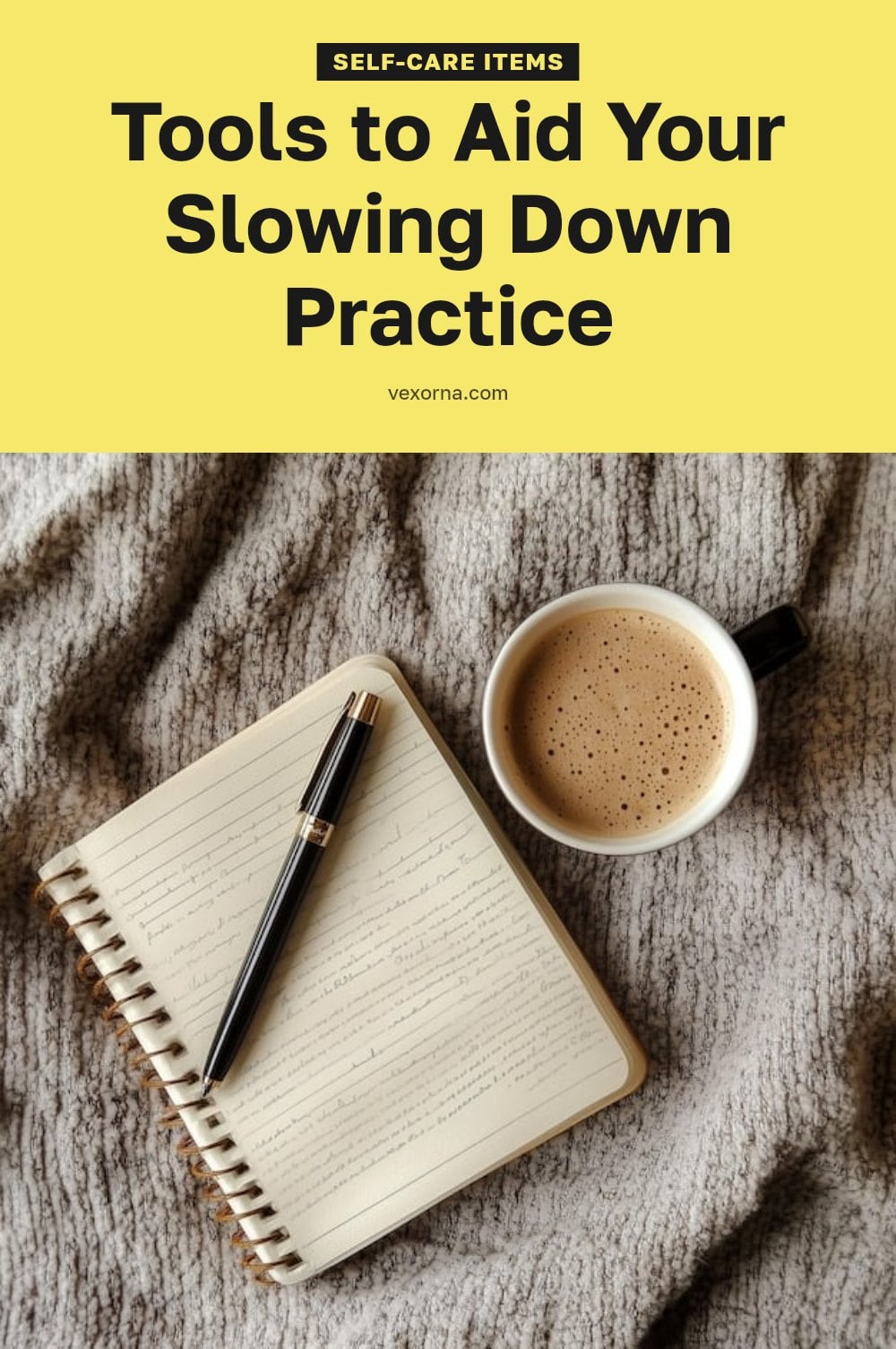
You do not need much to start slowing down. These low-cost items can make the habit easier to keep.
- Journal or notebook: Use it for evening reflection or morning intentions.
- Comfortable walking shoes: Keep them by the door for spontaneous outdoor breaks.
- Meditation app (optional): Guided sessions can help you build a few minutes of daily calm.
- Pillows or blankets: Create a cozy corner where you can sit without distractions.
- Timer: Set it for focused work blocks and for deliberate rest periods.
Practical Steps to Integrate Slowing Down into Your Day
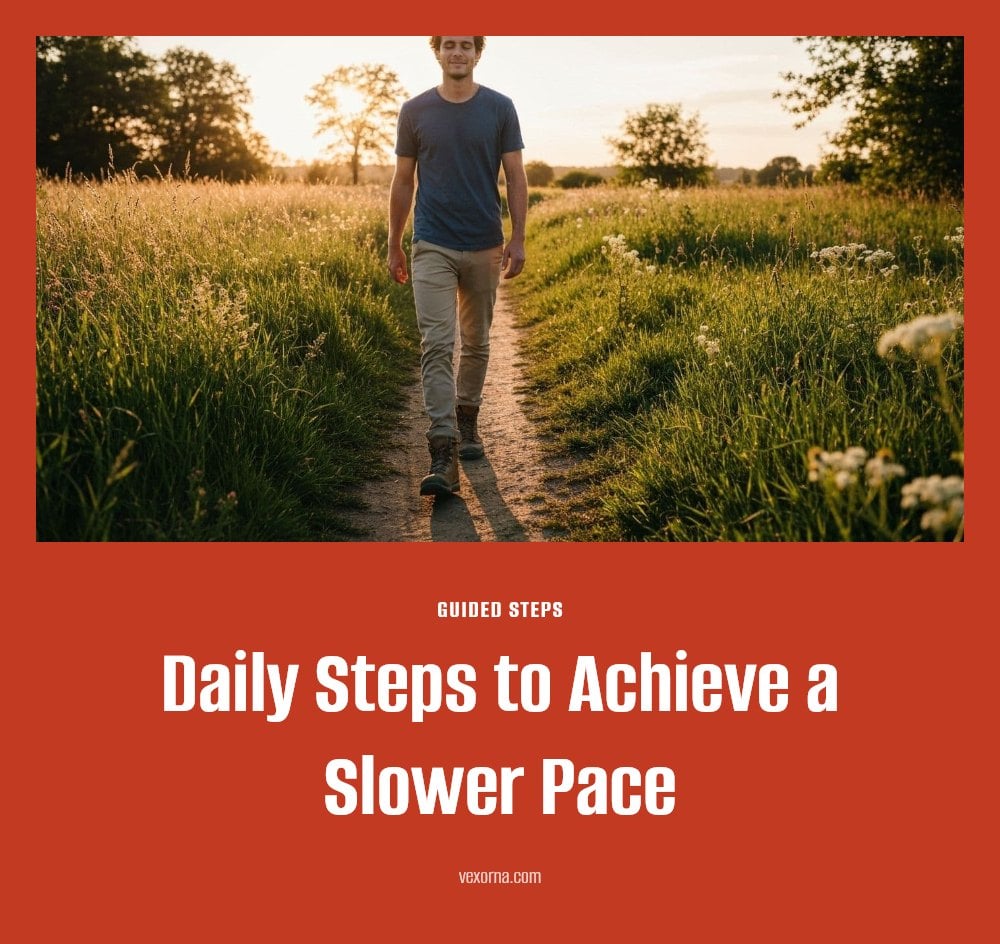
Integrating a slower pace into your day does not require a complete overhaul. Start with one or two of these steps and build from there.
- Schedule slow time: Block 15 to 30 minutes in your calendar each day for an activity that relaxes you, like reading or stretching, and treat it as non-negotiable.
- Eat mindfully: Put your phone away during meals, chew slowly, and notice the flavors and textures of each bite. This can help you feel more satisfied with less food.
- Take deliberate breaks: Every hour or two, step away from your desk for a few minutes. Stretch, breathe deeply, or look out a window to reset your focus.
- Single-task: Choose one activity and give it your full attention. Close extra browser tabs and ignore notifications until the task is done.
- Go outside: Even a five-minute walk around the block can lower stress. Leave your phone at home or in your pocket so you notice your surroundings.
- Create a calm morning: Wake up 10 to 15 minutes earlier than usual so you can ease into the day without rushing through breakfast or getting dressed.
- Review commitments: Once a week, look at your calendar and decline anything that does not align with your priorities. A polite no frees time for what matters.
- Prioritize sleep: Aim for 7 to 9 hours each night. Adequate rest improves your mood, focus, and ability to handle daily demands.
Common Mistakes When Trying to Slow Down
When you start slowing down, certain habits can work against you. Here are the common ones and what to do instead.
- Thinking it means doing nothing: Slowing down is not laziness. It is intentional rest and focus that supports productivity, not idleness.
- Expecting instant results: New practices take time to feel natural. Give yourself a few weeks before judging whether they help.
- Multitasking while present: Scrolling social media during a walk or checking email during a meal defeats the purpose. Keep one focus at a time.
- Skipping boundaries: Without clear lines between work and personal time, you will keep slipping back into a rushed pace. Set specific hours and stick to them.
- Over-scheduling leisure: Filling every free hour with planned activities turns relaxation into another obligation. Leave some unscheduled time for spontaneity.
Best Tips for a More Mindful Pace

Reduce multitasking: When you split your attention, every task takes longer and feels heavier. Try doing one thing at a time for 20 minutes. You will likely finish with more clarity and less tension.
Limit screen time before bed: Blue light from phones and laptops can keep your brain alert. Put devices away 30 minutes before sleep to improve rest and reduce mental clutter.
Pick a hobby that creates flow: Activities like knitting, gardening, or sketching pull your focus into the present. Even 10 minutes can shift your pace.
Practice gratitude: Each morning, name one thing you are looking forward to. This small shift helps you notice what is going well instead of what is rushing by.
Journal for reflection: A few lines at the end of the day can show you where you felt rushed and where you felt calm. Over time, the pattern helps you adjust.
The Benefits of Embracing a Slower Lifestyle

Slowing down does not mean doing less. It means doing what matters with more attention. When you reduce your pace, mental clarity improves because your brain is not switching between tasks constantly. Stress levels drop, which helps prevent burnout and makes daily demands feel manageable.
Presence in daily life grows. A meal, a conversation, or a walk becomes something you experience rather than something you check off. Sleep quality often improves because your mind has time to wind down before bed. Overall well-being rises as your body and mind settle into a rhythm that feels sustainable, not frantic.
How Long Does It Take to See Results?
You may notice small benefits on the first day, a calmer morning, a clearer head after a short break. Those early wins are real. But lasting change takes repetition. With consistent practice over weeks and months, the slower pace becomes your default, and the shifts in well-being deepen.
The cost is minimal. A journal and a pair of walking shoes are optional; your main investment is time. Slowing down is not a one-time fix. It is an ongoing practice that adapts with you.
When to Seek Professional Help
If feelings of overwhelm, anxiety, or burnout are severe or interfere with your daily functioning, such as work, relationships, or basic self-care, slowing down alone may not be enough. These strategies are wellness tools, not a substitute for professional care.
Consult a healthcare provider or mental health professional for persistent issues. A doctor can help you rule out underlying conditions and recommend treatment that fits your situation.
Frequently Asked Questions
How can I start slowing down if I’m always busy?
Start by blocking just 15 minutes in your calendar for a relaxing activity, like stretching or sipping tea without distractions. Gradually increase that time. Also, review your commitments and politely decline tasks that don’t serve you. Small, consistent steps build momentum without overwhelming your schedule.
Does slowing down mean I’ll be less productive?
Not at all. Slowing down often boosts productivity by reducing multitasking and mental fatigue. When you focus on one task at a time, you complete it more efficiently and with greater clarity. It’s about working smarter, not harder.
What if I feel guilty when I try to slow down?
Guilt is common, but remind yourself that intentional rest supports long-term productivity and well-being. Reframe slowing down as a necessary part of sustainable success, not laziness. Over time, the guilt usually fades as you notice the benefits.
How long does it take to feel the benefits of slowing down?
You may notice small benefits, like a calmer morning or clearer focus, on the first day. However, lasting changes typically take weeks to months of consistent practice. The key is repetition, so the slower pace becomes your new default.
Can technology help or hinder my efforts to slow down?
Technology can help if used intentionally, such as a meditation app for guided relaxation. But it can hinder if you scroll social media during a walk or check emails during slow time. Set boundaries, like turning off notifications during designated slow periods.
Final Thoughts
My tip: Pick one small step from this article and try it for a week. Even a few minutes of mindful breathing or a short walk can shift your day. Realize that lasting change takes weeks to months of consistent practice, not instant results. Slowing down isn’t about doing nothing. It’s about doing what matters with more attention and less rush.
This article is for general informational purposes only and does not constitute medical or mental health advice. If you experience severe or persistent feelings of overwhelm, anxiety, or burnout that interfere with daily life, please consult a qualified healthcare professional. Slowing down is a wellness strategy, not a substitute for professional care.