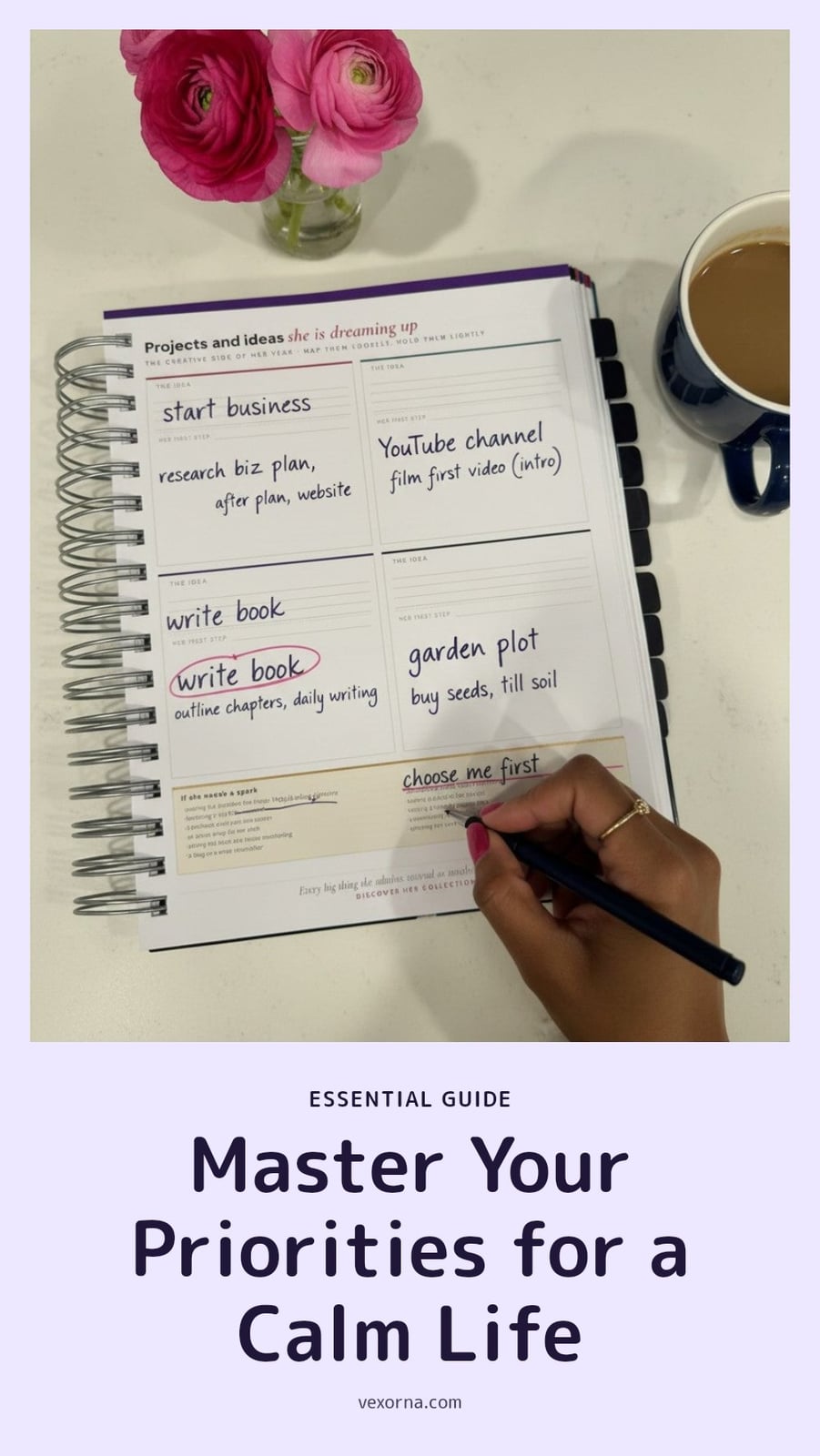
Feeling pulled in a dozen directions? You’re not alone. The key to a less overwhelmed life isn’t doing more, it’s doing what matters most. This article walks you through a practical, step-by-step method to set priorities, protect your energy, and build habits that stick, so you can focus on what truly counts.
Key Takeaways
- Start tasks before you feel ready; action builds motivation.
- Time block your entire week every Sunday to reduce decision fatigue.
- Choose three non-negotiable priorities each week and layer in the rest.
- Schedule your hardest tasks for earlier in the day when willpower is highest.
- Pair one mental task with one physical task for smart multitasking.
What Does Setting Priorities Really Mean?
Setting priorities means consciously deciding what matters most to you, then aligning your daily actions with those values. It is about building a system to manage your time and tasks effectively, not just creating a long to-do list. This process involves making deliberate choices that reflect your long-term goals and well-being. When you do it consistently, it helps reduce stress, improves focus, and ensures your efforts contribute to meaningful outcomes.
Your Step-by-Step Guide to Setting and Sticking to Priorities
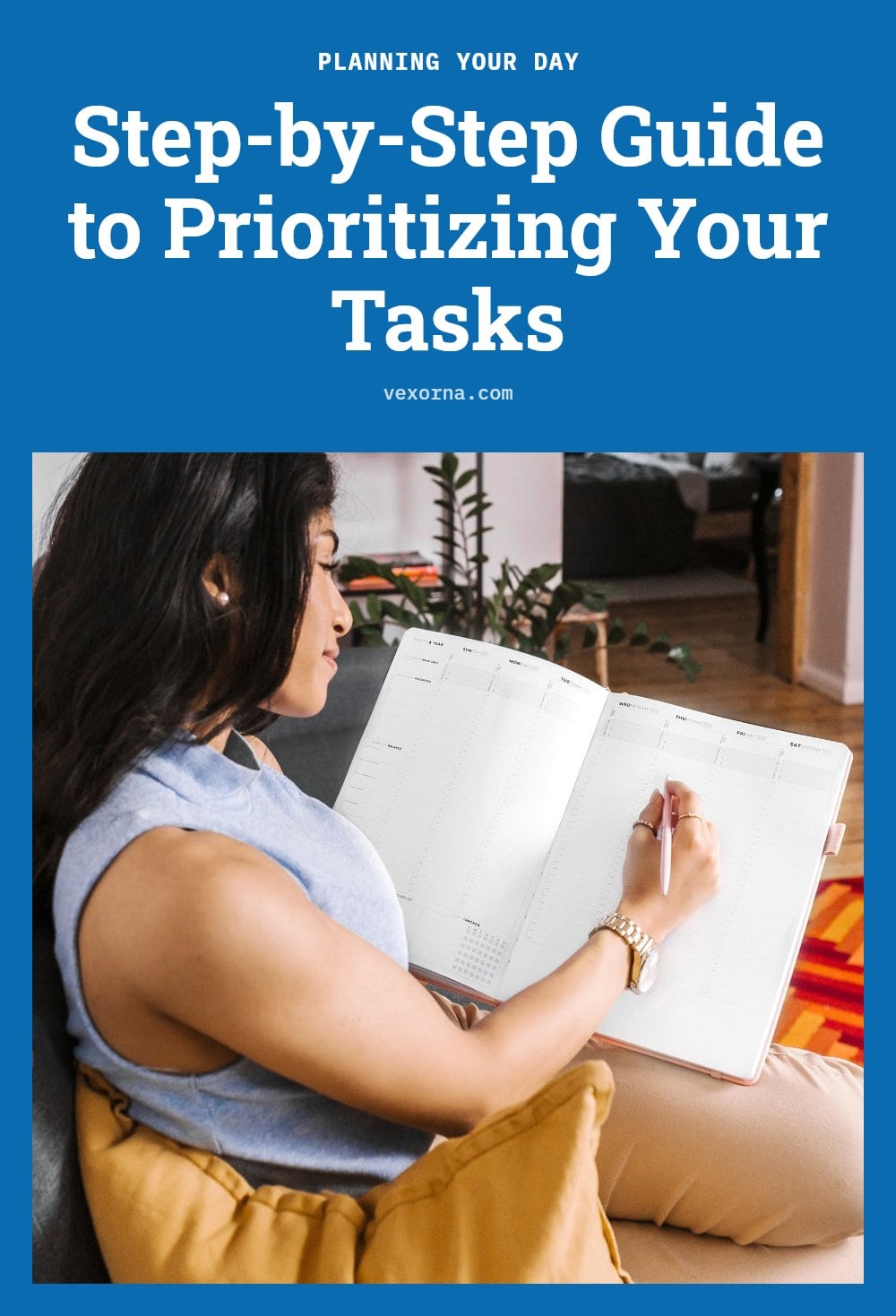
I have found that the method from Carlino Denver works well for setting and sticking to priorities. Here is how to apply it, step by step.
- Start before you feel ready: Do not wait for the perfect moment. Action builds motivation. If you want to exercise, commit to just 20 minutes at the gym. Often that short start leads to finishing the whole workout.
- Map your week with time blocking: Every Sunday, map out your entire week. Assign specific time chunks for activities like work, school, workouts, and even downtime. This reduces decision fatigue because your schedule is already set.
- Select three non-negotiables: Each week, choose three priorities that are non-negotiable, for example, school, work, and exercise. Then layer in other activities like hobbies or social time around them. This keeps you focused on what truly matters.
- Schedule tough tasks early: Your willpower is highest earlier in the day. Put your most challenging tasks, such as deep work or school assignments, in the morning. Save easier tasks for the afternoon.
- Pair mental and physical tasks: Smart multitasking saves time without splitting focus. Listen to an audiobook while cleaning, or review notes while walking on a treadmill. This makes chores and workouts more enjoyable.
- Focus on consistency, not intensity: Build small, repeatable habits. Read 10 pages a day or exercise for 30 minutes four times a week. Avoid going all in for a short period and burning out. Small habits accumulate over time without feeling overwhelming.
Prefer to watch? Carlino Denver walks through the whole method in this 4-minute video. The how-to part starts at 0:37.
Why Prioritization Is Your Secret Weapon Against Overwhelm
Prioritization helps you distinguish between urgent tasks that demand immediate attention and important tasks that contribute to your long-term goals. When you focus on what truly matters, you reduce decision fatigue and direct your energy more effectively. Aligning your actions with your core values leads to a greater sense of purpose and accomplishment. This significantly reduces stress because you are not constantly reacting to every request. Instead, you make deliberate choices that reflect your priorities.
Tools and Techniques to Support Your Prioritization Journey
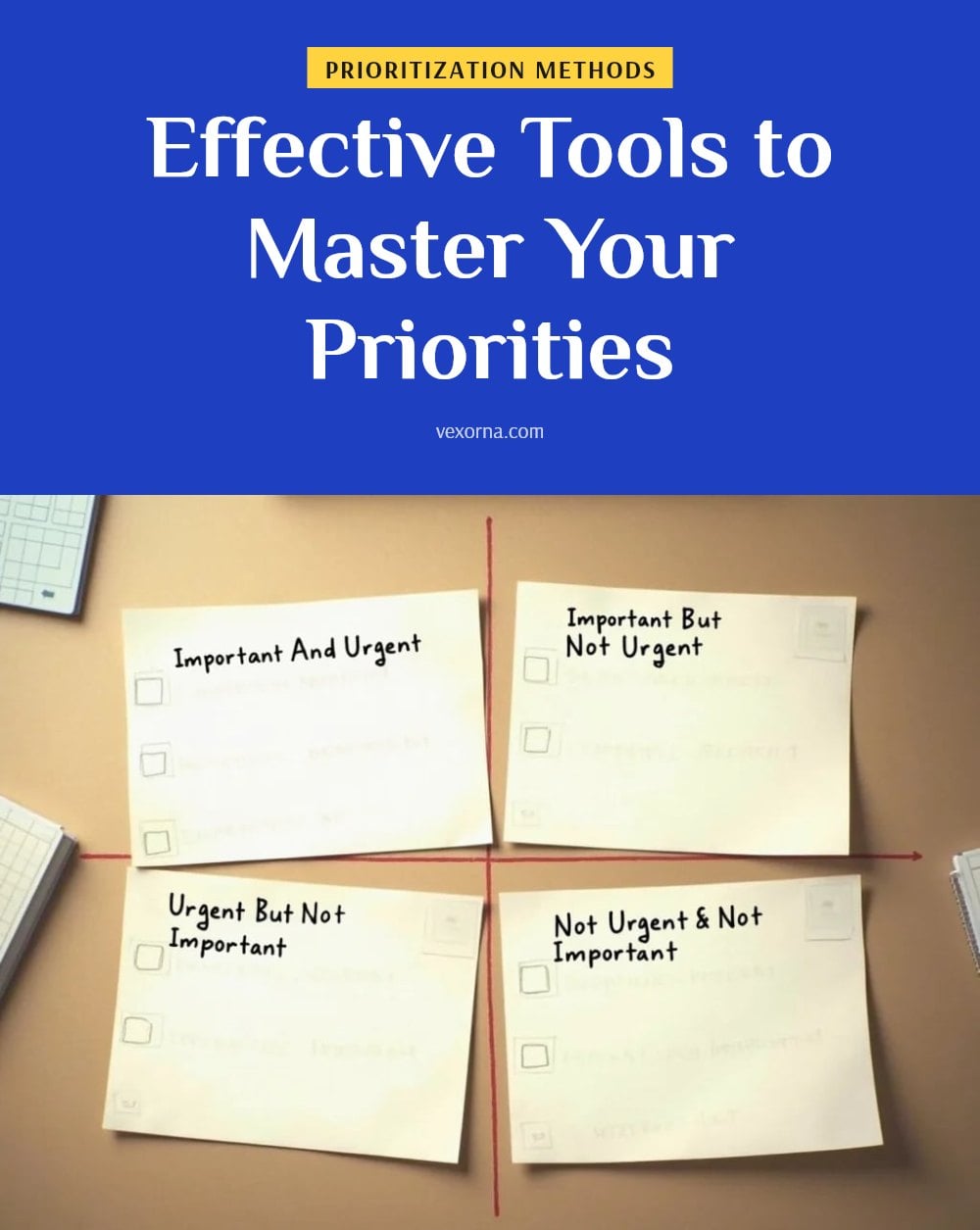
Prioritization Tools That Actually Work
You do not need fancy gadgets to get started. A simple planner, a digital calendar, or even sticky notes can support your prioritization journey. Here are the most effective techniques I use.
- Eisenhower Matrix: Categorize tasks into four quadrants: urgent and important, important but not urgent, urgent but not important, and neither. Focus first on what is important but not urgent, those tasks drive long-term results.
- Values clarification: Before setting priorities, take 15 minutes to write down your core values. Your priorities should reflect what truly matters to you, or they will feel meaningless.
- Pareto Principle (80/20 rule): Roughly 80 percent of effects come from 20 percent of causes. Identify the vital few tasks that yield the most significant results and focus on those.
- Time blocking: Assign specific time slots for important tasks in your calendar. This ensures dedicated time for what matters, rather than hoping you will get to it later.
Tip: Start with just one method. Try the Eisenhower Matrix for a week, then add time blocking later. Overloading yourself with tools defeats the purpose.
Common Prioritization Pitfalls to Avoid
Confusing Urgent with Important: Tasks that demand immediate attention often crowd out what truly matters for your long-term goals. Before jumping, ask: does this move me forward or just feel pressing?
Over-Committing: Trying to prioritize too many things at once leads straight to overwhelm and burnout. Pick three non-negotiable priorities for the week and let the rest wait.
Neglecting Self-Care: Rest and well-being are not optional extras. Without them, your focus and energy collapse. Schedule downtime the same way you schedule work.
Perfectionism Paralysis: Waiting for the perfect moment or flawless execution keeps you stuck. Done is always better than perfect. Start with a rough draft and improve from there.
Relying on Memory: Your brain is not a reliable filing system. Write down your priorities and tasks in a planner or app to keep them clear and actionable.
Smart Strategies for Maintaining Your Focus and Energy
Review Regularly: Priorities shift as life changes. Set a 15-minute check-in daily and a longer review weekly to adjust your focus.
Break It Down: A large goal like “write a book” feels overwhelming. Break it into smaller steps, such as outline chapters or draft 500 words, so you can tackle it without dread.
Practice Saying ‘No’: Protect your time by politely declining requests that don’t align with your current priorities. A simple “I can’t take that on right now” works.
Align with Energy: Schedule your most demanding tasks for when your energy naturally peaks, usually morning for most people. Save low-focus tasks for later.
Delegate When Possible: If someone else can handle a task effectively, pass it on. Delegating frees up your bandwidth for high-priority items only you can do.
How Long Until You See Results?
Timeline for Results: With consistent prioritization, improved focus and reduced stress often become noticeable within a few weeks. Stick with it.
Ongoing Process: Prioritization is not a one-time fix. It requires daily, weekly, and monthly reviews to stay aligned with your changing circumstances.
Time Investment: Setting up your system may take a couple of hours initially, but daily and weekly reviews typically need only 15 to 30 minutes.
Cost: The main cost is your time and commitment. Most tools, like a basic planner or a free calendar app, are low-cost or free.
Frequently Asked Questions
How do I choose my top three priorities if everything feels important?
Start by clarifying your core values and long-term goals. Ask yourself which activities align most with those values and will have the biggest impact. Use the Pareto Principle: focus on the vital few tasks that contribute most to your goals. If still stuck, consider what would have the most negative consequence if left undone.
What should I do when unexpected events disrupt my schedule?
Time blocking is flexible, not rigid. When an unexpected event arises, reschedule the affected time block to another slot in your week. Keep your three non-negotiable priorities intact, and let less important tasks slide if needed. A quick weekly review helps you adjust and stay on track.
How can I recover if I miss a day or week of my planned priorities?
Don’t aim for perfection. Acknowledge the miss, then restart with your next scheduled time block. Revisit your weekly plan, adjust priorities if circumstances changed, and focus on consistency over intensity. One missed day doesn’t erase your progress, so just get back to it.
Are there specific apps that help with time blocking and task management?
You don’t need fancy gadgets. A simple planner, a digital calendar, or even sticky notes work well. If you prefer digital, any calendar app with time slots can support time blocking. The key is to pick a tool you’ll actually use consistently, not to chase the latest app.
How can I manage digital distractions while focusing on priorities?
Set boundaries around your focus time. Turn off non-essential notifications, keep your phone in another room, or use a website blocker during deep work. Schedule specific times to check messages and social media, so they don’t interrupt your priority tasks. Consistency with these habits builds over time.
Final Thoughts
My tip: pick your three non-negotiable priorities every Sunday and time block your week around them. Expect to feel more focused and less stressed within a few weeks as the habit becomes routine. Remember, prioritization is an ongoing practice, so review and adjust daily, weekly, and monthly. Done is better than perfect, and consistency beats intensity. Start small, stay flexible, and keep what matters most at the center.