Waking up with puffy under-eye bags can make you feel like you didn’t sleep at all, even after a full night’s rest. The good news is that many causes, like fluid retention, lack of sleep, or allergies, are temporary and respond well to simple at-home habits. In this article, I’ll walk you through the most effective methods to reduce puffiness, plus the lifestyle changes that help keep eye bags from coming back.
Key Takeaways
- Cold compresses (chilled spoons or cucumber slices) can temporarily shrink blood vessels and reduce puffiness in 10-15 minutes.
- Cutting back on sodium and drinking enough water helps prevent fluid retention that causes eye bags.
- Sleeping 7-9 hours a night with your head slightly elevated keeps fluid from pooling under your eyes.
- Use an eye cream with caffeine or hyaluronic acid; results from consistent use may appear in weeks to months.
- If eye bags come with pain, redness, itching, or vision changes, see a doctor right away.
What Causes Eye Bags and How to Reduce Them
Eye bags are that mild swelling under your eyes that can make you look tired even when you’re not. They’re usually caused by fluid retention, lack of sleep, allergies, genetics, or aging. The good news is you can reduce their appearance with simple lifestyle changes and home remedies like cold compresses, staying hydrated, and getting proper sleep. If your eye bags are persistent or come with pain or vision changes, it’s smart to consult a doctor.
Why You Get Eye Bags: The Underlying Reasons

Why You Get Eye Bags: The Underlying Reasons
Understanding what’s behind your eye bags is the first step to dealing with them. Here are the main culprits:
- Fluid retention: A high-salt diet or dehydration can cause your body to hold onto water, leading to temporary puffiness under the eyes.
- Lack of sleep: When you don’t get enough rest, blood vessels become more visible and fluid can pool, making bags more noticeable.
- Aging: Over time, the tissues around your eyes weaken. This allows fat that normally supports the eye to move forward, creating a puffy appearance.
- Allergies: They trigger inflammation and fluid buildup, which can cause puffiness.
- Genetics: Some people are simply predisposed to having eye bags, regardless of their habits.
Effective At-Home Methods to Reduce Eye Bags

Effective At-Home Methods to Reduce Eye Bags
You don’t need a fancy clinic to tackle temporary puffiness. Try these methods at home:
- Cold compresses: Chill two spoons or cucumber slices and place them over your closed eyes for 10-15 minutes. The cold constricts blood vessels and reduces swelling.
- Caffeine topically: Use a caffeinated eye cream or chilled green/black tea bags. Caffeine constricts blood vessels, temporarily calming puffiness.
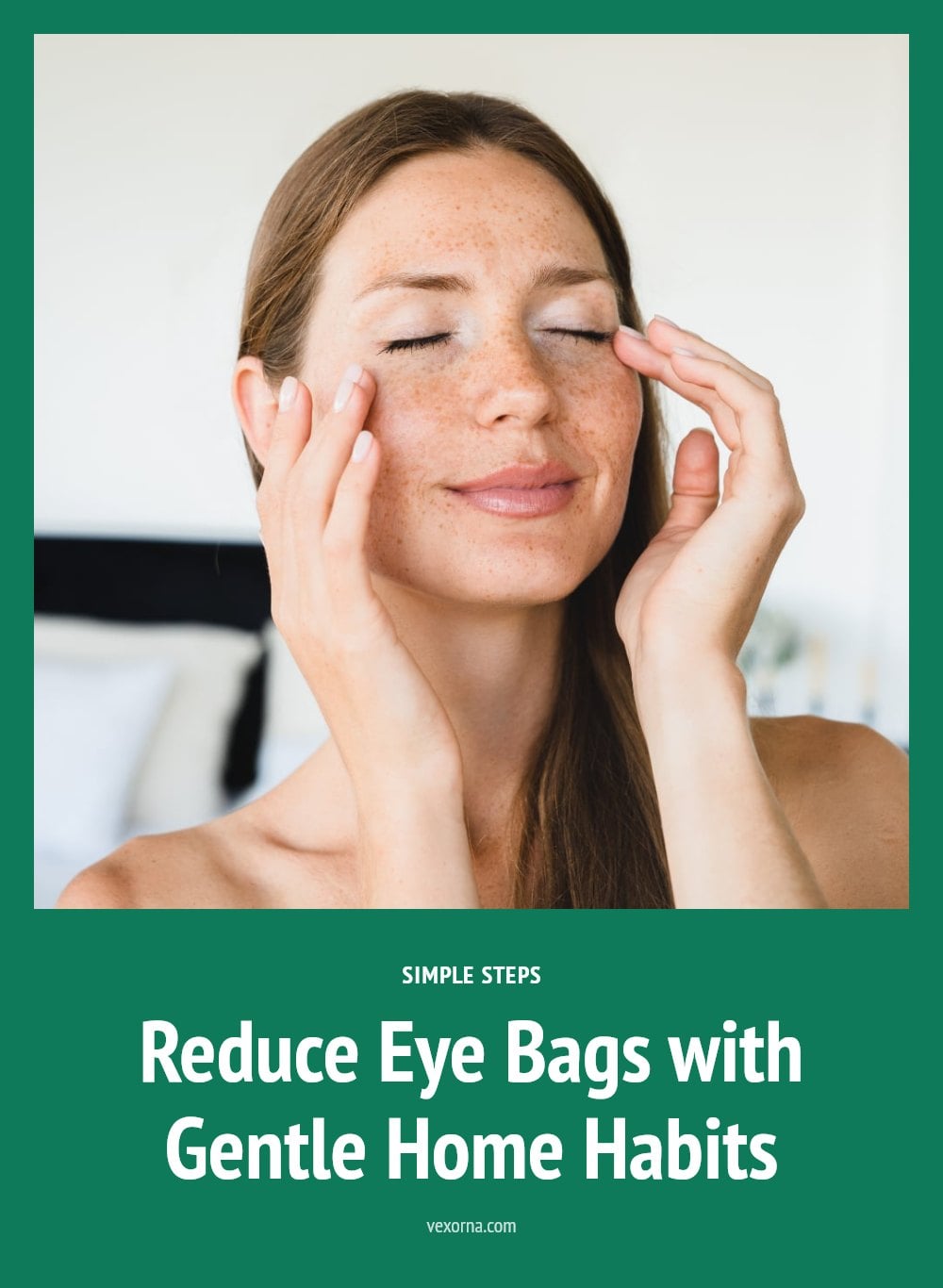
- Gentle massage: Use your ring finger to tap or lightly stroke from the inner corner outward. This boosts circulation and lymphatic drainage, which can reduce fluid buildup.
- Hydration and low sodium: Drink plenty of water and cut back on salty foods. This helps prevent the fluid retention that leads to eye bags.
Keep in mind that these remedies offer temporary relief. For age-related or genetic eye bags, consistent use of eye creams with ingredients like hyaluronic acid or retinol may improve skin firmness over weeks to months.
Preventing Eye Bags: Lifestyle Habits That Help

Preventing Eye Bags: Lifestyle Habits That Help
Long-term prevention is about building habits that keep fluid from pooling and skin strong. Here’s what I stick to:
- Sleep 7-9 hours nightly: Quality rest keeps blood vessels calm and fluid distribution even.
- Elevate your head while sleeping: Use an extra pillow to keep fluid from settling under your eyes overnight.
- Stay hydrated: Drink water throughout the day to prevent your body from holding onto excess fluid.
- Cut back on sodium: Less salt means less fluid retention, which directly reduces puffiness.
- Protect from sun: Wear sunglasses and apply broad-spectrum SPF around your eyes to prevent collagen breakdown that worsens bags.
- Manage allergies: If allergies are a trigger, use antihistamines or avoid triggers to keep inflammation down.
Common Mistakes to Avoid When Dealing With Eye Bags
Rubbing your eyes aggressively: This irritates the thin skin and can worsen puffiness. If they itch, try a cold compress instead.
Ignoring your diet and hydration: High sodium and low water intake cause fluid retention that shows up under your eyes. Cut salty snacks and drink water consistently.
Expecting permanent results from temporary fixes: Cold compresses and tea bags reduce swelling for a few hours. For age-related eye bags, no home remedy will eliminate them permanently.
Using harsh facial creams near your eyes: Standard moisturizers can be too heavy or irritating. Stick to products labeled for the eye area.
Blaming only lack of sleep: Eye bags often come from genetics, allergies, or aging. If you sleep well but still have puffiness, look at other causes.
When to Consult a Doctor About Your Eye Bags
Pain, redness, itching, or vision changes: These symptoms can signal an infection or other medical issue. See a doctor promptly.
Severe, persistent, or sudden puffiness: If one or both eyes swell noticeably overnight or stay swollen for days, get a professional opinion.
Suspected underlying condition: If you have thyroid disease, kidney issues, or chronic allergies that could be causing eye bags, consult your healthcare provider.
Frequently Asked Questions
Can eye bags be a sign of a serious health problem?
Yes, in some cases. If you notice pain, redness, itching, vision changes, or sudden, persistent puffiness, it could indicate an infection, allergy, or another underlying condition. See a doctor promptly to rule out anything serious.
How long does it take for home remedies to work on eye bags?
Cold compresses and other temporary methods give immediate relief that lasts a few hours. Lifestyle changes like better sleep, reduced sodium, and consistent use of a good eye cream may show noticeable improvement in weeks to months. For chronic or age-related bags, results are gradual.
Are there any foods that can help reduce eye bags?
Reducing high-sodium foods (like chips, canned soups, and fast food) can help minimize fluid retention that causes puffiness. Staying hydrated with water also supports your body’s fluid balance. No single food will erase eye bags, but a balanced, low-sodium diet can make a difference over time.
Is it okay to use regular face cream under my eyes?
It’s best to avoid it. The skin around your eyes is thinner and more delicate than the rest of your face. Regular face creams can be too heavy or irritating, potentially worsening puffiness or causing breakouts. Stick to products labeled for the eye area.
Can drinking more water really help with eye bags?
Yes, staying well-hydrated can help prevent fluid retention that contributes to eye bags. When you’re dehydrated, your body holds onto water, which can show up as puffiness under your eyes. Aim for enough water throughout the day, but don’t overdo it, balance is key.
Final Thoughts
For most people, the best approach is a combination of quick fixes and long-term habits. My tip: start with a cold compress in the morning for immediate relief, then focus on hydration and sleep quality to prevent future puffiness. Don’t expect permanent elimination from home remedies alone, especially if your eye bags are age-related or genetic, but you can significantly improve their appearance with consistency. Stick with these simple habits, and you’ll likely see a difference in a few weeks.
This article is for general informational purposes only and does not constitute medical or professional advice. If you have persistent or severe eye bags, pain, redness, itching, or vision changes, consult a doctor or dermatologist for a proper evaluation and treatment plan.