You know that heavy, bitter feeling that lingers long after the argument is over? That’s resentment, and it’s more than just a bad mood. It’s a slow-burning emotion that can quietly drain your energy and keep you stuck in the past. This article walks through eight practical steps to help you acknowledge what you’re feeling, understand where it comes from, and begin the process of letting it go so you can find real peace.
Key Takeaways
- Acknowledge resentment without judging yourself for having it.
- Identify the specific event or pattern that triggered your feelings.
- Assess how resentment is affecting your daily life and relationships.
- Forgiveness means releasing your own burden, not condoning the hurt.
- Set healthy boundaries to prevent future resentment from building.
What is Resentment and Why Does It Matter?
Resentment is not the same as a quick flash of anger. It is a chronic, low-grade emotion that builds slowly after a perceived wrong or injustice and can simmer for weeks, months, or longer. Holding onto it does more than sour your mood. It can trigger chronic stress, anxiety, and depression. Many people also notice physical effects, including high blood pressure, frequent headaches, and digestive issues. That is why addressing resentment matters for both your mental and physical health.
1. Acknowledge Your Feelings
The first move is not to fix the feeling but to name it. Acknowledge your bitterness or anger without judging yourself for having it. Resentment is a natural human response to feeling wronged. Suppressing it only makes it stronger. My tip: Sit with the emotion for a moment. Do not try to solve it or push it away. Just notice where it sits in your body and what thoughts come up. Giving yourself permission to feel it fully is the foundation for letting it go.
2. Identify the Root Cause

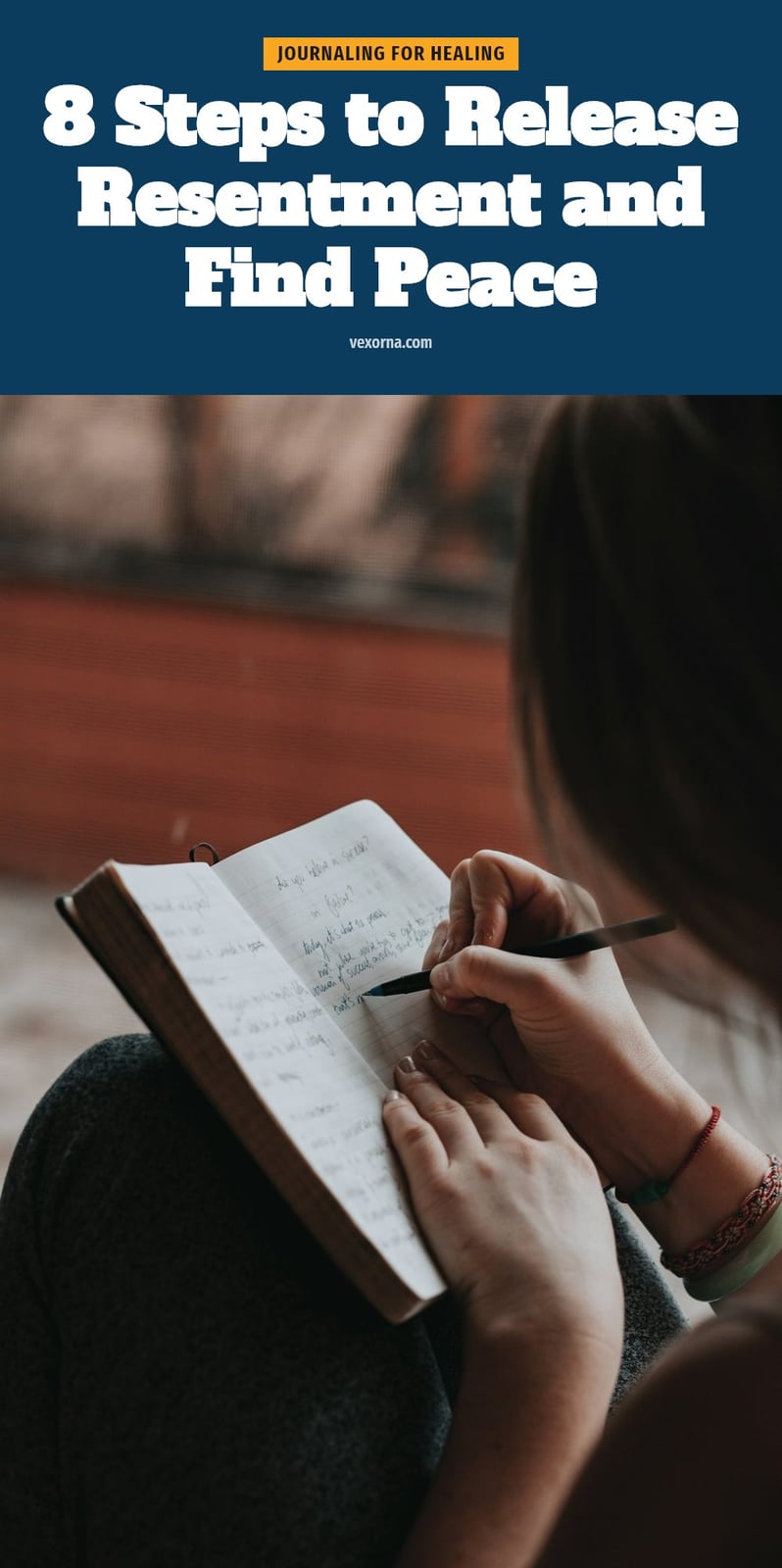
Resentment rarely appears out of nowhere. Pinpoint the specific event, situation, or recurring pattern that triggered it. Common roots include feeling betrayed, treated unfairly, or consistently unappreciated. My tip: Grab a notebook and pen and write freely about what happened and how it made you feel. A simple journaling session often reveals connections you did not see at first. The clearer you are about the cause, the easier it becomes to address.
3. Understand Its Impact
Take a moment to honestly assess how resentment is affecting your daily life, your relationships, and your overall well-being. It can drain your energy, make you irritable, and keep you stuck replaying past events. Research links prolonged resentment to chronic stress, anxiety, and depression, as well as physical symptoms like headaches and high blood pressure. Seeing the real cost of holding on can be the push you need to start working toward release.
4. Practice Self-Compassion

Be kind to yourself during this process. Releasing deep-seated emotions takes time and effort, and self-criticism only adds to the burden. Mindfulness and self-compassion practices can help you process and let go of resentful feelings without forcing them away.
Tip: Try a guided meditation focused on self-kindness or simply take a few deep breaths when you feel overwhelmed. A short pause can reset your nervous system and remind you that you deserve care, not blame.
5. Communicate When Appropriate
If it is safe and appropriate, consider talking to the person involved to express your feelings constructively. Use “I” statements to describe how their actions affected you without accusing them. This kind of direct communication can sometimes resolve the underlying issues that fuel resentment.
Caution: If the situation involves abuse or an unsafe dynamic, prioritize your safety and seek professional help instead of direct confrontation. Your well-being comes first.
6. Set Healthy Boundaries
Establish clear and healthy boundaries in your relationships to prevent future situations that might lead to resentment. Boundaries protect your emotional well-being by defining what behavior you will and will not accept. Communicate your needs calmly and directly, without apologizing for them.
Good to know: Remember, setting boundaries isn’t about controlling others; it’s about taking care of yourself. A clear boundary can stop resentment from building in the first place.
7. Embrace Forgiveness or Acceptance

Forgiveness is a key component in releasing resentment, but it does not mean condoning the hurtful action. It means freeing yourself from the burden of anger. If forgiveness feels impossible, focus on acceptance of what cannot be changed. This is a crucial step in moving past the feeling.
Focusing on gratitude can also help shift your perspective away from past grievances. Each day, note one small thing you are thankful for, even if it is unrelated to the situation.
8. Seek Professional Support
If your resentment is deeply rooted, overwhelming, or significantly affecting your daily life, relationships, or mental health, it is worth seeking guidance from a therapist or counselor. A professional can offer tools and strategies tailored to your specific situation and help you navigate emotions that feel too tangled to sort out alone. This is not a sign of weakness but a proactive step toward your well-being. I’ve seen how much a professional can help when you feel stuck.
- Look for a fit: Many people try one or two counselors before finding someone they trust, and that is normal.
- Be specific: Describe the pattern, how long it has lasted, and how it shows up in your body and relationships.
- Ask about approach: Some counselors focus on forgiveness work, others on communication or trauma; say what you need.
Common Mistakes When Dealing with Resentment
A few habits keep resentment alive long after the original hurt. Watch for these, and swap them for the alternative.
- Confusing forgiveness with condoning: Forgiving someone doesn’t mean you’re saying what they did was okay; it means you’re releasing yourself from the burden of anger.
- Believing letting go means forgetting: Releasing resentment allows you to remember without the emotional pain, not erase the memory.
- Waiting for the other person to act: Your emotional healing is within your control, so don’t put it on someone else’s timeline.
- Underestimating the physical toll: Prolonged resentment can genuinely impact your physical health, so take it seriously rather than brushing it off.
- Dwelling excessively on the past: Acknowledging the past matters, but replaying it without seeking resolution or moving forward keeps you stuck.
Frequently Asked Questions
What is the difference between resentment and anger?
Anger is typically a quick, intense reaction to a specific event. Resentment is a chronic, low-grade emotion that builds slowly and lingers over time. While anger flares and often fades, resentment simmers beneath the surface and can last for weeks, months, or longer, making it harder to shake without deliberate effort.
Can resentment ever be healthy?
In very small doses, resentment can signal that a boundary has been crossed or that something feels unfair, prompting you to address the issue. However, holding onto resentment long-term is not healthy. It can contribute to chronic stress, anxiety, and depression, and it can damage relationships. The goal is to use it as a cue to act, not to let it settle in.
How long does it take to overcome resentment?
There is no set timeline. The process is highly individual and depends on the depth and duration of the resentment, as well as your willingness to work through it. Some people feel relief in a few weeks, while others may need several months or longer. The key is consistent effort and self-compassion, not rushing the process.
What if the other person doesn’t apologize?
You do not need an apology to heal. Your peace does not depend on the other person’s actions. Focus on what you can control, your own reactions and choices. Practicing acceptance of what cannot be changed, and choosing forgiveness for yourself, can help you move forward even when the other person never says sorry.
Can resentment lead to physical health problems?
Some research suggests that prolonged resentment may contribute to physical symptoms such as high blood pressure, headaches, and digestive issues. While not everyone experiences these effects, the chronic stress that accompanies resentment can take a toll on your body over time. Addressing resentment early can support both your mental and physical well-being.
Final Thoughts
Letting go of resentment is not about forgetting what happened or waiting for an apology. It’s about choosing your own peace over staying stuck in anger. Start with one step from this list, whether that’s journaling about the root cause or simply naming the feeling out loud. Expect this to take weeks or months, not days, and be patient with yourself. You deserve to feel lighter, and you can get there one small action at a time.
This article is for informational purposes only and does not constitute medical or professional advice. If your feelings of resentment are overwhelming, affecting your daily life, or linked to an unsafe situation, please seek guidance from a licensed therapist or counselor.