If you often feel drained after a conversation or overwhelmed in a busy room, you might be an empath. Protecting your energy is key to staying balanced, and the right habits can make all the difference. This article covers what it means to be an empath, essential tools, step-by-step energy protection, common pitfalls, and daily practices that build resilience.
Key Takeaways
- Set clear verbal and energetic boundaries to avoid emotional overload.
- Practice grounding techniques daily, like deep breathing or visualization.
- Use a journal to separate your own feelings from absorbed emotions.
- Schedule regular alone time for reflection and emotional processing.
- Seek professional support if feelings of overwhelm or anxiety become persistent.
What Does It Mean to Be an Empath?
An empath is someone highly attuned to the emotions and energies of others, often absorbing them as their own. This can lead to overwhelm and fatigue, especially in crowded or intense settings. While being an empath is not a clinical diagnosis, it’s a real experience for many. Managing this sensitivity requires practical strategies like setting boundaries and prioritizing self-care to maintain your well-being.
Essential Tools for Empathic Well-being
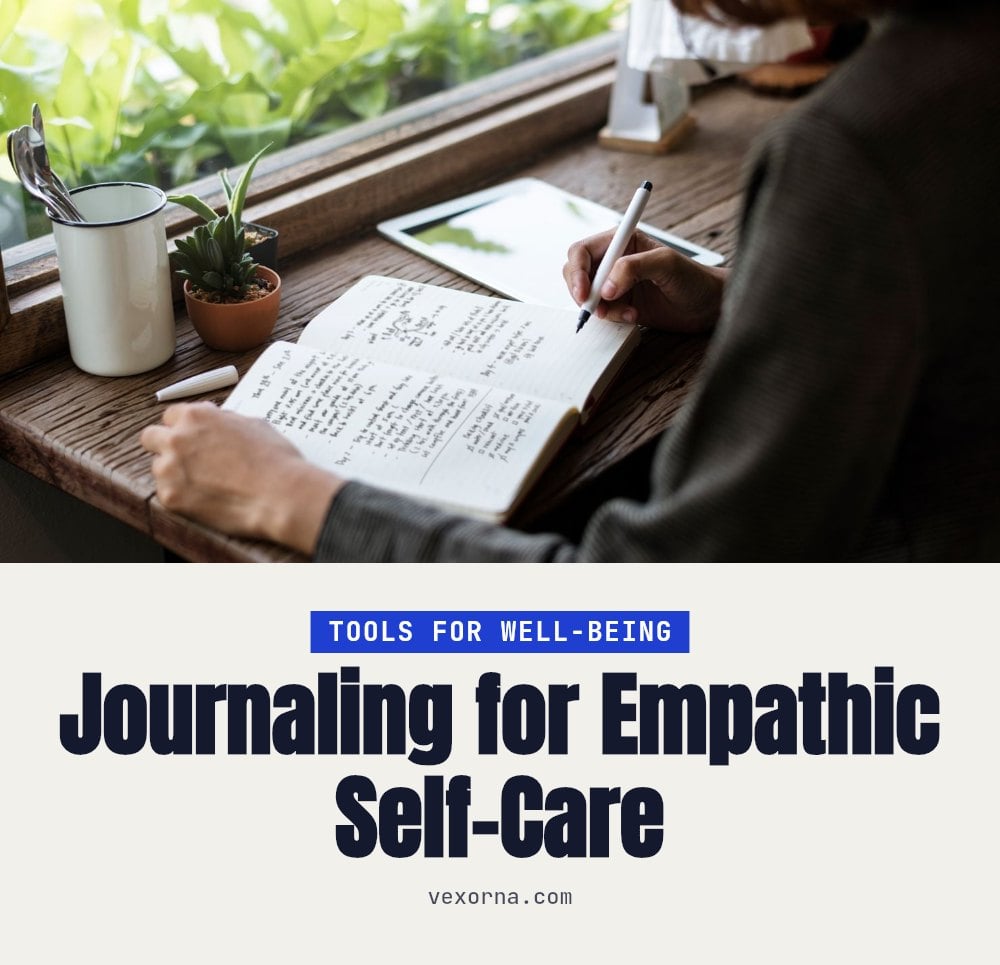
Having the right tools can make a significant difference in managing empathic sensitivity. Here are essentials I’ve found useful:
- Journal: Helps you process emotions and separate your own feelings from absorbed ones.
- Meditation apps or guides: Support grounding and mindfulness practices.
- Noise-canceling headphones: Create a sanctuary in overwhelming environments.
- Comfortable clothing: Promotes physical ease and relaxation.
- Access to nature: Parks or trails are crucial for recharging and grounding.
Step-by-Step: Protecting Your Energy as an Empath
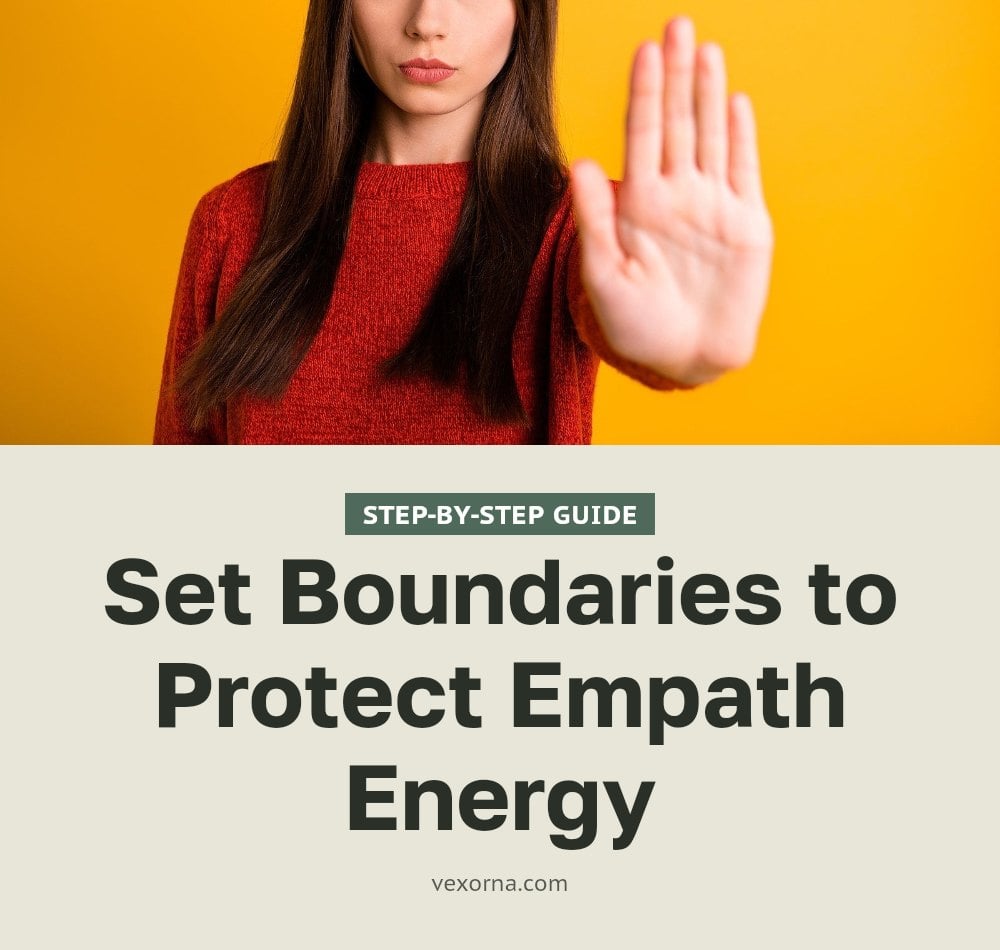
Protecting your energy as an empath takes consistent practice. Here’s a step-by-step approach that works:
- Set boundaries: Clearly communicate what you can and cannot take on, both verbally and energetically. This might mean limiting time with certain people or saying no to extra requests.
- Ground daily: Spend a few minutes each day on deep breathing or visualization. Imagine roots extending from your feet into the earth to anchor you.
- Schedule alone time: Block out regular periods for reflection and emotional processing. Even 15 minutes can help you reset.
- Engage in creative outlets: Hobbies like painting, writing, or playing music give your mind a focused, joyful break.
- Prioritize self-care: Choose activities that actively replenish your energy, whether that’s a warm bath, reading, or a walk.
- Limit negativity: Reduce exposure to negative news, social media, and draining individuals. Curate your feeds and set time limits.
- Say no without guilt: Remember that saying no protects your energy, and that’s a valid reason. You can decline politely but firmly.
Consistency is key. The more you practice these steps, the more natural they become.
Common Empath Mistakes and How to Avoid Them
Empaths often fall into patterns that drain them further. Here are common mistakes and how to avoid them:
- Taking responsibility for others’ feelings: Their emotions are theirs to own. You can be supportive without absorbing the weight.
- Confusing your emotions with absorbed ones: Practice mindfulness to identify the source. Ask yourself, “Is this mine or theirs?”
- Skipping boundaries: Without them, burnout and resentment build. Boundaries are self-preservation, not selfishness.
- Withdrawing from social life: Avoid avoidance. Instead, develop strategies like taking breaks or setting time limits for events.
- Trying to fix everyone: Offer support, but don’t take on the burden of solving their problems. You can listen without becoming their solution.
Daily Practices for Empathic Resilience
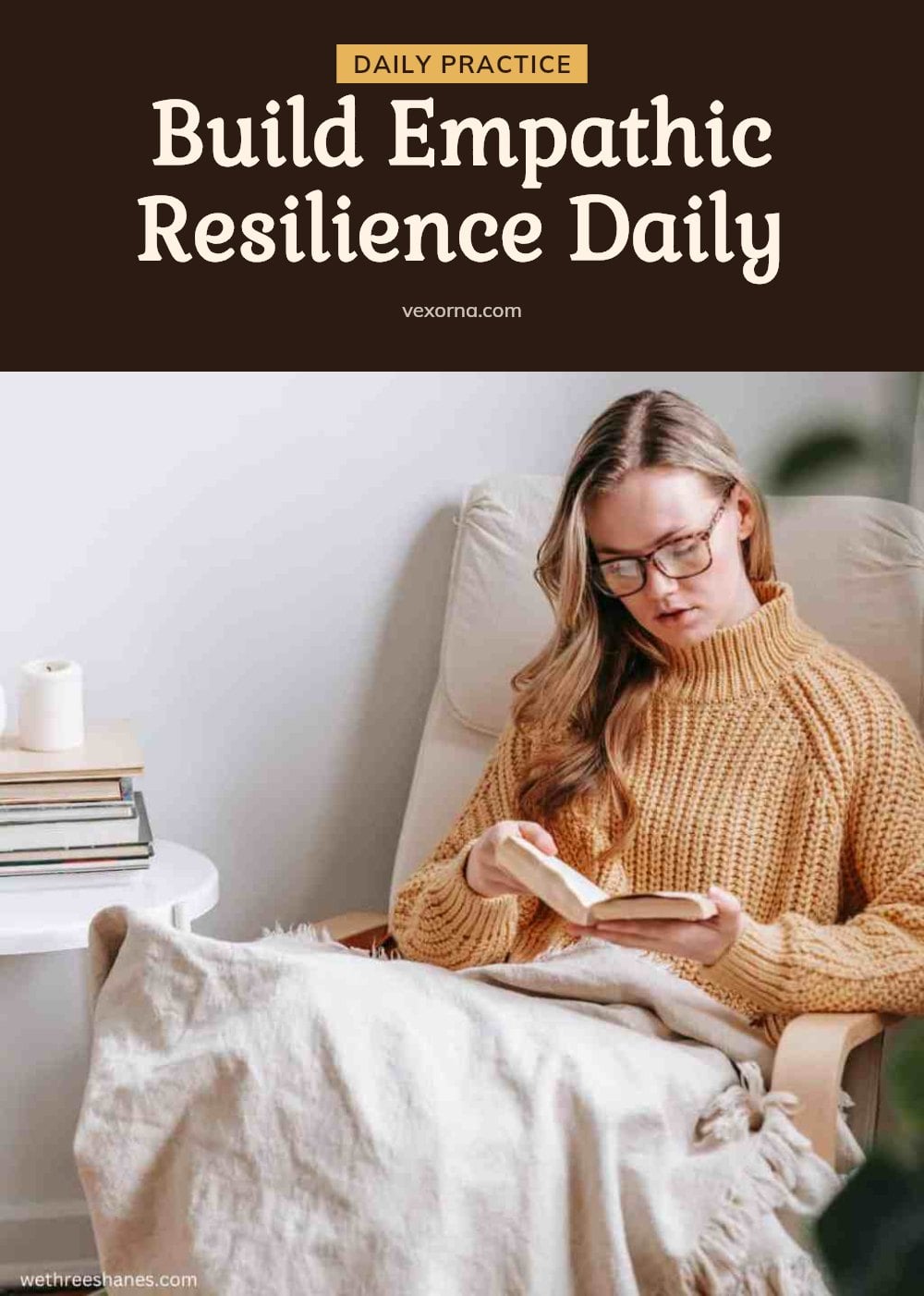
My tip: Transform a corner of your bedroom or living room into a decompression zone. A soft chair, a blanket, and a plant cost little but signal your brain it is safe to unwind. I usually keep a small tray there with a journal and a candle.
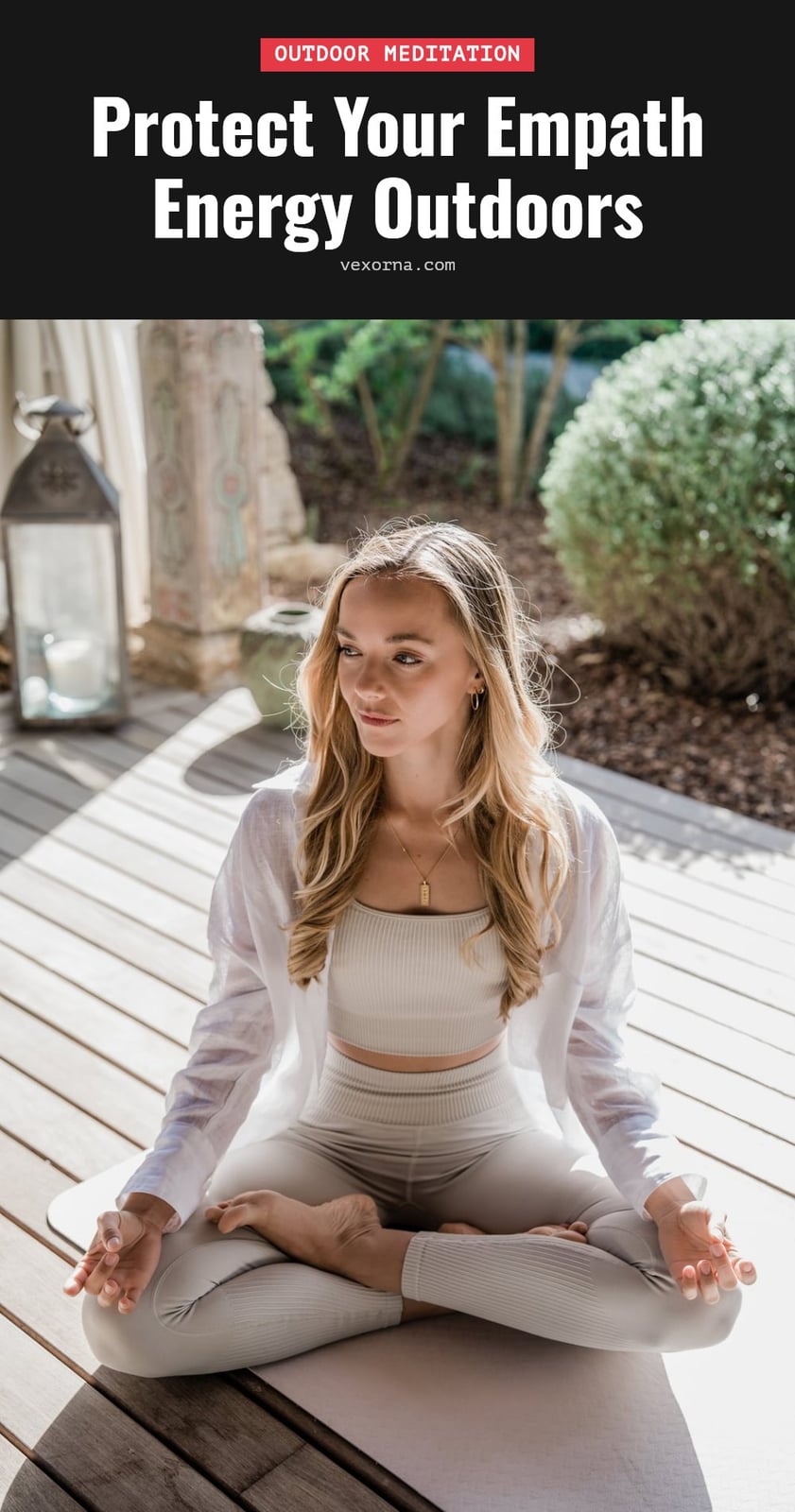
Nature works as a reset button. Walk barefoot on grass if you can, or simply sit under a tree for ten minutes. The goal is to let the ground absorb what feels heavy.
Know your own preferences, values, and limits before you walk into a social setting. That clarity makes it easier to spot when someone else’s mood is trying to override yours.
Exercise does double duty: it processes stuck energy and lowers stress. A brisk walk, a dance break, or stretching counts. No gym required.
Find one person who gets it. A friend, a family member, or a therapist who validates your experience without telling you to “toughen up” can change how you handle difficult days.
Timeline and Investment in Empathic Self-Care
Protecting your energy is not a one-time fix. It is a daily practice that builds slowly. You will notice small shifts first: less exhaustion after a phone call, more clarity about what you feel versus what you absorbed.
Most of the foundational tools cost nothing. Journaling, deep breathing, and time in a park are free. If you want to invest, noise-canceling headphones help in loud spaces, and therapy offers professional guidance when self-care is not enough.
When to Seek Professional Support
If overwhelm, anxiety, or low mood become persistent or interfere with daily life, talk to a mental health professional. Empathic sensitivity is not a diagnosis, but it can coexist with conditions like anxiety disorders that need proper evaluation and treatment.
A therapist can help you tell the difference between absorbed emotions and your own mental health symptoms. They can also teach you how to recognize and resist emotional manipulation if others take advantage of your high sensitivity.
Frequently Asked Questions
Is being an empath a mental health diagnosis?
No, being an empath is not a recognized psychological or medical diagnosis. It describes a heightened sensitivity to others’ emotions, which is a real experience for many people. If you have persistent overwhelm or anxiety, consult a mental health professional for proper evaluation.
How can I tell if I’m an empath?
Many people who identify as empaths report feeling overwhelmed in crowded places or by intense emotions from others. You might notice fatigue or stress after social interactions. Pay attention to how you feel in different environments and after conversations to recognize patterns.
Can empaths learn to control their sensitivity?
Yes, with consistent practice, empaths can manage their sensitivity rather than being controlled by it. Techniques like setting boundaries, grounding exercises, and mindfulness help you distinguish your own emotions from absorbed ones. It takes time and self-awareness, but many people find it improves over time.
What’s the difference between empathy and being an empath?
Empathy is the common human ability to understand and share another person’s feelings. Being an empath goes further, often involving absorbing those emotions as if they were your own, which can lead to overwhelm. Not everyone with empathy identifies as an empath.
How do empaths recharge their energy?
Spending time in nature, practicing meditation, and engaging in creative hobbies can help empaths recharge. Creating a peaceful home environment and scheduling alone time also allow for emotional decompression. Regular physical activity helps process absorbed energies and reduces stress.
Is it possible to stop being an empath?
You cannot completely stop being an empath, but you can learn to manage your sensitivity so it doesn’t control your life. Through boundaries, self-care, and coping strategies, many empaths find they can enjoy their sensitivity without feeling drained. It’s about protecting your energy, not eliminating it.
Final Thoughts
Start with one boundary or a simple grounding exercise today. Protecting your energy is a gradual process, not a quick fix, so expect small shifts over weeks rather than overnight changes. With consistent practice, you can enjoy your sensitivity without being overwhelmed by it.
This article is for general informational purposes only and does not constitute medical or professional advice. If you are experiencing persistent feelings of overwhelm, anxiety, or depression, please consult a qualified mental health professional for personalized guidance.