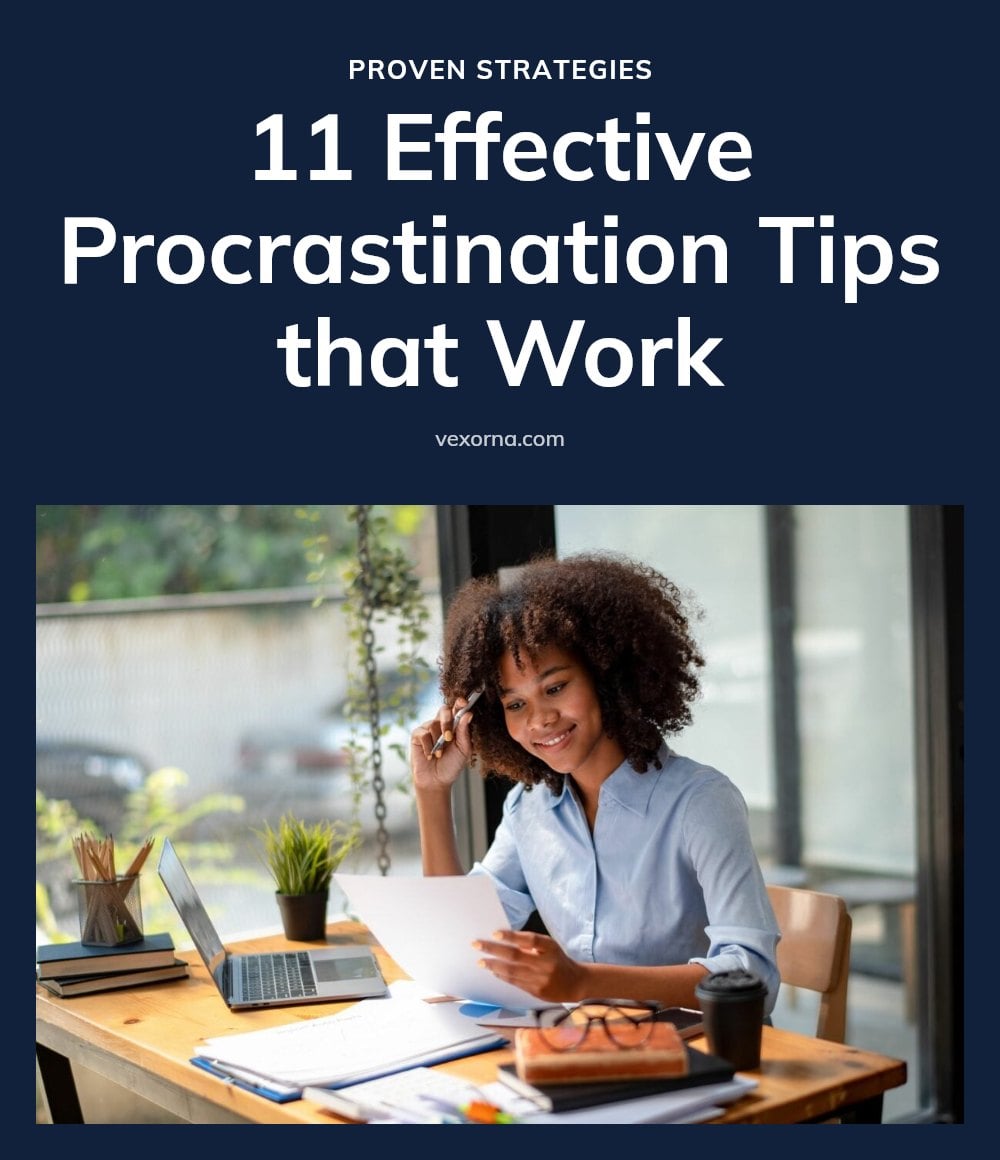
You know that feeling when a task looms so large you just can’t start? That’s not laziness; it’s procrastination, and it’s actually an emotional regulation problem. We delay to avoid anxiety, boredom, or the fear of not doing something perfectly. This article covers practical strategies that work with your brain, not against it, to help you build momentum and get things done.
Key Takeaways
- Procrastination is an emotional regulation problem, not a sign of laziness.
- Break large tasks into tiny, actionable steps to make them feel less overwhelming.
- Use the Pomodoro Technique: 25 minutes of focused work followed by a 5-minute break.
- Apply the Two-Minute Rule: do tasks that take less than two minutes immediately.
- Practice self-compassion to reduce the negative emotions that fuel procrastination.
Why We Procrastinate and How to Stop
Procrastination isn’t about being lazy. It’s an emotional regulation problem where you delay tasks to dodge negative feelings like anxiety or boredom. The fix isn’t willpower; it’s understanding those emotions and using strategies that work with your brain, not against it. Break tasks into small steps, use time management techniques like the Pomodoro Technique, and address underlying issues like perfectionism or fear of failure. Building momentum matters more than waiting for the perfect moment.
1. Break Down Big Tasks
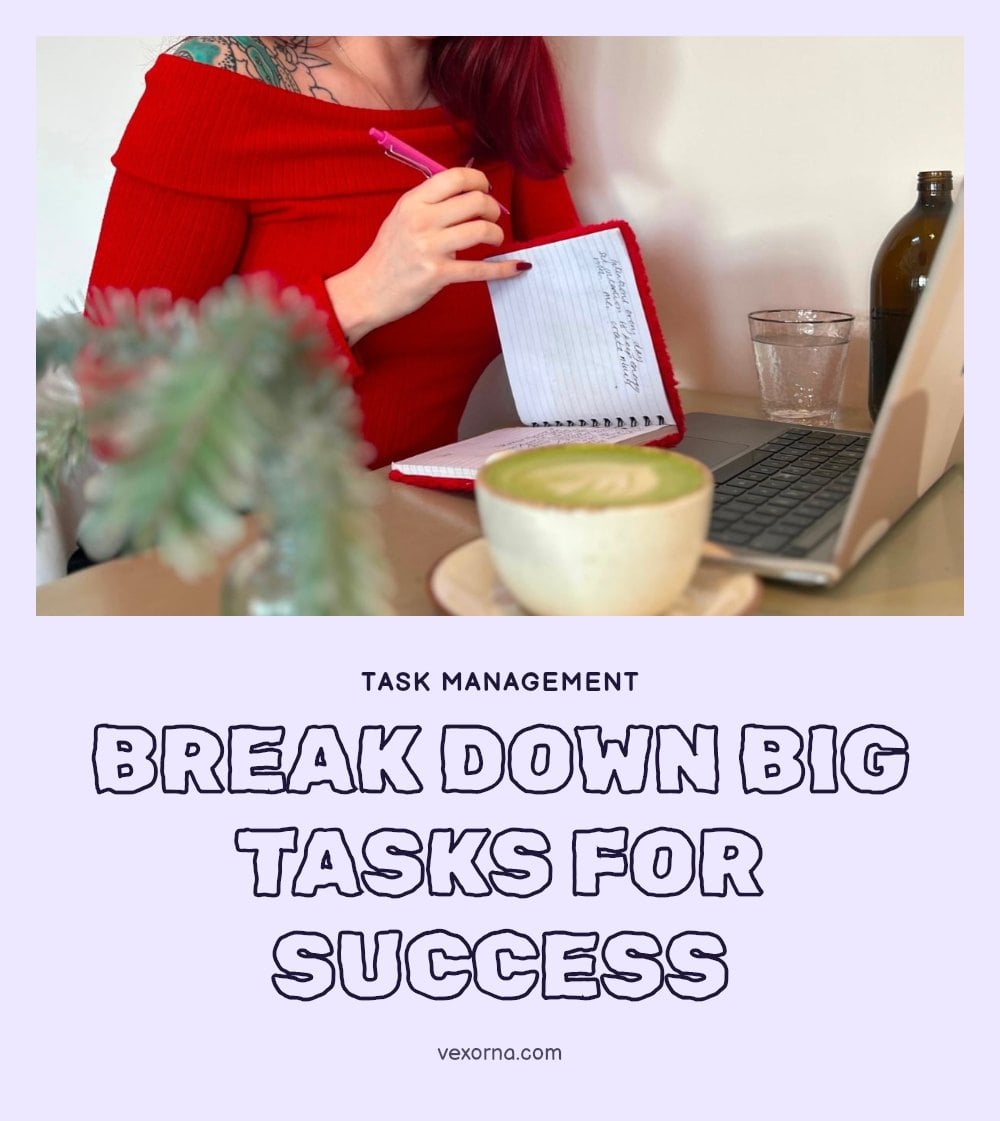
Large tasks trigger procrastination because they feel overwhelming. My tip: break every task into the smallest possible steps so each one feels easy to start. For example, instead of writing “Write Report,” create steps like “Open document,” “Outline introduction,” “Find data point 1.” Each tiny action builds momentum and makes the whole project less daunting.
2. Use the Pomodoro Technique

The Pomodoro Technique structures your work into focused 25-minute intervals, each followed by a 5-minute break. This pattern maintains concentration and prevents burnout. After four intervals, take a longer 15-30 minute break. My tip: use a physical timer to signal the start and end of each interval. The ticking sound reinforces the work period and the ring marks a clear stopping point.
3. Implement the Two-Minute Rule
If a task takes less than two minutes, do it immediately. This rule stops small tasks from piling up and becoming overwhelming. My tip: apply it to quick actions like replying to an email, washing a dish, or putting something away. Clearing these tiny items frees mental space and reduces the clutter that feeds procrastination.
4. Eat the Frog
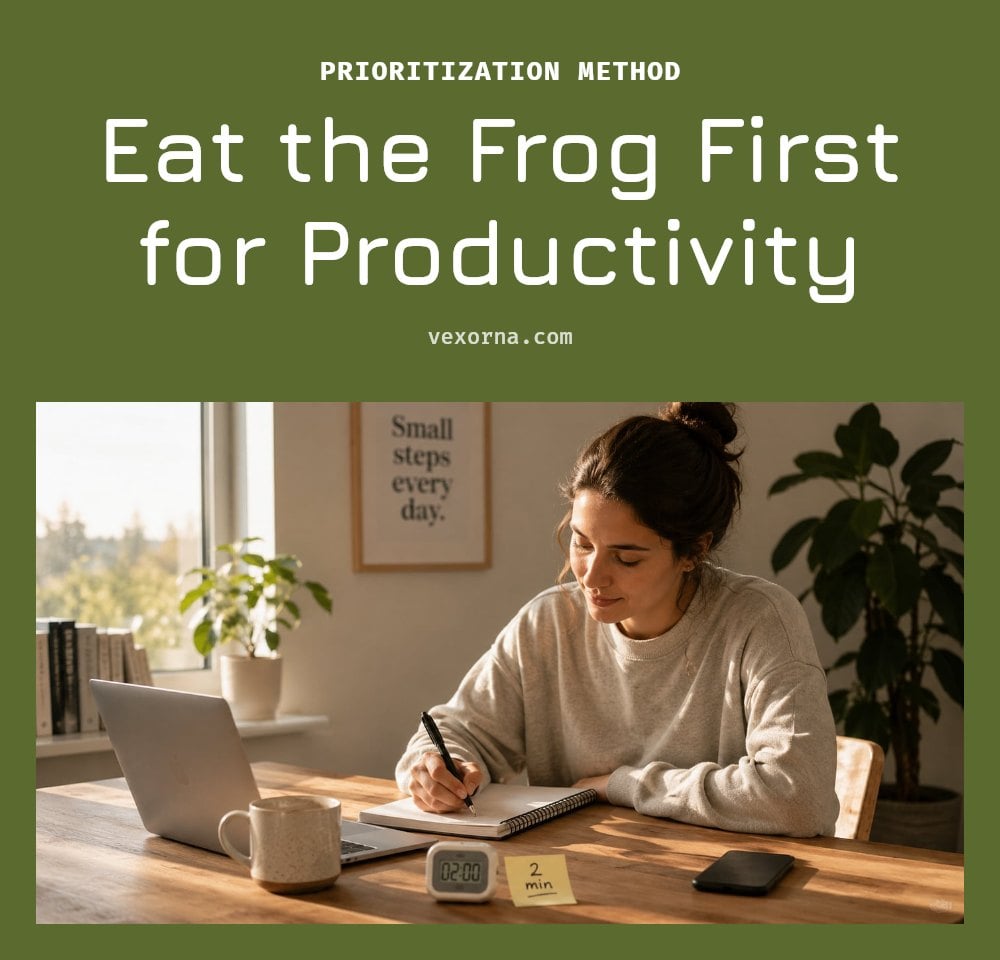
Tackle your most difficult or unpleasant task first thing in the morning. This method, called ‘Eat the Frog,’ works because getting the worst task out of the way reduces anxiety and builds momentum for the rest of the day.
My tip: identify your ‘frog’ the night before so you can start immediately when your energy is highest. Write it down on a sticky note or in your planner, and commit to doing it before checking email or social media.
5. Set Realistic Deadlines
Unrealistic deadlines create overwhelm, which feeds procrastination. Set clear, achievable deadlines for yourself and stick to them, even when no one else is holding you accountable.
My tip: build in buffer time for unexpected delays. If a task realistically takes two hours, give yourself three. This cushion reduces pressure and makes it easier to start.
6. Create a Distraction-Free Zone
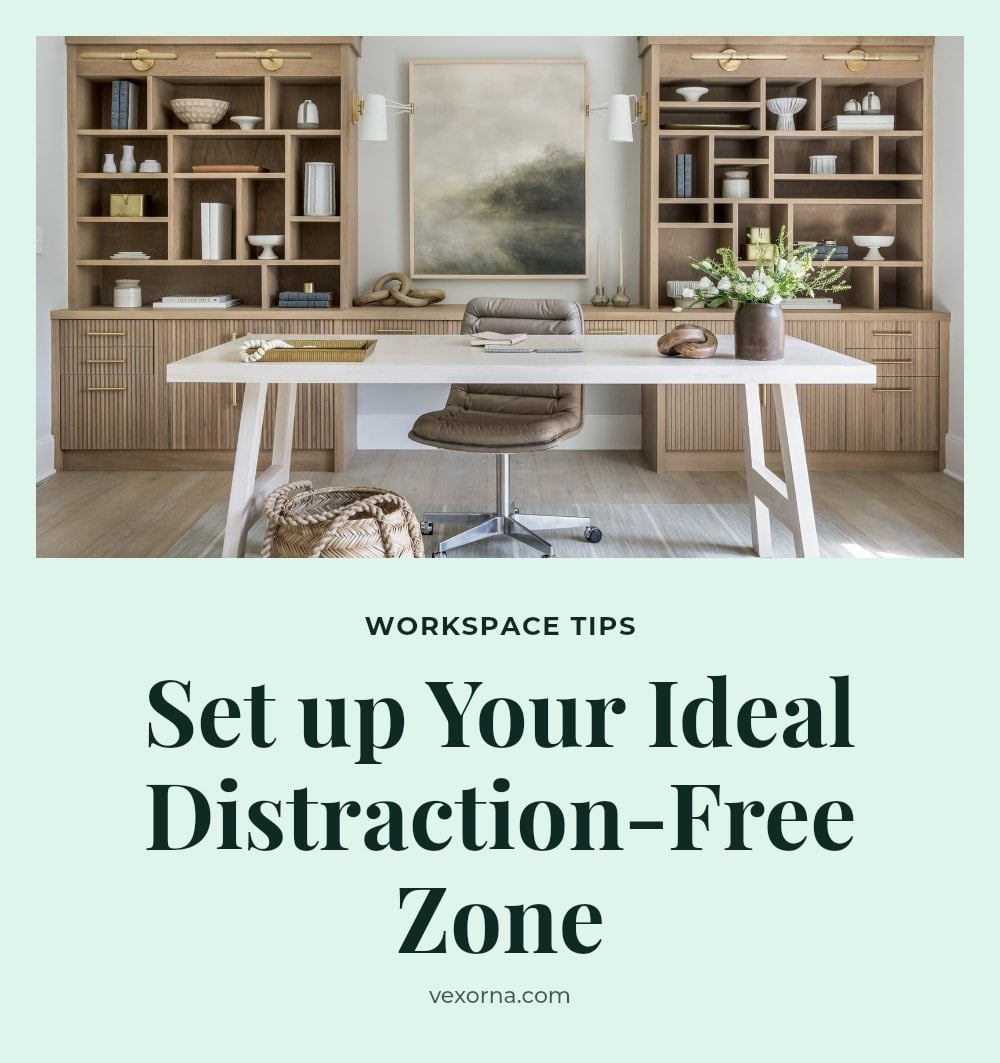
Environmental factors like clutter or frequent notifications make procrastination worse. Designate a specific workspace that is clean, organized, and free from distractions.
My tip: put your phone on silent and close unnecessary tabs on your computer before you begin. Keep only the materials for your current task within reach, and clear your desk of anything unrelated.
7. Understand Your Procrastination Triggers
Identifying why you procrastinate on specific tasks is crucial for finding the right solution. Common triggers include fear of failure, perfectionism, or lack of interest in the task itself.
My tip: keep a journal for a week to note what tasks you delay and how you feel about them. Look for patterns, like avoiding tasks that feel too big or ones where you worry about judgment. That awareness tells you which strategy will actually help.
8. Practice Self-Compassion
Beating yourself up for delaying a task adds shame and anxiety to the pile of negative feelings you were already avoiding, which makes the next attempt even harder to start. Self-compassion works better because it lowers that emotional load instead of stacking more on top.
When you slip up, treat yourself the way you would a friend in the same spot: name what happened, skip the character judgments, and move to the next small step.
My tip: remind yourself that everyone struggles sometimes, and focus on moving forward rather than replaying past mistakes.
9. Reward Your Progress
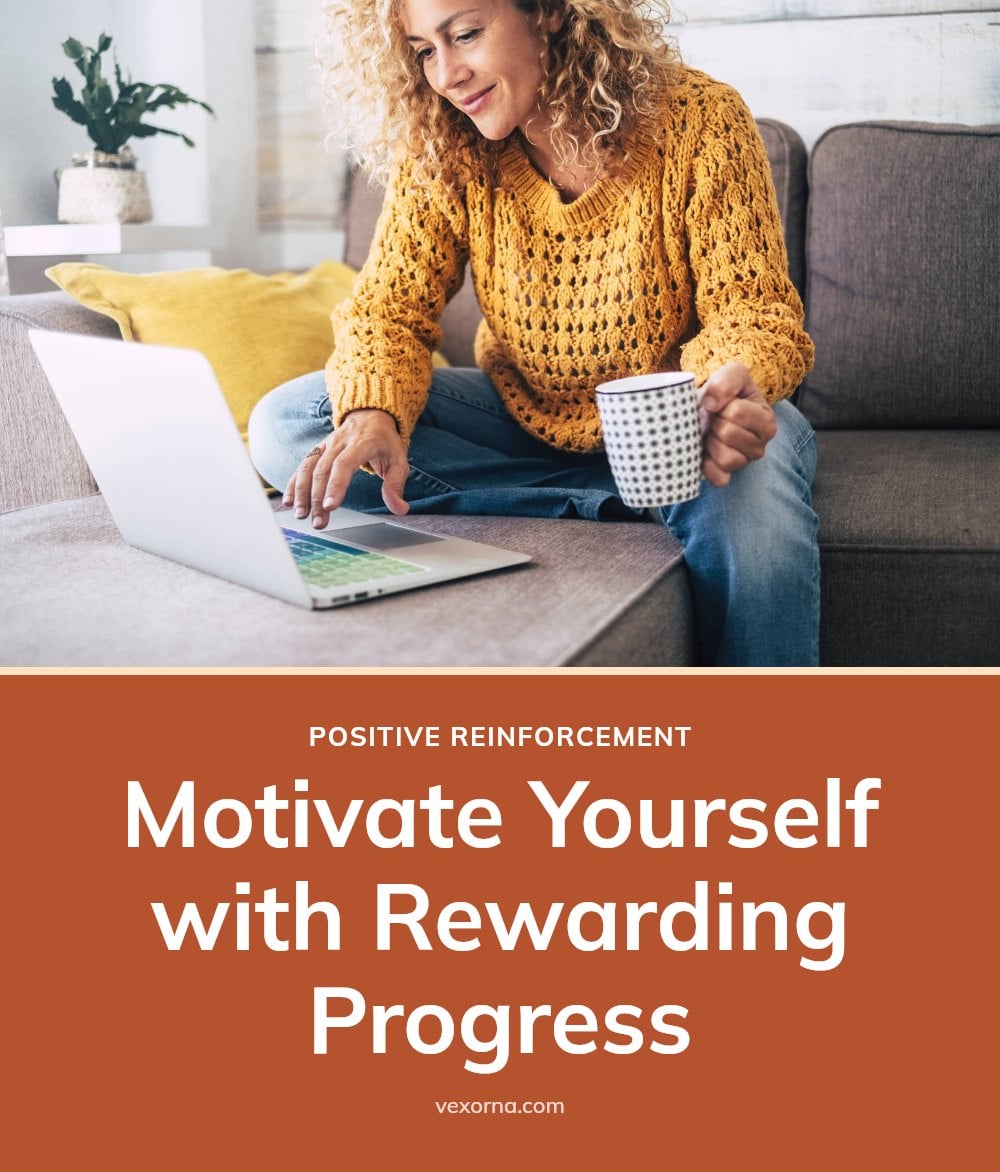
Attach a small reward to finishing a task, especially one you were dreading, and you turn a chore into something with a payoff at the end. That positive reinforcement is how good habits get built: your brain starts linking the task to a pleasant result instead of only to effort.
Pick the reward before you start so it functions as a target, not an afterthought, and give it to yourself the moment you finish.
- My tip: rewards don’t have to be big. A short break, a favorite snack, or one song can work wonders.
10. Don’t Wait for Motivation
The common assumption is that you need to feel motivated before you can begin. In practice it usually runs the other way: motivation follows action, so starting is what generates the energy to keep going.
Start anyway, even on days you don’t feel like it, and treat the first move as the whole goal.
Tip: commit to just 5-10 minutes of the task. That small window is often enough to build momentum you can ride into the rest of it.
11. Focus on Progress, Not Perfection
Perfectionism is one of the biggest drivers of delay: if a task has to be flawless, starting feels risky, so you put it off. Lowering the bar to “good enough” removes that risk and gets you moving.
Aim for completion first, then improve what you have. A rough draft you can edit beats a perfect version that never gets written.
Good to know: judge each session by whether you finished something, not by whether it was flawless, and plan a second pass for refinements.
When to Seek Professional Help
If chronic procrastination is affecting your mental health, relationships, or career despite trying these strategies, seeking professional help is a smart next step. A therapist or coach can help you uncover deeper psychological roots, such as anxiety or perfectionism, and create personalized strategies that generic tips can’t address. Don’t hesitate to reach out if you feel stuck or overwhelmed.
Frequently Asked Questions
Is procrastination always a bad thing?
Not always. Occasional procrastination can give your brain a needed break or help you prioritize, but chronic procrastination that harms your work, relationships, or mental health is a sign to take action. The key is recognizing when it becomes a pattern that holds you back.
How long does it take to stop procrastinating?
There is no set timeline, but consistent application of these strategies over several weeks can lead to noticeable improvements in productivity and reduced procrastination habits. Be patient with yourself; change is a process.
Can diet affect procrastination?
While diet is not a direct cause, low energy from poor nutrition can make it harder to focus and start tasks. Eating balanced meals and staying hydrated supports overall brain function, which can indirectly help with motivation and task initiation.
How do I deal with distractions effectively?
Start by creating a dedicated, distraction-free workspace: put your phone on silent, close unnecessary browser tabs, and keep only the materials you need for the current task. If your mind wanders, gently guide it back without self-criticism.
What causes procrastination?
Procrastination is often driven by emotional factors like fear of failure, perfectionism, anxiety, or boredom. It’s a way to avoid negative feelings associated with a task. Identifying your personal triggers is the first step to overcoming it.
Final Thoughts
My tip: pick just one strategy from this list and try it for a week. For me, the Pomodoro Technique was the game-changer because it turns a daunting project into a series of short, manageable sprints. Consistent use of these methods over several weeks can lead to noticeable improvements in your productivity and a real reduction in procrastination habits. Start small, be kind to yourself, and keep going.
The information in this article is for general informational purposes only and is not a substitute for professional medical or mental health advice. If chronic procrastination is significantly affecting your mental health, relationships, or career, please consult a qualified therapist or coach for personalized support.