
If you often feel weighed down by negative thoughts or a gloomy outlook, you are not alone, and there is a way forward. Overcoming negativity starts with recognizing your thought patterns, challenging them, and building habits that support a brighter perspective. It is not about ignoring problems or faking happiness, but about approaching life with more balance and hope. In this article, you will find practical steps, common pitfalls, and realistic timelines to help you shift your mindset for good.
Key Takeaways
- Practice daily gratitude by listing things you are thankful for.
- Challenge all-or-nothing thinking to see situations more realistically.
- Limit negative news and social media to reduce anxiety.
- Set small, achievable goals and celebrate each win.
- Seek professional help if negativity feels overwhelming or persistent.
What Does It Mean to Be Less Negative?
Being less negative means you actively catch yourself when a pessimistic thought creeps in and intentionally challenge it. It is not about pretending everything is fine or ignoring real problems. Instead, you build emotional resilience by looking for constructive perspectives and developing positive habits like gratitude or mindfulness. This shift leads to greater life satisfaction because you learn to respond to difficulties rather than react to them.
Tools and Habits for Cultivating a Positive Mindset
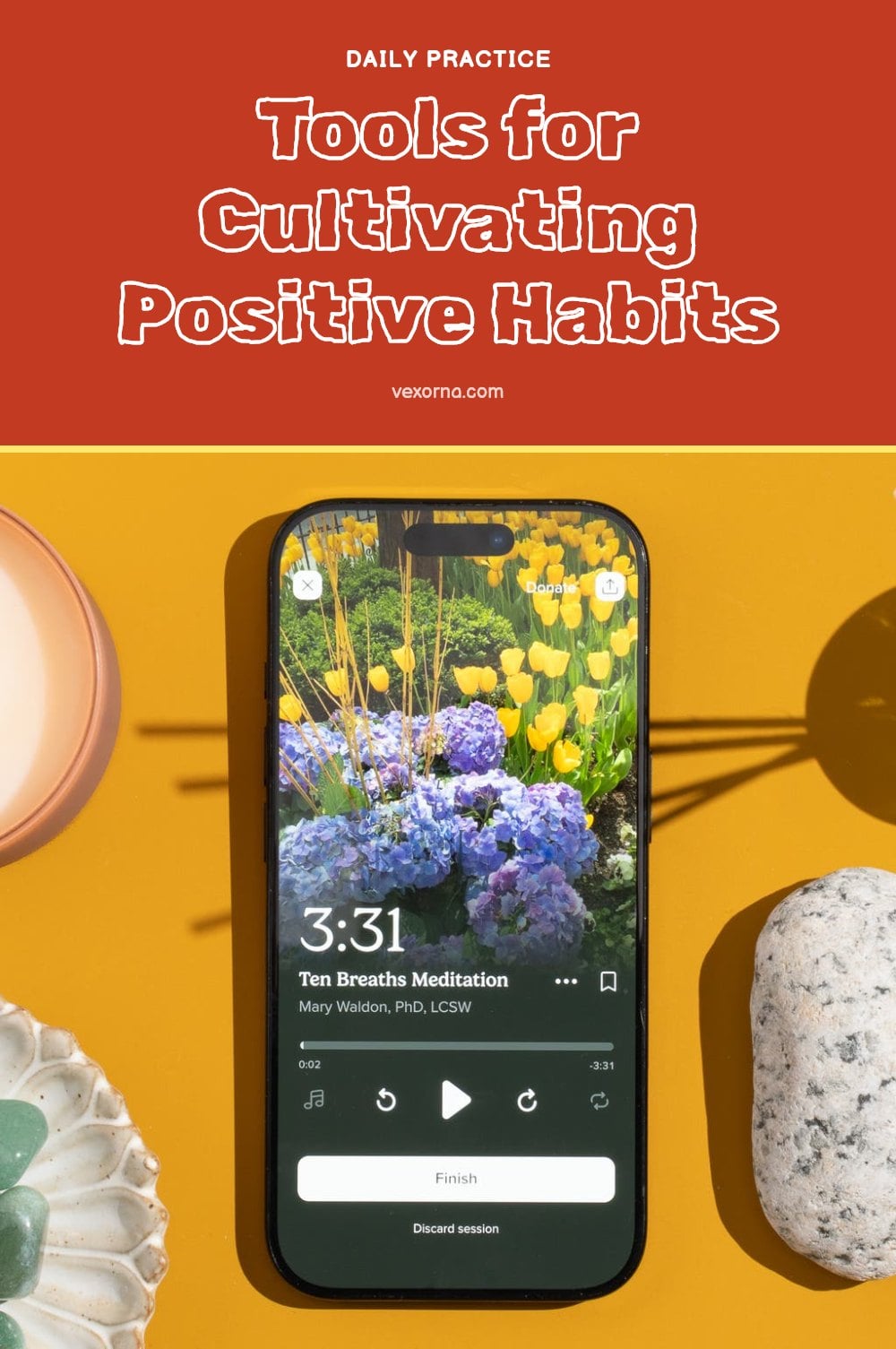
You do not need much to start shifting your mindset. Here are the tools and habits that make the biggest difference.
- Journal or notebook: Use it for daily gratitude lists and to spot recurring negative thought patterns.
- Pen: Writing by hand helps you process emotions and solidify new perspectives.
- Meditation app or guide: A few minutes of guided mindfulness trains you to observe thoughts without getting stuck in them.
- Comfortable clothing for exercise: Even a short walk in clothes you can move in boosts mood and reduces stress.
- Support network: Friends, family, or a therapist provide emotional backing and keep you accountable.
Step-by-Step: Shifting Your Perspective and Habits

These steps build on each other, so start with the first and add more as you go.
- Identify your patterns: Notice when you fall into all-or-nothing thinking, like telling yourself you always fail or never get things right. Write down the exact thoughts that repeat.
- Practice daily gratitude: Each evening, list three specific things you are thankful for. They can be small, like a good cup of coffee or a kind text from a friend. This shifts your focus from what is wrong to what is working.
- Move your body: Go for a 15-minute walk or do light stretching. Physical activity releases endorphins that improve mood and lower anxiety.
- Spend time in nature: Sit outside for five minutes without your phone. The natural environment reduces stress hormones and helps you feel more grounded.
- Practice mindfulness: Use a meditation app for three minutes a day. Focus on your breath and let negative thoughts pass without judging them.
- Set small goals: Pick one tiny achievement for the day, like making your bed or drinking enough water. Acknowledge when you complete it to build self-efficacy.
- Reframe the situation: When something goes wrong, ask yourself what you can learn from it or how it might help you grow. This turns a setback into a stepping stone.
Common Mistakes When Trying to Be Less Negative
Even with good intentions, it is easy to fall into traps that slow your progress. Avoid these common mistakes.
- Believing positivity means ignoring problems: True positivity acknowledges challenges and looks for constructive solutions. Forced happiness only masks the issue.
- Trying to force positivity: Suppressing negative feelings does not work. Address the underlying thought patterns instead.
- Expecting immediate results: Shifting your mindset takes weeks or months of consistent practice. Patience is essential.
- Blaming only external circumstances: You cannot control everything, but you can choose how you respond. Focus on what you can influence.
- Confusing skepticism with chronic negativity: Healthy skepticism involves critical thinking. Chronic negativity is a pervasive pessimistic outlook that drains your energy.
- Failing to recognize need for professional help: If negative thoughts persist or overwhelm you, a mental health professional can provide strategies you cannot achieve alone.
Practical Tips for Cultivating a More Positive Outlook

Limit negative input: Cut back on news feeds or social media accounts that consistently leave you feeling anxious or pessimistic. A 15-minute daily check is often enough to stay informed without fueling a negative spiral.
Connect with positive people: Seek out friends or family members who listen without judging and who tend to focus on solutions rather than complaints. Their outlook can influence your own emotional state over time.
Prioritize sleep: Aim for 7-9 hours of quality sleep each night. When you are well-rested, emotional regulation works better and you are less likely to default to negative interpretations.
Help others: Small acts of kindness, holding a door, sending an encouraging text, volunteering an hour, can shift your focus outward and boost your mood. Many people find that helping others gives them a sense of purpose.
Accept what you cannot change: Identify the parts of a situation you can influence and put your energy there. Let go of the rest. This is a core skill for emotional resilience.
Challenge all-or-nothing thinking: When you catch yourself labeling something as entirely good or entirely bad, pause and look for the gray area. Most situations contain both positives and negatives.
How Long Does It Take to See Results?
Most people who practice daily gratitude, mindfulness, or physical activity notice a shift in their mood within a few weeks to a few months. The key is consistency: a single day of journaling will not change a pattern, but 30 days of it can.
The benefits deepen over time as the new habits become automatic. This is an ongoing journey, not a one-time fix.
Cost: Journaling, walking, and mindfulness cost nothing beyond your time. If you choose therapy or counseling, costs vary by insurance, location, and provider. Many therapists offer sliding-scale fees or short-term options.
When to Seek Professional Help for Persistent Negativity
If negative thoughts are persistent, overwhelming, or interfere with your daily life, work, or relationships, it is time to consult a mental health professional. This is especially true if you experience:
- Feelings of hopelessness, severe anxiety, or sadness lasting for weeks or longer
- Noticeable changes in sleep, appetite, or energy that you cannot explain
- Thoughts of self-harm or harming others, seek immediate professional support
Self-help strategies may not be enough for deep-seated patterns. A therapist trained in approaches like cognitive behavioral therapy can help you identify and change the underlying thought structures. Do not wait to reach out.
Frequently Asked Questions
How long does it take to become less negative?
Most people who practice daily gratitude, mindfulness, or physical activity notice a shift in their mood within a few weeks to a few months. The key is consistency, a single day of journaling will not change a pattern, but 30 days of it can. Ongoing practice brings lasting benefits.
Can negative thinking be a sign of a mental health issue?
Yes, persistent negative thoughts, especially when accompanied by hopelessness, severe anxiety, or changes in sleep or appetite, can be a sign of a mental health condition like depression or anxiety. If you notice these patterns lasting for weeks or interfering with daily life, it is important to consult a mental health professional.
Is it okay to feel negative emotions sometimes?
Absolutely. Feeling sad, frustrated, or disappointed is a normal part of being human. The goal is not to suppress these emotions but to acknowledge them and choose how to respond. Trying to force positivity without addressing underlying feelings can backfire. Allow yourself to feel, then gently shift your focus toward constructive steps.
How can I stop comparing myself to others?
Comparison often thrives on social media, where everyone shows their highlight reel. My tip: limit your time on platforms that trigger comparison, and remind yourself that you are seeing a curated version. Focus on your own progress and set personal goals that matter to you. Practicing gratitude for what you have also helps reduce the urge to compare.
What causes a person to be negative?
Negativity can stem from many factors, including past experiences, learned thought patterns, stress, or even biological tendencies. It is not usually a single cause. Understanding your own triggers, like certain situations or people, can help you spot patterns and work on them. If negativity feels overwhelming, a therapist can help you explore the root causes.
Final Thoughts
My tip: pick just one habit, like a daily gratitude list or a short walk, and stick with it for a month. Consistency matters more than intensity, and you will likely notice a shift in your mood within a few weeks to a few months. Be patient with yourself, because change is gradual. Remember, the goal is not to be positive all the time, but to build resilience and see the full picture. If you ever feel stuck or hopeless, reaching out to a professional is a strong and wise step.
This article is for general informational purposes only and is not a substitute for professional medical or mental health advice. If you are experiencing persistent negative thoughts, severe anxiety, hopelessness, or thoughts of self-harm, please reach out to a qualified mental health professional or a crisis helpline in your area. Your well-being matters, and seeking help is a sign of strength.