
Feeling drained by mid-afternoon is a common struggle, and the fix isn’t another cup of coffee. Sustainable energy comes from the basics: sleep, food, hydration, and movement. This article walks you through natural, practical strategies to keep your energy steady from morning to night, without the crashes. You’ll learn which daily habits matter most, what to avoid, and how to build a routine that actually lasts.
Key Takeaways
- Prioritize 7-9 hours of consistent sleep nightly to stabilize your energy.
- Drink at least 8 glasses of water daily to prevent fatigue from dehydration.
- Build meals around whole grains, lean proteins, fruits, and vegetables for steady fuel.
- Take a two-minute movement break every hour to prevent mental fatigue.
- Stop caffeine by early afternoon to protect your sleep quality.
How to Naturally Boost Your Energy Throughout the Day
Boosting your energy naturally comes down to the basics: quality sleep, balanced nutrition, staying hydrated, and moving your body regularly. These foundational habits work together to support your body’s natural vitality. Skip the quick fixes like energy drinks or sugary snacks. They create crashes. Instead, build sustainable routines that keep you steady from morning to night.
Essential Tools for Sustained Energy

You don’t need a lot of gear to support steady energy. These simple items make the habits easier to stick with.
- Water bottle: Keeps hydration consistent so you avoid the fatigue that comes with being even mildly dehydrated.
- Walking shoes: Comfortable pair means you’ll actually take that short walk for a midday energy lift.
- Healthy snacks: Nuts, fruit, or yogurt prevent blood sugar crashes between meals.
- Journal: Writing for a few minutes helps manage stress, which drains energy when left unchecked.
- Yoga mat (optional): Gives you a spot for quick stretches or deep breathing to reset.
Daily Habits to Cultivate Lasting Energy
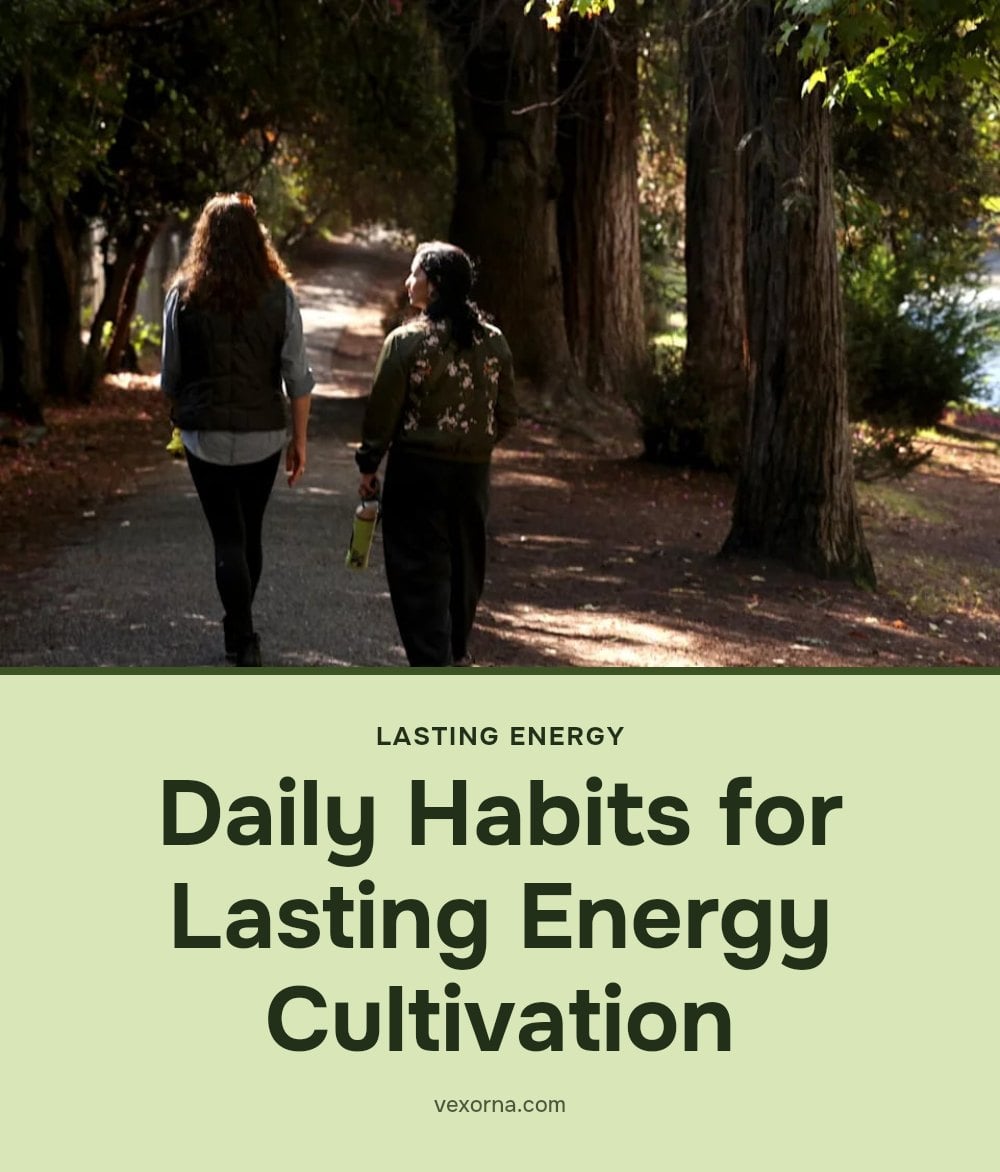
These six habits form the core of lasting energy. Consistency matters more than perfection.
- Prioritize sleep: Aim for 7-9 hours each night. Go to bed and wake up at the same time daily, even on weekends. This stabilizes your circadian rhythm.
- Stay hydrated: Drink water throughout the day, at least 8 glasses. Even mild dehydration can cause fatigue and foggy thinking.
- Eat balanced meals: Build each meal around whole grains, lean protein, fruits, and vegetables. Include fiber and healthy fats to keep blood sugar steady.
- Move regularly: You don’t need intense workouts. A 20-minute walk, gentle yoga, or light stretching improves circulation and energy. Short movement breaks also prevent mental fatigue.
- Manage stress: Chronic stress depletes your energy reserves. Try 5 minutes of deep breathing, meditation, or journaling when you feel overwhelmed.
- Get natural light: Spend time outdoors, especially in the morning. Natural light helps regulate your sleep-wake cycle and boosts alertness.
Common Energy-Draining Mistakes to Avoid
Even with good intentions, certain habits quietly drain your energy. Watch for these common mistakes.
- Relying on caffeine: Coffee gives a temporary lift but can disrupt sleep if consumed after midday. It’s not a solution for chronic fatigue.
- Ignoring sleep quality: Seven hours of restless sleep won’t restore you. Prioritize a cool, dark room and consistent bedtime.
- Thinking only intense exercise works: Moderate activity like walking or stretching boosts energy just as effectively without exhausting you.
- Skipping meals or hydration: Your brain and body need fuel and water to function. Skipping breakfast or forgetting to drink water leads to crashes.
- Blaming everything on sleep: Fatigue often has multiple causes, stress, diet, or lack of movement. Look at the whole picture.
The Connection Between Nutrition and Sustained Energy
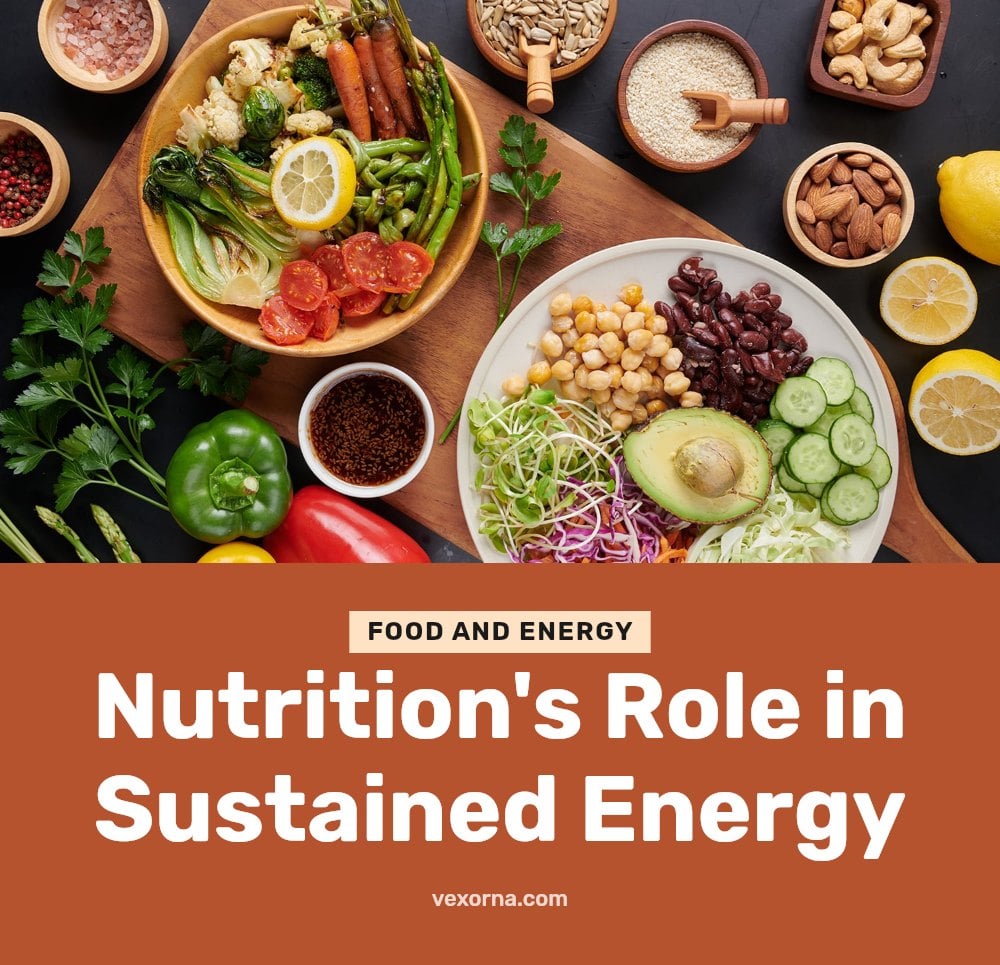
What you eat directly affects how you feel an hour later. Meals built around whole grains, lean proteins, fruits, and vegetables release energy slowly instead of spiking and crashing your blood sugar. B vitamins, found in leafy greens, eggs, and legumes, are essential for converting food into usable energy at the cellular level.
Iron deficiency is a common cause of fatigue, especially in women. If you feel unusually tired, check your intake of iron-rich foods like spinach, beans, or lean red meat. Skipping meals or grabbing sugary snacks gives a quick lift followed by a steep drop. My tip: pair a carbohydrate with a protein and a fat for each snack, such as an apple with almond butter, to keep your energy steady between meals.
Smart Tips for Maximizing Your Daily Energy

Take short breaks: If you sit for long stretches, get up and move for two minutes every hour. This prevents mental fatigue from building up.
Cut caffeine early: Stop caffeine by early afternoon so it doesn’t interfere with your sleep. Even a moderate amount late in the day can reduce sleep quality.
Get morning light: Spend 10 to 15 minutes outside after waking. Natural light signals your body to regulate its internal clock, which supports daytime alertness.
Manage stress daily: Five minutes of deep breathing or a short walk can lower stress hormones that drain your energy over time.
Don’t push through fatigue: If you feel exhausted, rest instead of exercising intensely. Overdoing it can worsen exhaustion and delay recovery.
What to Expect: Timeline for Energy Improvement
Improving your energy naturally is not an overnight fix. Most people need several weeks of consistent effort before they notice a real shift. The time goes into building new routines: going to bed earlier, prepping snacks, and scheduling movement. The financial cost is minimal. You may buy a water bottle or walking shoes, but the main investment is your daily commitment. Stick with the habits for at least a month, and the changes in how you feel become more reliable.
When to Consult a Healthcare Professional
If you have persistent fatigue, unexplained weakness, or symptoms like dizziness or shortness of breath, see a doctor. These can signal underlying issues such as iron deficiency or a thyroid problem that needs professional diagnosis. Also consult a healthcare provider before making major dietary changes or starting supplements, especially if you have a medical condition or take medication. A doctor or registered dietitian can give personalized advice that general tips cannot replace.
Frequently Asked Questions
How quickly can I expect to feel more energized?
Most people need several weeks of consistent effort before noticing a real shift. The timeline depends on how many habits you’re changing and where you’re starting from. Small wins, like better sleep or more water, can show up sooner, but lasting change builds over a month or more.
Can certain foods really make a big difference in my energy?
Yes, what you eat directly affects how you feel an hour later. Meals built around whole grains, lean proteins, fruits, and vegetables release energy slowly instead of spiking and crashing your blood sugar. Skipping meals or relying on sugary snacks can cause energy crashes, so balanced eating is key.
Is it okay to nap if I feel tired during the day?
Short naps, around 10 to 20 minutes, can help some people recharge without interfering with nighttime sleep. But if you’re napping often or for long periods, it may signal poor sleep quality or another issue. Keep naps brief and early in the day, and focus on improving your nightly rest first.
What if I’m doing everything right but still feel low on energy?
If you’ve been consistent with sleep, diet, hydration, and movement for several weeks and still feel drained, it’s time to see a doctor. Persistent fatigue can signal underlying issues like iron deficiency or a thyroid problem that needs professional diagnosis. Don’t ignore it.
How does stress directly impact my physical energy levels?
Chronic stress depletes your energy reserves and contributes to fatigue. It keeps your body in a heightened state, which wears you out over time. Mindfulness, deep breathing, and relaxation techniques can help manage stress and support steadier energy throughout the day.
Final Thoughts
Start with one or two changes that feel manageable, like setting a consistent wake-up time or swapping a sugary snack for something with protein and fiber. Consistency over several weeks is what moves the needle, not perfection. If you stick with the basics, you can expect to notice a gradual lift in your daily energy. And if fatigue persists despite your best efforts, that’s your cue to talk to a doctor, it’s not a sign of failure.
This article is for general information only and is not medical advice. If you have persistent fatigue, unexplained weakness, or other concerning symptoms, consult a healthcare professional. Before making major dietary changes or starting new supplements, especially with existing health conditions or medications, talk to a doctor or registered dietitian.