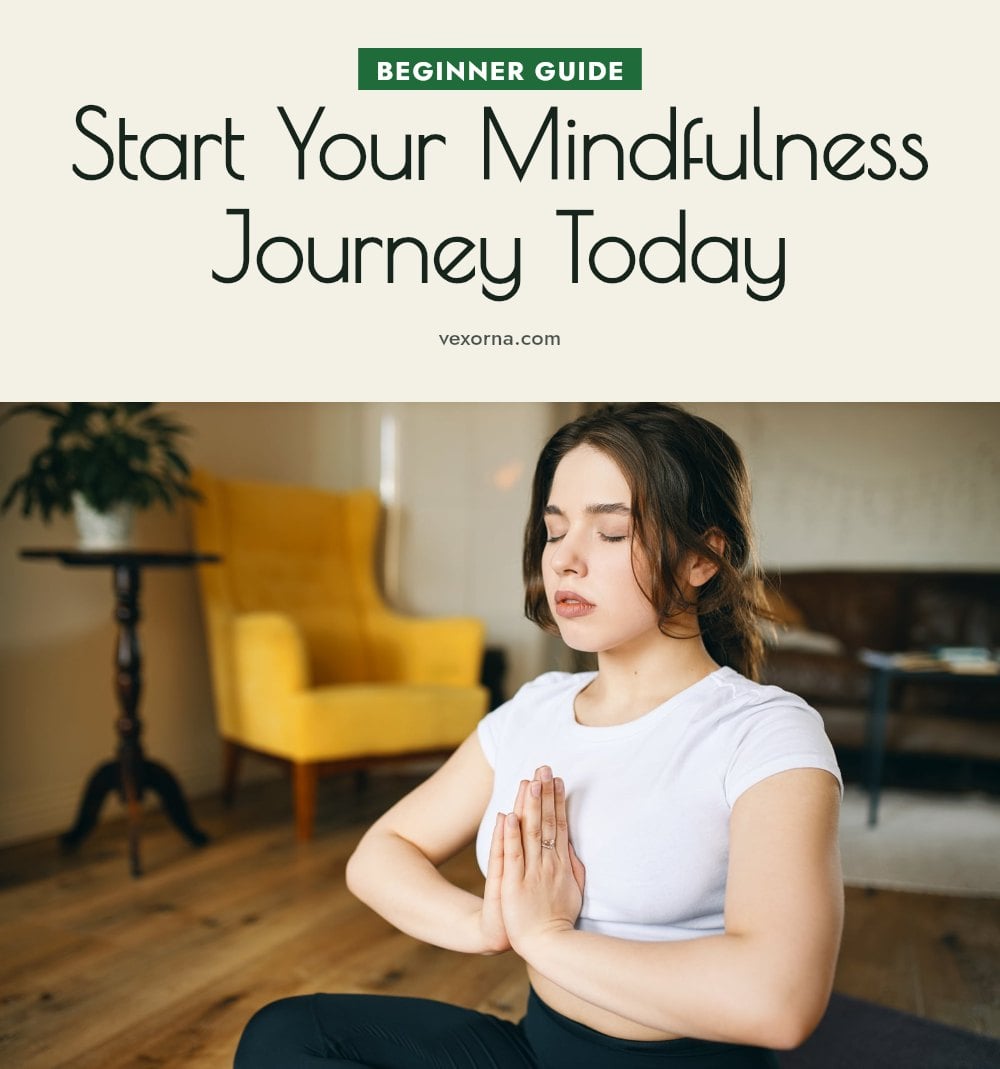
Feeling stressed, overwhelmed, or like you’re just going through the motions? You’re not alone. Mindfulness is a simple, practical way to bring your attention back to the present moment, and it can make a real difference in how you feel day to day. In this article, I’ll walk you through what mindfulness really is, how to start with just a few minutes a day, and simple ways to weave it into your routine.
Key Takeaways
- Start with short, manageable sessions of 1-2 minutes each day.
- Use your breath as an anchor to bring attention back when your mind wanders.
- Incorporate mindfulness into daily activities like eating, walking, or showering.
- Don’t try to empty your mind; observe thoughts without judgment.
- Consistent practice of 5-10 minutes daily may show benefits within weeks.
What is Mindfulness?
Mindfulness is the practice of intentionally bringing your attention to the present moment without judgment. It means observing your thoughts, feelings, and bodily sensations as they come and go, rather than getting caught up in them or reacting automatically. Many people find that regular practice helps reduce stress, improve emotional regulation, and enhance overall well-being by building a greater sense of awareness and calm.
Essential Tools for Your Mindfulness Journey
You don’t need much to begin. A few simple items can help you create a consistent practice.
- Comfortable seating: A cushion or a chair that supports an upright posture without strain.
- Quiet space: A spot where you can sit undisturbed for a few minutes.
- Timer: Keeps track of your practice duration so you don’t have to watch the clock.
- Guided meditation apps: Useful for beginners who prefer step-by-step instruction.
Your First Steps to Practicing Mindfulness
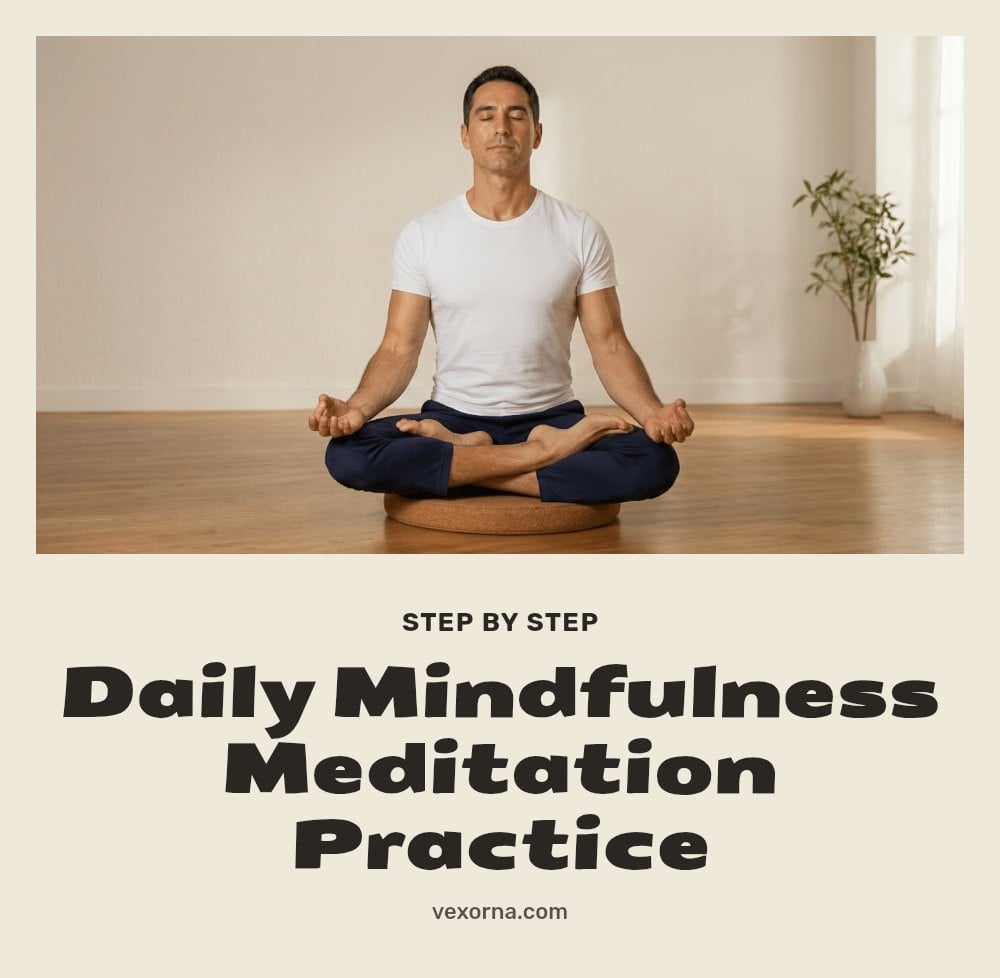
Starting a mindfulness practice is simpler than you might think. Follow these steps to build a solid foundation.
- Find your spot: Choose a quiet, comfortable place where you won’t be interrupted. Sit on a cushion or chair with your back straight but relaxed.
- Pick an anchor: Your breath is a great starting point. Notice the sensation of air moving in and out of your nostrils or the rise and fall of your chest.
- Start short: Set a timer for just 1-2 minutes. Consistency matters more than duration in the beginning.
- Notice when your mind wanders: It will. When you realize you’ve drifted into thought, gently guide your attention back to your anchor without scolding yourself.
- Observe without judgment: Let thoughts and feelings come and go like clouds. You’re not trying to stop them, just noticing them.
My tip: Keep your first sessions very short. Even 60 seconds of focused attention builds the habit. Increase by a minute or two only when that feels comfortable.
Simple Ways to Integrate Mindfulness into Daily Life
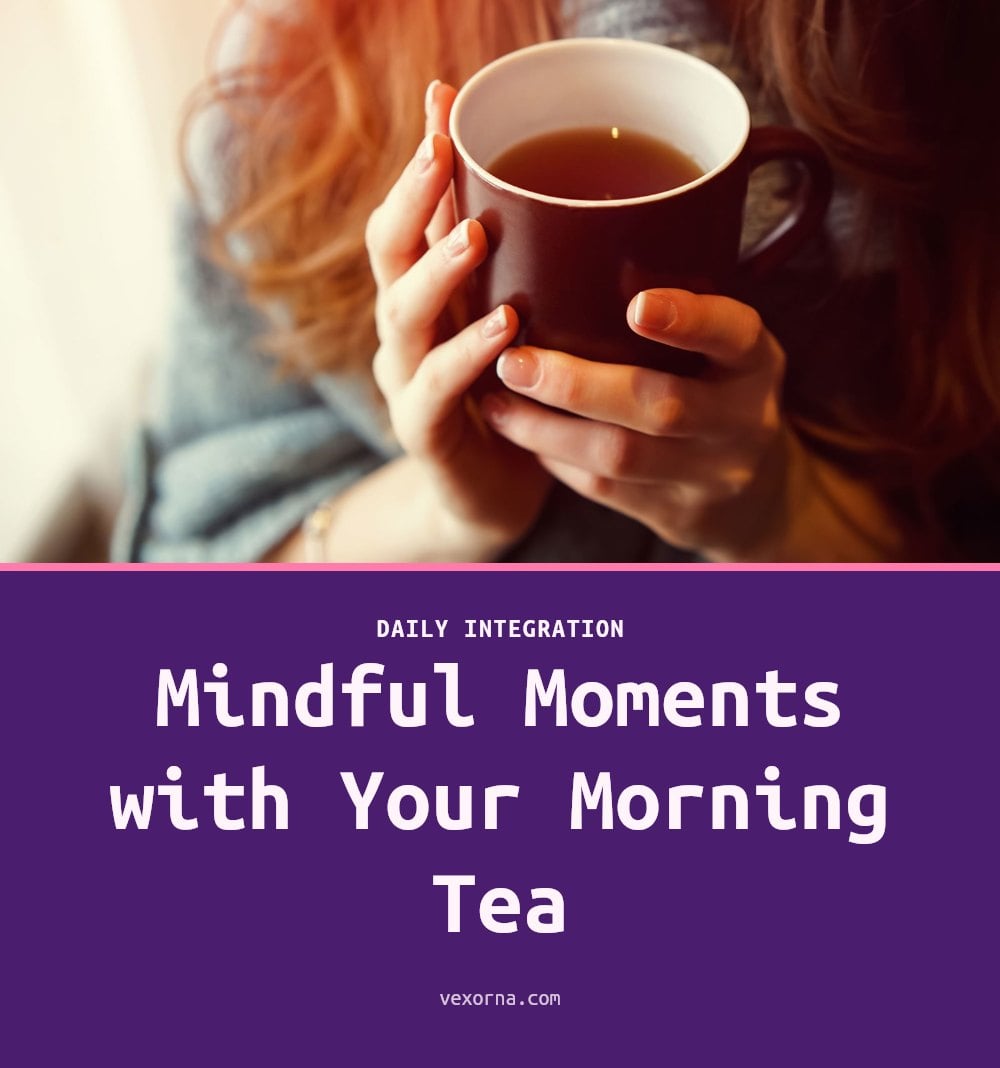
Mindful Eating
Choose one meal or snack each day to eat without distractions. Put your phone away and sit at a table. Notice the colors, smells, and textures of your food before taking a bite. Chew slowly and pay attention to the flavors and sensations as you swallow.
Mindful Walking
Whether you’re walking to your car or around the block, bring your full attention to the experience. Feel your feet pressing into the ground, the movement of your legs, and the air on your skin. Notice the sights and sounds around you without labeling them as good or bad.
Body Scan
Set aside 5 minutes to systematically bring awareness to different parts of your body. Start at your toes and move upward, or begin at your head and move downward. Simply notice each area without trying to change anything. Tension, warmth, or tingling are all just sensations you observe.
Mindful Breathing Breaks
Set a gentle reminder on your phone or watch to pause for three conscious breaths. Stop whatever you’re doing, close your eyes if that helps, and take a slow deep breath in and a long exhale out. This can re-center you during a busy day.
Pro move: Pick just one of these methods to try this week. Adding mindfulness to a routine you already have, like your morning coffee or your commute, makes it easier to stick with.
Common Mindfulness Mistakes and How to Avoid Them
Many beginners think mindfulness means emptying the mind of all thoughts. That is a common misconception. Mindfulness is about observing your thoughts as they arise, not stopping or suppressing them. When your mind wanders, and it will, simply notice it and gently bring your attention back to your breath or chosen anchor. Do not criticize yourself for having thoughts; that is the mind’s natural job.
Another frequent mistake is expecting immediate, profound results. Mindfulness is not a quick fix. Progress is gradual, and consistency matters more than session length. Your experience will also look different from someone else’s, and that is fine. There is no right or wrong way to practice. Embrace your unique journey and stay patient.
When to Consider Professional Guidance for Mindfulness
Mindfulness is generally safe, but it is not a replacement for professional medical or psychological treatment. If you have a severe mental health condition, such as psychosis or a history of severe trauma, consult a healthcare professional before starting an intensive mindfulness practice. In some cases, mindfulness can intensify symptoms or create significant discomfort. If you notice this happening, pause and seek guidance from a mental health professional. They can help you adapt the practice to your needs or recommend alternative approaches.
Frequently Asked Questions
What is mindfulness not about?
Mindfulness is not about emptying your mind or stopping your thoughts. It’s also not about forcing a state of constant calm or bliss. Instead, it’s about observing your thoughts and feelings as they arise, without judgment, and gently bringing your attention back to the present whenever it wanders.
How long should I practice mindfulness daily?
Even a few minutes a day can be beneficial. If you’re just starting, begin with 1-2 minutes and gradually increase to 5-10 minutes as you get comfortable. The key is consistency, not duration. A short daily practice is more effective than a long one you don’t stick with.
Can mindfulness help with anxiety?
Many people find that regular mindfulness practice helps reduce stress and improve emotional regulation, which can ease feelings of anxiety. However, mindfulness is not a cure or a substitute for professional treatment. If you have an anxiety disorder, consider talking to a therapist or doctor about how mindfulness might fit into your overall care.
Is mindfulness a religious practice?
Mindfulness has roots in ancient Buddhist traditions, but today it’s widely practiced in secular contexts. You don’t need to adopt any religious beliefs to benefit from it. It’s simply a mental skill that can be learned and applied in everyday life, regardless of your background.
What if I can’t stop my mind from wandering?
That’s completely normal. The goal isn’t to stop your mind from wandering; it’s to notice when it does and gently bring your attention back to your anchor, like your breath. Each time you do this, you’re strengthening your mindfulness muscle. Don’t judge yourself for wandering; just acknowledge it and return.
Final Thoughts
Start small and be patient with yourself. Pick one daily activity, like your morning coffee or a short walk, and bring full attention to it. Aim for a few minutes of formal practice each day, and remember that progress is gradual. You might notice a greater sense of calm and focus within a few weeks to months. Mindfulness is a skill, and every moment of practice counts.
This article is for general information only and is not a substitute for professional medical or psychological advice. If you have a serious mental health condition or are experiencing persistent distress, please consult a qualified healthcare provider before starting a mindfulness practice.