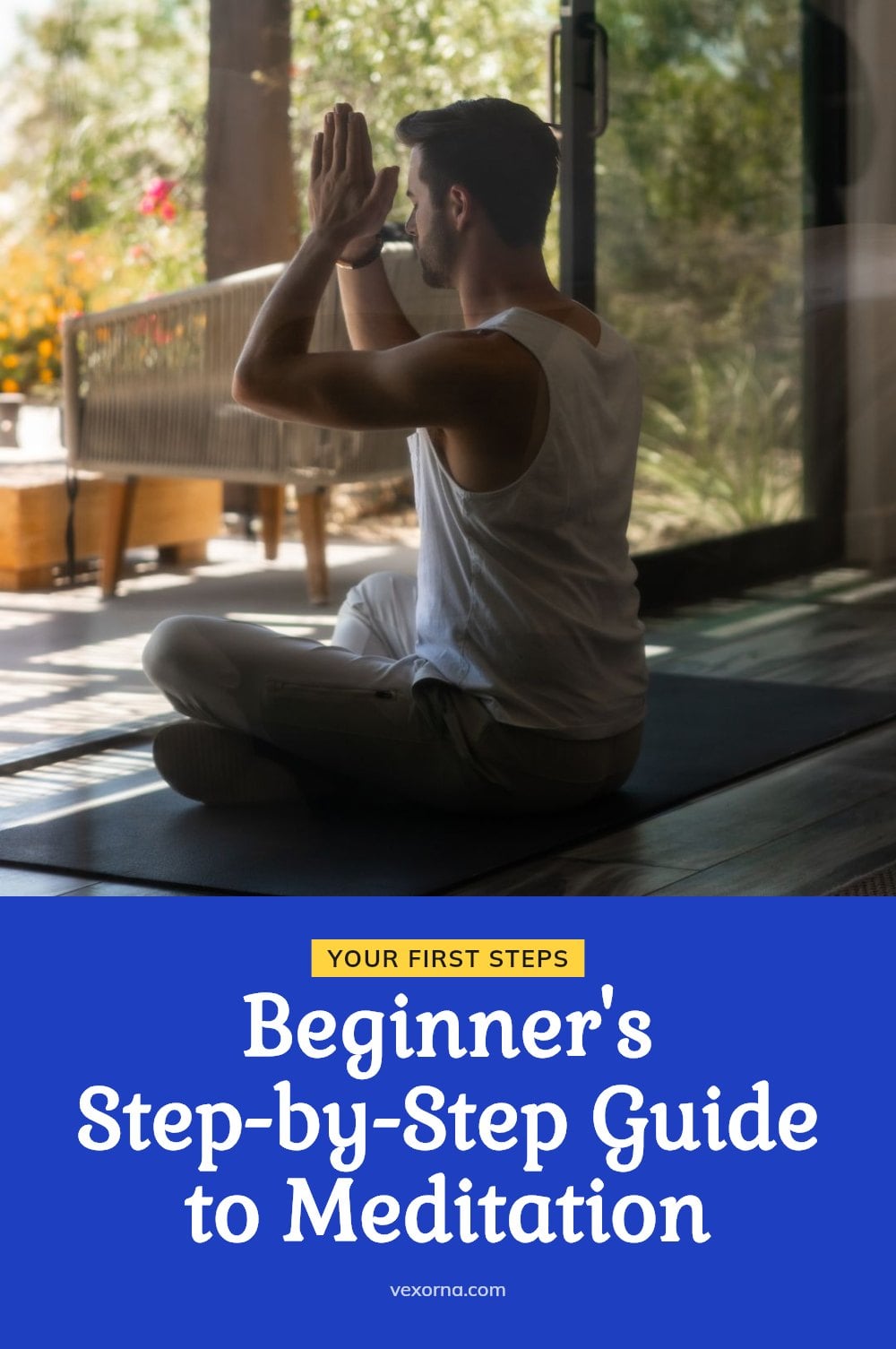
Feeling stressed, overwhelmed, or just scattered? You’re not alone, and meditation might be the simple anchor you need. This guide walks you through the basics of starting a daily meditation practice, from the essential steps to common pitfalls, so you can find more calm and focus in your everyday life.
Key Takeaways
- Start with 5-10 minutes daily; consistency matters more than duration.
- Use your breath as an anchor, gently redirecting attention when it wanders.
- Explore different techniques like focused attention or open monitoring to find what works.
- Don’t aim for an empty mind; noticing thoughts and returning is the practice.
- If you have a mental health condition, consult a professional before starting.
What is Meditation and Why Should You Try It?
Meditation is simply a practice of training your attention and awareness. The goal isn’t to become someone else, but to find a mentally clear and emotionally calm state that helps you handle daily life with more ease. Modern meditation is widely used for stress reduction and mental well-being, and you don’t need any spiritual beliefs to benefit. Regular practice can improve your focus and reduce anxiety, which is why so many busy people make it part of their morning routine. My tip: think of it as a mental workout, not a mystical escape. You’re building a skill that pays off in calmer reactions and clearer decisions.
Essential Tools for Your Meditation Practice
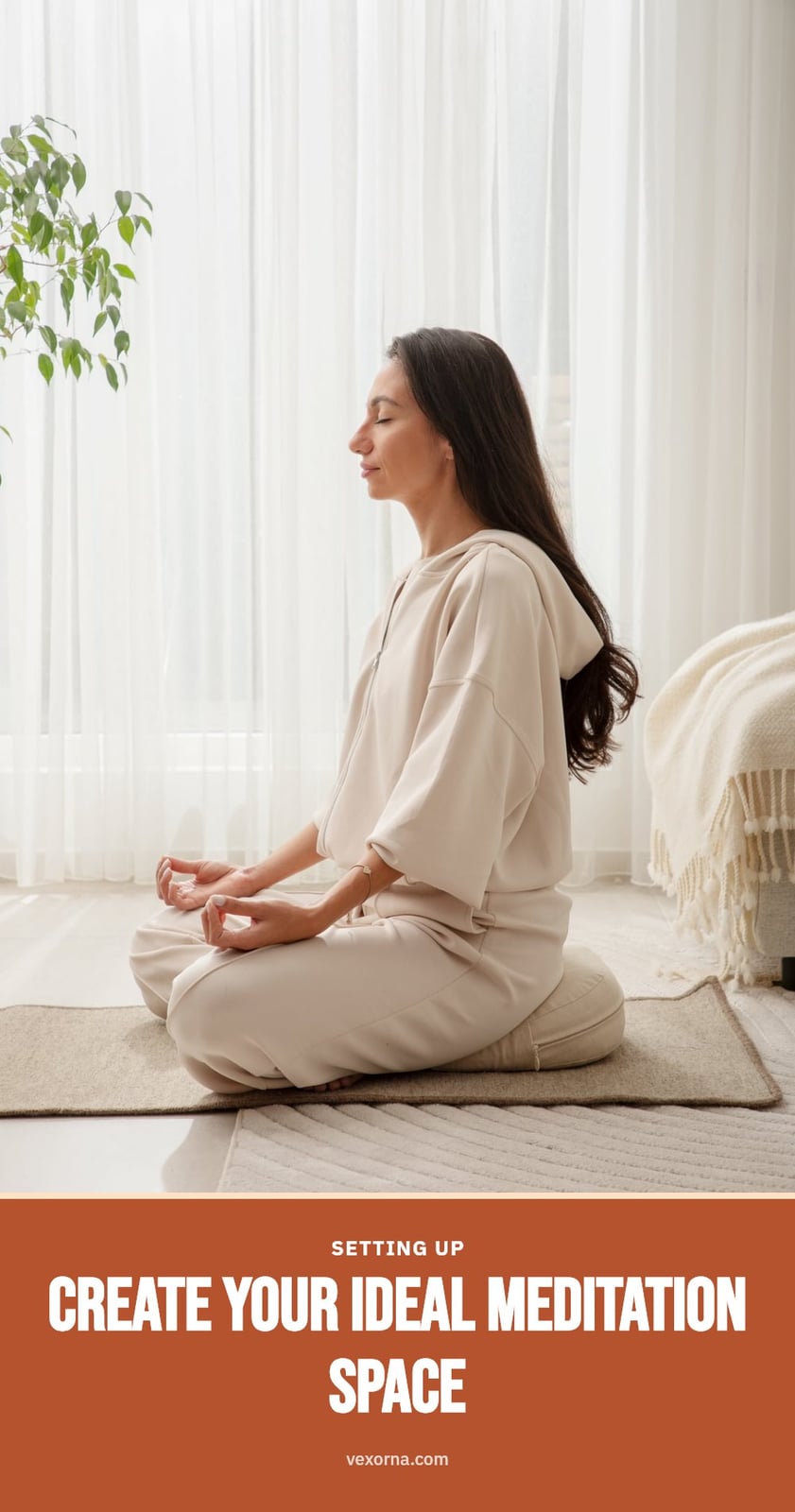
You don’t need much to start meditating, and most items are optional. A quiet space can help you concentrate, but it’s not strictly necessary. You can meditate on a bus, in a park, or in a noisy kitchen.
- Timer: A simple timer keeps track of your session length without you checking the clock. Your phone’s timer works fine.
- Guided meditations or apps: These are excellent for beginners. They talk you through the process and keep you on track.
- Comfortable chair or cushion: Optional, but a stable seat prevents fidgeting. You can also lie down if that’s more comfortable.
Your Step-by-Step Guide to Daily Meditation
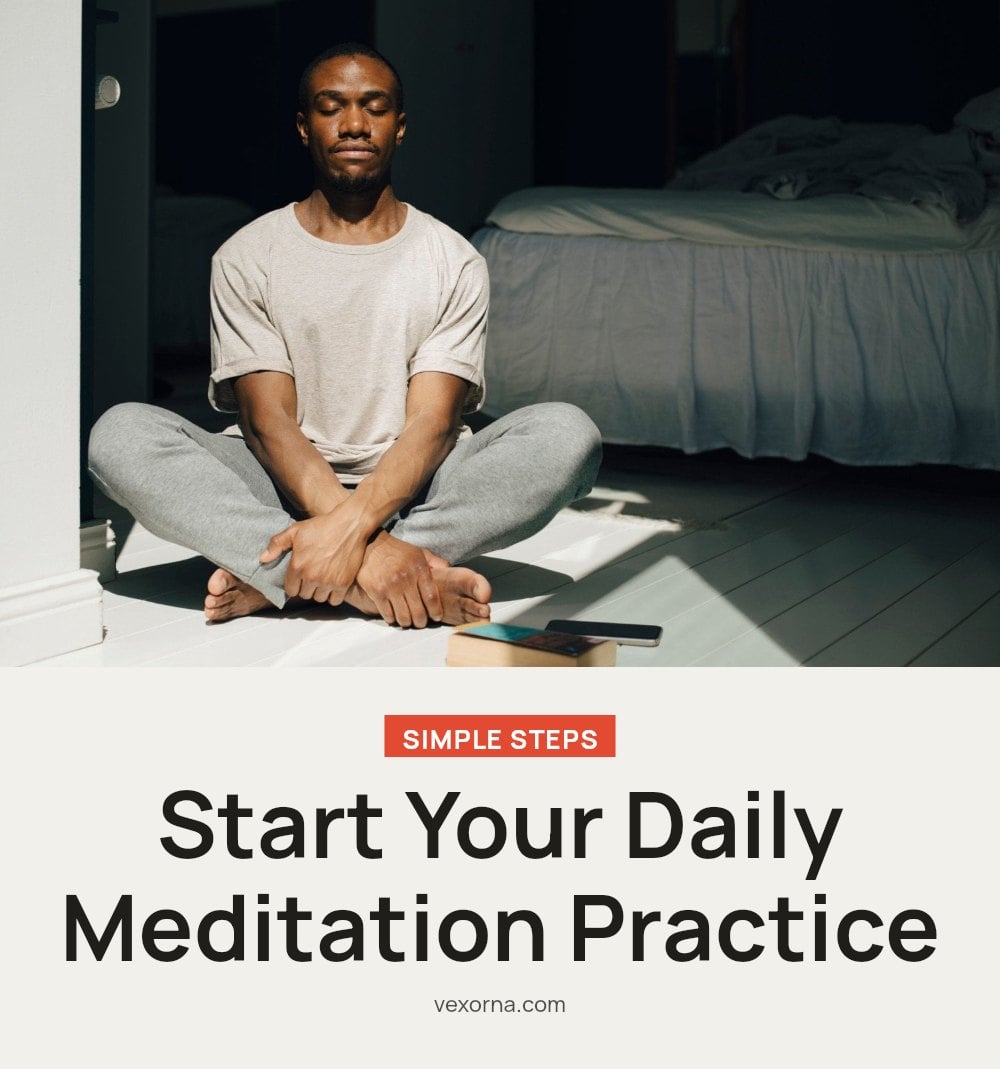
Here is a simple daily routine that takes about ten minutes and works whether you are a beginner or have been practicing for a while.
- Find your posture: Sit in a chair with your feet flat on the floor, or cross-legged on a cushion. Keep your back straight but not stiff. Rest your hands on your knees. The goal is to be alert yet relaxed.
- Set a short timer: Start with five to ten minutes. A timer means you will not peek at the clock, which pulls you out of the moment. My tip: begin with seven minutes if ten feels too long.
- Close your eyes and focus on your breath: Notice the air moving in and out through your nose. Feel your belly rise and fall. If you prefer, you can focus on the sensation at your nostrils.
- When your mind wanders, gently bring it back: This will happen a lot, and that is normal. Do not scold yourself. Just notice the thought and return your attention to the breath. Each time you do this, you are strengthening your focus.
- End with awareness: When the timer rings, keep your eyes closed for a few moments. Notice how your body feels. Then slowly open your eyes and carry that calm into your next activity.
Exploring Different Meditation Techniques
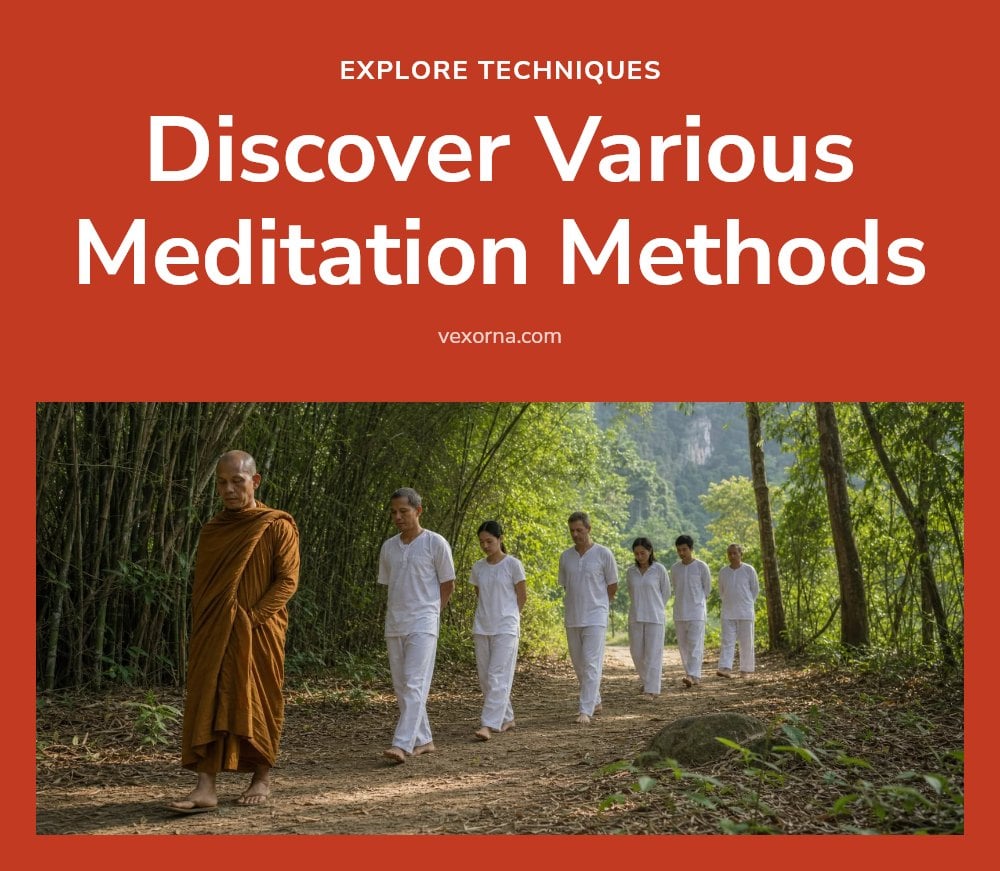
There’s no single right way to meditate. Different techniques work for different people, and you can switch depending on your mood. Here are four common methods to try.
Focused Attention Meditation
This anchors your mind to a single point, usually your breath, a word, or a candle flame. Whenever you notice your attention drifting, you bring it back. It’s great for building concentration.
Tip: Start with your breath. Count each exhale from one to ten, then start over. If you lose count, just begin again.
Open Monitoring Meditation
Instead of fixing on one thing, you observe all your thoughts, feelings, and sensations without judgment. You let them come and go like clouds passing in the sky. This helps you become less reactive to what’s happening around you.
Tip: Sit quietly and label each thought as “thinking” and each sensation as “feeling.” This creates a little distance.
Mindfulness Meditation
This popular form focuses on present moment awareness. You pay attention to what’s happening right now, whether it’s your breath, sounds, or the feeling of your feet on the floor, without labeling it as good or bad. It’s about being fully here.
Tip: Try it while brushing your teeth. Notice the taste of the toothpaste and the motion of your hand.
Walking Meditation
This integrates mindfulness with movement. You walk slowly, paying attention to each step, the lifting of your foot, the movement of your leg, and the sensation of your heel touching the ground. It’s perfect for people who find sitting still hard.
Tip: Walk a short path, about ten steps long. Turn around and walk back. Keep your eyes soft and slightly downward.
Common Meditation Mistakes and How to Avoid Them
One of the biggest misconceptions I see is that you need to clear your mind completely. That’s not how meditation works, and trying to force it will only frustrate you. Thoughts will come, and that’s fine; your job is to notice them and gently return to your anchor, like your breath.
Mistake: Judging your session as good or bad. If you sat for five minutes and your mind wandered the whole time, that’s still a successful meditation. The act of redirecting your attention is the practice itself.
Tip: Don’t compare your experience to someone else’s. Meditation feels different for everyone, and what works for a friend may not work for you. If it feels difficult at first, that’s normal. Consistency matters more than perfection, so just start again tomorrow.
Best Tips for a Consistent Meditation Practice
My tip for building a lasting habit is to start with short sessions, even five minutes a day. You can gradually increase the duration once the habit feels automatic. I also recommend choosing a consistent time, like right after your morning coffee or before bed, to anchor it into your routine.
Pro move: Be gentle with yourself when your mind wanders. Instead of getting frustrated, treat it as a chance to practice patience. Explore different techniques, such as focused attention on your breath or a walking meditation, to find what clicks for you.
Guided meditations or apps are especially helpful as a beginner. They provide structure and keep you from overthinking the process.
How Long Does It Take and What to Expect
Start with five to ten minutes daily. Consistency is more important than session length, especially in the first few weeks. Many people begin to notice benefits, like reduced stress or better focus, after a few weeks of regular practice.
Meditation itself is free. Optional app subscriptions can cost money, but you can also use free timers or online guided sessions. There’s no need to spend anything to get started.
When to Consider Professional Guidance
If you have a mental health condition, talk to a healthcare professional before starting an intense meditation practice. Some techniques may not be suitable for everyone. Stop and seek guidance if you experience significant distress or discomfort during meditation.
Meditation is a helpful tool, but it is not a substitute for medical or psychological treatment. Always prioritize professional care when needed.
Frequently Asked Questions
How long should a beginner meditate?
Start with five to ten minutes a day. Consistency is key, so a short daily session is more effective than a longer one you skip. Once the habit feels automatic, you can gradually increase the time.
Can I meditate lying down?
Yes, you can meditate lying down, sitting, walking, or even during daily activities. The key is to find a position that keeps you alert and comfortable. If you tend to fall asleep lying down, try sitting in a chair or on a cushion instead.
What if I can’t stop thinking during meditation?
That’s completely normal. The goal isn’t to stop thoughts but to notice them without judgment and gently bring your attention back to your breath or anchor. Each time you do that, you’re strengthening your meditation muscle.
Is meditation a religious practice?
While meditation has roots in spiritual traditions, modern meditation is often practiced secularly for stress reduction and mental well-being. You can practice it purely as a mindfulness tool, regardless of your beliefs.
How quickly will I see results from meditation?
Many people begin to notice benefits, like reduced stress or better focus, after a few weeks of regular practice. Progress is gradual, so be patient and focus on consistency rather than expecting immediate results.
Final Thoughts
My tip: pick a time that already feels natural, like right after your morning coffee or before bed, and commit to just five minutes. Expect that your mind will wander, and that’s okay; the real practice is in the returning. After a few weeks of regular practice, you may start to notice a subtle shift in your stress levels or ability to focus. That’s when the habit truly takes root.
This information is for general wellness purposes and is not a substitute for professional medical or psychological advice. If you have a mental health condition or experience significant distress during meditation, please consult a qualified healthcare provider.