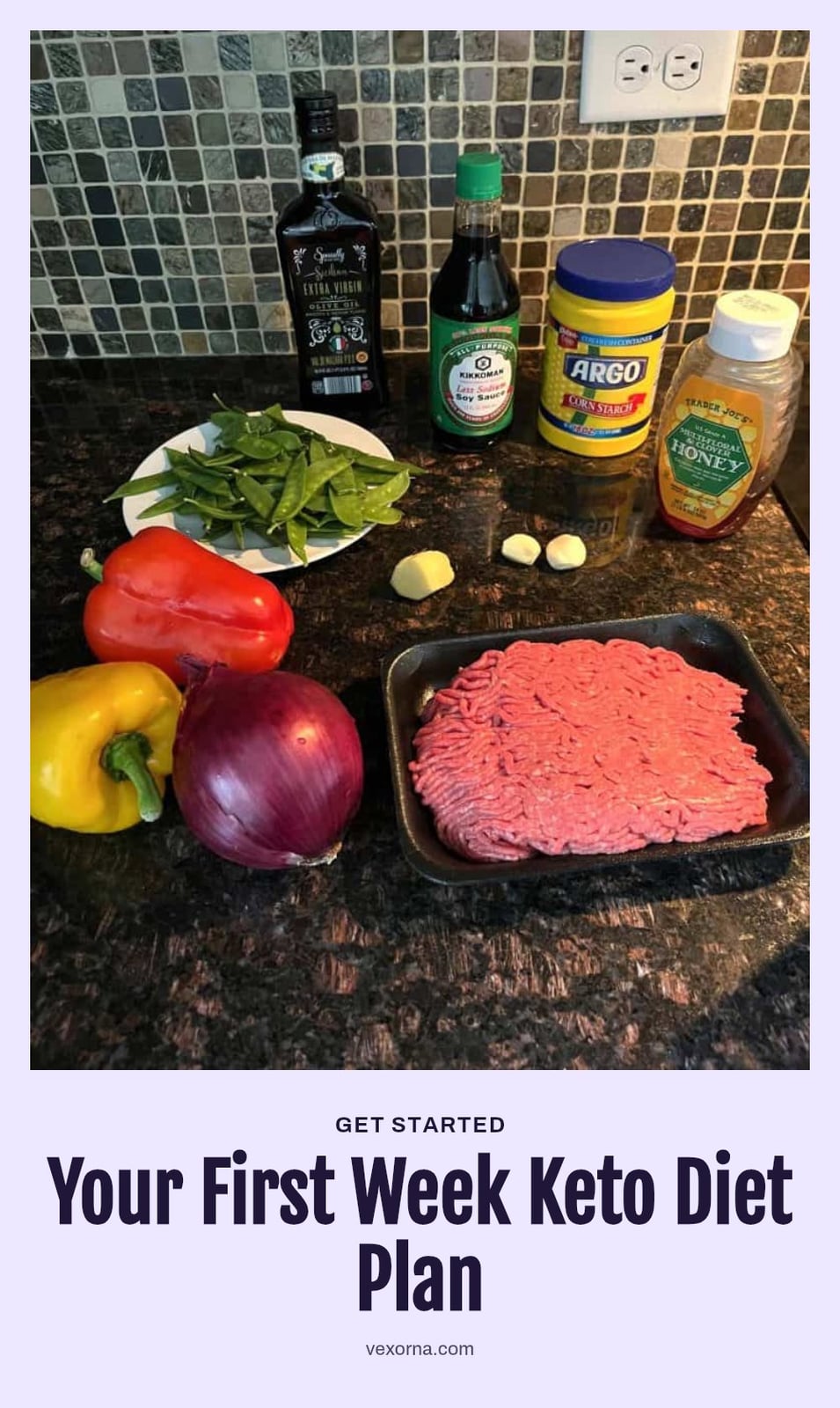
Starting a keto diet can feel overwhelming, but with a clear plan for your first week and a solid food list, it becomes much more manageable. The key is shifting your body into ketosis by drastically cutting carbs and increasing healthy fats. This article walks you through what to eat, how to handle the adjustment period, and common mistakes to avoid, so you can start with confidence.
Key Takeaways
- Keep daily carbs between 20 and 50 grams to enter ketosis.
- Focus on healthy fats like avocados, olive oil, and nuts.
- Moderate protein is key; too much can hinder ketosis.
- Stay hydrated and replenish electrolytes to ease keto flu.
- Plan meals ahead to stick with the diet consistently.
What is the Keto Diet and How Does It Work?
The keto diet is a very low-carb, high-fat eating plan that changes how your body gets energy. By cutting carbs to under 50 grams per day, you push your body into ketosis, a metabolic state where it burns fat for fuel instead of glucose. This shift can help with weight loss and may benefit certain health conditions, but it requires careful food choices to stay in ketosis.
When to Consult a Healthcare Professional Before Starting Keto
Before you start keto, talk to your doctor. This is especially important if you have diabetes, kidney disease, or liver conditions, as the diet can affect how your body handles these. Pregnant or breastfeeding women should also seek medical advice first.
- Diabetes: Your medication may need adjustment.
- Kidney or liver issues: High fat and protein may be risky.
- Pregnancy or nursing: Your nutrient needs are different.
Your doctor can help you decide if keto is safe for you and how to proceed.
Essential Foods to Stock for Your Keto Journey
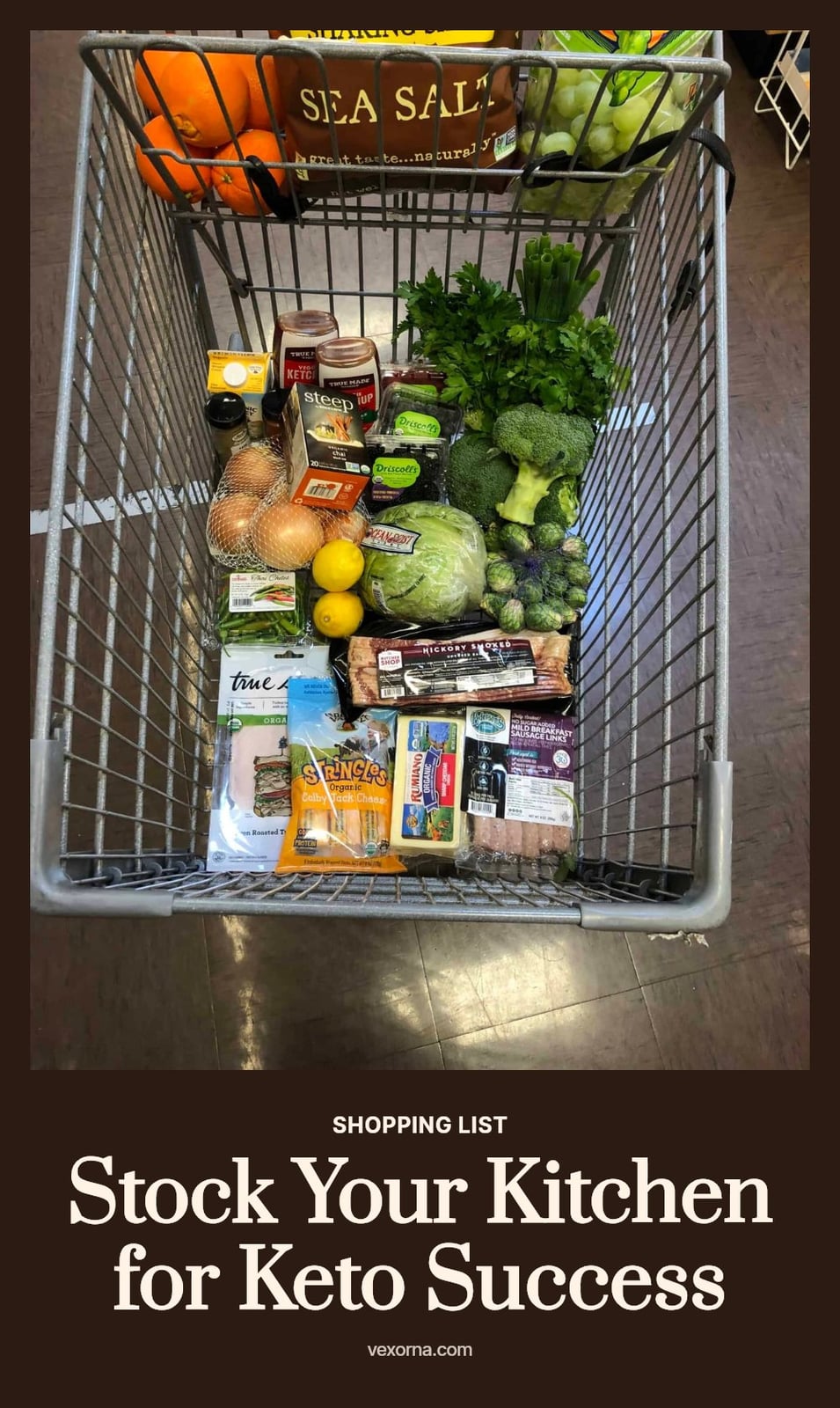
Stock your kitchen with foods that make keto easy. Focus on healthy fats like avocados, olive oil, and coconut oil. Include moderate protein from eggs, meat, and fatty fish like salmon. Fill your plate with non-starchy vegetables such as spinach, broccoli, and cauliflower for fiber and nutrients.
- Healthy fats: Avocados, olive oil, coconut oil, nuts, seeds.
- Protein: Eggs, beef, chicken, pork, fatty fish.
- Vegetables: Spinach, broccoli, cauliflower, zucchini.
- Other staples: Butter, cheese, nuts, and seeds.
Consider electrolyte supplements to help manage ‘keto flu’ symptoms, which often come from low sodium, potassium, and magnesium.
Your Step-by-Step Guide to Starting a Keto Diet

Start by cutting your daily carbohydrate intake to 20-50 grams. That means eliminating grains, most fruits, starchy vegetables, legumes, and all sugary drinks. Your focus shifts to healthy fats, which should make up 70-80% of your daily calories. Think avocados, olive oil, coconut oil, nuts, seeds, and fatty fish like salmon or mackerel.
- Set your protein level: Keep protein moderate, around 10-20% of your daily calories. Too much protein can convert to glucose through gluconeogenesis and pull you out of ketosis. Good sources are eggs, meat, and poultry.
- Track your macros: Use a food tracking app to log everything you eat for the first few weeks. This is the only way to confirm you are staying under your carb limit and hitting your fat target. Even small amounts of hidden carbs from sauces or condiments can add up.
- Hydrate and supplement electrolytes: Drink plenty of water throughout the day. Low electrolyte levels, especially sodium, potassium, and magnesium, are a primary cause of the ‘keto flu.’ Consider adding an electrolyte supplement or salting your food more liberally.
- Plan your meals and snacks: Prepare a few days of meals and snacks in advance so you always have keto-friendly options available. This prevents last-minute choices that could break your carb limit. Stock non-starchy vegetables like spinach, broccoli, and cauliflower for fiber and nutrients.
- Monitor your body’s response: Pay attention to how you feel. Some people use urine strips, breath meters, or blood meters to check if they are in ketosis. Adjust your food intake based on your energy levels, hunger, and any symptoms you notice.
My tip: Do not expect to feel great right away. The first few days are the hardest as your body switches fuel sources. Stick with the plan, and the adaptation will happen.
Navigating the ‘Keto Flu’ and How to Minimize Symptoms
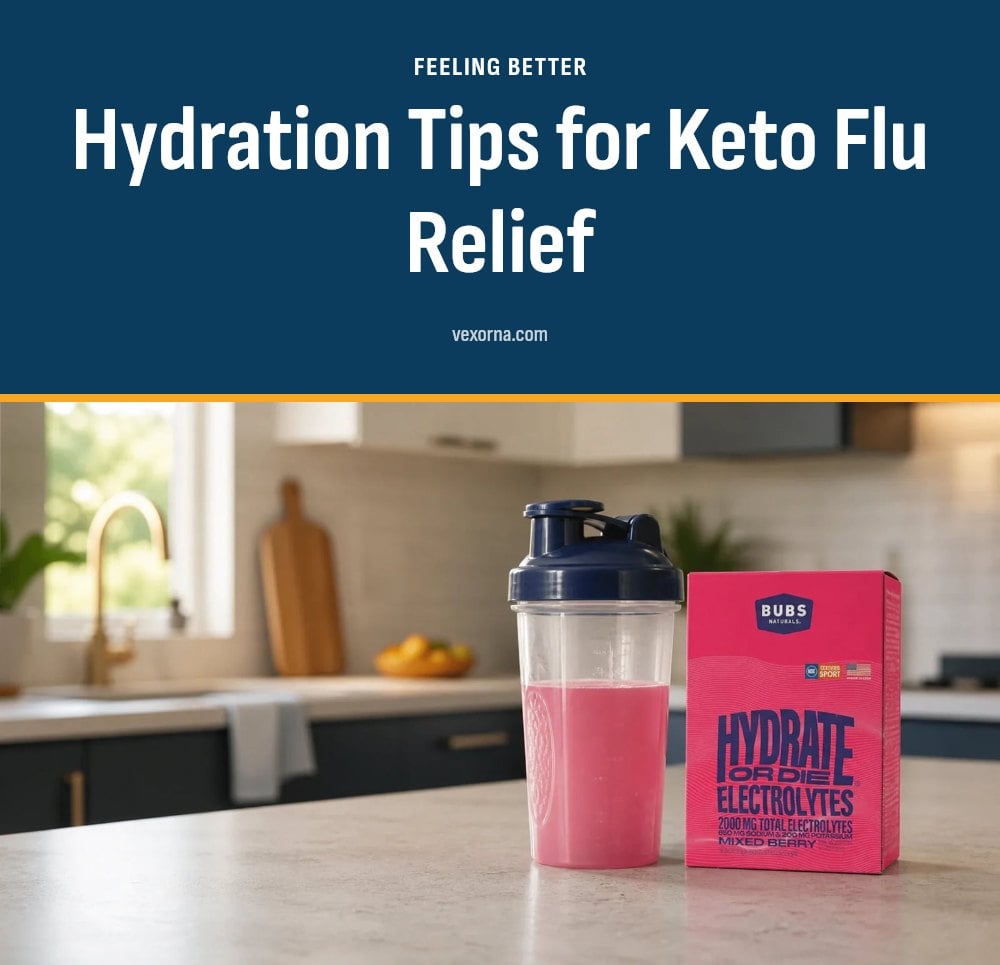
When you first cut carbs, your body needs time to adjust. Many people experience what is called the ‘keto flu’ during this adaptation phase. Symptoms can include headache, fatigue, nausea, irritability, and trouble concentrating. These symptoms are a sign that your body is shifting from burning glucose to burning fat for fuel.
The main culprit behind the keto flu is an electrolyte imbalance. As your body flushes out water and stored carbs, it also loses sodium, potassium, and magnesium. Increasing your intake of these electrolytes can help minimize symptoms. My tip: add a pinch of salt to your water or drink broth for sodium. Eat potassium-rich foods like avocado and spinach, and consider a magnesium supplement if needed.
Common Mistakes to Avoid When Starting Your Keto Diet
Starting keto is straightforward, but a few common pitfalls can trip you up. Avoiding these mistakes will make the transition smoother.
- Not consuming enough electrolytes: This directly contributes to keto flu symptoms. Increase your sodium, potassium, and magnesium to stay energized.
- Eating too much protein: Excess protein can convert to glucose through gluconeogenesis, which may prevent ketosis. Keep protein moderate, not excessive.
- Failing to track carbohydrates accurately: Hidden carbs in sauces, condiments, and vegetables can push you over your daily limit. Use a tracking app or read labels carefully.
- Not consuming enough healthy fats: Fat is your main energy source on keto. Without enough, you may feel hungry and tired. Add avocado, olive oil, or nuts to meals.
- Giving up too soon: The first few days can be tough. Remember that adaptation takes time, and the discomfort is temporary.
- Relying heavily on processed ‘keto-friendly’ products: Many packaged keto snacks are low in nutrients and may contain artificial ingredients. Stick to whole foods for better health.
Practical Tips for Long-Term Keto Success and Adherence
Once you are past the initial adjustment, these habits will help you stay consistent. Focus on whole, unprocessed foods like vegetables, meats, and healthy fats. They provide better nutrient density than processed alternatives.
Stay well-hydrated by drinking water and electrolyte-rich fluids such as broth or unsweetened electrolyte drinks. Listen to your body: if you feel sluggish or crave carbs, you may need more fat or electrolytes. Experiment with new keto recipes to keep meals exciting and prevent boredom. Some people find it helpful to monitor ketone levels with urine strips or a breath meter to confirm they are in ketosis.
Keto Diet Timeline: When to Expect Results and Adaptation
Results on keto vary, but here is a general timeline of what to expect. Your body typically enters ketosis within 2 to 4 days of strict carb restriction (under 20-50 grams per day). You may notice rapid initial weight loss during the first week, but much of that is water weight as glycogen stores are depleted.
Full metabolic adaptation, where your body efficiently burns fat for fuel, can take several weeks. During this period, energy levels may fluctuate. The cost of the diet depends on your food choices: whole foods like eggs, vegetables, and cooking oils are affordable, while grass-fed meats and supplements add expense.
Frequently Asked Questions
How quickly will I enter ketosis?
Most people enter ketosis within 2 to 4 days of strictly limiting carbs to under 50 grams per day. However, full adaptation, where your body efficiently burns fat for fuel, can take several weeks. During this time, you may experience keto flu symptoms as your body adjusts.
Can I eat fruit on a keto diet?
Most fruits are high in carbs and are typically avoided on keto, especially bananas, apples, and grapes. However, small portions of berries like strawberries or raspberries can sometimes fit into your daily carb limit. Always check the carb count and keep portions small to stay within 20 to 50 grams per day.
What if I don’t like fatty foods?
If you don’t enjoy fatty foods, keto can be challenging because fat makes up most of your calories. You can try milder options like avocados, olive oil in dressings, or nuts. But if you find it too difficult, consider talking to a dietitian about whether keto is right for you, or explore other eating patterns.
Is the keto diet sustainable long-term?
Long-term sustainability varies by person. Some people find keto easy to maintain, while others struggle with the restrictions. It’s important to include a variety of whole foods to avoid nutrient deficiencies. Over time, you might relax the carb limit slightly, but that may affect ketosis. Regular check-ins with a healthcare professional can help you decide.
Do I need to track macros precisely from day one?
Not necessarily. In the first week, focusing on cutting obvious carbs like bread, pasta, and sugary drinks can be enough. However, to ensure you’re in the right fat-to-protein ratio, many people find tracking helpful. Using a food app can give you a clearer picture, but it’s not mandatory if you’re consistent with whole foods.
Final Thoughts
Starting keto is a big change, but you can make it work by focusing on whole foods and staying patient. My tip is to prep your meals and snacks for the first week, so you are not caught off guard by hunger. Expect to feel fully adapted within a few weeks, and remember that initial discomfort like keto flu is temporary. If you have health conditions, check with your doctor first. Give your body time, and you will likely see results.
This article is for general informational purposes only and is not a substitute for professional medical advice. Always consult with a doctor or qualified healthcare provider before starting any new diet, especially if you have underlying health conditions or are pregnant or breastfeeding. If you experience severe or persistent symptoms, seek medical attention promptly.