
If you are exploring intermittent fasting, you might be wondering which schedule fits your life and your body. The truth is, there is no one-size-fits-all approach, especially for women, because our bodies can respond differently to fasting. This article breaks down the most popular fasting methods, offers practical tips for starting safely, and highlights common mistakes to avoid, so you can make an informed choice.
Key Takeaways
- Start with a 12- to 14-hour fasting window to let your body adjust gradually.
- Stay hydrated with water, black coffee, or plain tea during fasting periods.
- Focus on nutrient-dense, whole foods during your eating windows to avoid deficiencies.
- Consult a healthcare professional before starting, especially if you have health conditions.
- Stop fasting and seek medical advice if you experience severe dizziness or fainting.
What is Intermittent Fasting and How Does It Work?
Intermittent fasting is an eating pattern that cycles between periods of voluntary fasting and non-fasting. It focuses on when you eat rather than what you eat, structuring your eating windows to support cellular repair and metabolic shifts. Common methods include the 16/8 schedule or the 5:2 approach. For women, successful fasting often means choosing schedules that respect hormonal balance and individual body responses. Prioritizing nutrient-dense foods during eating periods is key.
Popular Intermittent Fasting Methods for Women

16/8 Method
This method involves fasting for 16 hours and eating within an 8-hour window. It is often considered a gentle starting point for women. Many people choose a window like 12 p.m. to 8 p.m., skipping breakfast and eating lunch and dinner.
5:2 Method
You eat normally for 5 days and restrict calories to 500-600 on 2 non-consecutive days. Some women find this easier because you still eat a small amount on fasting days.
Eat-Stop-Eat
This involves 24-hour fasts once or twice a week. It may be more intense and require careful consideration for women, especially regarding energy levels and hormonal balance. Caution: Start with shorter fasts first to see how your body responds.
Shorter Fasting Windows (12-14 Hours)
Starting with a 12- or 14-hour fast can be a beneficial beginning. It allows your body to adapt gradually without feeling deprived. My tip: Begin with a 12-hour overnight fast and extend it by 30 minutes each week if you feel comfortable.
Essential Tools for Successful Fasting
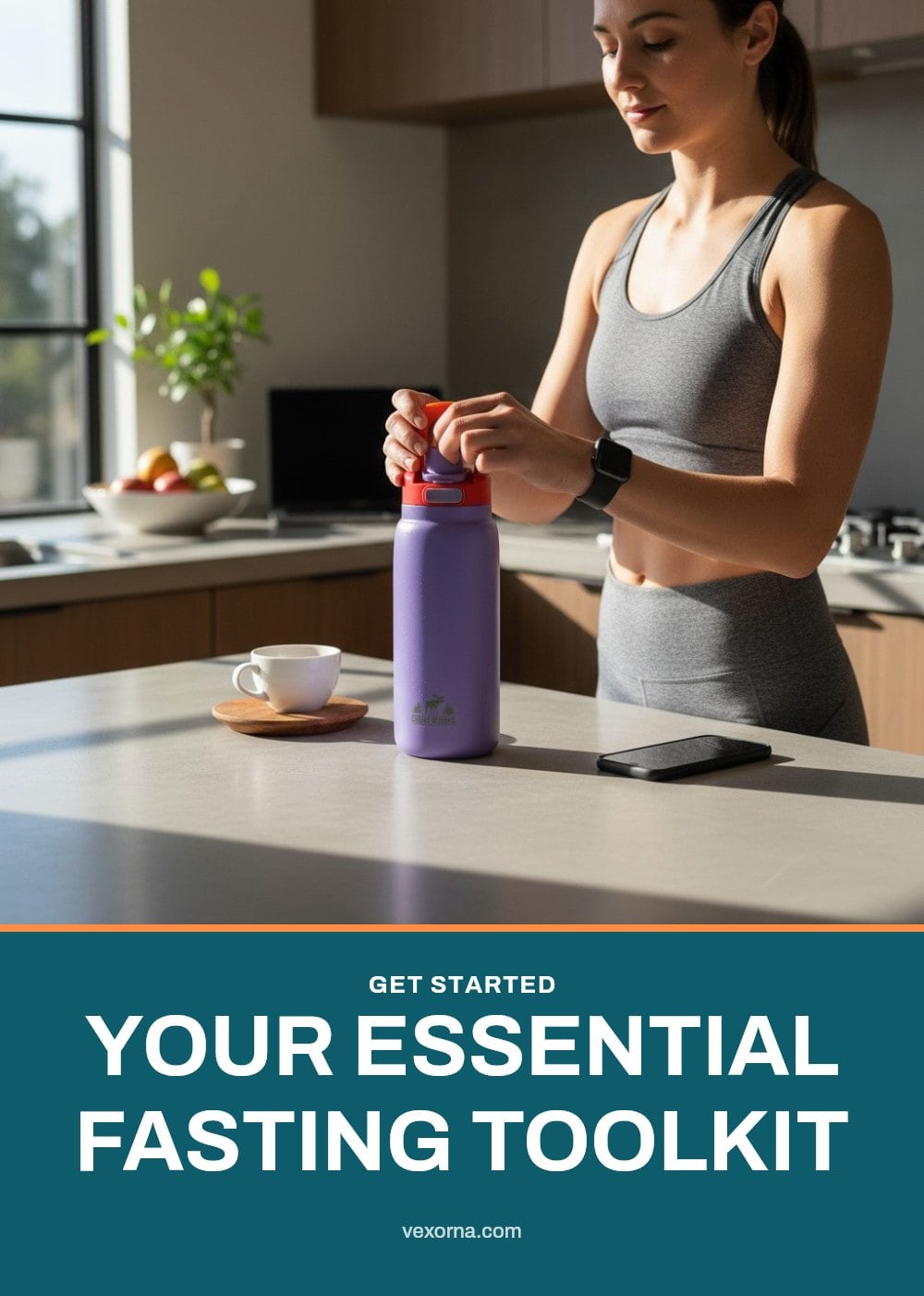
Having the right tools can make fasting easier and more comfortable.
- Water bottle: Staying hydrated is crucial during fasting periods. A reusable bottle you keep nearby reminds you to drink regularly.
- Black coffee and plain tea: These are permitted during fasting and can help with hunger. Avoid adding sugar, milk, or cream.
- Herbal teas: They offer variety and can be soothing, especially in the evening when you might miss a snack.
- Electrolyte supplements: These might be beneficial, but only if recommended by a doctor. Do not use them without professional advice.
How to Start Intermittent Fasting Safely
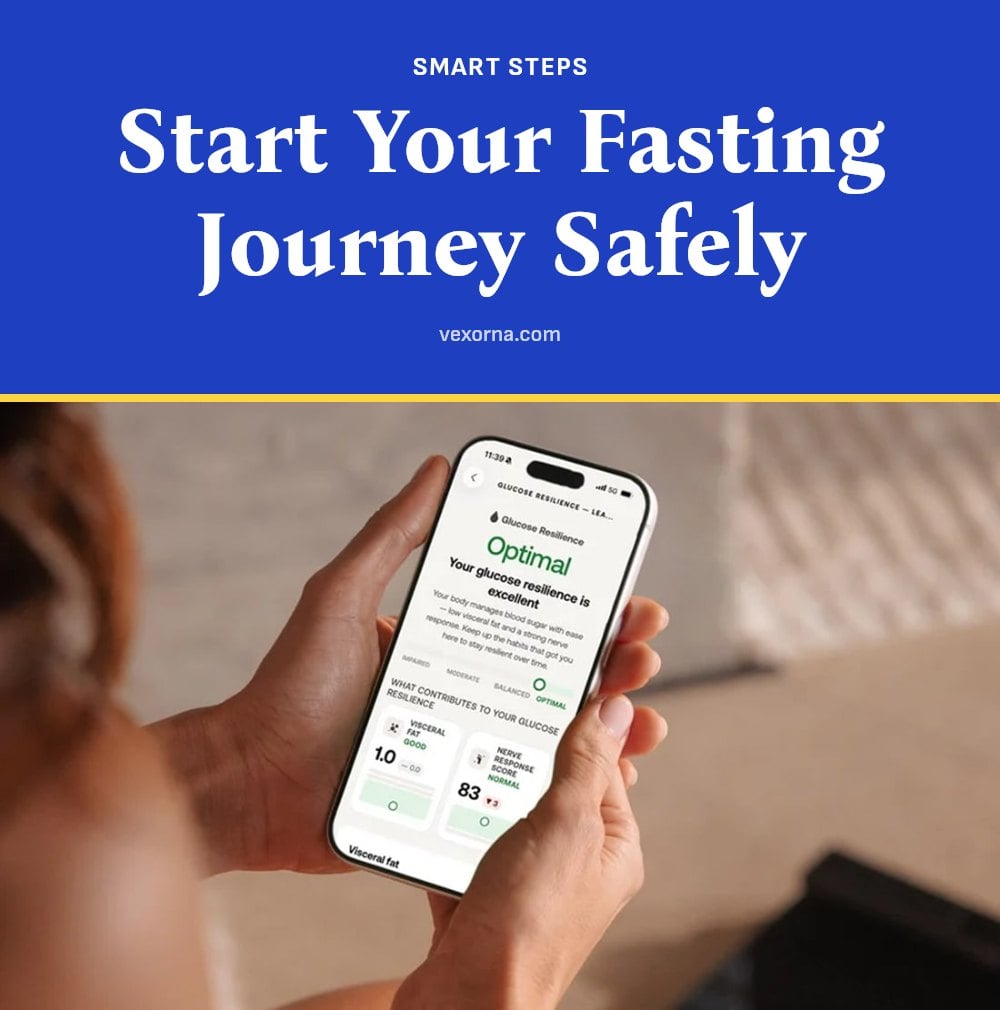
- Consult a healthcare professional: Before starting any fasting regimen, especially if you have existing health conditions, talk to your doctor. This is the most important step.
- Begin with shorter windows: Start with a 12- to 14-hour fast to allow your body to adjust. Gradually increase the fasting period only if you feel comfortable.
- Prioritize nutrient-dense foods: During your eating windows, focus on whole foods like vegetables, lean proteins, and healthy fats. This ensures you get adequate nutrition.
- Stay hydrated: Drink water, black coffee, or plain tea consistently throughout the day. Dehydration can cause headaches and fatigue.
- Listen to your body: If you feel dizzy, extremely tired, or unwell, adjust your schedule or break your fast. Do not push through severe discomfort.
- Support sleep and stress management: Adequate sleep and low stress are vital for hormonal balance. Fasting works best alongside a healthy lifestyle.
Common Fasting Mistakes to Avoid
Not staying hydrated: Drink plenty of water, black coffee, or plain tea during fasting periods. Dehydration can worsen headaches and fatigue, making the fast harder than it needs to be.
Eating unhealthy foods: Your eating window is when your body gets its nutrients. Focus on whole foods like vegetables, lean proteins, and healthy fats. Processed snacks can undo the benefits you are working toward.
Starting too aggressively: Begin with a 12-14 hour window instead of jumping into 16 hours. Your body needs time to adapt, especially if you are new to fasting.
Ignoring hunger or discomfort: Mild hunger is normal, but severe discomfort, dizziness, or irritability means you should adjust your schedule. Do not push through these signals.
Neglecting hormonal balance: Women may respond differently to fasting than men. If you notice changes in your cycle or mood, shorten your fasting window or try a less intense method.
Failing to consult a doctor: Always check with your healthcare provider before starting, particularly if you take medication or have a health condition. This step is non-negotiable for safety.
When to Consult a Healthcare Professional
Consult a healthcare professional before starting any fasting regimen, especially if you have underlying health conditions. Stop fasting and see a doctor if you experience severe dizziness, fainting, extreme fatigue, or persistent nausea.
Intermittent fasting is not recommended for individuals with diabetes, blood sugar regulation issues, or those on medications that require food intake. Women with a history of amenorrhea or other reproductive health issues should exercise extreme caution and consult a specialist.
If you are pregnant, breastfeeding, trying to conceive, or have a history of eating disorders, do not start intermittent fasting. These situations require medical guidance and a different approach to nutrition.
Frequently Asked Questions
Can intermittent fasting help with weight loss?
Intermittent fasting may help with weight management by naturally reducing calorie intake and improving metabolic health. However, results depend on the quality of foods you eat during your eating windows and your overall lifestyle. It is not a magic solution, and combining fasting with a balanced diet and regular physical activity is essential for sustainable results.
How long does it take to see results from intermittent fasting?
The timeline for noticeable changes varies widely. Some women may see changes within a few weeks, while others may take a few months. Consistency is key, but it is also important to listen to your body and adjust your schedule if needed. If you have not seen changes after a few months, consider consulting a healthcare professional for personalized guidance.
Is it okay to exercise while intermittent fasting?
Yes, many people exercise while fasting, but it depends on how your body responds. Light to moderate exercise, like walking or yoga, is generally well-tolerated. For intense workouts, you might prefer to schedule them during your eating window or have a small snack beforehand. Pay attention to how you feel and adjust your routine accordingly.
What should I eat during my eating window?
Focus on nutrient-dense, whole foods to support your health and avoid nutrient deficiencies. Include lean proteins, healthy fats, whole grains, fruits, and vegetables. Avoid processed foods and excessive sugar, as they can negate the benefits of fasting. Breaking your fast with a balanced meal can help prevent overeating and keep your energy stable.
Can I drink diet soda while fasting?
During fasting periods, only water, black coffee, and plain tea are typically allowed. Diet soda, while calorie-free, may trigger an insulin response or increase cravings for some people, potentially making fasting harder. If you are unsure, it is best to stick to the recommended beverages and consult a professional if you have concerns.
Final Thoughts
Intermittent fasting can be a flexible and sustainable approach for many women, but it is not a one-size-fits-all solution. My tip: start with a shorter fasting window like 12 to 14 hours and see how your body responds before extending it. Remember that results vary, and it may take a few weeks or even months to notice changes, so be patient and consistent. Above all, prioritize your overall health by eating well, staying hydrated, and listening to your body’s signals. If something feels off, do not push through; consult a professional.
This article is for general informational purposes only and does not constitute medical advice. Intermittent fasting may not be suitable for everyone, especially those with certain health conditions or who are pregnant or breastfeeding. Always consult a healthcare professional before starting any fasting regimen, and seek medical attention if you experience severe symptoms.