Have you ever felt stuck in a pattern of self-criticism or people-pleasing that seems to come from nowhere? That might be your inner child asking for attention. In this article, I’ll walk you through what inner child healing is, why it matters, and simple exercises you can start using today to nurture that younger part of yourself.
Key Takeaways
- Inner child healing focuses on acknowledging and nurturing childhood wounds that still affect you today.
- Journaling, visualization, and creative expression are effective exercises for connecting with your inner child.
- Healing is an ongoing process that takes months or years, not a quick fix.
- Set healthy boundaries in adult relationships to protect your vulnerable inner child.
- Seek professional support if you experience overwhelming distress or have a history of trauma.
What is Inner Child Healing and Why Does it Matter?
Inner child healing is a therapeutic concept that focuses on acknowledging and nurturing the parts of ourselves that were wounded or neglected in childhood. It works by recognizing how past experiences still influence your current thoughts, feelings, and behaviors, often without you realizing it. The goal is to reparent yourself, offering compassion, understanding, and validation to those younger aspects. This process can lead to greater emotional freedom and healthier adult functioning.
Essential Tools for Your Inner Child Healing Journey

You don’t need much to start, but having a few simple items on hand makes the exercises easier and more effective.
- Journal or notebook: For writing letters to and from your inner child, and exploring childhood memories.
- Pens or colored pencils: Use them for creative expression and adding color to your journaling.
- Art supplies: Paper, paints, or clay help process emotions non-verbally when words aren’t enough.
- Comfortable blanket or pillow: Creates a safe, cozy space for emotional work.
- Childhood photos (optional): Helps you visualize and connect with your younger self.
- Calming music (optional): Sets a peaceful atmosphere during exercises.
Step-by-Step: Connecting with Your Inner Child

These steps build on each other to help you connect with your inner child in a gentle, steady way.
- Create a safe space: Find a quiet area where you won’t be disturbed. Turn off your phone and dim the lights if that helps. This is your time.
- Identify your inner child’s needs: Reflect on childhood memories and what you needed then but didn’t fully receive. Was it safety, validation, or attention? Write down what comes up.
- Practice compassionate visualization: Close your eyes and imagine your younger self in a safe place. See them clearly and offer comfort, reassurance, or protection. Speak to them with kindness.
- Journal from your inner child: Write a letter to your younger self, or let them write back to you. Let the feelings flow without editing. This helps uncover hidden emotions.
- Use affirmations: Counter negative self-talk that started in childhood. Say statements like “I am worthy of love” or “My feelings are valid” aloud or in writing. Repeat them daily.
- Integrate healing into daily life: Set boundaries that protect your vulnerable self. Prioritize self-care as a way of reparenting yourself in real time.
Effective Exercises for Nurturing Your Inner Child
Try these exercises regularly to nurture your inner child. Each one works differently, so experiment to find what resonates.
Journaling
Write letters to your inner child, asking them what they need or allowing them to express their feelings. You can also write from your adult self to your younger self, offering reassurance. My tip: Keep a separate notebook just for this so you can look back at patterns.
Visualization
Imagine your younger self in a safe space, such as a sunny meadow or a cozy room. Offer them the comfort, validation, or protection they might have lacked. Picture yourself holding their hand or telling them they are safe. Caution: If this brings up intense emotions, take a break and ground yourself by noticing your surroundings.
Affirmations
Use positive statements to reprogram old beliefs. Examples: “I am worthy of love,” “My feelings are valid,” “I deserve to be happy.” Say them in front of a mirror or write them in your journal. Repeat them until they feel more natural.
Creative Expression
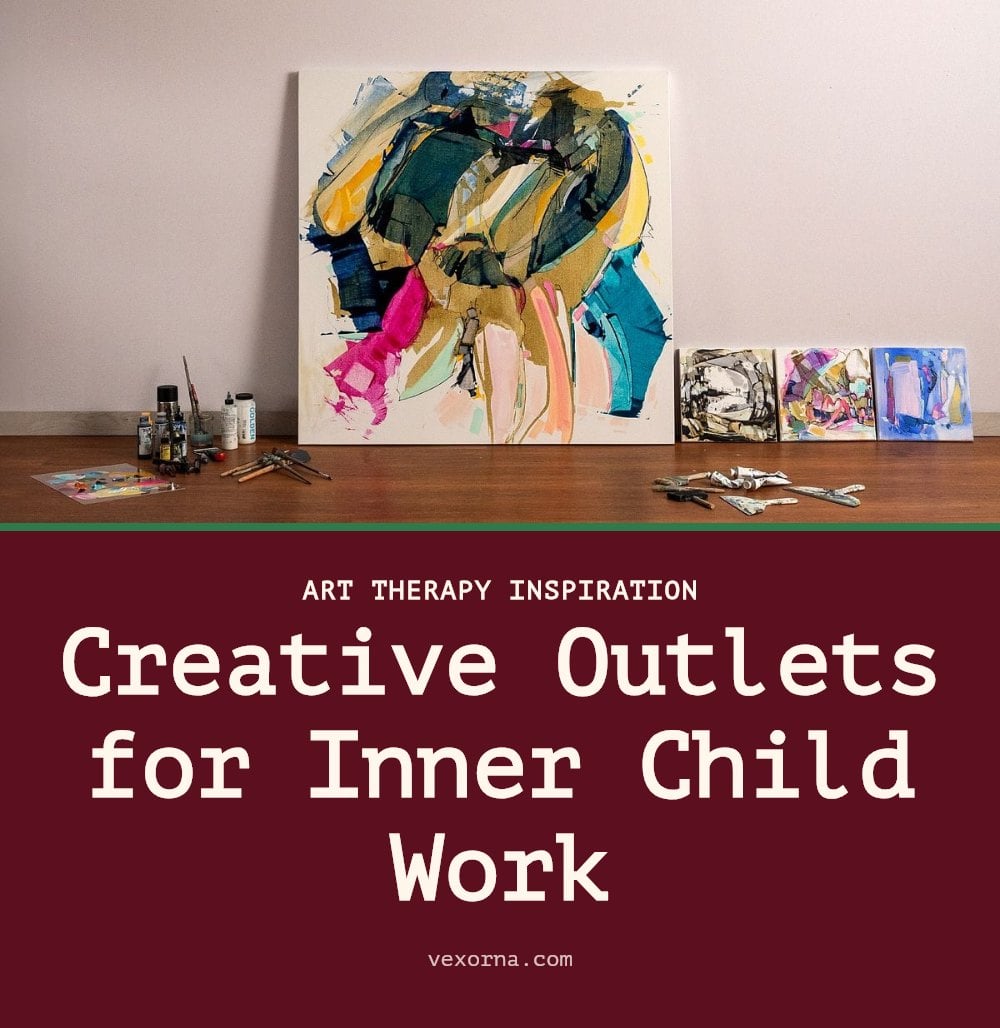
Draw, paint, or engage in play to access emotions that are hard to put into words. Use colors that match your mood, or create a collage of what your inner child wants. There is no right or wrong way to do this.
Reparenting Yourself
Actively meet your own needs as an adult. Prioritize self-care, seek support from trusted people, and validate your own experiences. When you feel a familiar wound, ask yourself: “What do I need right now?” Then give it to yourself.
Common Mistakes to Avoid in Inner Child Healing
Expecting a Quick Fix: Inner child healing is an ongoing process that takes time and patience. Don’t rush it or expect instant results; consistent practice yields gradual shifts over months or years.
Ignoring Professional Help: For severe trauma or complex mental health conditions, inner child work is not a substitute for professional therapy. A therapist can guide you safely through deeper issues.
Focusing Only on Negatives: Acknowledge positive childhood memories too, not just the painful ones. This balance helps you see the full picture and avoid getting stuck in the past.
Believing Healing Means Forgetting: Healing is about integrating the past, not erasing it. The goal is to understand and reparent, not to pretend the experiences didn’t happen.
Not Integrating Insights: Apply what you learn about your inner child into your daily adult behaviors and relationships. Without integration, the exercises stay abstract and don’t create lasting change.
Practical Tips for a Deeper Healing Experience

Be Patient and Compassionate: This journey is unique to you. Treat yourself with kindness, especially on days when progress feels slow.
Create a Safe Space: Ensure your environment is calm and free from distractions when doing this work. A quiet room, soft lighting, and a comfortable blanket can make a big difference.
Practice Self-Care: Regularly engage in activities that nourish your mind, body, and spirit. This builds the emotional resilience needed for healing.
Journal Your Progress: Document your thoughts and feelings to track insights and growth over time. Reviewing old entries can show you how far you’ve come.
Set Healthy Boundaries: Protecting your vulnerable self in adult relationships is a direct outcome of healing. Practice saying no and honoring your needs.
When to Seek Professional Support for Inner Child Healing
If you experience overwhelming distress, intense emotional outbursts, or feel unable to cope, pause and seek support. Inner child work is not a substitute for professional therapy, especially if you have a history of severe trauma, abuse, or complex mental health conditions. If you find yourself stuck, unable to make progress, or experiencing recurring negative patterns, a therapist can help. If the exercises trigger flashbacks or intense emotional reactions that you cannot manage alone, reach out to a mental health professional immediately.
Frequently Asked Questions
How long does inner child healing take?
The timeline varies greatly for each person. For many, it’s an ongoing process that unfolds over months or years, with consistent practice yielding gradual insights and emotional shifts. There’s no set deadline, so be patient with yourself.
Can inner child healing be done alone?
Yes, many people start inner child work on their own using journaling, visualization, and self-care. However, if you have a history of severe trauma, abuse, or mental health conditions, it’s wise to work with a mental health professional who can guide you safely.
What are the signs that my inner child needs healing?
Common signs include chronic self-criticism, difficulty setting boundaries, people-pleasing, fear of abandonment, emotional outbursts, and struggles with intimacy. If these patterns feel familiar, inner child work may help address their root causes.
Is inner child healing only for past trauma?
No, it’s for anyone who wants to understand how their childhood experiences, both positive and negative, still influence their adult life. Even without major trauma, many people find value in reparenting themselves and building emotional resilience.
How do I know if I’m making progress with inner child work?
Progress often shows up as small shifts: less harsh self-talk, more self-compassion, healthier boundaries, or feeling calmer in situations that used to trigger you. Journaling can help you track these changes over time.
Final Thoughts
My tip: start with one gentle exercise, like writing a short letter to your inner child, and see how it feels. Expect that healing unfolds gradually over months or even years, with consistent practice bringing small but meaningful shifts. Treat yourself with the same patience you’d offer a child learning something new.
This article is for informational purposes only and does not constitute medical or mental health advice. Inner child healing can bring up intense emotions. If you experience overwhelming distress, flashbacks, or feel unable to cope, please stop and seek support from a licensed mental health professional.