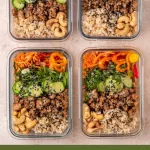
Digestive discomfort like bloating, gas, or irregular bowel movements can throw off your whole day. The good news is that you can support your gut naturally with a few consistent habits. This article walks you through the basics of how digestion works, what foods and tools help, and simple steps to feel better. You’ll also learn what to avoid and when it’s time to see a professional.
Key Takeaways
- Eat a diverse diet rich in whole grains, fruits, vegetables, and legumes.
- Chew food thoroughly and eat slowly to support enzyme action.
- Stay hydrated, especially when increasing fiber intake.
- Manage stress with practices like meditation or yoga.
- Consult a doctor for severe or persistent digestive symptoms.
Boost Your Digestion with Simple Lifestyle Changes
Improving your digestion naturally isn’t about quick fixes. It’s about making consistent dietary and lifestyle adjustments that your body can rely on. Focus on whole foods, adequate hydration, and mindful eating to support your digestive system. These changes help your body break down food more efficiently, which can reduce common discomforts like bloating and gas. Consistency is what makes the difference.
Understanding How Your Digestive System Works
How Your Digestive System Works
Digestion starts in your mouth. Chewing breaks food into smaller pieces, and saliva begins breaking down carbohydrates. From there, your digestive tract continues the process, breaking food into nutrients your body uses for energy and repair.
For efficient digestion, your body relies on three key elements:
- Fiber: Found in plant foods, it adds bulk to stool and feeds beneficial gut bacteria.
- Water: Softens stool and helps it move through your intestines.
- Beneficial gut bacteria: These microbes help break down food and support overall gut health.
Stress also plays a role. It can alter gut motility and increase sensitivity, which may lead to discomfort. Managing stress is part of supporting your digestive system.
Essential Tools for a Healthier Gut
Stock your kitchen with these digestion-friendly staples:
- Whole grains: Oats, brown rice, and quinoa provide fiber for regularity.
- Fruits and vegetables: Berries, apples, leafy greens, and carrots are rich in fiber, vitamins, and prebiotics.
- Legumes: Beans and lentils are excellent sources of fiber and plant-based protein.
- Fermented foods: Yogurt, kefir, sauerkraut, and kimchi introduce beneficial probiotics to your gut.
- Water: Essential for softening stool and aiding its passage.
- Herbal teas: Peppermint and ginger teas can soothe digestive discomfort.
Step-by-Step: Cultivating Better Digestive Habits

Building better digestive habits takes a few simple, repeatable actions. Here’s a step-by-step approach that works.
- Eat a diverse range of whole foods: Rotate your fruits, vegetables, grains, and legumes. A varied diet supports a wider community of gut bacteria, which is linked to better digestion.
- Stay well-hydrated: Drink water throughout the day, not just with meals. Aim for enough that your urine is light yellow. Proper hydration keeps stool soft and moving.
- Incorporate fermented foods regularly: Add a serving of yogurt, kefir, or sauerkraut to your day. These foods introduce live beneficial bacteria to your gut. Start with small amounts if you’re new to them.
- Chew food slowly and thoroughly: Put your fork down between bites. Chewing breaks food into smaller particles, making it easier for digestive enzymes to do their job. Aim for 20 to 30 chews per bite.
- Manage stress through relaxation techniques: Deep breathing, meditation, or a short walk can lower stress hormones that disrupt gut function. Even five minutes of focused breathing before meals helps.
- Engage in regular physical activity: Moderate exercise like brisk walking or cycling stimulates the muscles of your digestive tract, promoting regular bowel movements. Aim for at least 30 minutes most days.
Common Digestion Mistakes to Avoid
Assuming all digestive discomfort is normal: Occasional bloating or gas happens, but persistent issues like daily pain or irregularity deserve attention. Address them instead of dismissing them.
Drastically changing diet too quickly: Adding lots of fiber overnight can backfire and cause gas or cramping. Introduce new foods like legumes or whole grains one at a time over several days.
Not drinking enough water: Fiber pulls water into your stool to soften it. Without enough fluids, you may end up more constipated. Aim for consistent sips throughout the day.
Ignoring the impact of stress: Stress can slow gut motility and increase sensitivity. Even a short walk or deep breathing helps counteract that effect.
Expecting immediate results: Your gut microbiome needs weeks to adjust to new habits. Consistency matters more than speed.
Top Tips for a Happy Digestive System

Listen to your body’s hunger and fullness cues: Stop eating when you feel satisfied, not stuffed. This prevents overloading your digestive system.
Limit highly processed foods: They are often low in fiber and high in unhealthy fats and sugars, which can disrupt gut balance. Choose whole foods instead.
Consider prebiotic-rich foods: Garlic, onions, and asparagus feed your beneficial gut bacteria. Add them to meals regularly.
My tip: Try a food diary to identify potential trigger foods. Note what you eat and any symptoms you feel. Patterns often emerge within a week.
Avoid eating too close to bedtime: Give your body at least two to three hours to digest before lying down. This can reduce reflux and bloating.
Timeline for Digestive Improvement and General Costs
Initial improvements: Many people notice less bloating and more regular bowel movements within a few days to two weeks of consistent changes like adding fiber and water.
Lasting benefits: Significant and lasting improvements usually require ongoing commitment for several weeks or months. Your gut adapts gradually.
Cost tiers: The main expense is groceries for whole foods like fruits, vegetables, and whole grains. This can be medium to high depending on your choices and seasonality.
Supplements: Probiotics and prebiotics are optional. They add a medium cost and should not replace dietary improvements.
When to Consult a Healthcare Professional
Severe abdominal pain, persistent nausea, or vomiting: These symptoms may indicate a serious condition and require medical evaluation.
Unexplained weight loss or blood in your stool: These are red flags that need immediate professional attention.
Before making significant dietary changes or starting new supplements: Especially if you have existing health conditions or take medications, consult a doctor or registered dietitian first.
Natural remedies are not a substitute for medical diagnosis or treatment: For chronic or severe digestive disorders like IBS, Crohn’s disease, or celiac disease, professional guidance is essential.
Frequently Asked Questions
How long does it take to improve digestion naturally?
Many people notice less bloating and more regular bowel movements within a few days to two weeks of consistent changes like adding fiber and water. However, significant and lasting benefits usually require several weeks or months of ongoing commitment. Your gut needs time to adapt, so be patient and stay consistent.
Can stress really affect my digestion?
Yes, stress can significantly impact digestion by altering gut motility and increasing gut sensitivity. This means stress may lead to symptoms like cramps, bloating, or changes in bowel habits. Managing stress through practices like meditation, yoga, or deep breathing can help support a healthier digestive system.
Are all fermented foods good for digestion?
Fermented foods like yogurt, kefir, sauerkraut, and kimchi contain live beneficial bacteria, which can support gut health. However, not all fermented foods are equal; some may be high in added sugars or salt, which can be less beneficial. Choose plain, minimally processed options to get the most benefit.
What are prebiotics and why are they important?
Prebiotics are non-digestible food ingredients that feed the beneficial bacteria in your gut. They are important because they help these good bacteria thrive, which supports overall digestive health. Foods rich in prebiotics include garlic, onions, asparagus, and whole grains.
Should I take a probiotic supplement?
Probiotic supplements can be helpful for some people, but they are not necessary for everyone. It’s often better to get probiotics from fermented foods first. If you’re considering a supplement, especially if you have health conditions or take medication, talk to your doctor or a registered dietitian first.
Final Thoughts
Start by picking one or two changes, such as adding a serving of fermented food or chewing more slowly. Give your body at least a few weeks of consistent effort to see lasting improvements. Remember, small daily choices add up, and your gut will thank you.
This article is for general information only and is not a substitute for professional medical advice. If you have severe or persistent digestive symptoms, or before making significant dietary changes, consult a doctor or registered dietitian.