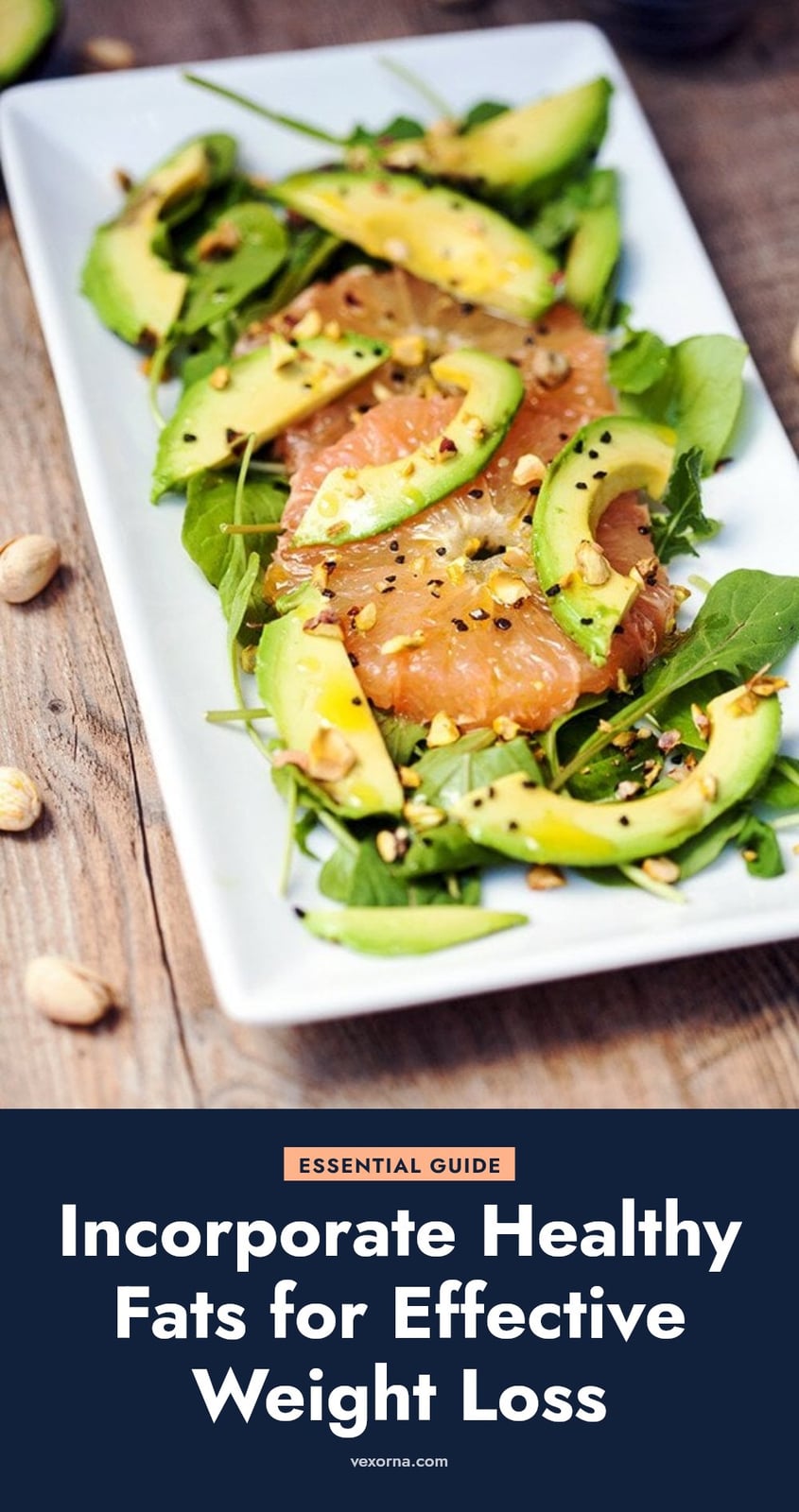
You’ve probably heard that fats are bad for you, but that’s not the whole story. Healthy fats are actually essential for your body, and they can even help you manage your weight. This guide explains what healthy fats are, how they support weight loss, and how to include them in your diet without overdoing it.
You’ll learn which fats to choose, which to limit, and simple ways to make them part of your everyday meals.
Key Takeaways
- Choose unsaturated fats like olive oil, avocados, and nuts over saturated and trans fats.
- Eat fatty fish such as salmon or mackerel at least twice a week for omega-3s.
- Read labels for ‘partially hydrogenated oil’ to avoid trans fats.
- Watch portion sizes, since all fats provide 9 calories per gram.
- Get fats from whole foods first, not supplements.
What Are Healthy Fats and Why Do They Matter for Weight Loss?
Healthy fats are primarily unsaturated fats, including monounsaturated and polyunsaturated types, that your body needs for hormone production, nutrient absorption, and overall health. Despite being calorie-dense, they support weight loss by increasing satiety, so you feel fuller longer and naturally reduce your calorie intake. The key is distinguishing these beneficial fats from saturated and trans fats, which you should limit or avoid, so you can include them wisely in your weight management plan.
The Science Behind Healthy Fats and Metabolism
Healthy fats play a direct role in how your body processes nutrients. They are essential for absorbing fat-soluble vitamins A, D, E, and K, which support everything from bone health to immune function and metabolism. Without enough fat in your diet, you may not get the full benefit of these vitamins even if you eat foods rich in them.
Fats also slow down digestion, which helps keep blood sugar levels steady after meals. That means fewer energy crashes and fewer sudden cravings for sugary snacks. Many people find that including a source of healthy fat at each meal helps them stay satisfied and focused for hours.
Over time, a diet rich in unsaturated fats may help reduce inflammation and support metabolic health. Both are important for maintaining a healthy weight, since chronic inflammation can interfere with normal metabolic processes. Swapping saturated fats for unsaturated ones is a simple change that adds up.
Understanding Different Types of Dietary Fats
Not all fats are created equal. Here is a quick breakdown of the four main types and how they affect your health.
| Type | Sources | Health Impact |
|---|---|---|
| Monounsaturated (MUFA) | Olive oil, avocados, nuts | Beneficial for heart health; may help with satiety |
| Polyunsaturated (PUFA) | Omega-3s: fatty fish, flaxseeds; omega-6s: vegetable oils | Essential fats; omega-3s may reduce inflammation |
| Saturated | Red meat, butter, full-fat dairy | Keep total daily intake under 10% of calories |
| Trans | Processed foods, partially hydrogenated oils | Avoid entirely; raise LDL cholesterol |
Focus your plate on unsaturated fats, and treat saturated fats as an occasional choice rather than a staple. The 10% limit applies to your total daily calories, not per serving.
Essential Healthy Fat Sources for Your Kitchen
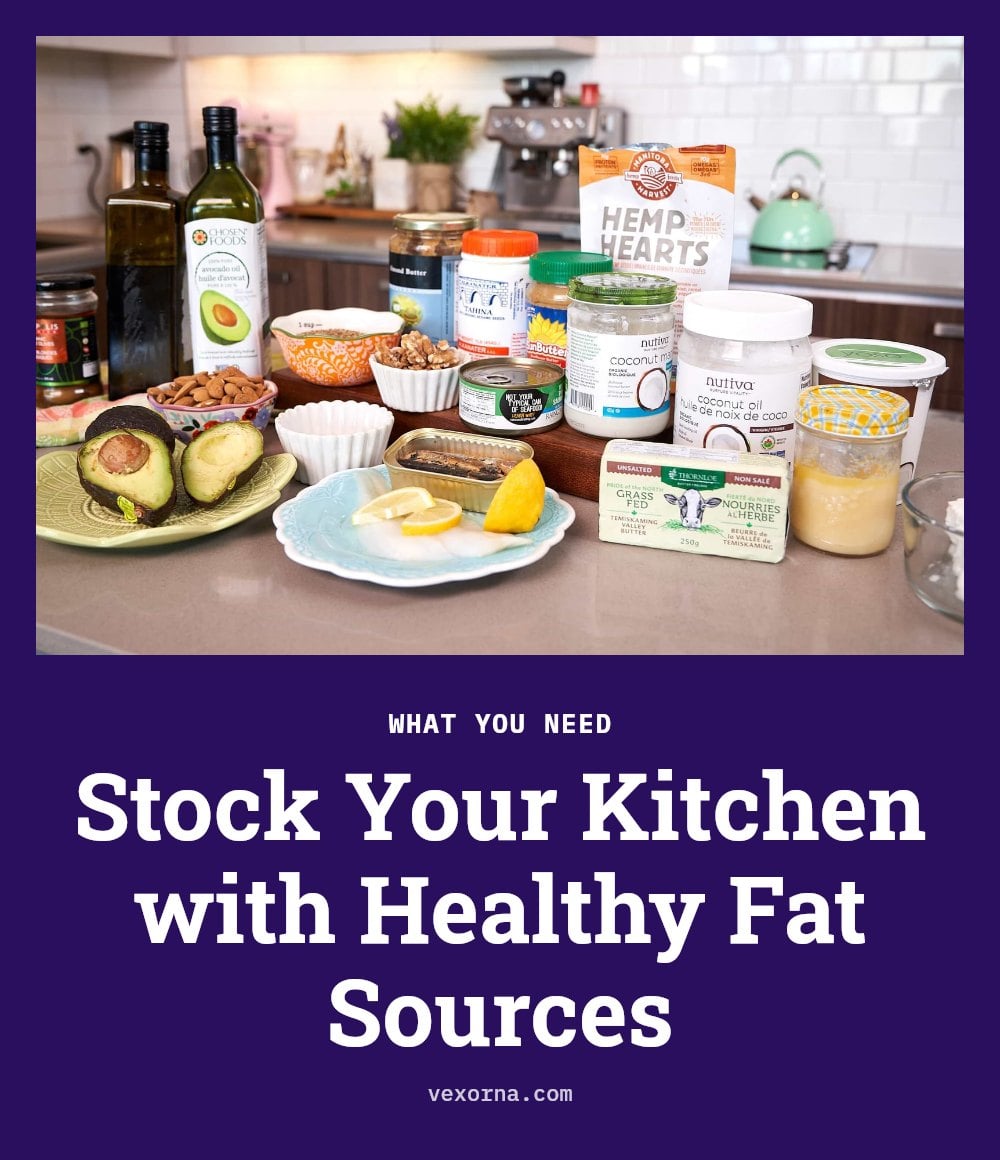
Stock your kitchen with these versatile sources of healthy fats:
- Olive oil and avocado oil: Use for sautéing, roasting, or making dressings.
- Fatty fish (salmon, mackerel, sardines): Aim for at least two servings a week to get omega-3s.
- Avocados: Add to salads, toast, or smoothies for creaminess and fiber.
- Nuts (almonds, walnuts) and seeds (chia, flax, pumpkin): Sprinkle on yogurt, oatmeal, or salads.
- Natural nut butters: Choose unsweetened versions for a quick snack or spread.
- Olives: A simple snack or topping that provides monounsaturated fats and antioxidants.
Smart Strategies for Incorporating Healthy Fats
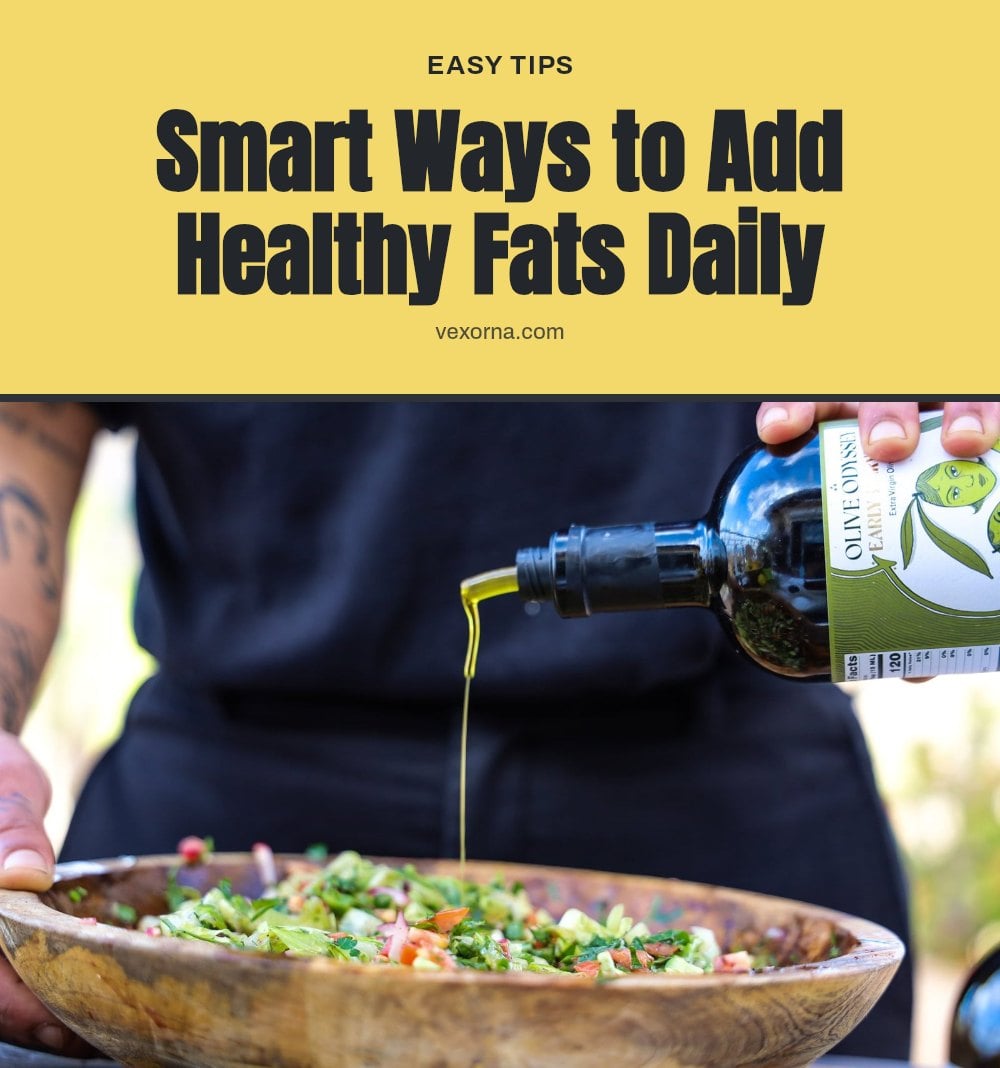
Prioritize whole foods: Get your healthy fats from avocados, nuts, seeds, and fatty fish rather than supplements. Whole sources provide fiber and other nutrients you won’t get from a pill.
Read food labels carefully: Scan ingredient lists for ‘partially hydrogenated oil’, that means trans fat. Also check saturated fat content and aim for products with less than 10% of daily value per serving.
Practice portion control: Nuts and seeds are easy to overeat. Stick to a small handful (about 1 ounce) of nuts or 2 tablespoons of seeds. For oils, measure with a spoon instead of pouring directly.
Choose healthy cooking methods: Bake, grill, or sauté with regular olive oil or avocado oil for medium-high heat cooking. Save extra-virgin olive oil for dressings or low-heat cooking since high heat can damage its delicate compounds.
Balance your plate: Pair healthy fats with lean protein and vegetables. For example, top a salad with grilled salmon and avocado, or add walnuts to roasted broccoli. My tip: Drizzle a little oil over roasted vegetables right before serving to keep the flavor fresh.
Common Mistakes When Eating Fats for Weight Loss
Avoiding all fats: Cutting out every source of fat robs your body of essential nutrients and the satiety that helps you eat less overall. Your body needs fat to function, so skipping it often backfires with cravings later.
Ignoring portion sizes: Even healthy fats like nuts or avocado are calorie-dense, 9 calories per gram versus 4 for carbs or protein. A handful of almonds is around 160 calories, so mindless snacking adds up fast.
Falling for ‘low-fat’ traps: Many ‘low-fat’ or ‘fat-free’ products replace fat with added sugar or refined carbs to improve taste. Check the label: that ‘healthy’ yogurt may have more sugar than a regular version.
Not reading labels: Processed foods often hide trans fats as ‘partially hydrogenated oil’ and pack in saturated fat. A quick scan of the ingredients list can save you from unknowingly undermining your efforts.
Relying solely on supplements: Fish oil or flaxseed oil pills deliver fats but miss the fiber, antioxidants, and other nutrients in whole foods like salmon or chia seeds. Prioritize real food first.
When to Consult a Professional About Your Diet
If you have a health condition such as heart disease, high cholesterol, or diabetes, talk to a healthcare professional or registered dietitian before making major dietary changes. They can help you tailor fat intake to your specific needs.
If you notice persistent digestive upset or unexplained weight changes after adjusting your fat intake, seek medical guidance. That could signal an intolerance or an imbalance in your diet.
For those with allergies to nuts, seeds, or fish, a dietitian can recommend safe alternatives, like avocado, olives, or seed-free oils, to ensure you still get enough healthy fats.
Frequently Asked Questions
Can I eat unlimited healthy fats for weight loss?
No, even healthy fats are calorie-dense, providing 9 calories per gram. Eating them in unlimited amounts can lead to excess calorie intake and weight gain. The key is portion control: a serving of nuts is about a small handful, and a serving of oil is about a tablespoon. Balance fats with other food groups to stay within your daily calorie needs.
Are all unsaturated fats equally good?
Not exactly. Both monounsaturated and polyunsaturated fats are beneficial, but they come from different sources and have different effects. Omega-3 fatty acids, found in fatty fish and flaxseeds, are especially supportive of heart health. Omega-6s, found in vegetable oils, are also needed but should be balanced with omega-3s. Aim for a variety of sources to get a range of benefits.
How can I tell if a processed food has trans fats?
Check the ingredient list for ‘partially hydrogenated oil,’ which is the main source of trans fats. Even if the nutrition label says ‘0 grams trans fat,’ the product may still contain small amounts if partially hydrogenated oil is listed. To be safe, avoid foods with this ingredient and choose whole, unprocessed options instead.
What’s the best cooking oil for healthy eating?
For everyday cooking, olive oil and avocado oil are excellent choices because they are rich in monounsaturated fats and have a good balance of stability at higher temperatures. Canola oil is another option with a neutral flavor. For no-heat uses like dressings, flaxseed oil is a good choice, but don’t use it for frying.
Do healthy fats help with cravings?
Yes, healthy fats can help reduce cravings by increasing satiety, or the feeling of fullness. When you eat fats with meals, they slow down digestion and help stabilize blood sugar levels, which can prevent sudden hunger spikes. Including a small amount of healthy fat in your meals may help you feel satisfied longer and eat less overall.
Final Thoughts
Incorporating healthy fats into your meals is a smart move for weight management and overall health. Start by swapping one saturated fat source for an unsaturated one, like using olive oil instead of butter, and aim for two servings of fatty fish each week. Remember that results take time and depend on your overall diet and lifestyle, so be patient with yourself.
Focus on whole, unprocessed foods and keep portions reasonable. That’s the sustainable path to making fats work for you.
This article is for general information only and is not a substitute for professional medical or dietary advice. If you have a health condition such as heart disease, high cholesterol, or diabetes, or if you experience persistent digestive issues, consult a healthcare provider or registered dietitian before making significant changes to your diet.