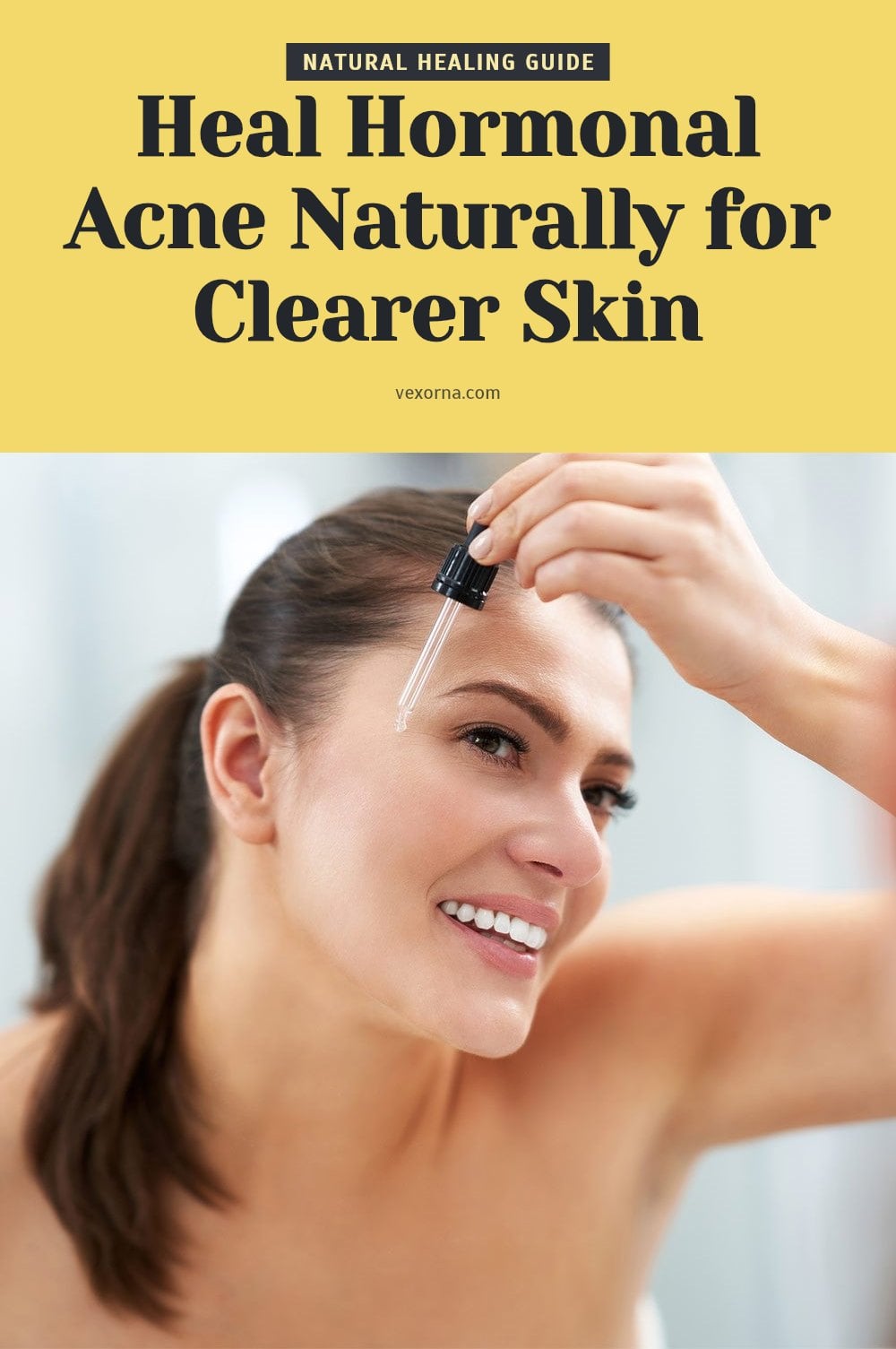
If you’re dealing with deep, tender breakouts along your jawline or chin that seem to flare up around your period, you’re likely facing hormonal acne. It’s a frustrating cycle driven by natural hormone shifts, but you can take steps to calm it from the inside and out. This article covers what causes these breakouts, natural approaches to manage them, and when it’s time to see a dermatologist.
Key Takeaways
- Hormonal acne typically appears as deep cysts along the jawline, chin, and mouth.
- Stress and lack of sleep can worsen hormonal acne by affecting hormone balance.
- Topical treatments like salicylic acid can help manage breakouts directly.
- Natural remedies usually take 2-3 months of consistent use to show results.
- Consult a dermatologist if natural methods don’t improve severe or painful acne.
What Exactly Is Hormonal Acne?
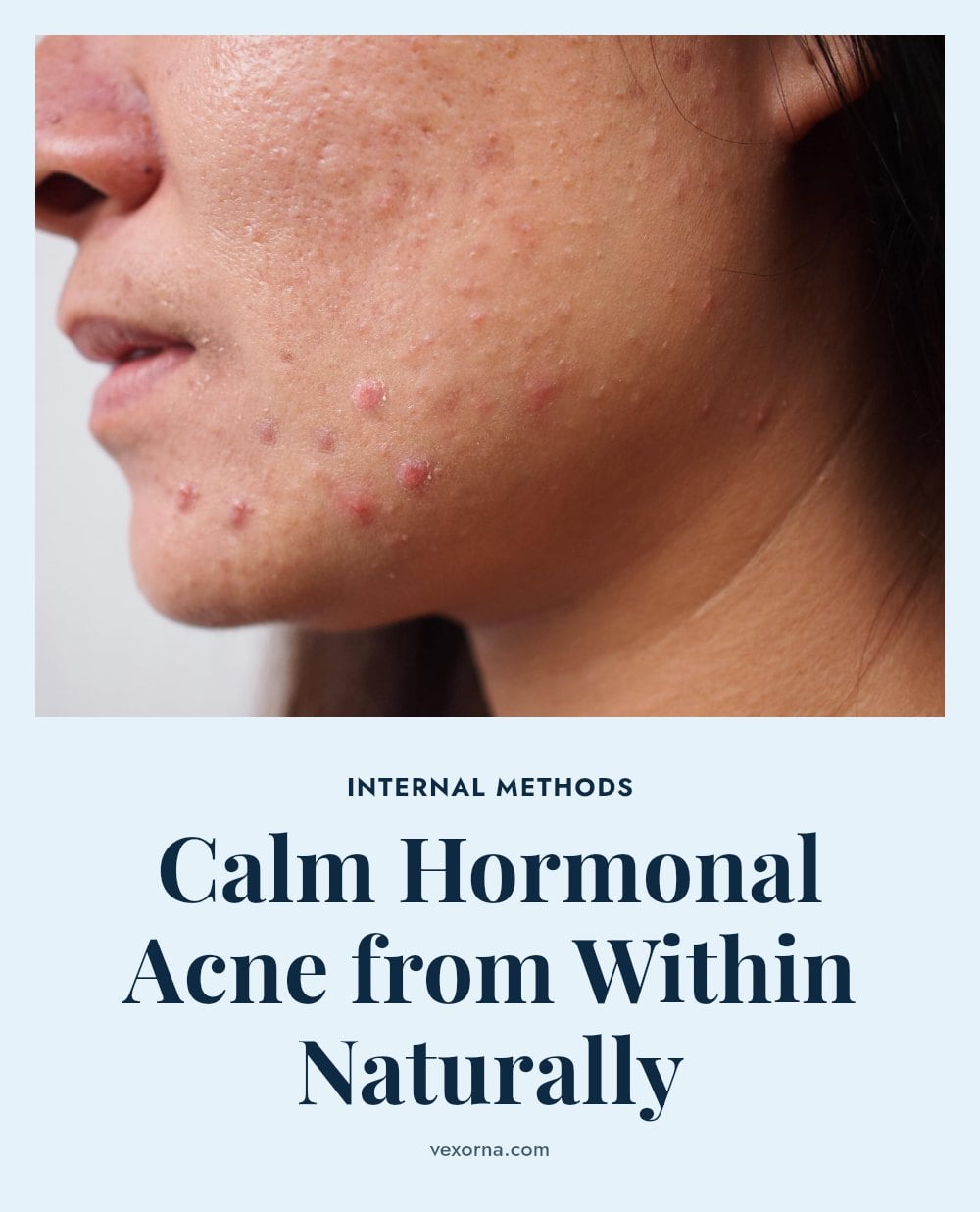
Hormonal acne shows up as deep, tender cysts and nodules, usually along your jawline, chin, and around your mouth. It’s driven by fluctuations in hormones, especially androgens, which ramp up oil production and inflammation. Many women notice flares during the week before their period. While natural approaches can support skin health, persistent cases often benefit from a dermatologist’s input.
Why Hormones Cause Breakouts on Your Jawline and Chin
Why Hormones Cause Breakouts on Your Jawline and Chin
Androgens, present in both men and women, stimulate your sebaceous glands to produce more oil. That excess oil mixes with dead skin cells, clogging pores and creating a breeding ground for bacteria. The result is inflammation and breakouts, often concentrated on the lower face.
Stress adds another layer. It influences hormone levels, which can trigger or worsen flares. Inflammation is a key part of the process, so calming it helps. Here’s the chain:
- Androgens increase oil production.
- Excess oil traps dead skin cells in pores.
- Clogged pores become inflamed.
- Stress raises hormone levels, amplifying the cycle.
Natural Approaches to Calm Hormonal Acne from Within
Natural Approaches to Calm Hormonal Acne from Within
You can support your skin from the inside out with a few targeted changes. Spearmint tea is anecdotally reported to help by potentially reducing androgen effects. Drink one to two cups daily, but note that robust scientific evidence is limited.
Omega-3 fatty acids have anti-inflammatory properties that may benefit acne. You can get them from fish oil supplements or flaxseeds. Zinc supplementation is another option. It has anti-inflammatory and antibacterial effects. Start with a moderate dose and check with a doctor first.
Probiotics might influence gut health, which some theories link to skin health, though direct evidence for acne is still emerging. Consider a high-quality probiotic if you’re curious.
Dietary changes can help some individuals. Reducing high glycemic index foods (like white bread and sugary snacks) and dairy may reduce flares, but results vary. Caution: Don’t eliminate major food groups without ensuring nutritional adequacy. If you’re pregnant or breastfeeding, consult your doctor before adding any supplements.
Targeting Hormonal Breakouts with Topical Treatments
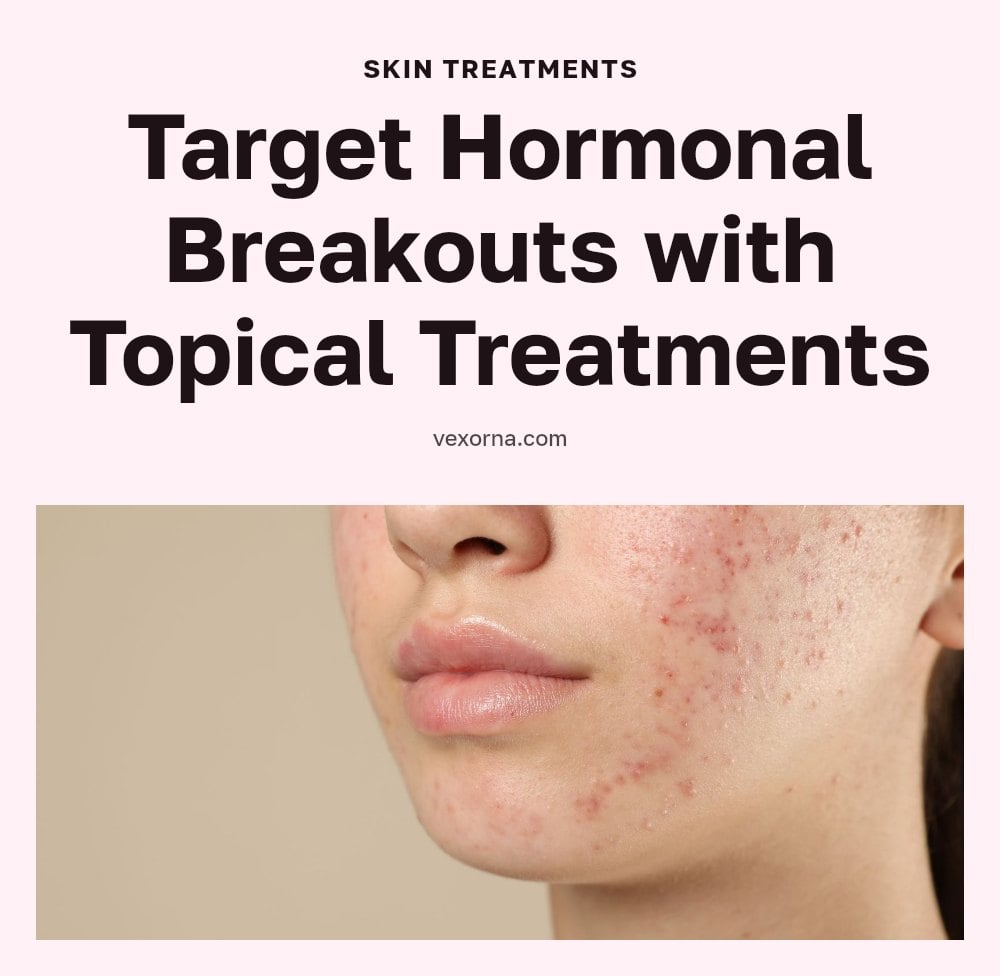
Topical treatments can directly target the breakouts on your skin. A gentle, consistent cleansing routine twice daily is crucial. Use a non-comedogenic cleanser that won’t strip your skin’s natural barrier.
Salicylic acid is a beta hydroxy acid that exfoliates inside the pores and reduces inflammation. Look for a serum or spot treatment with 0.5% to 2% salicylic acid and apply it after cleansing. Tip: Start with every other day to see how your skin handles it.
Azelaic acid works by calming inflammation and killing acne-causing bacteria. It’s available in creams or serums at 10% to 20% strength. Apply a thin layer to affected areas once or twice daily. Many people find it less irritating than other active ingredients.
Tea tree oil has antimicrobial and anti-inflammatory properties. Caution: Always dilute it with a carrier oil like jojoba or almond oil (about 2-3 drops of tea tree oil per tablespoon of carrier oil) and do a patch test on your inner arm first. Apply it as a spot treatment directly on pimples.
Clay masks can help draw out impurities and absorb excess oil from the skin’s surface. Use a bentonite or kaolin clay mask once or twice a week. Leave it on for 10-15 minutes, then rinse with lukewarm water. Don’t let the mask dry completely, as it can be too harsh on your skin.
Common Mistakes When Treating Hormonal Acne (And What to Do Instead)
Picking or Squeezing Pimples: This worsens inflammation and can lead to scarring. Let them heal naturally or use a targeted spot treatment instead.
Using Harsh Scrubs or Cleansers: Over-stripping the skin irritates it and can stimulate more oil production. Opt for a gentle, non-comedogenic cleanser.
Expecting Immediate Results: Natural treatments take time to show effects, often weeks to months. Consistency is key.
Ignoring Lifestyle Factors: Stress and lack of sleep significantly impact hormones. Prioritize stress management and adequate rest.
Over-Complicating Your Routine: Too many active ingredients can overwhelm the skin. Introduce new products slowly and one at a time.
Daily Habits for Supporting Clearer Skin and Hormone Balance
Prioritize Sleep: Aim for 7-9 hours of quality sleep to support hormone balance and reduce stress.
Manage Stress: Incorporate practices like meditation, yoga, or deep breathing into your daily routine.
Stay Hydrated: Drinking plenty of water helps maintain skin health and overall bodily functions.
Change Pillowcases Frequently: At least once a week to reduce bacterial buildup on your skin.
Eat a Balanced Diet: Focus on whole foods, fruits, and vegetables to support overall health and reduce inflammation.
When to See a Dermatologist for Hormonal Acne
See a dermatologist if natural methods aren’t effective after several months of consistent effort. Also seek professional help if your acne is severe, with painful, deep cysts and nodules, or if you experience significant scarring or pigmentation. If you suspect an underlying medical condition is contributing, or if you are pregnant or breastfeeding and considering new treatments, a doctor’s guidance is essential.
What to Expect: Timeline and Investment for Natural Hormonal Acne Solutions
Timeline for Results: Natural remedies typically take several weeks to a few months (2-3 months) of consistent use to show noticeable improvements. Sporadic use will not yield significant results.
Cost Tiers: Natural topical ingredients like salicylic acid and tea tree oil are generally affordable (low to medium cost). Supplements such as herbal teas, zinc, omega-3s, and probiotics represent a medium-tier investment. Many lifestyle adjustments like sleep, stress management, and diet can be low to no cost, focusing on habit formation.
Frequently Asked Questions
How long do natural remedies take to work for hormonal acne?
Natural remedies typically take several weeks to a few months of consistent use to show noticeable improvements. Most people see changes within two to three months, but sporadic use won’t yield significant results. Be patient and stick with your routine.
Can certain foods really trigger hormonal acne?
Some people find that high glycemic index foods and dairy are linked to their acne flares, but scientific evidence is still being gathered. It’s highly individual, so if you notice a consistent pattern after eating certain foods, you might consider adjusting your diet. But don’t rely solely on elimination without professional guidance.
Is it okay to use makeup if I have hormonal acne?
Yes, you can wear makeup, but choose non-comedogenic products labeled as oil-free and won’t clog pores. Always remove your makeup gently before bed to avoid trapping oil and bacteria. Heavy or greasy formulas may worsen breakouts, so stick to lightweight, breathable options.
What’s the difference between hormonal acne and regular acne?
Hormonal acne is specifically driven by fluctuations in hormones like androgens, which increase oil production. It often appears as deep, tender cysts along the jawline, chin, and mouth, and flares up around the menstrual cycle. Regular acne can occur anywhere on the face and body and may not have a clear hormonal link.
Can stress cause hormonal acne?
Yes, stress can exacerbate hormonal acne by influencing hormone levels, including androgens. When you’re stressed, your body produces more cortisol, which can trigger increased oil production and inflammation. Managing stress through practices like meditation, yoga, or deep breathing can help support clearer skin.
Are there any specific supplements that help with hormonal acne?
Some supplements like zinc and omega-3 fatty acids are sometimes suggested for acne due to their anti-inflammatory and antibacterial properties. However, evidence is limited, and results vary. Always consult a doctor before starting any new supplement, especially if you are pregnant, breastfeeding, or have a medical condition.
Final Thoughts
My top recommendation is to start with a gentle, consistent skincare routine and add one natural approach at a time, like drinking spearmint tea or using a salicylic acid spot treatment. Be patient: natural methods typically take two to three months to show noticeable changes. Remember, you don’t have to manage it alone, and seeing a dermatologist is a smart step if breakouts are severe or persistent.
This information is for general informational purposes only and does not constitute medical advice. Hormonal acne can be a complex condition, and what works for one person may not work for another. Always consult a dermatologist or healthcare professional for persistent, severe, or painful acne, or before starting new supplements or treatments.