
Anger shows up fast: your heart rate climbs, your muscles tighten, and suddenly you are saying things you do not mean. That is not a character flaw. It is a normal human emotion with a physical response behind it, and it becomes a problem mainly when it turns frequent, intense, or destructive. The good news is that handling it calmly is a skill you can build.
This article walks you through what to do in the moment, why certain triggers keep catching you, the mistakes that make anger worse, and the daily habits that lower the temperature over time. My tip: pick one strategy and practice it before you need it.
Key Takeaways
- Name your triggers and notice the physical signs of anger early, before it escalates.
- Use deep breathing and a short time-out to calm your body’s stress response in the moment.
- Say what you feel with clear “I” statements instead of yelling or going passive-aggressive.
- Move regularly and protect your sleep to lower how often anger spikes.
- Get professional help if anger is harming your relationships, job, or daily functioning.
What to Do When Anger Strikes
Anger is a natural emotion, but when it becomes frequent or intense, it can damage relationships and your health. Healthy anger management starts with recognizing your triggers, understanding what’s really causing the feeling, and building constructive coping skills. My tip: focus on three areas, immediate calming techniques like deep breathing, clear communication using ‘I’ statements, and long-term lifestyle adjustments such as regular exercise and better sleep. These work together to help you respond rather than react.
Why We Get Angry: Understanding the Triggers
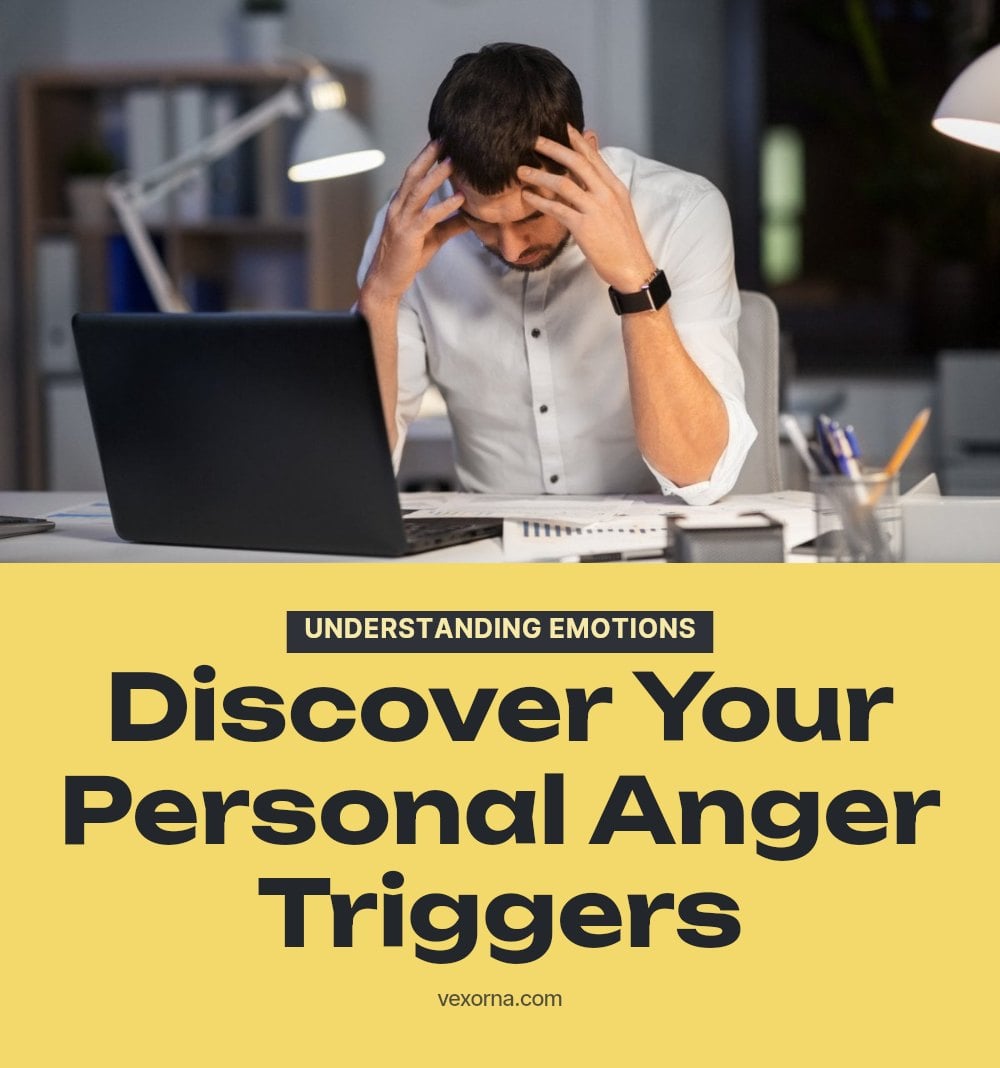
Why We Get Angry: Understanding the Triggers
Anger is a primary human emotion, right up there with happiness, sadness, and fear. When you get angry, your body reacts physically, heart rate and blood pressure rise, muscles tense up. This is your fight-or-flight response kicking in.
Unmanaged anger doesn’t just feel bad; it can lead to serious health problems over time, including high blood pressure, heart disease, headaches, and digestive issues. Two big factors that lower your frustration tolerance are poor sleep and chronic stress. When you’re tired or stressed, small annoyances can feel like major crises.
Identifying your anger triggers is a proactive way to manage it. Common triggers include feeling disrespected, being interrupted, or dealing with unfair situations. Once you know what sets you off, you can prepare or avoid those scenarios.
Immediate Strategies to Calm Down When You’re Angry

Immediate Strategies to Calm Down When You’re Angry
When anger hits, you need tools that work in the moment. Here are four strategies I rely on.
Use deep breathing: Deep breathing activates your parasympathetic nervous system, which calms your body’s stress response. Inhale slowly through your nose, hold for a few seconds, then exhale through your mouth. Repeat until your heart rate drops.
Take a time-out: Stepping away from a triggering situation prevents escalation. Say, ‘I need a few minutes to cool down,’ and walk away. Even five minutes can reset your emotional state.
Practice empathy: Try to see the other person’s perspective. Ask yourself what might be driving their behavior. This can reduce anger by shifting your focus from blame to understanding.
Use ‘I’ statements: When you speak, frame it around your own feelings. Instead of ‘You always interrupt me,’ say ‘I feel frustrated when I’m interrupted.’ This communicates clearly without sounding aggressive.
Tip: Keep a stress ball or fidget toy nearby. Squeezing it for a few seconds can release physical tension and give you a moment to breathe.
Common Mistakes to Avoid When Dealing With Anger
Suppressing anger entirely: Anger isn’t bad. It’s information. Suppressing it can lead to resentment or explosion. Instead, find healthy ways to express it, like talking it out or writing in a journal.
Confusing anger with aggression: Anger is an emotion; aggression is a behavior. You can feel angry without yelling, name-calling, or hitting. Keep the emotion separate from your actions.
Expecting immediate disappearance: Anger management is an ongoing process. Techniques like deep breathing offer relief, but they’re not instant cures. Give yourself time to cool down fully.
Ignoring physical signs: Pay attention to your body, clenched jaw, racing heart, tight chest. These are early warning signs. If you wait until you’re boiling over, it’s harder to intervene calmly.
Using passive-aggressive behaviors: Sarcasm, silent treatment, or subtle digs don’t solve anything. Opt for direct, assertive communication instead. Say what you need clearly.
Long-Term Habits to Reduce Anger and Stress

Managing anger long-term means changing daily habits, not just reacting in the moment. Regular physical activity serves as an outlet for stress and tension, reducing the frequency and intensity of angry outbursts over time. Even a brisk 20-minute walk can help. Prioritizing sleep is just as critical; poor sleep lowers your frustration tolerance, so aim for 7-8 hours a night.
Cognitive restructuring is a technique to shift negative thought patterns before they spiral. When you catch yourself assuming the worst, stop and ask if there’s another explanation. Journaling helps spot recurring triggers, like feeling dismissed or rushed, and explore what’s really underneath the anger. Jot down the situation, your reaction, and what you actually needed in that moment.
Taking responsibility for your own reactions is the hardest but most effective change. Blaming someone else for how you feel hands them control over your emotions. Tip: Own your part in the conflict, even if it’s just the way you responded, and you’ll feel less stuck.
Tools and Resources for Managing Anger
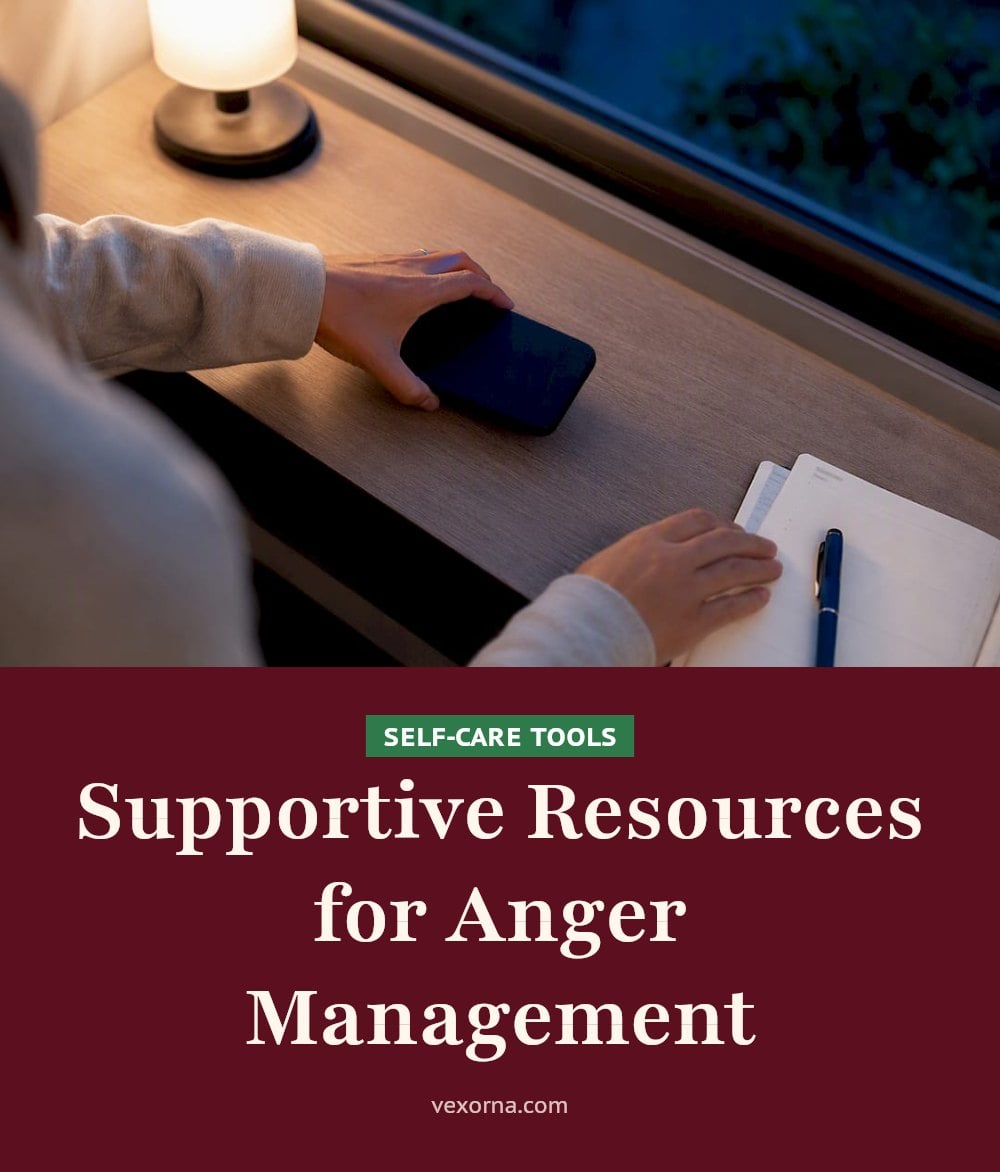
Having a few physical tools on hand makes it easier to redirect anger in the moment. Here are the ones I keep close.
- Journal or notebook: I use mine to track anger patterns and write out what I’m feeling before I say something I regret.
- Stress ball or fidget toy: Squeezing one gives my hands something to do while my nervous system calms down.
- Meditation app or guided recording: A 3-minute breathing exercise can shift my focus and lower my heart rate fast.
When to Seek Professional Help for Anger
If your anger leads to thoughts of harming yourself or someone else, stop reading and call 988 or go to your nearest emergency room. That is a medical emergency, not a habit to manage alone.
Seek a therapist or counselor if anger is damaging your relationships, affecting your job, or making daily life feel unmanageable. Chronic, unmanaged anger can contribute to high blood pressure, heart disease, and other long-term health problems. If someone else’s anger threatens your safety, leave the situation and contact a domestic violence hotline or local support service. Your safety comes first.
Frequently Asked Questions
Can anger ever be a good thing?
Yes. Anger is information, and it often signals that a boundary was crossed or something matters to you. The goal is not to eliminate it but to express it constructively, so the energy behind it pushes you toward a clear conversation or a real change instead of an outburst you regret.
How long does it take to get anger under control?
There is no fixed timeline. Some techniques offer relief in the moment, while lasting changes in anger patterns can take weeks or months of consistent practice. Progress tends to come from repetition rather than one big fix, so expect ups and downs along the way and keep going.
Is it okay to just walk away when I’m angry?
Yes, stepping away is a healthy move when you feel anger escalating. A short time-out prevents you from saying something you cannot take back. The key is to say you need a break and come back to the conversation later, so walking away reads as cooling down rather than avoiding the issue.
What if I can’t identify my anger triggers?
Start with a journal. Write down what happened right before you felt angry, who was there, and what you noticed in your body. Patterns often emerge within a few entries. If triggers still feel unclear, a therapist can help you trace them and work through what is underneath.
Does diet affect anger levels?
Diet is not a direct cause of anger, but it can influence your overall stress and mood. Things like skipping meals, heavy caffeine, or alcohol as a coping tool may make frustration harder to handle. If you notice a link, mention it to a doctor rather than guessing at fixes.
Final Thoughts
My recommendation is to treat anger management as a practice, not a switch. Start with one immediate tool, like slow breathing or stepping away, and one long-term habit, like a regular walk or a consistent bedtime. Use them every time anger rises, even when it feels minor, because the repetition is what builds the skill.
Set a realistic expectation: some techniques bring relief within minutes, but real changes in your anger patterns can take weeks or months of consistent effort. That timeline is normal, not a sign you are failing. Keep showing up, and give yourself credit for every moment you respond instead of react.
This article is general information, not medical or mental health advice. If anger feels out of control, harms your relationships or work, or brings thoughts of harming yourself or others, reach out to a doctor, therapist, or emergency service right away.