If you’re looking to support your gut health, fermented foods are one of the most practical additions you can make to your diet. These foods go through a natural process where beneficial bacteria and yeasts create probiotics, which can help balance your digestive system. This article covers the best fermented foods to eat, how to choose ones with live cultures, and common mistakes to avoid so you get the most out of every bite.
Key Takeaways
- Choose fermented foods labeled ‘live and active cultures’ or ‘unpasteurized’ for probiotic benefits.
- Start with small portions and increase gradually to let your digestive system adjust.
- Incorporate a variety of fermented foods like yogurt, kefir, sauerkraut, and kimchi for diverse probiotic strains.
- Store fermented foods in the refrigerator to maintain quality and live cultures.
- Do not heat fermented foods with live cultures to high temperatures, as it kills the beneficial bacteria.
Which Fermented Foods Are Best for Gut Health?
The best fermented foods for gut health are those with live and active cultures. Think yogurt, kefir, sauerkraut, kimchi, tempeh, miso, and kombucha. These foods introduce beneficial probiotics into your digestive system, supporting a diverse and healthy gut microbiome. Always check labels for ‘live and active cultures’ or ‘unpasteurized’ to ensure you’re getting the most probiotic benefits.
1. Yogurt

Yogurt is a classic fermented dairy product made by fermenting milk with specific bacterial cultures like Lactobacillus bulgaricus and Streptococcus thermophilus. Look for plain, unsweetened varieties with ‘live and active cultures’ on the label to avoid added sugars and ensure probiotic benefits.
- My tip: Enjoy it with berries, nuts, or a drizzle of honey for a healthy breakfast or snack.
2. Kefir

Kefir is a fermented milk drink, similar to yogurt but thinner, made using kefir grains (a symbiotic culture of bacteria and yeasts). It offers a wider variety of probiotic strains than many yogurts and can be a great option for those who are lactose sensitive due to the fermentation process.
- My tip: Blend it into smoothies or drink it plain for a quick probiotic boost.
3. Sauerkraut

Sauerkraut is finely shredded cabbage fermented by lactic acid bacteria, a traditional German staple. It’s rich in probiotics, fiber, and vitamins, especially Vitamin C. Ensure it’s unpasteurized to retain live cultures.
- Tip: Add a spoonful to sandwiches, salads, or as a side dish to grilled meats for a tangy crunch.
4. Kimchi

Kimchi is a spicy, traditional Korean side dish made from fermented napa cabbage and Korean radish, seasoned with chili powder, garlic, and ginger. It’s packed with probiotics and offers a unique flavor profile that can spice up any meal.
Good to know: Serve it with rice, in stews, or even as a topping for eggs or avocado toast. The heat and tang work well in everything from grain bowls to scrambled eggs.
5. Tempeh
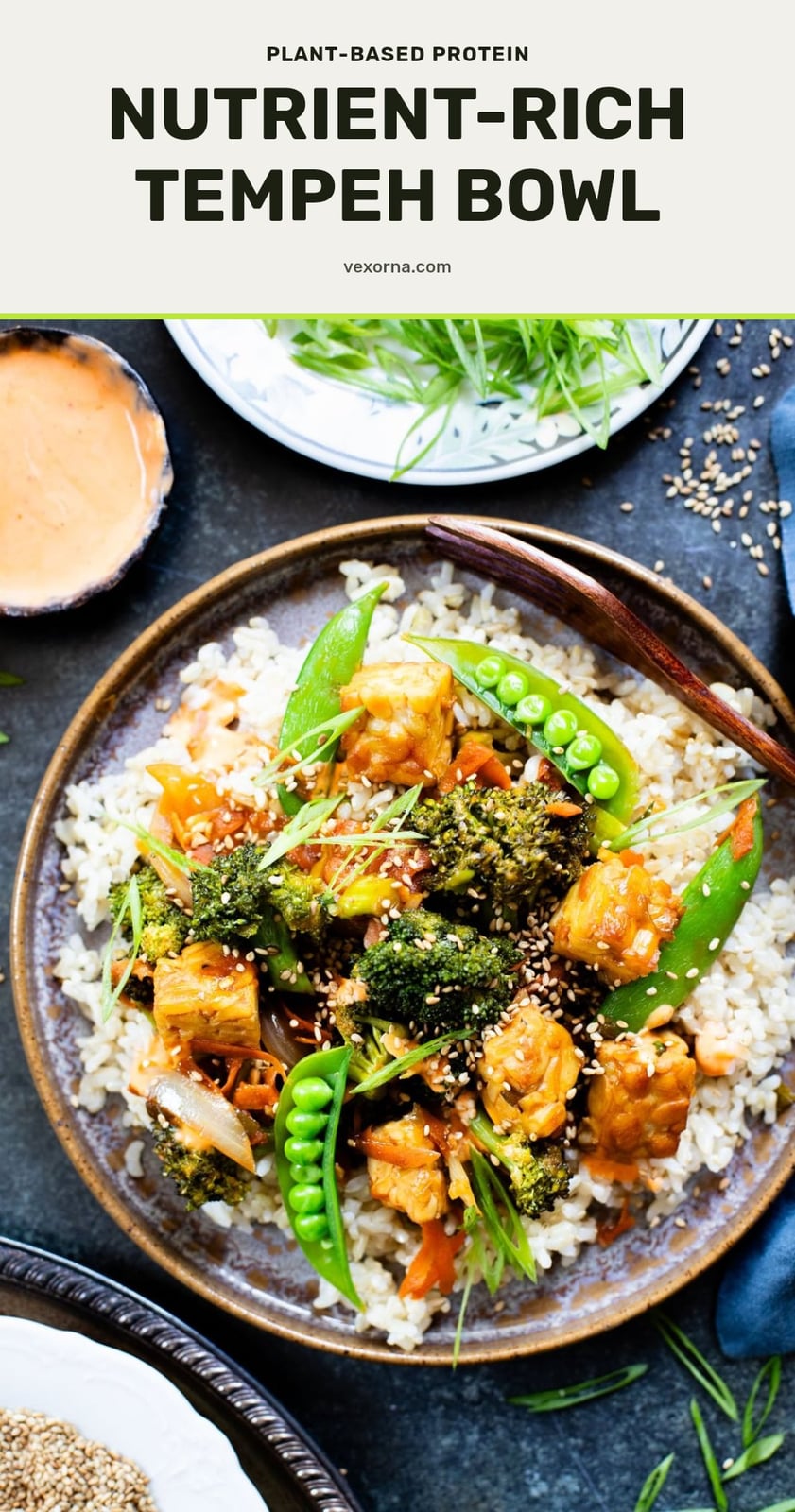
Tempeh is a traditional Indonesian soy product made from fermented soybeans, forming a firm, cake-like texture. The fermentation process makes the nutrients in soybeans more digestible and reduces anti-nutrients. It’s an excellent source of plant-based protein and fiber.
Pro move: Slice it, marinate it, and then grill, fry, or bake it as a meat substitute in stir-fries or sandwiches. The nutty flavor holds up well to bold marinades like soy-ginger or barbecue.
6. Miso
Miso is a traditional Japanese seasoning produced by fermenting soybeans with salt and kōji (a fungus), often with rice or barley. It adds a rich, umami flavor to dishes and contains beneficial bacteria. Different types (white, red) offer varying intensities.
Quick tip: Use it to make miso soup, dressings, marinades, or glazes. Avoid boiling it to preserve the live cultures. Stir it in at the end of cooking instead.
7. Kombucha

Kombucha is a fermented, lightly effervescent, sweetened black or green tea drink, made with a SCOBY (Symbiotic Culture of Bacteria and Yeast). It’s a refreshing way to get probiotics, but be mindful of sugar content in some commercial brands.
Tip: Look for low-sugar options or consider brewing your own at home to control ingredients. A bottle can replace soda for a fizzy, gut-friendly swap.
8. Fermented Pickles
True fermented pickles are made by lacto-fermentation, where cucumbers are brined in salt water, allowing beneficial bacteria to grow. These differ from vinegar-pickled cucumbers, which are simply preserved in vinegar and typically lack probiotic benefits.
Good to know: Always check labels for ‘lacto-fermented’ or ‘unpasteurized’ to ensure you’re getting the probiotic kind.
9. Sourdough Bread
Sourdough bread is made using a ‘starter’ culture of wild yeast and lactobacilli, which ferments the dough. While the baking process reduces the number of live cultures, the fermentation breaks down gluten and phytic acid, potentially making it easier to digest for some.
Pro move: Look for traditionally made sourdough from local bakeries for the most authentic benefits.
10. Apple Cider Vinegar (Raw, Unfiltered)
Raw, unfiltered apple cider vinegar (ACV) contains the ‘mother,’ a cloudy sediment that houses beneficial bacteria and enzymes from the fermentation process. While not a direct probiotic food in the same way as yogurt, it’s believed to support gut health by promoting a healthy gut environment.
Quick tip: Dilute a tablespoon in water and drink it before meals, or use it in salad dressings.
11. Natto
Natto is a traditional Japanese food made from fermented soybeans, known for its strong flavor, pungent aroma, and sticky texture. It’s an excellent source of probiotics, vitamin K2, and nattokinase, an enzyme with potential cardiovascular benefits.
Tip: Often eaten for breakfast with rice, it’s an acquired taste, but incredibly nutritious. Try it mixed with soy sauce and mustard.
12. Lassi
Lassi is a traditional Indian yogurt-based drink, often blended with fruit like mango or spices like cumin. Similar to yogurt and kefir, it provides beneficial probiotics from the fermented dairy, which can support digestive health.
Good to know: Opt for plain or homemade versions to control sugar content, and enjoy it as a refreshing drink or with spicy meals.
Common Mistakes When Eating Fermented Foods
Assuming all pickled foods are fermented: Many pickles are simply preserved in vinegar and lack live probiotic cultures. Always check labels for ‘lacto-fermented’ or ‘unpasteurized.’
Heating live fermented foods: High temperatures kill beneficial bacteria. Add fermented foods like sauerkraut or kimchi after cooking, not during.
Starting with too much too fast: Introduce fermented foods gradually, starting with small portions (e.g., a tablespoon) to allow your digestive system to adjust and avoid discomfort.
Not checking for added sugars: Many commercially prepared fermented foods, especially yogurts and kombuchas, can be high in added sugars, which can counteract some health benefits.
Ignoring your body’s signals: If you experience persistent bloating, gas, or discomfort, reduce your intake or consult a healthcare professional. Everyone’s gut is different.
Frequently Asked Questions
What is the difference between fermented and pickled foods?
Fermented foods are made through a natural process where bacteria or yeast convert sugars into acids or alcohol, creating probiotics. Pickled foods are often preserved in vinegar, which does not involve live fermentation. To get probiotic benefits, look for ‘lacto-fermented’ or ‘unpasteurized’ on the label.
Can I get probiotics from all fermented foods?
No, not all fermented foods contain live probiotics. Some are pasteurized after fermentation, which kills the beneficial bacteria. Always check for labels that say ‘live and active cultures’ or ‘unpasteurized’ to ensure you are getting the probiotic benefits.
How much fermented food should I eat daily?
There is no one-size-fits-all amount, but a good starting point is one serving per day, such as a cup of yogurt or a quarter cup of sauerkraut. Begin with small portions and increase gradually to avoid digestive upset. Listen to your body and adjust as needed.
Are there any side effects to eating fermented foods?
Some people may experience temporary gas or bloating when first adding fermented foods to their diet. This usually subsides as your digestive system adjusts. If discomfort persists or is severe, reduce your intake and consult a healthcare professional.
Can children eat fermented foods?
Yes, children can eat fermented foods in small amounts, but start with mild options like plain yogurt or kefir. Avoid high-sodium or spicy items like kimchi for young children. Always check with a pediatrician if you have concerns about your child’s diet or digestive health.
Is homemade fermentation safe?
Homemade fermentation can be safe if you follow proper hygiene and use reliable recipes. Clean all equipment thoroughly, use fresh ingredients, and monitor for signs of spoilage like mold or off smells. If you have a compromised immune system, consult a doctor before trying homemade ferments.
Final Thoughts
My tip is to pick one or two fermented foods that fit your taste and lifestyle, like a daily serving of yogurt or a spoonful of sauerkraut on a salad. You may start noticing changes in digestion within a few weeks, but consistency matters more than perfection. Stick with it, and you will build a gut-friendly habit that feels natural.
This article is for general informational purposes only and does not constitute medical or professional advice. Fermented foods may affect individuals differently, and those with compromised immune systems or specific health conditions should consult a doctor or registered dietitian before making significant dietary changes.