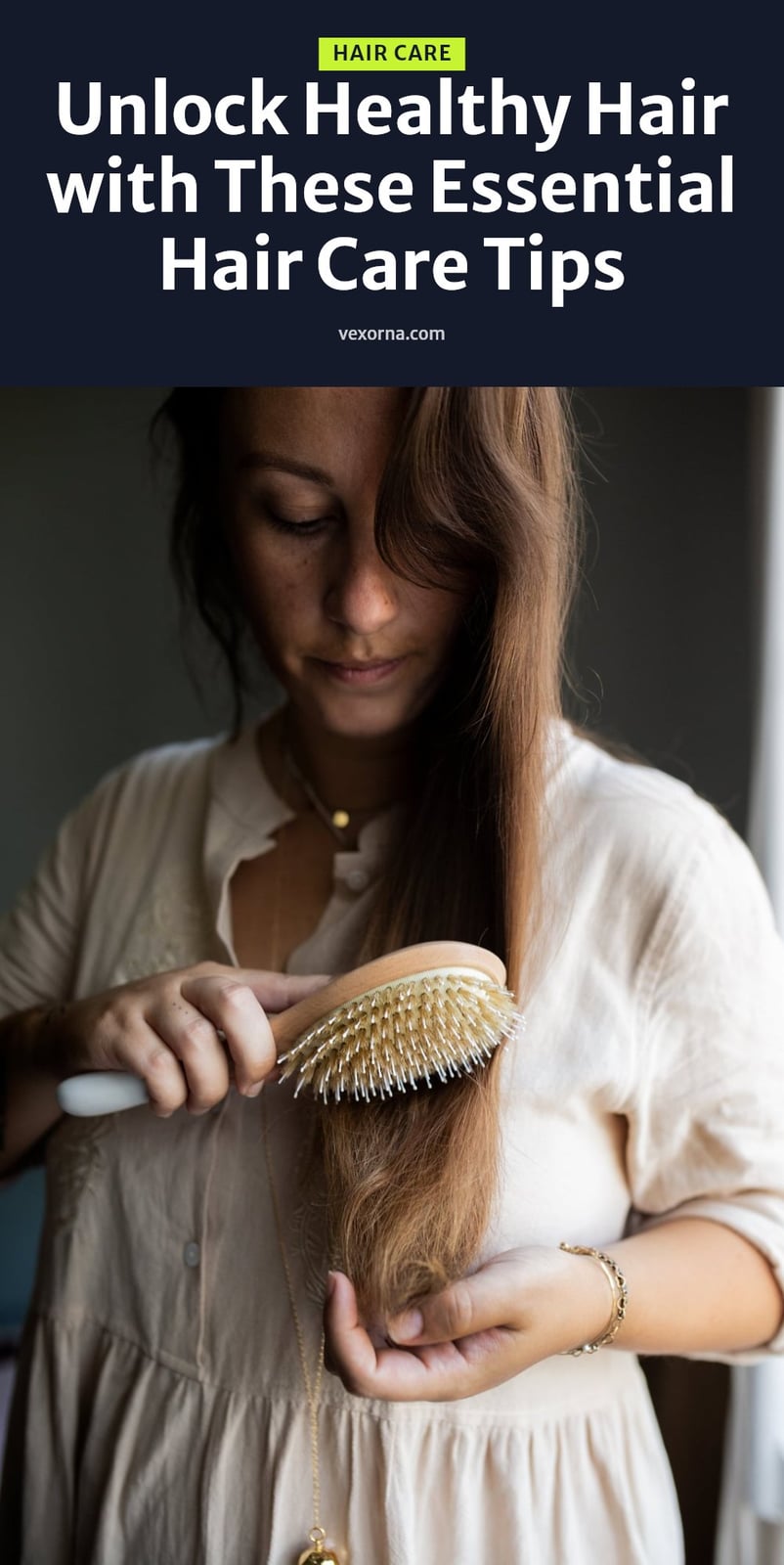
Healthy hair starts with simple, consistent habits, not a cabinet full of expensive products. Whether your hair is dry, oily, fine, or color-treated, the key is understanding what it needs and treating it gently every day. This article covers the essential steps for a smart hair care routine, from washing and detangling to protecting your strands from heat and the environment.
Key Takeaways
- Wash hair only as often as needed, using lukewarm water and focusing shampoo on the scalp.
- Always detangle wet hair with a wide-tooth comb, starting at the ends and working upward.
- Apply a heat protectant before any heat styling to prevent cuticle damage.
- Get a trim every 6 to 8 weeks to stop split ends from traveling up the hair shaft.
- Switch to a silk or satin pillowcase to reduce breakage and frizz while you sleep.
Your Daily Hair Care Starts Here
Effective hair care starts with a mindful routine, not just picking up any product off the shelf. It means understanding your hair’s unique needs, whether it’s dry, oily, fine, or color-treated, and treating it with gentle handling and protection. Consistency in your daily and weekly practices is what leads to visible improvements in strength, shine, and manageability over time.
1. Choose the Right Shampoo and Conditioner

Select shampoos and conditioners formulated for your specific hair type, oily, dry, fine, thick, color-treated, or curly. My tip: Don’t just grab what’s on sale. Read the labels and understand what your hair truly needs, whether it’s moisturizing, volumizing, or color-safe. Rinse thoroughly to prevent residue buildup, which can weigh hair down and cause dullness.
2. Wash Your Hair Mindfully
Avoid washing hair too frequently, as it strips natural oils, leading to dryness or increased oil production. My tip: Use lukewarm water, not hot, and gently massage your scalp with your fingertips, not your nails. Focus shampoo on the scalp to remove buildup, then apply conditioner only to the mid-lengths and ends to avoid weighing roots down.
3. Detangle Gently, Especially When Wet
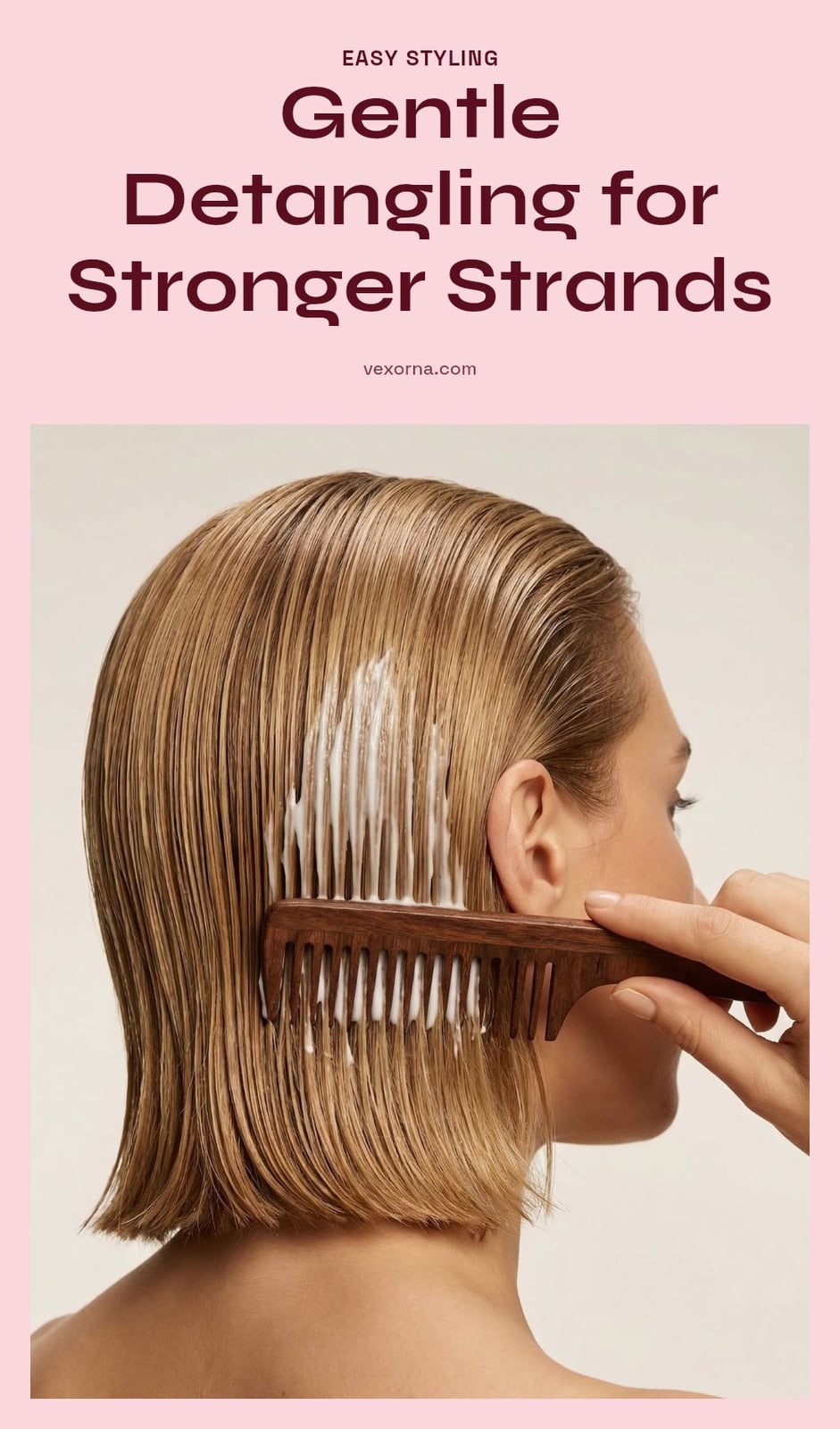
Wet hair is more fragile and prone to breakage, so always use a wide-tooth comb to detangle. Start from the ends and work your way up to minimize pulling and damage. Tip: Consider a leave-in conditioner to make detangling even smoother and add extra moisture and slip.
4. Blot Hair Dry, Don’t Rub
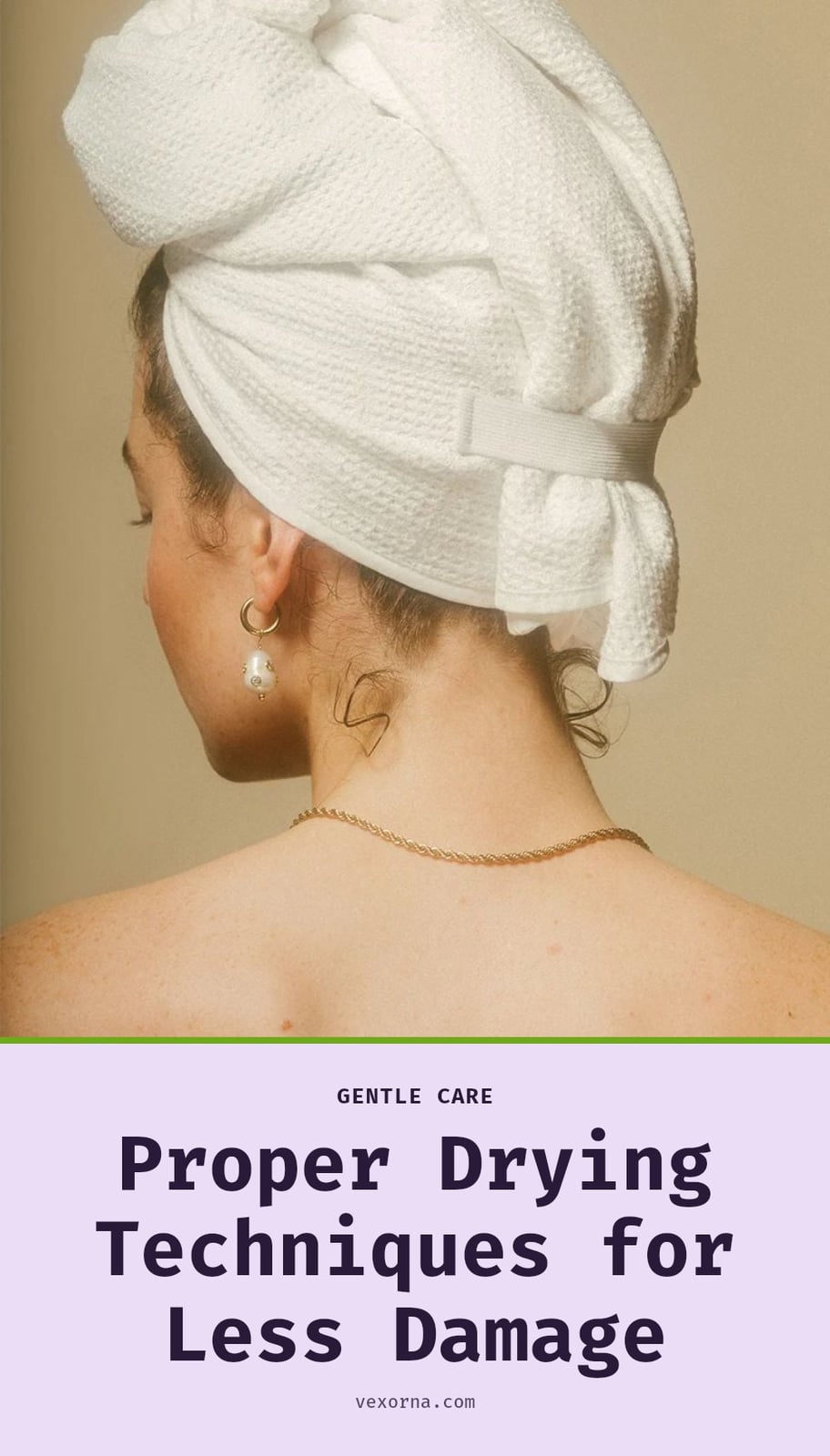
Blot your hair dry instead of rubbing it with a regular towel. Vigorous rubbing creates friction that lifts the cuticle, leading to frizz and breakage. A microfiber towel absorbs excess water much more gently than a cotton one.
Good to know: Microfiber towels are a game-changer for reducing frizz and damage. They cut drying time and leave the hair smoother. Just squeeze or blot sections until damp, then let it air dry or style as usual.
5. Use Heat Protectant Religiously
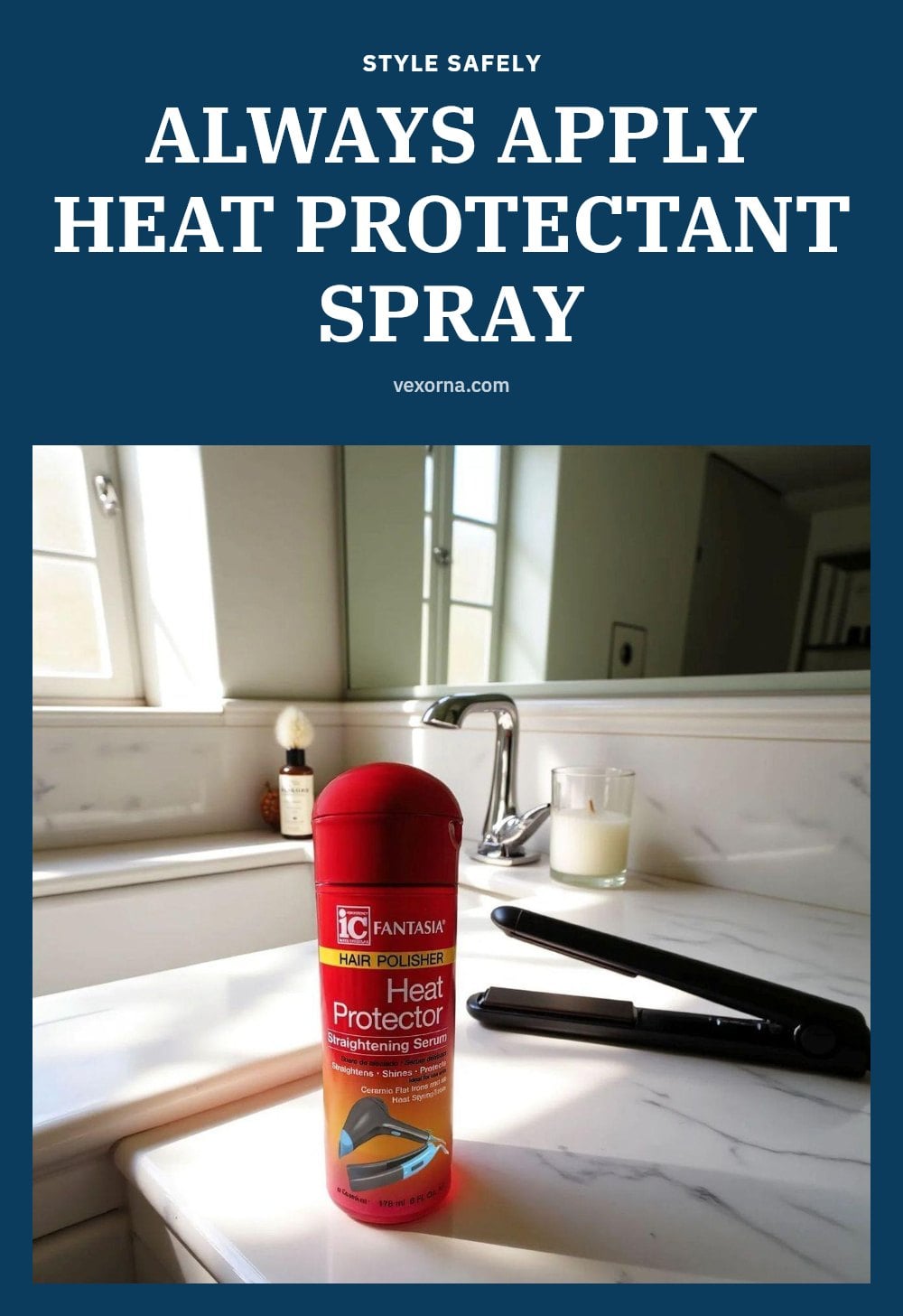
Always apply a heat protectant spray before using any blow dryer, straightener, or curling iron. Heat styling tools can reach temperatures that severely damage the hair cuticle if left unprotected. The protectant forms a barrier that reduces moisture loss and structural harm.
Pro move: Lower the heat settings on your tools. Many stylers work just as well at a medium temperature, and your hair will thank you for the reduced thermal stress. Spray evenly from a few inches away, then comb through before styling.
6. Incorporate Deep Conditioning
Incorporate a deep conditioning treatment or hair mask once a week, or every other week, for intense moisture and repair. These treatments penetrate deeper than daily conditioners, helping to strengthen the hair, improve elasticity, and add shine. Apply after shampooing, leave on for the time the product directs, then rinse thoroughly.
Quick tip: Look for masks with ingredients like argan oil, shea butter, or keratin depending on your hair’s needs. Oils and butters work well for dry or coarse hair, while keratin suits damaged or fine hair that needs protein reinforcement.
7. Protect Hair from Environmental Damage

Protect your hair from harsh environmental elements like strong sun, chlorine, and saltwater. These can dry out the strands, fade color, and weaken the hair shaft. Wear a hat for extended sun exposure, and rinse your hair with fresh water before swimming to minimize chlorine or salt absorption.
Tip: Use a UV-protective spray if you will be spending a lot of time outdoors. These sprays add a lightweight shield against sun damage without weighing hair down. Reapply after swimming or heavy sweating.
8. Trim Regularly to Prevent Split Ends
Schedule a trim every 6 to 8 weeks to remove split ends before they travel further up the hair shaft. This keeps your hair looking healthier and prevents more extensive damage over time. Good to know: Even if you are growing your hair out, micro-trims are essential for maintaining health and preventing breakage that can slow length retention.
9. Mind Your Scalp Health

A healthy scalp is the foundation for healthy hair growth, so do not ignore it. Use a clarifying shampoo sparingly, about once a month, to remove product buildup without stripping natural oils. Pro move: Gentle scalp massages with your fingertips can improve circulation, but avoid aggressive scrubbing that can irritate the skin.
10. Switch to a Silk Pillowcase
Sleep on a silk or satin pillowcase to reduce friction on your hair compared to cotton. This minimizes breakage, frizz, and tangles you wake up with each morning. Quick tip: It is a small change that makes a big difference for hair smoothness and health, especially for curly or fragile hair.
11. Nourish Your Hair from Within
A balanced diet rich in vitamins and minerals like biotin, zinc, iron, and vitamins A, C, E supports healthy hair growth from the inside out. What you eat directly impacts the strength and vitality of your strands. Tip: Focus on whole foods first, and if you suspect deficiencies, talk to your doctor about whether supplements are right for you.
12. Avoid Tight Hairstyles and Over-Brushing
Tying your hair too tightly in ponytails, buns, or braids creates constant tension on the roots and hairline. This can lead to breakage, thinning edges, and even traction alopecia over time. Over-brushing is another common mistake that damages the cuticle and snaps strands, so brush only when you need to and always with a gentle hand.
Good to know: Opt for looser styles most days and use hair ties that don’t snag or pull, like silk scrunchies or spiral coil bands. They grip without crushing the hair shaft, so you avoid breakage while keeping your style in place.
When to Consult a Professional
If you notice sudden, excessive hair loss or patches of thinning, see a healthcare professional. This can signal an underlying health issue like a thyroid imbalance, hormonal shift, or nutritional deficiency that needs medical attention. Persistent scalp irritation, itching, redness, or flaking that doesn’t respond to gentle care warrants a visit to a dermatologist to rule out conditions like seborrheic dermatitis or psoriasis.
For major chemical treatments such as coloring, perms, or relaxers, always consult a professional stylist first. They can assess your hair’s condition and choose the right approach to minimize damage and avoid an unwanted outcome.
Frequently Asked Questions
How often should I wash my hair?
Wash your hair only when it looks or feels oily or dirty. For most people, that means every 2 to 3 days, but fine or very oily hair may need daily washing, while dry or curly hair can go longer between washes.
Can diet really affect my hair health?
Yes, a balanced diet rich in biotin, zinc, iron, and vitamins A, C, and E supports healthy hair growth from the inside. What you eat directly impacts the strength and vitality of your strands, so focus on whole foods first.
What is hair porosity and why does it matter?
Hair porosity refers to how well your hair absorbs and retains moisture. Knowing your porosity helps you choose products that work best for you, low porosity hair needs lighter products, while high porosity hair benefits from richer, more moisturizing formulas.
Is it bad to sleep with wet hair?
Sleeping with wet hair can lead to fungal growth on the scalp and increased friction against your pillow, which causes breakage and frizz. It’s best to let hair air-dry or use a blow dryer on low heat before bed.
How do I prevent split ends?
To prevent split ends, get a trim every 6 to 8 weeks, avoid harsh brushing, use a heat protectant, and sleep on a silk or satin pillowcase. Regular trims are the most effective way to keep splits from traveling up the hair shaft.
Final Thoughts
Stick with a routine that respects your hair type and treats it gently. You’ll start seeing improvements in strength and shine within a few weeks, especially if you also nourish your body with a balanced diet. The goal is progress, not perfection, so focus on a few key changes and build from there.
This article provides general information and is not a substitute for professional medical or hair care advice. If you experience sudden, excessive hair loss, persistent scalp irritation, or other concerning symptoms, please consult a healthcare provider or a licensed dermatologist.