
You’ve probably heard people talk about ‘ego’ in a negative way, like something to get rid of. But the truth is more nuanced. Ego work is about understanding how your sense of self operates, not eliminating it. This article covers what ego means in psychology and spirituality, practical steps to start working with yours, and how to avoid common pitfalls.
Key Takeaways
- Ego work means understanding and integrating your sense of self, not eliminating it.
- A healthy ego helps you set boundaries, make decisions, and adapt to challenges.
- Start with daily mindfulness for 5-10 minutes to observe thoughts without judgment.
- Keep a journal to track patterns in your reactions and motivations over time.
- Seek professional support if ego work leads to significant emotional distress or hopelessness.
What Exactly Is ‘Ego Work’?
Ego work means turning your attention inward to understand how your sense of self operates. It involves recognizing the parts of you that mediate between your raw impulses, your values, and the demands of the world around you. The aim is not to shrink your ego but to integrate it so you function with more clarity, better relationships, and greater inner peace. When you do ego work, you stop reacting blindly and start choosing how you show up.
The Many Faces of ‘Ego’ in Psychology and Spirituality
Freudian and Jungian Views
In Freudian psychology, the ego runs on the reality principle. It sits between the id (your instinctual drives), the superego (your internalized moral rules), and external reality, working to satisfy desires in socially acceptable ways. The ego also uses defense mechanisms like repression or projection to protect you from anxiety. Carl Jung saw the ego differently: as the center of your conscious identity, giving you a stable sense of who you are over time.
The Spiritual Perspective
In spiritual and New Age circles, the term ‘ego’ often describes a false self that clings to external validation, achievements, and social status. The goal here is to see through that false self and connect with a deeper, essential nature.
Key takeaway: Across these views, a healthy ego is not your enemy. It helps you adapt to challenges, maintain self-worth, and navigate daily life. The work is about understanding and integrating it, not erasing it.
Practical Steps to Begin Your Ego Work Journey

Starting ego work doesn’t require a big life change. I’ve found that small, consistent practices make the biggest difference over time. Here are the steps I recommend based on what has worked for me and many others.
- Practice mindfulness daily: Set aside 5-10 minutes each morning to sit quietly and observe your thoughts without judging them. This builds the self-awareness you need to notice when your ego is driving a reaction.
- Journal about your triggers: Write down moments when you felt defensive, angry, or overly attached to being right. Ask yourself what need was underneath that reaction. My tip: Use a simple prompt like ‘Today I felt defensive when… because…’
- Ask for honest feedback: Pick one or two trusted people and invite them to share how they see you reacting under stress. Listen without explaining or defending. Their outside view can reveal patterns you miss on your own.
- Cultivate humility: Admit when you are wrong or don’t know something. Practice saying ‘I made a mistake’ or ‘I could have handled that better.’ This loosens the ego’s grip on being perfect.
- Shift focus from validation to connection: When you catch yourself seeking praise or comparing yourself to others, redirect your attention to genuinely listening and connecting with the person in front of you.
- Consider professional support: If you notice patterns like extreme insecurity, defensiveness, or narcissistic tendencies that don’t shift with self-work, a therapist can help you explore the deeper roots. This is especially important if ego work brings up past trauma or persistent negative self-talk.
Tools and Resources for Deeper Self-Exploration
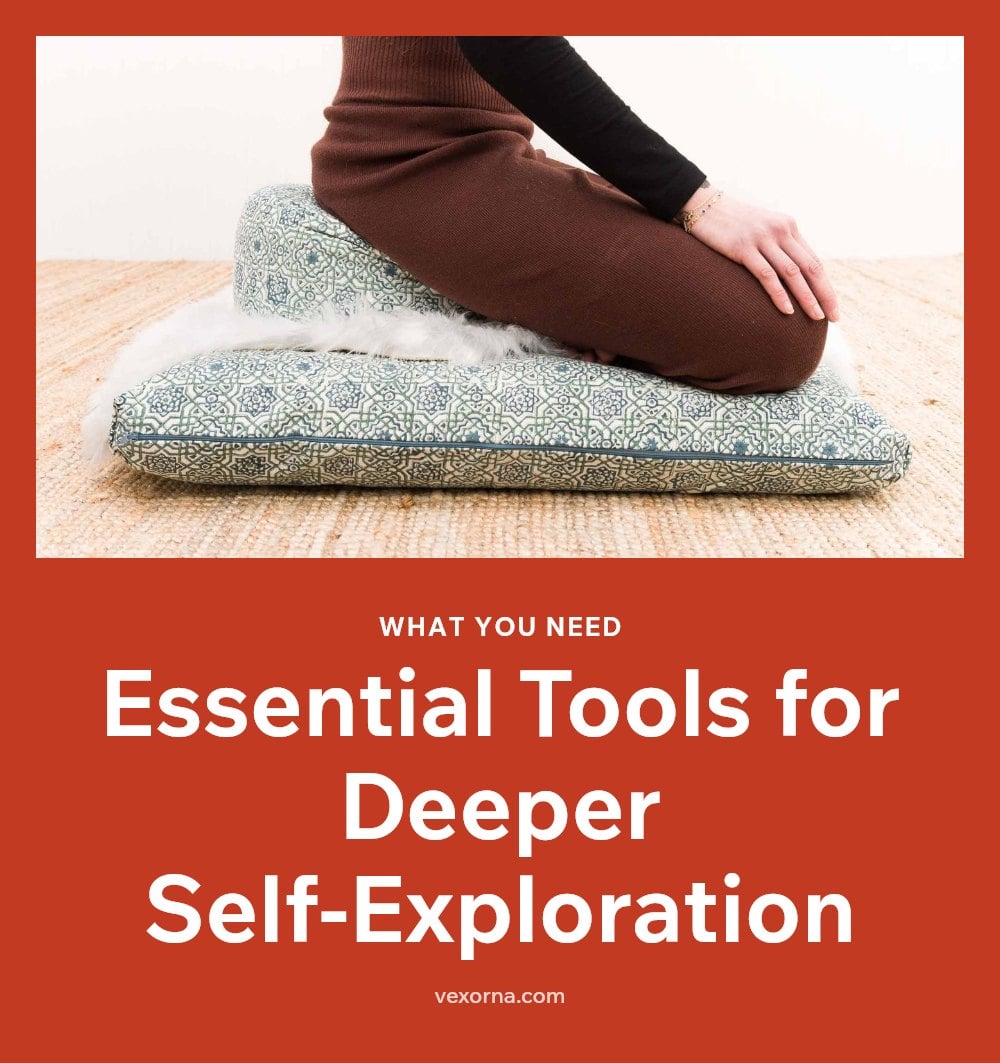
You don’t need much to start exploring your inner landscape, but a few basics can deepen the practice.
- Journal or notebook: A dedicated place to track insights, reactions, and patterns over time. I use a simple spiral notebook.
- Meditation app or guide: Apps like those offering guided mindfulness sessions help you build a consistent practice, especially when you are new to sitting with your thoughts.
- Books on psychology or spirituality: Reading about ego from thinkers like Carl Jung or contemporary spiritual teachers gives you language and frameworks for what you observe in yourself.
- Therapist or counselor: For persistent or painful patterns, professional guidance offers structured support that self-work alone cannot provide.
Common Misconceptions About Ego Work
One of the biggest traps I see people fall into is thinking the ego is something to get rid of entirely. In reality, a healthy ego is essential for functioning. It helps you set boundaries, make decisions, and adapt to challenges. The goal is integration, not elimination.
Believing ego is inherently bad: A healthy ego is vital for functioning; the goal is integration, not elimination.
Confusing self-confidence with arrogance: Healthy self-esteem is different from an inflated ego. Self-confidence comes from within; arrogance often masks insecurity.
Attributing all negative behaviors to ‘the ego’: Deeper self-reflection is needed to understand root causes. Blaming the ego can become a shortcut that avoids real insight.
Ignoring psychological roots: Past trauma or insecurity can drive ego-driven behaviors. Without addressing those, the patterns persist.
Attempting to ‘destroy’ the ego: Focus on understanding and integrating, not eradication. Trying to destroy it only creates inner conflict.
Best Tips for Navigating Your Inner Landscape
Navigating your inner landscape takes time, and the way you approach it matters more than any single technique. Here are the tips that have helped me stay grounded.
Be patient with yourself: Ego work is a lifelong journey, not a quick fix. Some days you will feel stuck, and that is part of the process.
Practice non-judgment: Observe thoughts and feelings without labeling them as ‘good’ or ‘bad.’ Notice them, then let them pass.
Embrace vulnerability: Being open to your imperfections is a strength, not a weakness. It invites genuine connection.
Celebrate small insights: Acknowledge every step of self-discovery, no matter how minor. Each one builds momentum.
Stay curious: Approach your inner world with an open, inquiring mind. Ask yourself why you react the way you do, without demanding an immediate answer.
When to Seek Professional Support
Ego work should feel challenging but not overwhelming. If it starts to cause significant emotional distress or persistent negative self-talk, it is time to pause and seek professional support.
- Significant distress: If ego work leads to persistent negative self-talk or feelings of hopelessness, a therapist can help you process safely.
- Severe insecurity: If you are struggling with deep insecurity or suspect underlying issues like narcissism, professional guidance is key.
- Extreme teachings: If spiritual teachings encourage extreme self-abnegation or isolation that harms your mental health, step back and talk to a counselor.
The Ongoing Journey of Ego Work
Ego work is not a project with a finish line. It is an ongoing, lifelong process of self-discovery and integration.
- Timeline: Insights and shifts can occur over weeks, months, or years. There is no deadline.
- Frequency: Continuous practice, whether daily journaling or weekly check-ins, keeps the process alive.
- Cost: Many practices like journaling and mindfulness are free. Therapy costs vary by provider and insurance, but many offer sliding-scale fees.
Frequently Asked Questions
Is ego always a bad thing?
No. In psychology, a healthy ego is essential for functioning. It helps you set boundaries, make decisions, and adapt to challenges. The goal of ego work is integration, not elimination. Only when the ego becomes inflated or fragile does it cause problems.
How long does ego work take to see results?
Ego work is a lifelong process. Some insights and shifts can occur within weeks or months of consistent practice, but deeper patterns may take years. There is no deadline, and the value comes from the ongoing practice itself.
Can ego work help with anxiety?
Many people find that understanding their ego patterns helps them manage anxiety. By recognizing defense mechanisms and triggers, you can develop healthier coping strategies. However, if anxiety is severe or persistent, it is best to work with a therapist or counselor.
What’s the difference between ego and self-esteem?
Ego is the part of your personality that mediates between instincts, morals, and reality. Self-esteem is how you value yourself. You can have a healthy ego with low self-esteem, or a fragile ego with high self-esteem. Ego work helps you understand both.
Are there different types of ego?
In psychology, the ego is generally one structure, but different schools view it differently. Freud saw it as a mediator, Jung as the center of consciousness. In spiritual contexts, ‘ego’ often refers to the false self attached to achievements and status. The core concept is the same: your sense of self.
Can I do ego work on my own?
Yes, you can start with mindfulness, journaling, and self-reflection on your own. However, if you run into persistent negative self-talk or emotional distress, it is wise to seek professional support from a therapist or counselor. They can help you navigate deeper patterns safely.
Final Thoughts
My tip: start with just five minutes of mindfulness each day and a simple journal entry about one reaction you noticed. Expect insights to come slowly over weeks or months, not overnight. The goal is not to shrink your ego but to understand it so you can live with more self-awareness and genuine connection to others.
This article is for general informational purposes only and does not constitute professional psychological or medical advice. If you experience significant emotional distress, persistent negative self-talk, or feelings of hopelessness, please consult a licensed mental health professional.