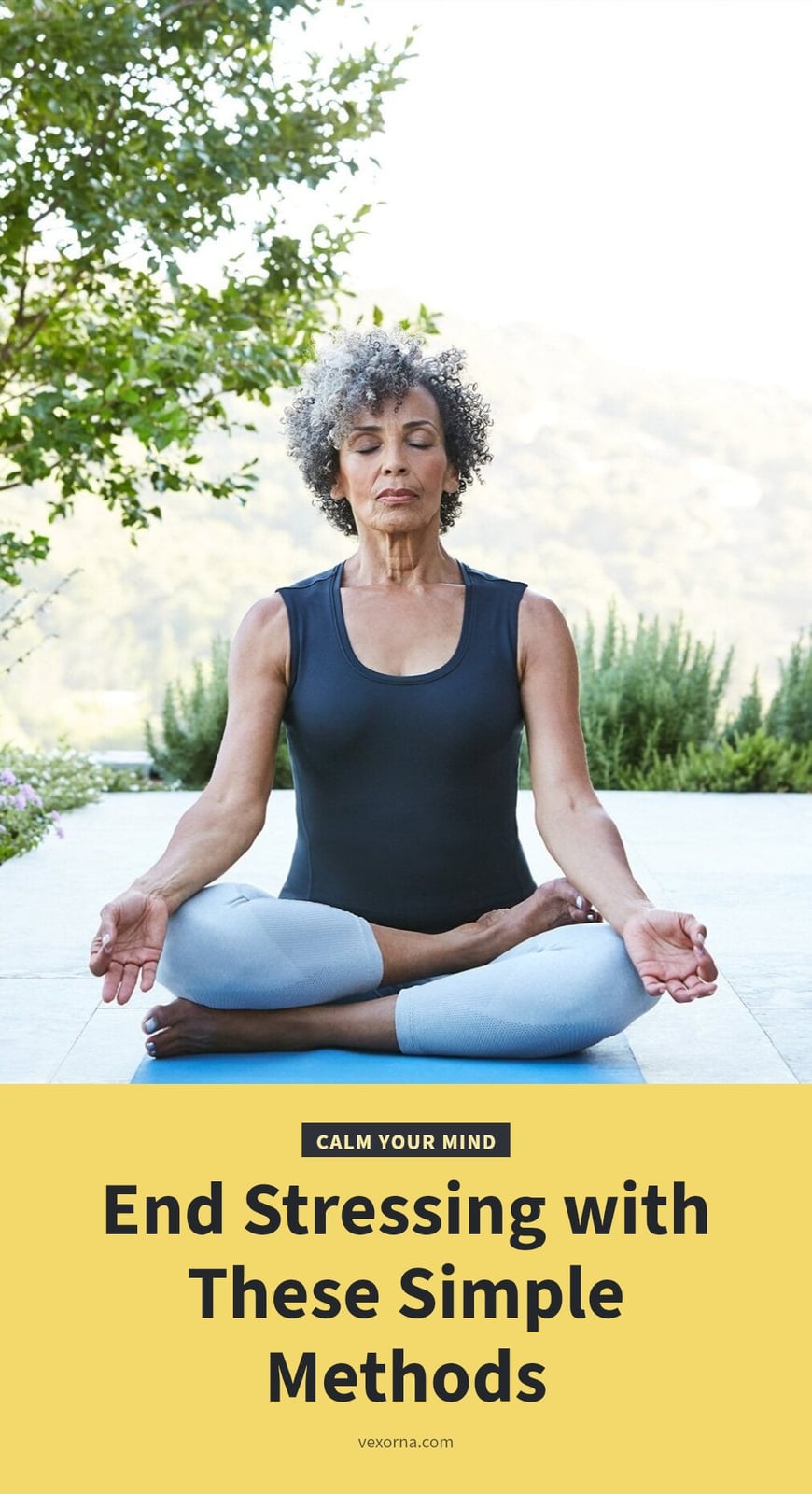
You know that feeling when your heart races, your thoughts spiral, and everything feels like too much? That’s stress in action. It’s your body’s natural reaction to a challenge, but when it sticks around too long, it can leave you drained and overwhelmed. In this article, I’ll walk you through simple, practical ways to dial down that tension and build more calm into your day.
Key Takeaways
- Practice deep breathing daily, even for a few minutes, to calm your nervous system.
- Prioritize 7-9 hours of quality sleep each night to lower your stress baseline.
- Limit caffeine and alcohol, as both can intensify your body’s stress response.
- Identify your stress triggers by journaling or reflecting on patterns.
- Seek professional help if stress impacts your daily life or causes panic attacks.
What Does it Mean to Be Stressing?
Stressing is your body’s natural reaction to a demand or challenge, kicking in the ‘fight or flight’ response. This automatic surge of adrenaline and cortisol prepares you to act quickly. While this response is a normal part of life, keeping it activated too often, chronic stress, can wear down your physical and mental well-being. Managing stress starts with recognizing your personal triggers and then adopting techniques that reduce its impact, helping you feel more in control and calm.
Why We Feel Overwhelmed by Stress
The Fight or Flight Response in Modern Life
Stress is a physiological reaction. When you perceive a threat, your body releases hormones like adrenaline and cortisol. Your heart beats faster, your muscles tense, and your senses sharpen. This ancient system was designed for immediate physical dangers, like escaping a predator.
Today, the same response can be triggered by a work deadline, traffic, or an overflowing inbox. There is no physical threat to run from, so the hormones linger. Over time, this chronic activation can contribute to health issues. Research links long-term stress to heart disease, digestive problems, sleep disturbances, and a weakened immune system. Understanding this cycle is the first step to breaking it.
Effective Techniques to Reduce Stress Now
Deep Breathing for Immediate Relief
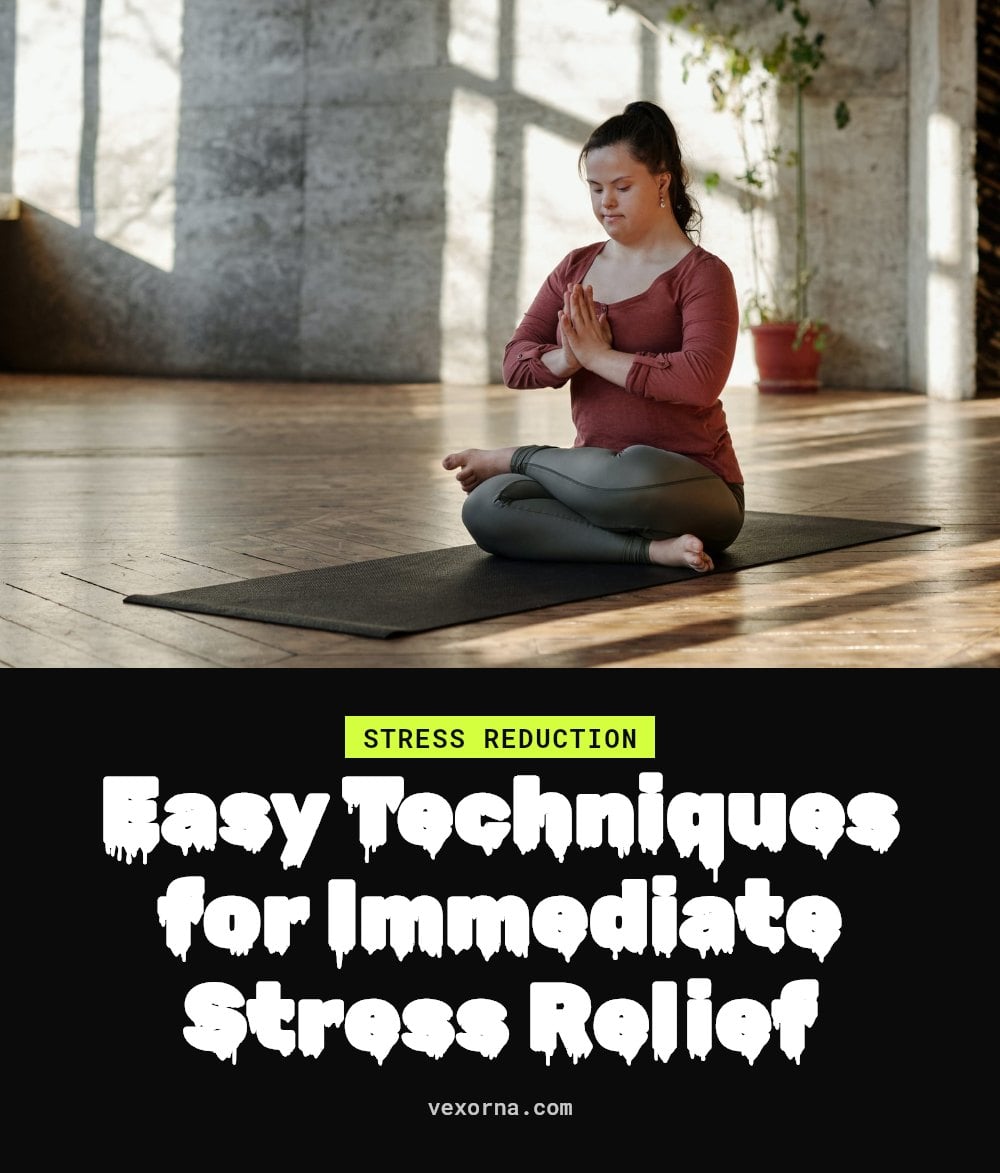
Deep breathing is one of the fastest ways to calm your body. Slow, steady breaths activate the parasympathetic nervous system, which signals your body to relax. Tip: Try the 4-7-8 method. Inhale through your nose for 4 seconds, hold for 7 seconds, then exhale slowly through your mouth for 8 seconds. Repeat 4-5 times whenever tension rises.
Mindfulness to Quiet the Mind
Mindfulness means focusing on the present moment without judgment. It helps you step back from racing thoughts and anxious predictions. You do not need a long session. Start with 2-3 minutes a day. Sit quietly, close your eyes, and notice your breath or the sounds around you. When your mind wanders, gently bring it back. Regular practice can make your default state calmer.
Move Your Body to Change Your Chemistry
Physical activity is a powerful stress reducer. It helps lower stress hormones and stimulates the production of endorphins, your body’s natural mood elevators. Even a brisk 20-minute walk can make a difference. My tip: Choose an activity you genuinely enjoy, whether it is dancing, cycling, or a yoga class. Consistency matters more than intensity. Aim for at least 30 minutes most days, and check with a doctor before starting a new routine if you have health concerns.
Daily Habits to Cultivate Calmness

Building daily habits that prevent stress buildup is just as important as crisis techniques. Prioritize 7-9 hours of quality sleep each night. Sleep is when your brain and body recover, and skimping on it directly raises your stress baseline. Also, limit caffeine and alcohol, especially in the afternoon and evening. Both can amplify your body’s stress response and disrupt sleep.
Spending time in nature is a simple reset. A 20-minute walk in a park or green space can lower cortisol levels and improve your mood. Finally, make time for supportive friends and family. Social connection acts as a powerful buffer against stress. A quick call or a coffee date can shift your perspective and remind you that you are not alone.
Common Missteps When Dealing With Stress
One common mistake is ignoring the early signs of stress until they snowball into something unmanageable. A headache, irritability, or trouble sleeping are cues to pause and address the situation, not push through.
Another misstep is believing stress is always bad and must be eliminated entirely. Stress is a normal part of life. The goal is to manage it, not erase it. Trying to do that without identifying the root causes leads to temporary fixes that don’t last.
Caution: Don’t underestimate the impact of sleep deprivation on your stress levels. Skimping on sleep robs your brain of a key recovery tool, making you more reactive to daily pressures.
When to Seek Professional Help for Stress
If stress significantly impacts your daily life, relationships, or work, it’s time to consult a healthcare professional. Seek expert help if you experience panic attacks, persistent sadness, or thoughts of self-harm. These are serious signs that need immediate support.
Also be mindful of physical symptoms like chest pain or severe headaches. If you’re concerned about any physical reaction to stress, get medical attention. Your health comes first.
Frequently Asked Questions
How quickly can stress management techniques work?
Many people notice a sense of calm within minutes of starting a deep breathing or mindfulness exercise. For more lasting benefits, consistent daily practice over several days to weeks can lead to a noticeable reduction in overall stress levels. Be patient and give yourself time to build the habit.
Can stress affect my physical health?
Yes, chronic stress can contribute to a range of health issues, including heart disease, digestive problems, sleep disturbances, and weakened immune function. It’s important to address persistent stress and consult a healthcare professional if you experience concerning physical symptoms like chest pain or severe headaches.
Is it normal to feel stressed all the time?
Feeling stressed occasionally is a normal part of life, but feeling stressed all the time is not. If you find that stress is a constant presence and it’s impacting your daily life, relationships, or work, it may be a sign to seek support from a healthcare professional or mental health expert.
What is the ‘fight or flight’ response?
The ‘fight or flight’ response is your body’s automatic reaction to a perceived threat. It triggers the release of hormones like adrenaline and cortisol, making your heart beat faster, muscles tense, and senses sharpen. This ancient system was designed for immediate physical danger, but modern life can keep it activated too often.
How does sleep impact stress levels?
Quality sleep is crucial for managing stress. During sleep, your brain and body recover, and skimping on it directly raises your stress baseline. Aim for 7-9 hours per night. When you’re well-rested, you’re better equipped to handle daily challenges and less likely to feel overwhelmed.
Final Thoughts
My number one recommendation is to start with just one technique, like the 4-7-8 breathing method, and practice it daily for a few minutes. You can expect to notice a difference in how you feel within days to weeks, but long-term commitment is what leads to lasting change. Remember, managing stress isn’t about eliminating it entirely, it’s about building habits that help you ride the waves with more ease.
This article is for informational purposes only and does not constitute medical or professional advice. Stress affects everyone differently, and if you are experiencing persistent overwhelm, panic attacks, or thoughts of self-harm, please consult a healthcare professional or mental health expert for personalized support.