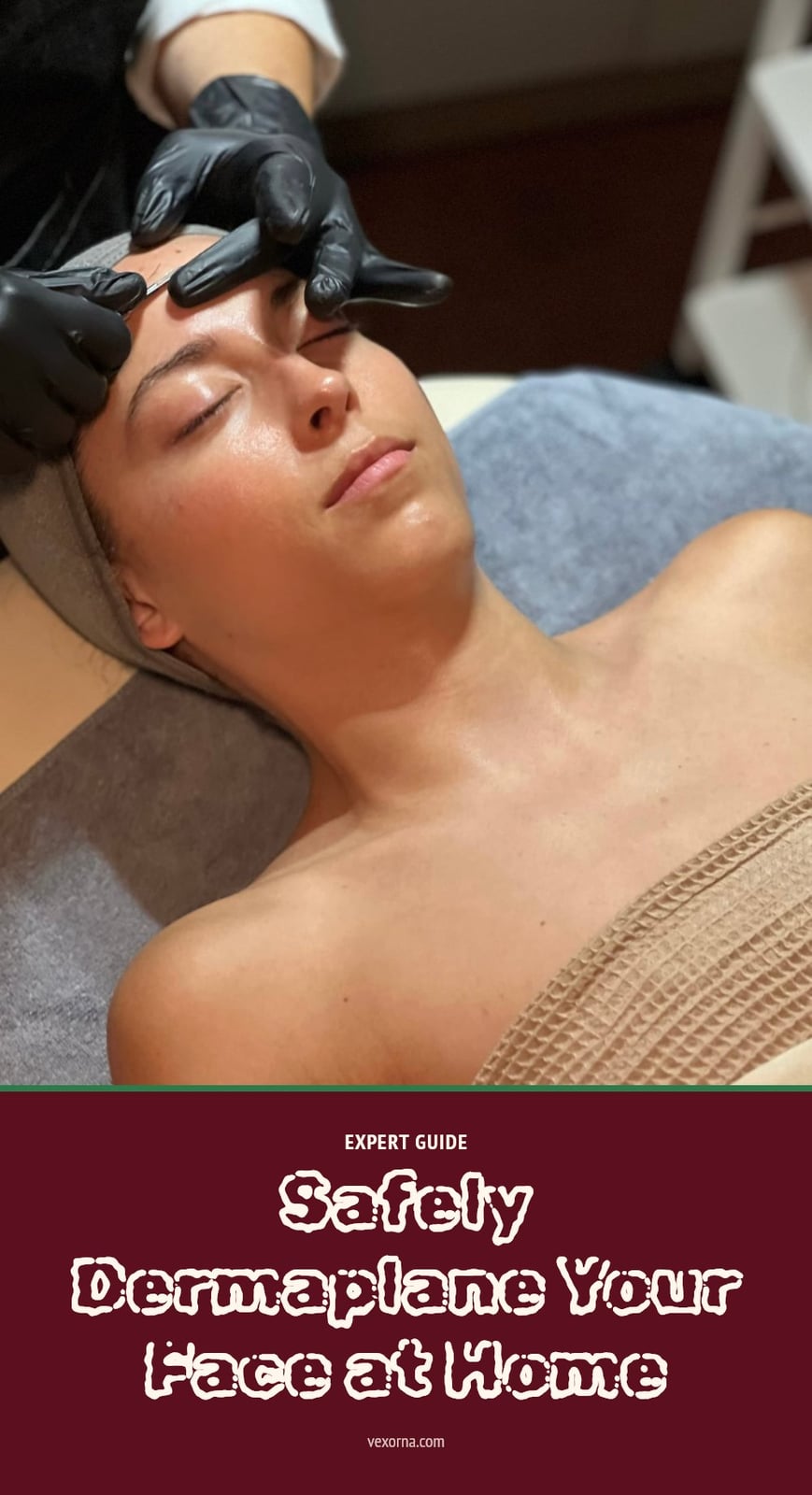
You’ve probably seen dermaplaning all over social media and wondered if you can achieve that smooth, glowing skin at home. The answer is yes, but only if you do it right. In this article, I’ll walk you through the essential tools, a step-by-step method, and the aftercare your skin needs to stay safe and radiant.
Key Takeaways
- Use a new, sterile blade and hold it at a 45-degree angle.
- Stretch skin taut and use light, short, downward strokes.
- Never dermaplane over active acne, rashes, or open sores.
- Apply hydrating serum and broad-spectrum sunscreen immediately after.
- Wait 3-4 weeks between sessions for best results.
What is Dermaplaning and How Does It Work?
Dermaplaning is a physical exfoliation method that removes dead skin cells and vellus hair, also known as peach fuzz, from your face. It uses a sterile surgical scalpel or a specialized tool to gently scrape the skin’s surface. The goal is to reveal smoother, brighter skin and help your skincare products absorb more effectively. My tip: start with a clean, dry face for the best results.
Your Dermaplaning Essentials for At-Home Treatment
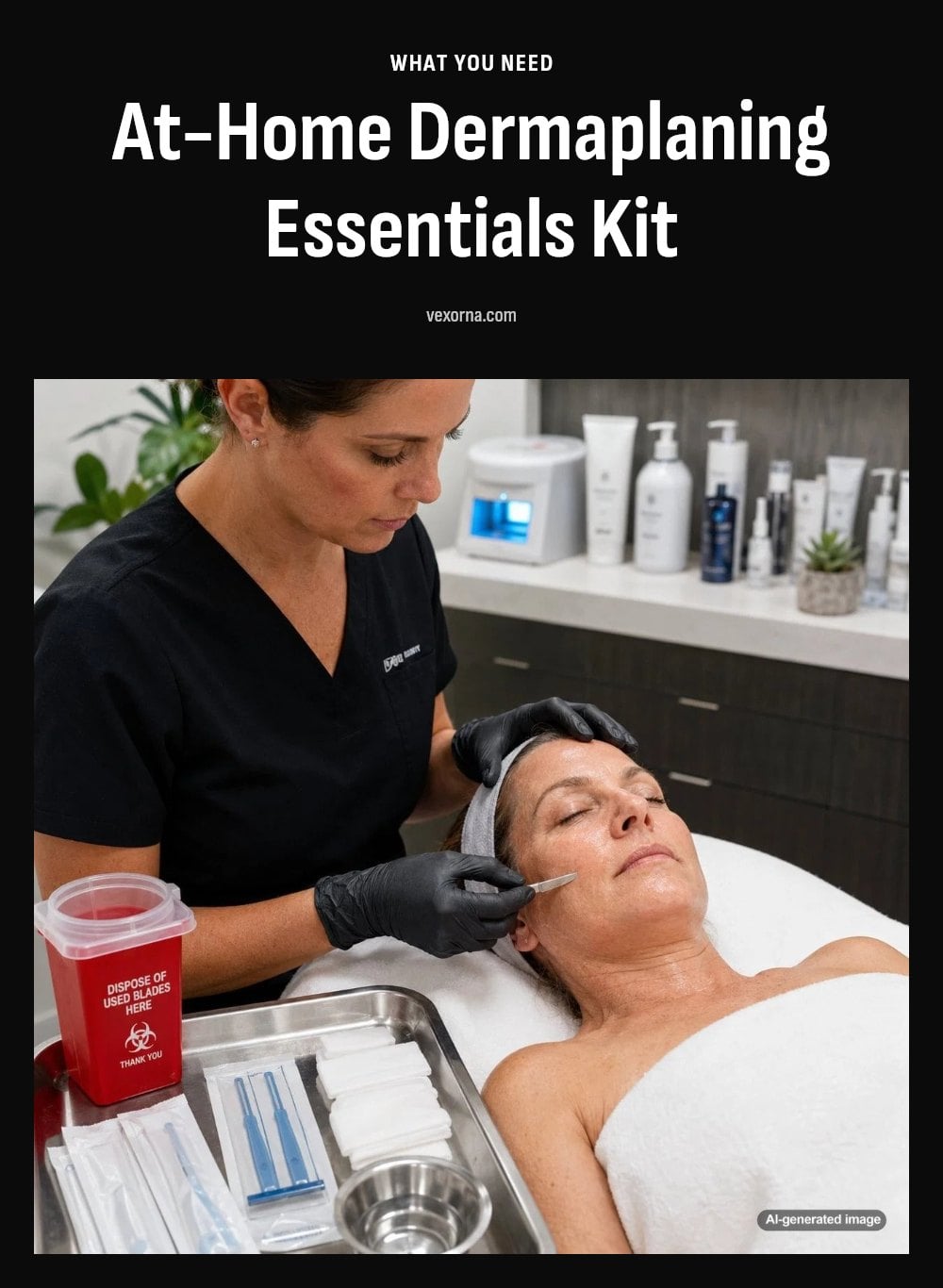
Before you start, gather everything you need. A sterile dermaplaning tool or surgical scalpel (like a #10 or #10R blade) is essential. You will also need a gentle facial cleanser for prep, rubbing alcohol to sanitize the skin, a hydrating serum or moisturizer for post-treatment, and a broad-spectrum sunscreen for protection.
- Tool: Sterile dermaplaning tool or surgical scalpel
- Cleanser: Gentle facial cleanser
- Sanitizer: Rubbing alcohol
- Post-care: Hydrating serum or moisturizer
- Protection: Broad-spectrum sunscreen
Step-by-Step Guide to Safely Dermaplaning Your Face
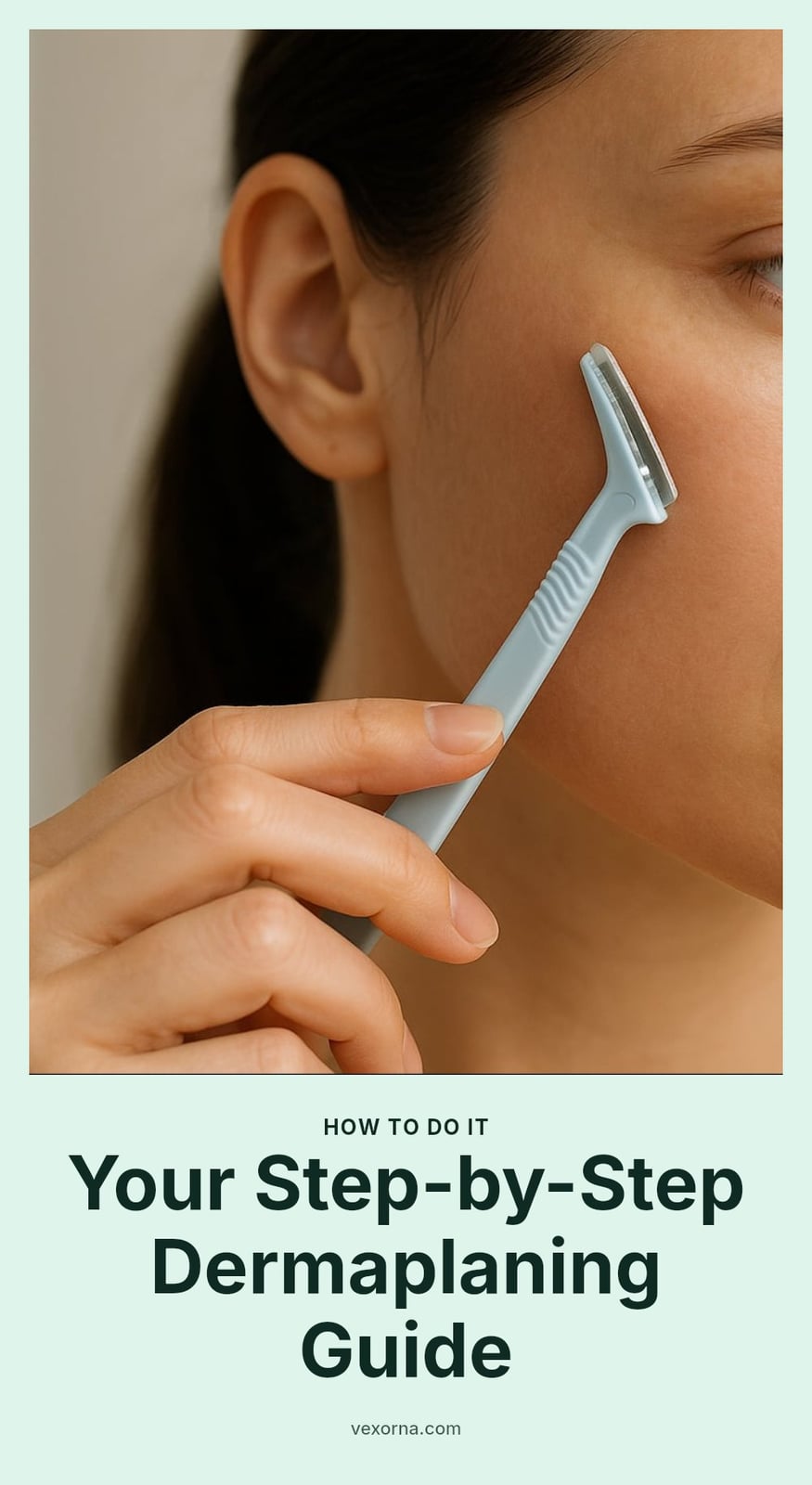
- Cleanse your face: Wash with a gentle cleanser to remove all makeup, oil, and dirt. Pat your skin dry completely.
- Sanitize the tool: If you are not using pre-packaged sterile wipes, apply rubbing alcohol to the blade with a cotton pad. Let it air dry.
- Hold the tool: Position the dermaplaning tool at a 45-degree angle to your skin. This angle allows the blade to lift dead cells without cutting.
- Stretch the skin: Use your free hand to pull the skin taut in the area you are working on. This creates a smooth surface for the blade.
- Make strokes: Use light, short, downward strokes in small sections. Take your time and move to a new area after each pass.
- Apply moisture: Immediately after finishing, apply a hydrating serum or moisturizer to soothe your skin.
My tip: always use a new, sterile blade for each session. A dull blade can cause nicks and uneven results.
Essential Aftercare for Post-Dermaplaning Skin

Right after dermaplaning, your skin needs extra care. Apply a hydrating serum or moisturizer to soothe and nourish it. Use a broad-spectrum sunscreen daily, as your skin will be more sensitive to sun exposure.
- Hydrate: Apply a hydrating serum or moisturizer immediately.
- Protect: Use broad-spectrum sunscreen every day.
- Avoid: Harsh exfoliants, retinoids, or active ingredients like Vitamin C for a few days.
- Maintain: Keep your skin clean and moisturized to support healing and maintain results.
Common Dermaplaning Mistakes to Avoid
Using too much pressure: Pressing hard with the blade can cause nicks, cuts, or irritation. Always use a light touch and let the blade do the work.
Not stretching skin taut enough: If you don’t pull the skin tight, the blade may skip or catch, leading to uneven results. Use your free hand to stretch the area before each stroke.
Using a dull or dirty blade: A dull blade won’t exfoliate effectively and can tug at the skin. A dirty blade risks infection. Always use a new, sterile blade for each session.
Dermaplaning over active breakouts: Gliding a blade over pimples can spread bacteria and worsen acne. Wait until your skin is clear before you dermaplane.
Forgetting sun protection: After dermaplaning, your skin is more vulnerable to UV damage. Apply a broad-spectrum sunscreen every morning, even if you’re indoors.
Dermaplaning Myths Debunked
Myth: Your hair will grow back thicker or darker.
Reality: This is a common misconception. Dermaplaning removes vellus hair (peach fuzz), which is fine and light. It does not alter the hair follicle or change hair growth patterns, so your hair will grow back exactly as it was before.
Myth: Dermaplaning is painful.
Reality: Most people find dermaplaning to be completely painless. It feels like a gentle scraping sensation on the skin. Any discomfort is usually minimal.
How Often to Dermaplane and What to Expect
For most skin types, dermaplaning every 3-4 weeks works well. This timeframe lets your skin finish its natural cell turnover cycle, so you get the full benefit without over-exfoliating. You will notice results right away: your face looks smoother and brighter the moment you finish.
When it comes to cost, at-home dermaplaning is budget-friendly. Your main expense is buying sterile, single-use blades, which are relatively inexpensive. Professional treatments cost more, but that price reflects the expertise of a licensed aesthetician or dermatologist who can tailor the procedure to your skin.
My tip: Track your sessions on a calendar. Marking the date you dermaplane helps you stick to the 3-4 week rhythm and avoid the temptation to do it too often.
When to See a Professional for Dermaplaning
Dermaplaning at home is safe for most people, but it is not right for every skin type. If you have active acne breakouts, rosacea, eczema, psoriasis, or highly sensitive skin, skip the DIY approach and consult a dermatologist or licensed aesthetician instead. These conditions can worsen with physical exfoliation, and a professional can assess whether dermaplaning is appropriate for you or recommend a gentler alternative.
After your session, watch for excessive redness, burning, persistent discomfort, or any signs of infection. If you notice any of these, stop immediately and seek professional medical advice. A trained expert can also evaluate your skin’s healing and suggest the best next steps for your specific needs.
Frequently Asked Questions
How often should I dermaplane?
For most skin types, dermaplaning every 3-4 weeks is ideal. This gives your skin enough time to complete its natural cell turnover cycle without over-exfoliating. Doing it more frequently can lead to irritation, so it’s best to stick to this timeline for optimal results.
Does dermaplaning make my hair grow back thicker?
No, this is a common myth. Dermaplaning removes vellus hair, which is fine and light, and does not affect the hair follicle or growth pattern. Your hair will grow back just as it was before, so you don’t need to worry about it becoming darker or coarser.
Can dermaplaning help with acne scars?
Dermaplaning may help improve the appearance of mild acne scars by removing the top layer of dead skin cells and promoting cell turnover. However, it is not a treatment for active acne and should not be performed over breakouts. For deeper scars, consult a dermatologist for more targeted options.
What should I avoid after dermaplaning?
Avoid harsh exfoliants, retinoids, and any products with strong active ingredients for at least a few days. Also, skip dermaplaning over the same area multiple times and don’t use dirty or dull blades. Most importantly, apply broad-spectrum sunscreen daily because your skin is more sensitive to sun after the procedure.
Is dermaplaning suitable for all skin types?
Dermaplaning is generally safe for most skin types, but it’s not recommended for those with active acne, rosacea, eczema, psoriasis, or highly sensitive skin. If you have any of these conditions, it’s best to consult a dermatologist or licensed aesthetician before attempting it at home.
Final Thoughts
Dermaplaning can be a game-changer for smoother, brighter skin, but it requires patience and care. My tip: start with a gentle touch and focus on one small area at a time to build your confidence. Expect immediate smoothness, but remember that results are temporary, and you’ll need to repeat the process every 3-4 weeks to maintain the effect. If you have any underlying skin conditions or are unsure, a dermatologist can guide you safely.
This article is for general informational purposes only and is not a substitute for professional medical advice. If you have a skin condition, persistent irritation, or are unsure whether dermaplaning is safe for you, please consult a dermatologist or licensed skincare professional.