
You know that feeling when your energy, mood, and sleep all seem out of sync? Your hormones might be sending you signals. Hormones are chemical messengers that control everything from metabolism to reproduction, and supporting them doesn’t require a complicated routine. This article breaks down simple daily habits backed by science to help you keep your endocrine system running smoothly.
Key Takeaways
- Prioritize 7-9 hours of quality sleep nightly to support cortisol, melatonin, and growth hormone regulation.
- Manage chronic stress through meditation, yoga, or nature walks to prevent cortisol from disrupting other hormones.
- Eat a balanced diet rich in whole foods, healthy fats, and fiber to support hormone production and detoxification.
- Engage in moderate exercise like walking or strength training to improve insulin sensitivity and lower stress hormones.
- Reduce exposure to endocrine-disrupting chemicals by choosing organic produce and using glass or stainless steel containers.
What Are Hormones and Why Do They Matter?
Hormones are your body’s chemical messengers, produced by the endocrine system. They travel through your bloodstream to tissues and organs, controlling everything from metabolism and mood to growth, reproduction, sleep, and stress response. When these messengers are in balance, you feel energetic, focused, and emotionally steady. That’s why maintaining hormonal balance through daily lifestyle choices is key to your overall well-being and how you feel every day.
1. Prioritize Quality Sleep
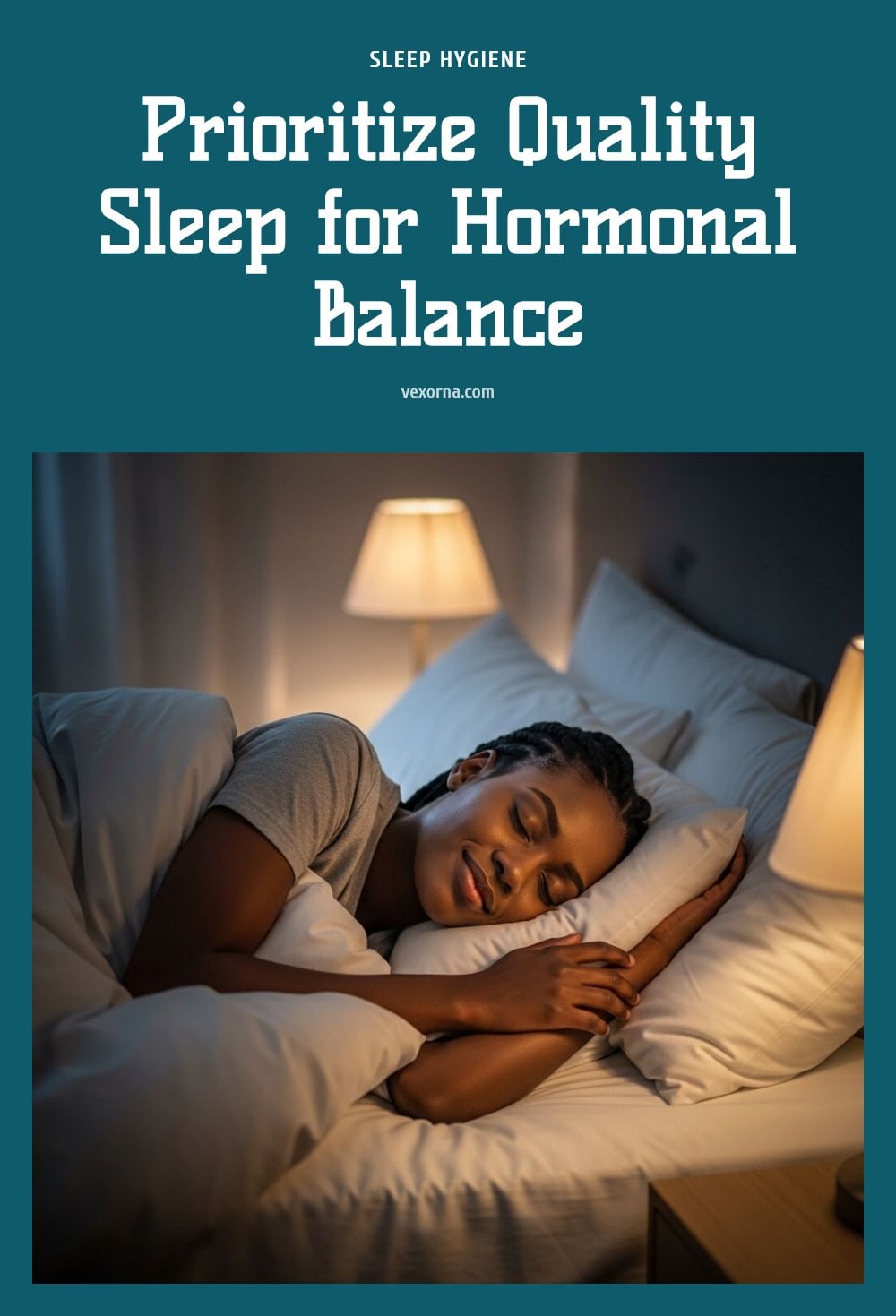
Aim for 7-9 hours of quality sleep every night. This supports the regulation of crucial hormones like growth hormone, cortisol, and melatonin. Consistent sleep allows your body to repair and reset, directly impacting your energy and mood the next day.
My tip: Create a relaxing bedtime routine. Dim the lights, avoid screens for at least an hour, and try a warm bath or gentle stretching to signal your body it’s time to wind down.
2. Manage Stress Effectively
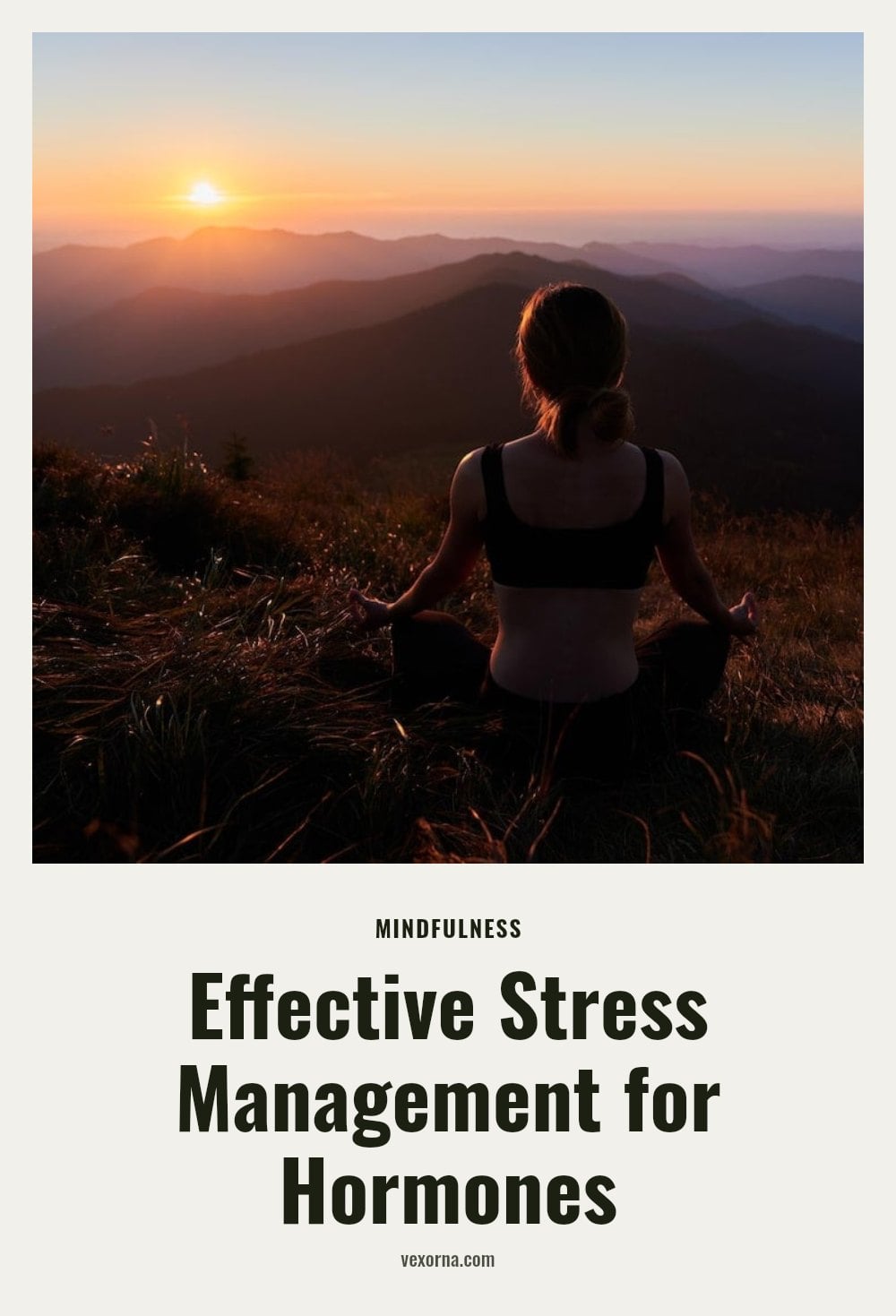
Chronic stress keeps cortisol, the ‘stress hormone,’ elevated. This can throw other hormone levels off, leading to fatigue, weight changes, and mood swings. To counter this, build stress-reducing practices into your day, like meditation, deep breathing, yoga, or a walk in nature.
My tip: Even 10-15 minutes of quiet time or mindful movement can make a real difference in regulating your stress response.
3. Eat a Balanced Whole Food Diet
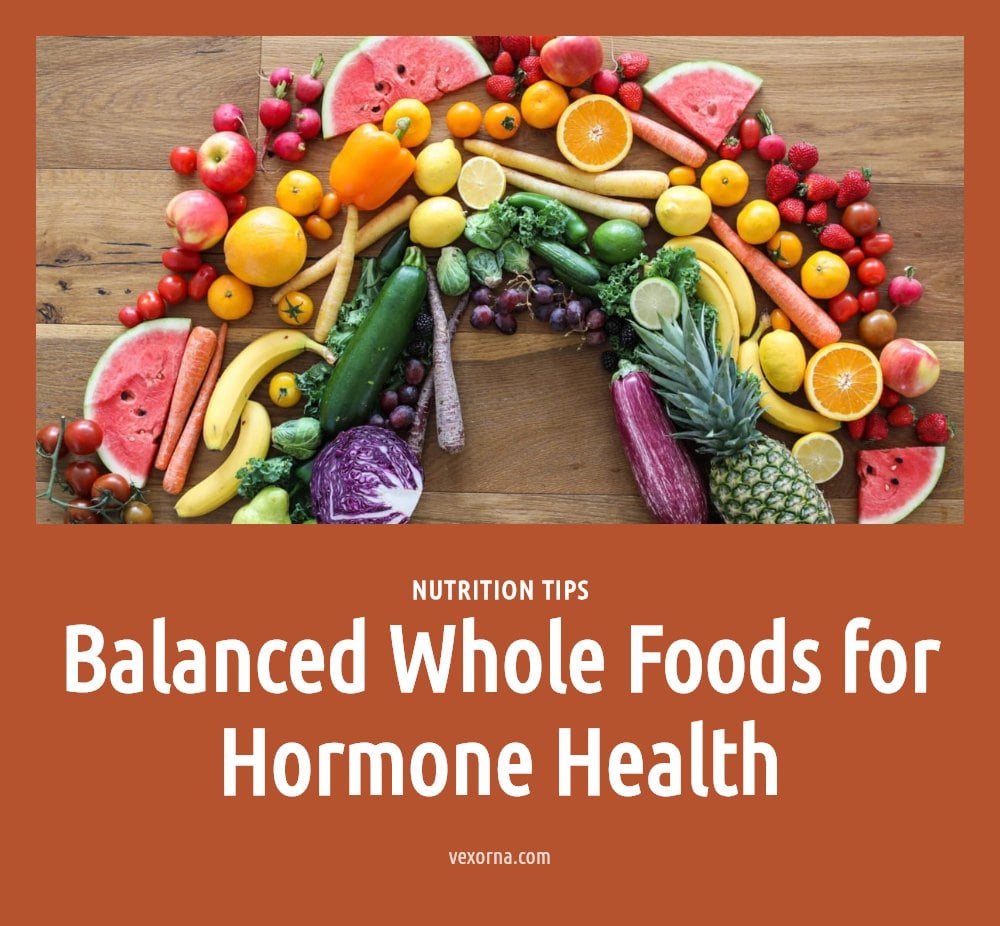
Nourish your body with whole foods: plenty of fruits, vegetables, lean proteins, and healthy fats. This balanced approach gives your body the building blocks for hormone production and supports its natural detoxification pathways.
My tip: Fill your plate with colorful produce for antioxidants, and don’t skip healthy fats like avocado, nuts, and olive oil. They are crucial for hormone synthesis.
4. Include Healthy Fats
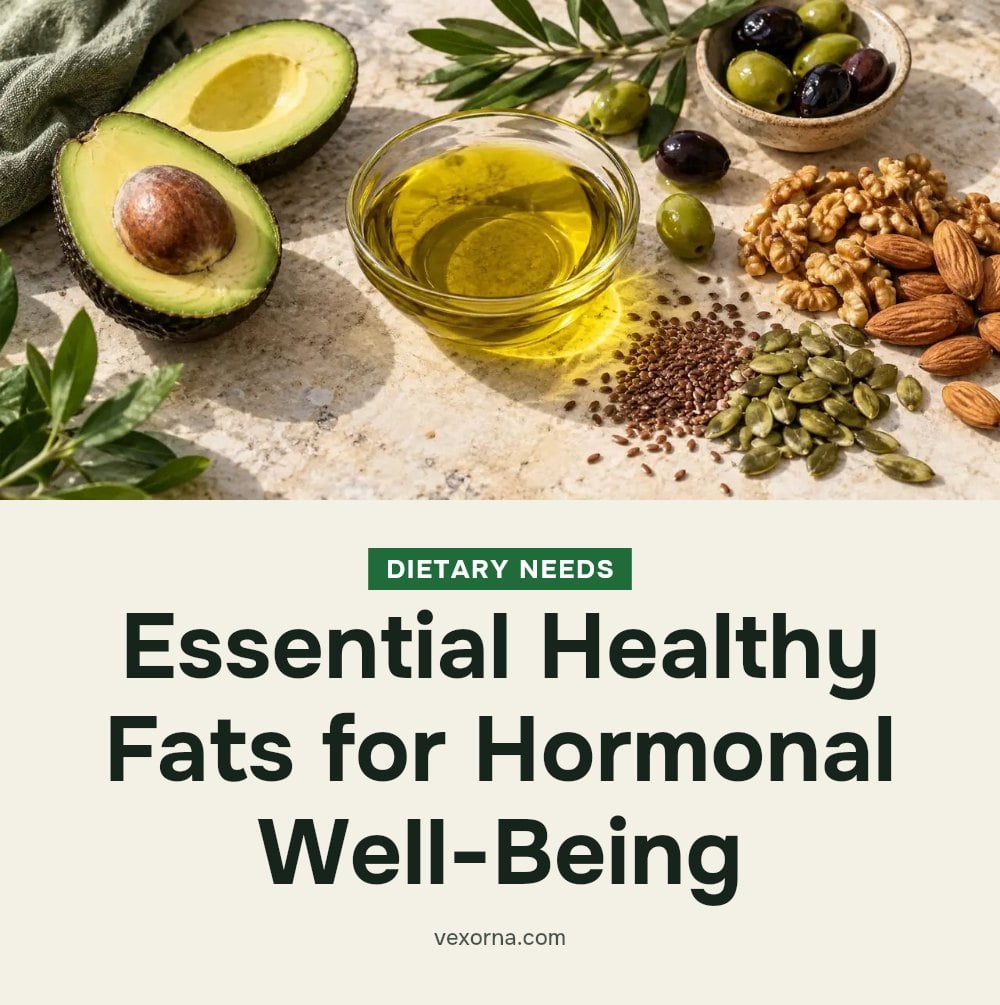
Healthy fats are essential for hormone production because many hormones, including estrogen and testosterone, are synthesized from cholesterol. I always keep avocados, almonds, walnuts, chia seeds, and olive oil in my kitchen. Fatty fish like salmon is another great source.
My tip: Don’t shy away from fats. They help you feel satisfied and are needed to absorb fat-soluble vitamins A, D, E, and K, which support overall hormone function.
5. Stay Well Hydrated

Drinking enough water throughout the day is fundamental for hormone transport and detoxification. Your endocrine glands depend on proper hydration to work efficiently, and even mild dehydration can affect cortisol and other hormone levels.
My tip: Keep a reusable water bottle handy and sip throughout the day. Herbal teas also count toward your fluid intake, so I switch to chamomile or peppermint tea in the evening.
6. Engage in Regular Exercise

Moderate, regular physical activity can improve insulin sensitivity and help reduce stress-related hormone fluctuations. I aim for brisk walking, cycling, swimming, or strength training most days. These activities support blood sugar regulation and lower cortisol levels.
Tip: Find an activity you genuinely enjoy to make it a sustainable habit. Over-exercising can sometimes stress the body further, so listen to your cues and rest when needed.
7. Maintain a Healthy Weight
Both being underweight and overweight can significantly impact hormone balance, particularly estrogen levels and insulin sensitivity. Adopting a balanced diet and regular exercise routine naturally helps maintain a healthy weight and supports your endocrine system.
Good to know: Focus on sustainable lifestyle changes rather than restrictive diets for long-term hormonal health. Small, consistent steps matter more than drastic short-term fixes.
8. Limit Endocrine Disruptors
Endocrine-disrupting chemicals (EDCs) are substances that can interfere with your body’s natural hormone function. They are found in some plastics, pesticides, and personal care products. To reduce exposure, choose organic produce when possible to avoid pesticides, and opt for glass or stainless steel containers over plastic for food and drinks.
Pro move: Read labels on personal care products and cleaning supplies. Look for ‘fragrance-free’ or natural alternatives to minimize your exposure to these chemicals.
9. Avoid Processed Foods
Heavily processed foods, sugary drinks, and excessive caffeine can disrupt blood sugar regulation and contribute to inflammation. Both of these negatively impact hormone balance. These foods also lack the nutrients your body needs for optimal hormone production and detoxification.
Quick tip: Focus on whole, unprocessed ingredients. If it comes in a package with a long ingredient list, it’s likely best to limit it.
10. Support Liver Health
Your liver plays a crucial role in metabolizing and detoxifying hormones, especially estrogen. Support its function by eating cruciferous vegetables like broccoli and cauliflower, incorporating fiber into your diet, and limiting alcohol.
Tip: A healthy liver is key to preventing hormone buildup and ensuring proper elimination from the body.
11. Listen to Your Body
Pay attention to your body’s signals and how different foods, activities, and stressors affect you. Hormonal health is highly individual, and what works for one person might not work for another.
Good to know: Keep a journal to track symptoms, energy levels, and mood. This can help you identify patterns and make informed choices for your unique needs.
When to Consult a Professional
If you experience severe or persistent symptoms such as extreme fatigue, unexplained weight changes, significant mood disturbances, irregular periods, or fertility issues, it is crucial to consult a doctor or endocrinologist. These signs can indicate an underlying hormonal imbalance that requires professional evaluation.
Caution: Do not start any hormone therapy or supplement regimen without medical guidance. Self-treatment can have serious health implications and may mask a more serious condition. A healthcare professional can provide an accurate diagnosis, recommend appropriate testing, and guide you on the safest and most effective treatment plan for your specific needs.
Frequently Asked Questions
What are the main signs of hormonal imbalance?
Common signs include fatigue, unexplained weight changes, mood swings, sleep disturbances, skin issues, and irregular periods. If you experience severe or persistent symptoms like extreme fatigue or significant mood disturbances, it’s important to consult a doctor or endocrinologist for a proper evaluation.
How long does it take to see results from lifestyle changes?
Hormonal balance is an ongoing process, and results vary from person to person. With consistent daily habits, many people notice gradual improvements in symptoms over weeks to months. It’s not a quick fix, so patience and persistence are key.
Are there specific foods that are best for hormone balance?
A balanced diet rich in whole foods is the foundation. Focus on fruits, vegetables, lean proteins, and healthy fats like avocados, nuts, seeds, and olive oil. Cruciferous vegetables such as broccoli and cauliflower support liver detoxification of hormones. Avoid processed foods, sugary drinks, and excessive caffeine, which can disrupt blood sugar and inflammation.
Should I consider hormone supplements?
Do not start any hormone therapy or supplement regimen without professional medical guidance. Self-treating can have serious health implications. Lifestyle changes are a safer first step, but if you suspect an imbalance, consult a doctor or endocrinologist for proper testing and recommendations.
Can stress really affect my hormones?
Yes, chronic stress keeps cortisol, the ‘stress hormone,’ elevated, which can throw other hormone levels off and lead to fatigue, weight changes, and mood swings. Building stress-reducing practices like meditation, deep breathing, or time in nature into your day can help counter this effect.
Final Thoughts
If you’re feeling off, start with one or two of these habits and be patient, consistent daily changes can lead to gradual improvements in symptoms over weeks to months, but individual results vary. The key is to listen to your body and adjust what doesn’t feel right. Remember, you don’t have to fix everything overnight; small steps toward a balanced lifestyle can make a real difference in how you feel every day.
This article is for general informational purposes only and does not constitute medical or professional advice. Hormonal health is complex, and individual needs vary. If you are experiencing persistent or severe symptoms, please consult a doctor, endocrinologist, or qualified healthcare professional for a proper diagnosis and treatment plan.