Have you ever felt like your energy, mood, or cravings shift throughout the month for no obvious reason? That’s your menstrual cycle at work, and cycle syncing is a way to work with it instead of against it. This article explains what cycle syncing is, how to match your diet and exercise to each phase of your cycle, and what to keep in mind as you get started.
Key Takeaways
- Cycle syncing means adjusting your diet and exercise to match the four phases of your menstrual cycle.
- Track your cycle with an app or journal to know when each phase starts and ends.
- Focus on higher-intensity workouts during the follicular and ovulatory phases.
- Choose lower-intensity activities like walking or yoga during the luteal and menstrual phases.
- Cycle syncing is a flexible wellness practice, not a substitute for medical advice.
What Exactly Is Cycle Syncing?
Cycle syncing is the practice of aligning your daily routines, including diet, exercise, and lifestyle, with the natural hormonal fluctuations of your menstrual cycle. It involves understanding the four phases (menstrual, follicular, ovulatory, and luteal) and adjusting your activities to support your body’s changing needs and energy levels. The goal is to optimize well-being, energy, and mood, though much of the advice is based on anecdotal evidence and traditional wellness practices rather than extensive scientific research.
Understanding Your Menstrual Cycle Phases
The menstrual cycle typically lasts 21-35 days and is divided into four phases: menstrual, follicular, ovulatory, and luteal.
Menstrual Phase
This phase is when menstruation occurs. Both estrogen and progesterone levels are at their lowest.
Follicular Phase
Rising estrogen prepares the body for ovulation. This phase begins on the first day of menstruation and lasts until ovulation.
Ovulatory Phase
A surge in luteinizing hormone (LH) triggers the release of an egg from the ovary, typically around the middle of the cycle.
Luteal Phase
Progesterone rises along with continued estrogen, preparing the body for a potential pregnancy or, if pregnancy does not occur, for menstruation.
Essential Tools for Starting Your Cycle Syncing Journey
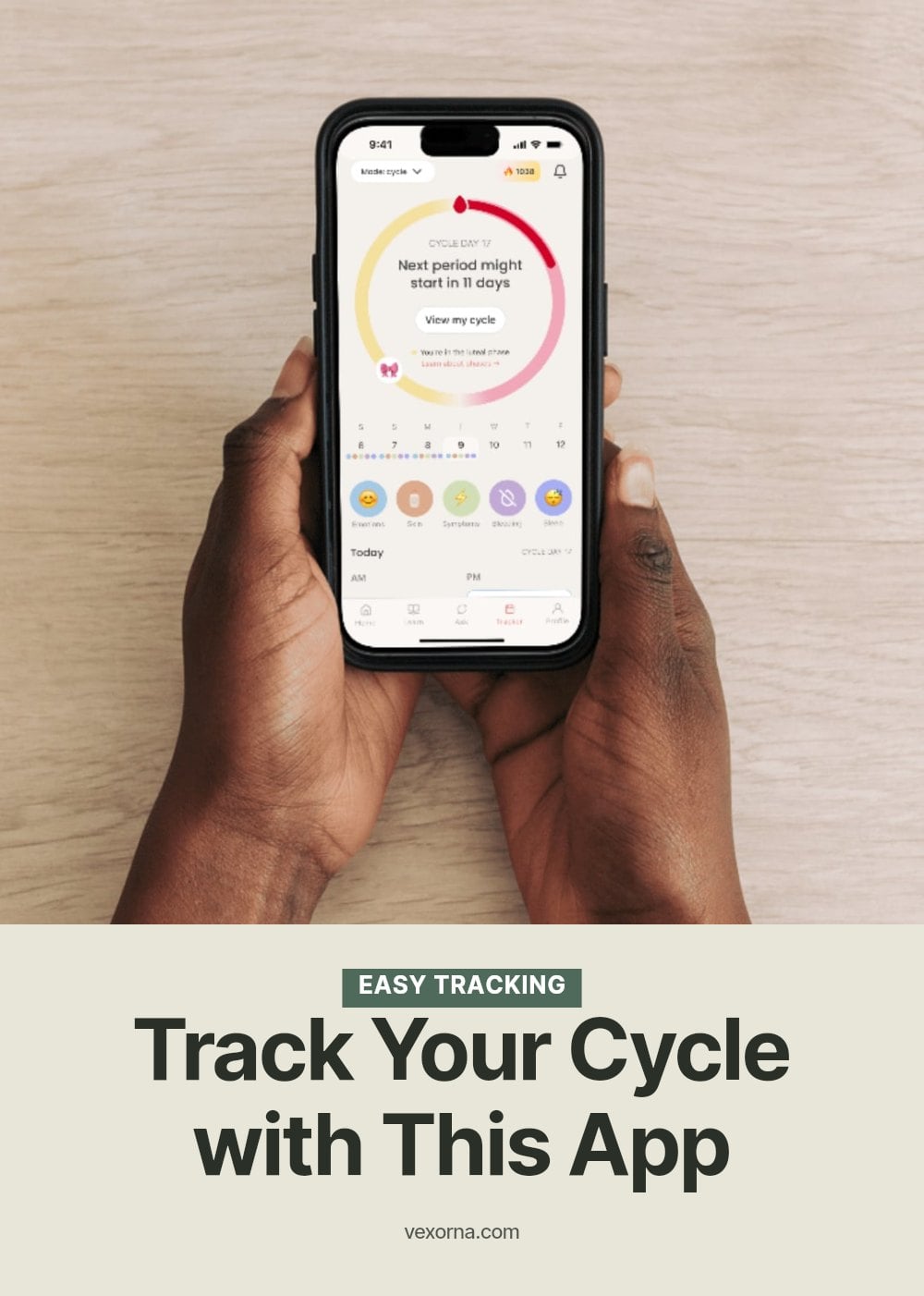
To start cycle syncing, you’ll need a few basic tools:
- A menstrual cycle tracking app or journal: This is crucial for identifying the start and end of each phase.
- Nutrient-dense foods: Focus on whole, unprocessed options like fruits, vegetables, whole grains, lean proteins, and healthy fats.
- Exercise equipment: Keep a yoga mat, resistance bands, or walking shoes handy for varied activities.
- A water bottle: Staying hydrated supports overall health throughout your cycle.
How to Start Cycle Syncing Your Diet and Exercise
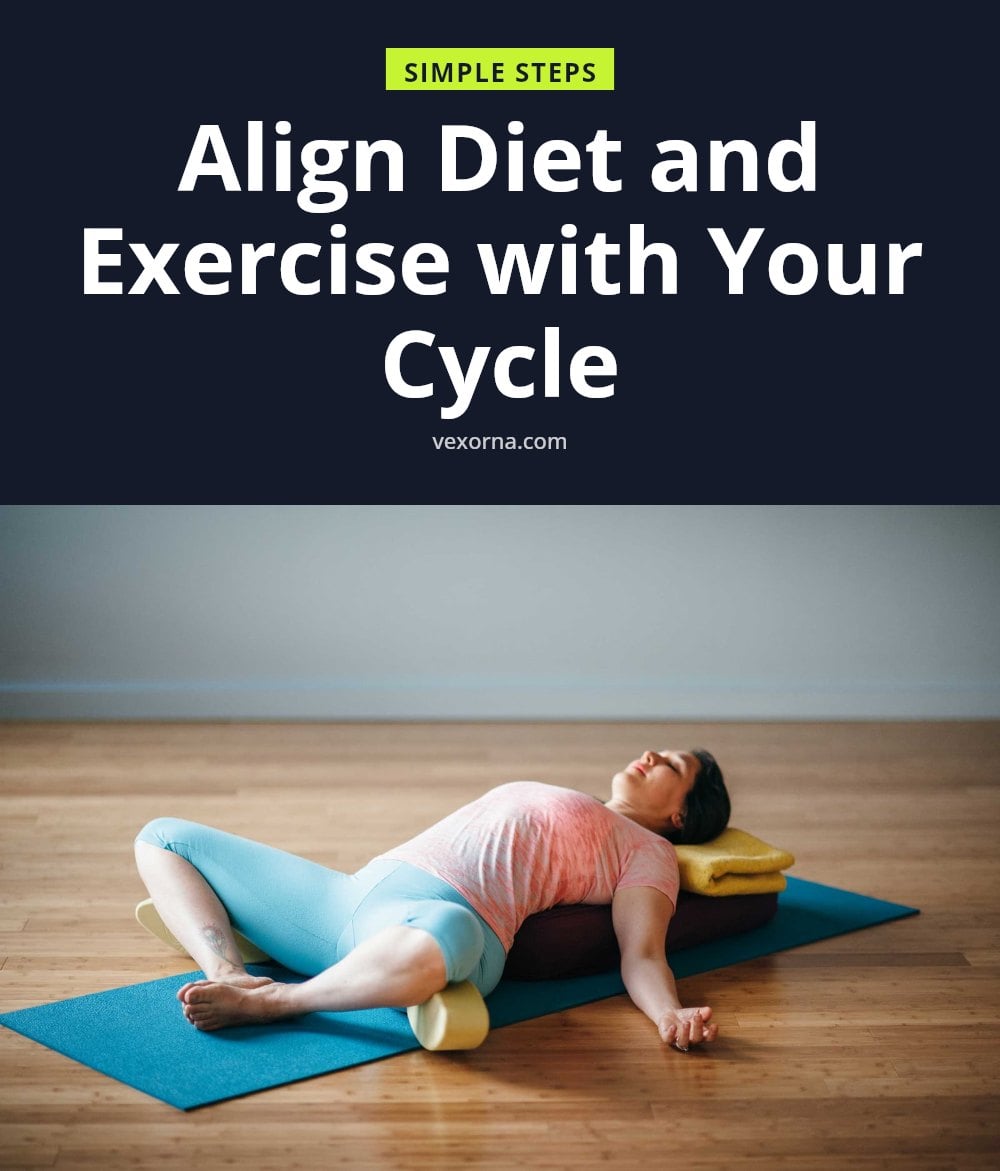
Here’s how to align your diet and exercise with your cycle phases.
- Track your cycle: Use an app or journal to log your period start and end dates, plus any symptoms. This helps you predict phase changes over time.
- Adjust during follicular and ovulatory phases: Energy levels may be higher. Try more intense workouts like running, strength training, or HIIT. Your nutrition can be more varied; include plenty of vegetables, lean proteins, and healthy fats.
- Shift during luteal and menstrual phases: Focus on lower-intensity activities such as walking, yoga, or stretching. Support your body with comforting foods: complex carbohydrates (like oats or sweet potatoes) during the luteal phase and iron-rich foods (like spinach or lentils) during menstruation.
- Listen to your body: Your energy may not perfectly match the general recommendations. If you feel tired, rest. If you feel strong, move more. Flexibility is key.
Practical Tips for Successful Cycle Syncing
Start with one or two small changes rather than overhauling everything at once. Consistency matters more than perfection. Track what works for you and adjust as needed.
- Consistency is Key: Don’t expect immediate results; integrate changes gradually over a few cycles.
- Listen to Your Body: Your individual experience may vary, so adjust recommendations to what feels right.
- Prioritize Nutrient-Dense Foods: Focus on whole, unprocessed foods throughout your cycle.
- Manage Stress: Incorporate stress-reducing practices like meditation or deep breathing.
- Experiment with Exercise: Try different types of physical activity to see what best supports your energy in each phase.
Common Mistakes to Avoid When Cycle Syncing
Cycle syncing is a flexible wellness practice, not a rigid prescription. Avoid these common pitfalls to stay safe and see better results.
- Assuming It’s a Medical Treatment: Cycle syncing is a wellness practice, not a substitute for medical advice.
- Inaccurate Cycle Tracking: Without accurate tracking, syncing efforts may be misaligned.
- Over-Restricting Diet or Over-Exercising: Avoid extreme changes based on generalized advice; focus on balance.
- Expecting Quick Fixes: Cycle syncing is a journey, not an instant solution for underlying hormonal issues.
- Ignoring Persistent Symptoms: Do not use cycle syncing to mask severe pain or irregular periods; consult a doctor.
When to Consult a Healthcare Professional
Cycle syncing is not a replacement for medical care. Speak with your healthcare provider in these situations:
- If you experience severe pain, extremely heavy bleeding, or significant changes in your menstrual cycle.
- Cycle syncing should not be used as a form of birth control.
- If you have a diagnosed hormonal condition (e.g., PCOS, endometriosis), consult your doctor before making significant lifestyle changes.
- If you are pregnant or breastfeeding, talk to your doctor before attempting cycle syncing practices.
Frequently Asked Questions
How long does it take to see results from cycle syncing?
Most women notice subtle changes in energy or mood after one or two cycles of consistent practice. Bigger shifts, like reduced PMS symptoms or better workout performance, may take three to six cycles. Be patient and adjust based on what your body tells you.
Can cycle syncing help with fertility?
Some women use cycle syncing to become more aware of their fertile window and support overall reproductive health. However, it is not a proven fertility treatment and should not replace medical advice if you are trying to conceive. Talk to your doctor about any fertility concerns.
Is cycle syncing the same as natural birth control?
No. Cycle syncing is a wellness practice focused on diet and lifestyle, not a method of birth control. It does not prevent pregnancy. If you need reliable contraception, talk to your healthcare provider about options that are proven to work.
What if my cycle is irregular?
If your cycle is irregular, tracking can still help you notice patterns over time. Start by logging your period start dates and any symptoms. If irregularity persists or you have other symptoms like severe pain, see a doctor to rule out underlying conditions.
Do I need special foods for cycle syncing?
No special foods are required. The idea is to include nutrient-dense whole foods that support your body during each phase, such as iron-rich foods during menstruation or complex carbohydrates during the luteal phase. Focus on a balanced diet rather than rigid rules.
Final Thoughts
If you’re curious about cycle syncing, start by tracking your cycle for one or two months before making any changes. Then pick just one small adjustment, like swapping a high-intensity workout for a gentle walk during your luteal phase, and see how it feels. Results are rarely instant, but many women notice improvements in energy and mood after a few consistent cycles. The goal is to support your body, not to force it into a perfect schedule.
This article is for general informational purposes only and does not constitute medical advice. Cycle syncing is a wellness practice, not a treatment for any medical condition. If you have concerns about your menstrual cycle, hormonal health, or any persistent symptoms, please consult a qualified healthcare professional.