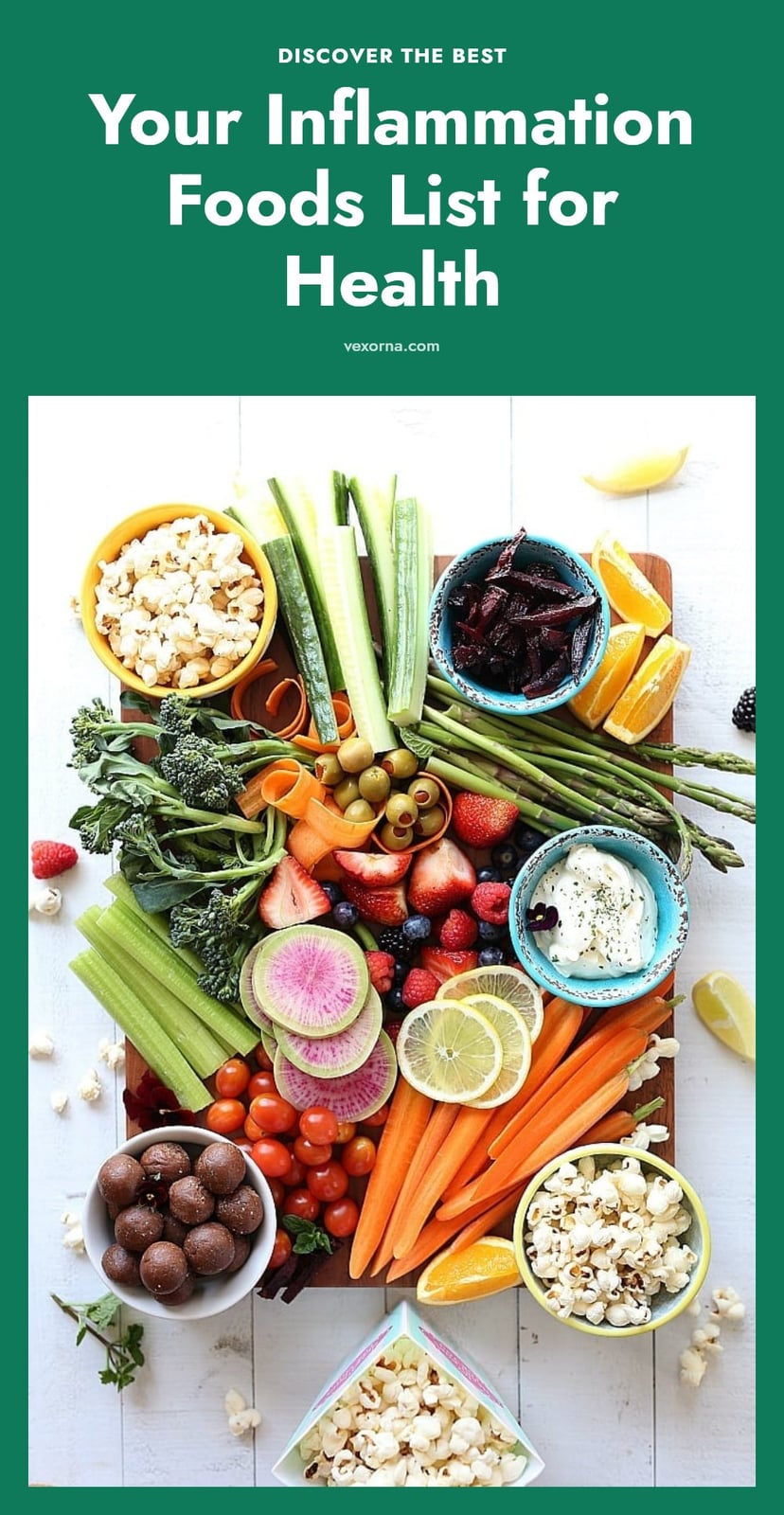
You’ve probably heard the term “inflammation” thrown around, but chronic inflammation can quietly contribute to long-term health issues. The good news is that what you eat plays a major role in managing it, and you don’t need a complicated plan. This article covers the top anti-inflammatory foods you can start adding to your plate today, along with practical tips for making them work in your daily routine.
Key Takeaways
- Focus on a diverse diet of fruits, vegetables, whole grains, and lean proteins rather than a single superfood.
- Include omega-3-rich foods like fatty fish (salmon, mackerel, sardines) at least twice a week.
- Use anti-inflammatory spices like turmeric and ginger in your cooking, and pair turmeric with black pepper for better absorption.
- Choose healthy fats such as extra virgin olive oil and avocados, and avoid excessive refined sugars and trans fats.
- Give your body several weeks to months of consistent effort before expecting noticeable results from dietary changes.
What Foods Help Fight Inflammation?
An anti-inflammatory diet isn’t about one miracle food. It’s about a diverse mix of fruits, vegetables, whole grains, and lean proteins. Focus on foods rich in antioxidants, omega-3 fatty acids, and polyphenols. Adding a variety of these to your meals supports overall well-being and helps manage chronic inflammation over time.
1. Fatty Fish
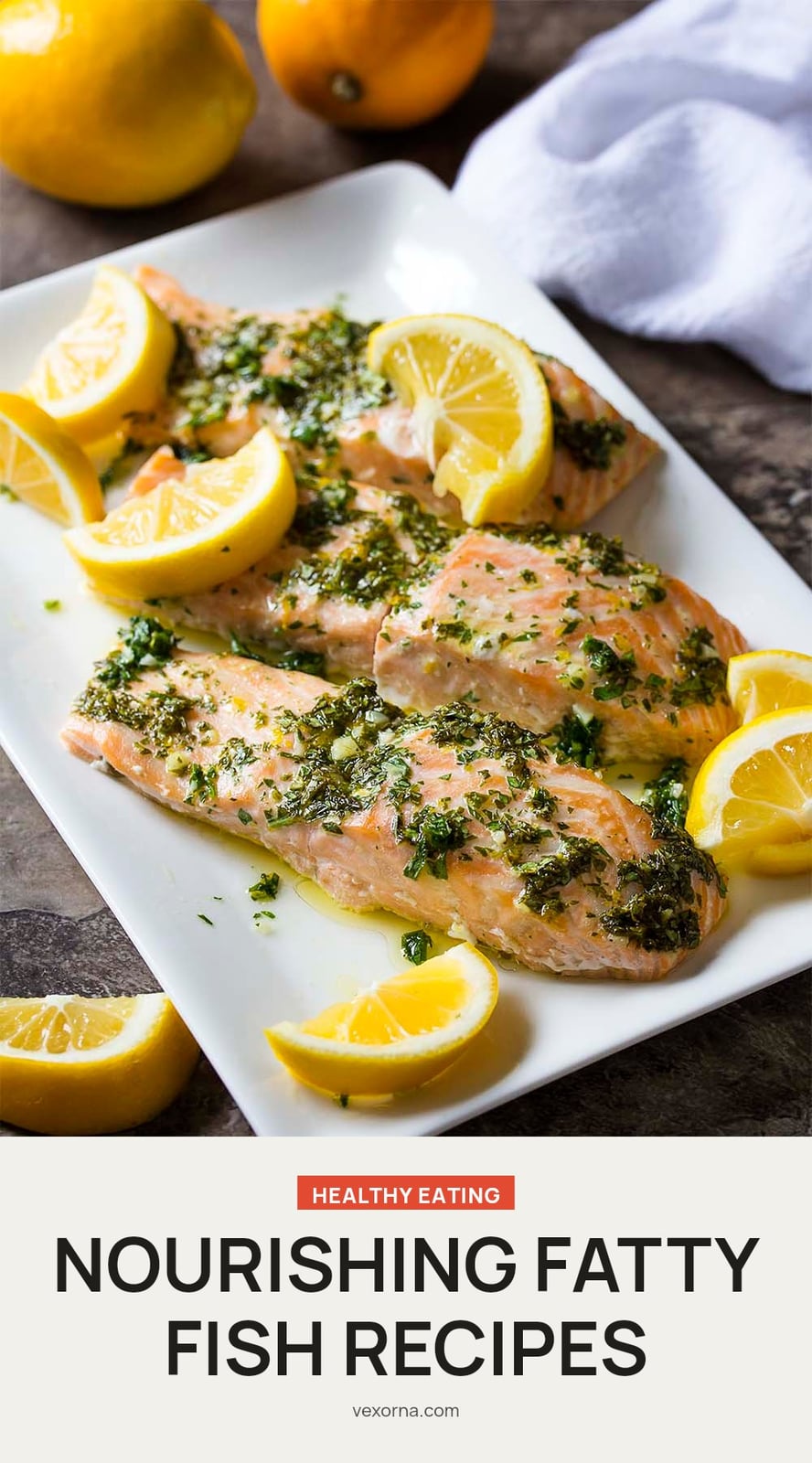
Salmon, mackerel, and sardines are packed with EPA and DHA, two omega-3 fatty acids known for their strong anti-inflammatory effects. These healthy fats help reduce systemic inflammation throughout your body.
- My tip: Aim for at least two servings of fatty fish per week.
- Grill, bake, or poach them to keep the benefits intact.
- Canned sardines and salmon are convenient options for lunches.
2. Berries
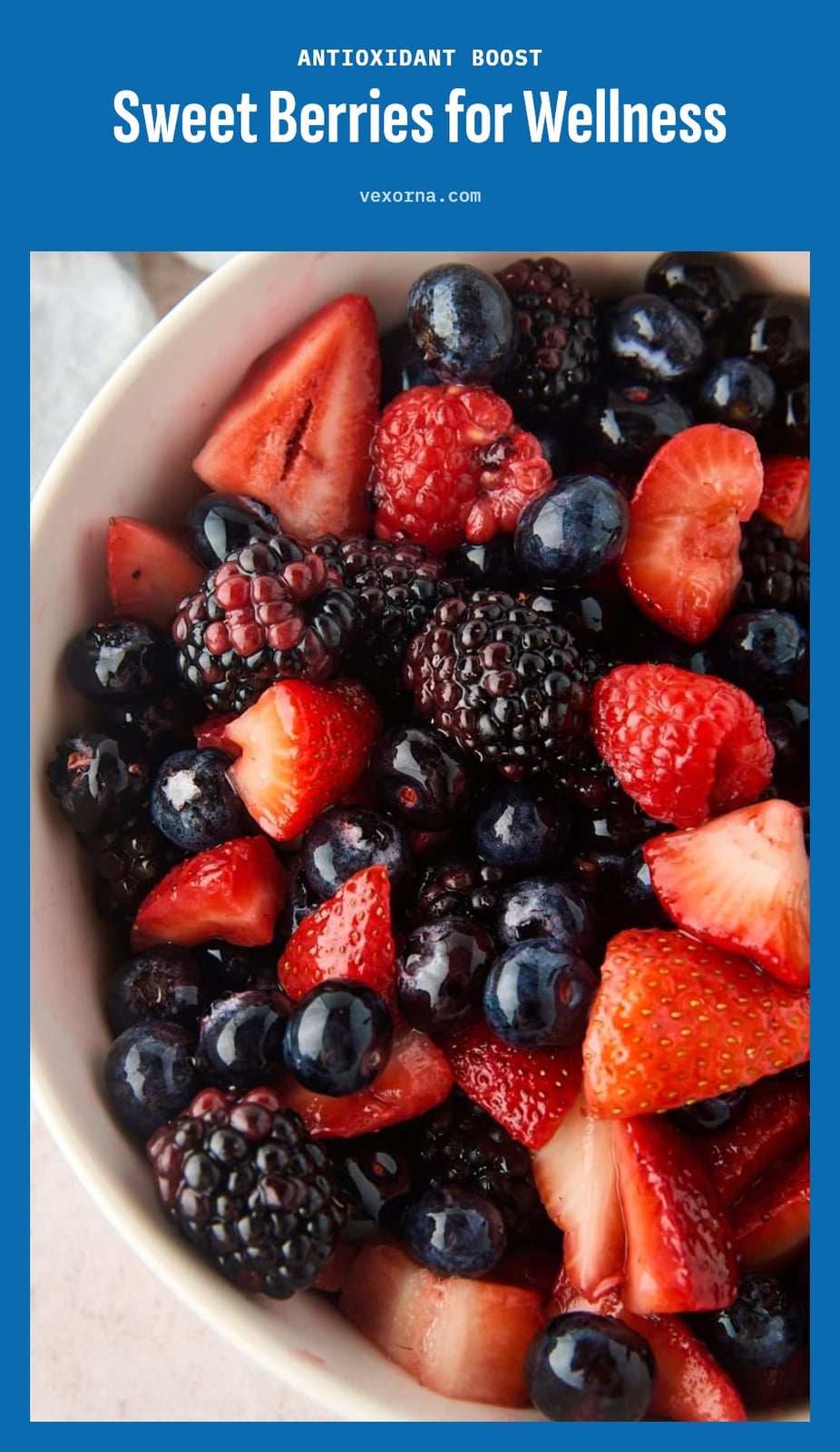
Blueberries, strawberries, and raspberries are packed with anthocyanins, a type of antioxidant known for its anti-inflammatory effects. These compounds help shield your cells from damage that can spark inflammation.
My tip: Aim for a handful of mixed berries each day. They work well stirred into yogurt, layered in oatmeal, or eaten plain as a snack.
3. Leafy Green Vegetables

Spinach, kale, and collard greens are nutritional powerhouses. They’re rich in vitamins, minerals, and antioxidants that actively support your body’s natural anti-inflammatory processes.
- Tip: Don’t overcook them; lightly steaming or sautéing helps retain their beneficial compounds.
- Add a handful to smoothies, soups, or stir-fries.
- Massage kale with olive oil to soften it for salads.
4. Turmeric
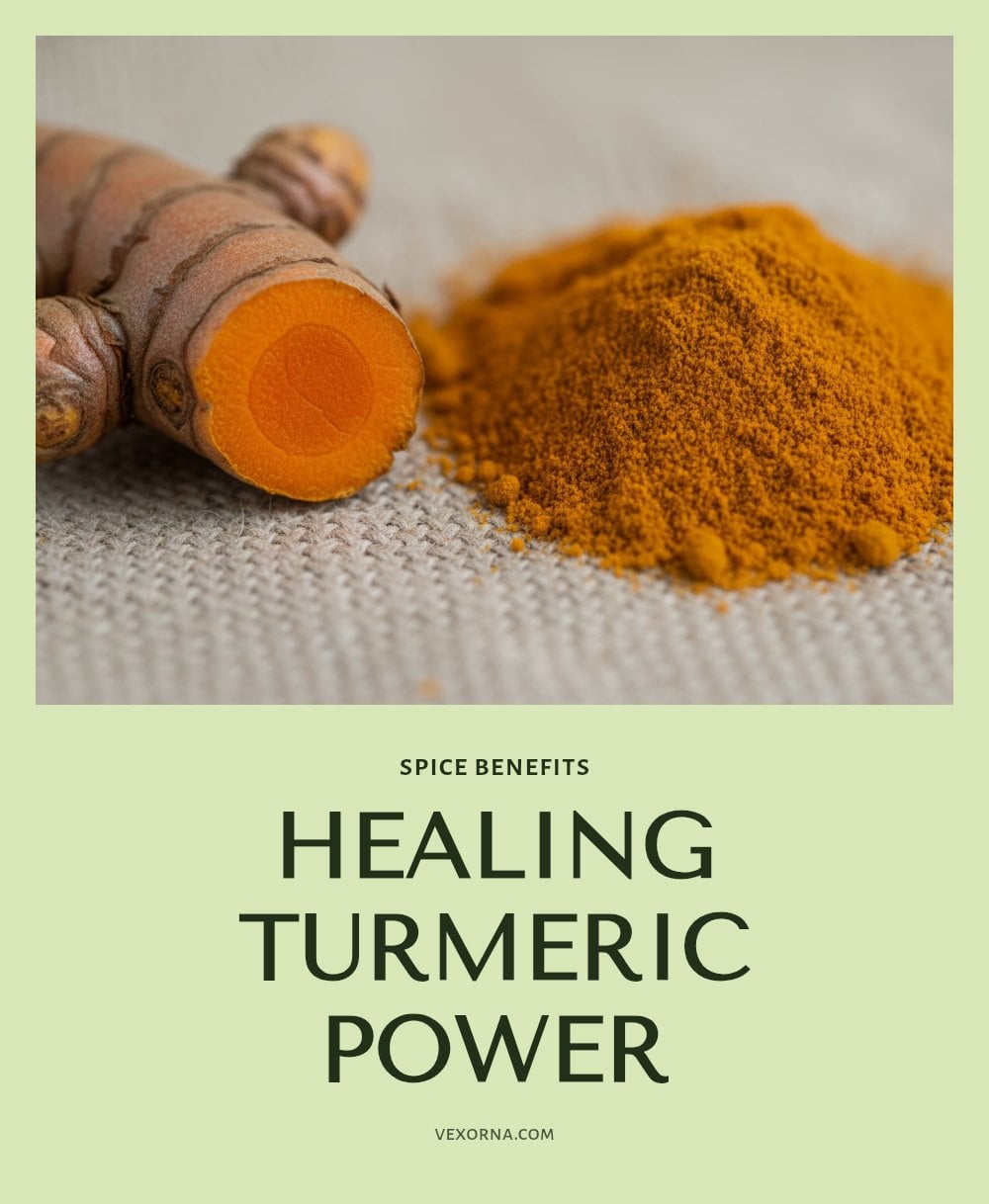
This golden spice gets its color from curcumin, a compound with potent anti-inflammatory effects that has been widely studied for helping manage chronic inflammation. The body absorbs curcumin better when paired with black pepper, so add a pinch when cooking with turmeric.
Caution: If you take blood thinners or diabetes medication, consult your doctor before increasing your turmeric intake, as it can interact with these drugs.
5. Ginger
Ginger contains gingerols and shogaols, compounds with strong anti-inflammatory and antioxidant properties. It works well fresh, dried, or powdered in stir-fries, soups, and baked goods.
I love adding fresh ginger to my morning smoothie or brewing it as a tea for a soothing effect. A one-inch piece grated into hot water makes a quick anti-inflammatory drink.
6. Extra Virgin Olive Oil
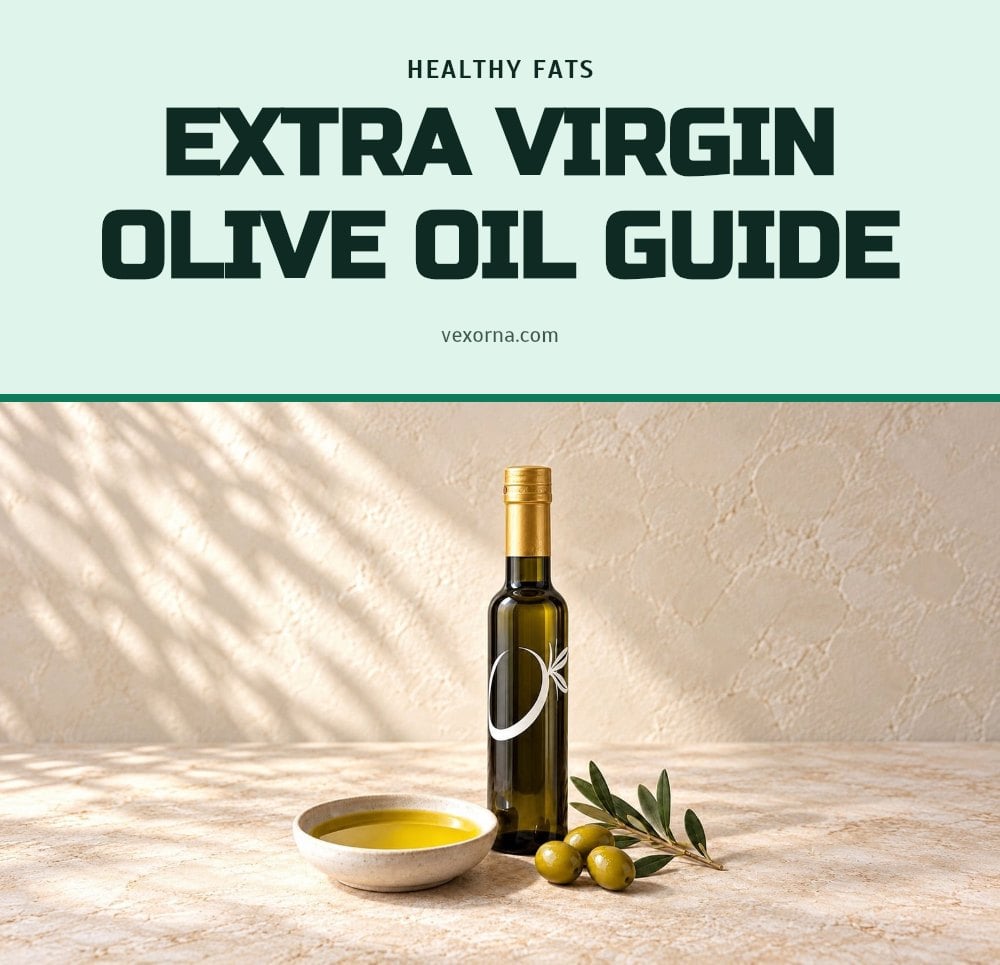
Cold-pressed extra virgin olive oil contains oleocanthal, a compound that acts similarly to ibuprofen in reducing inflammation. It’s also a healthy fat that supports cardiovascular health.
Good to know: Use it as a dressing or drizzle it over cooked dishes rather than for high-heat cooking to preserve its beneficial compounds. Store it in a cool, dark place to prevent oxidation.
7. Nuts and Seeds
Almonds, walnuts, chia seeds, and flax seeds provide healthy fats, fiber, and antioxidants that help reduce inflammation. Walnuts and flax seeds are especially rich in alpha-linolenic acid (ALA), a plant-based omega-3 fatty acid.
These foods also support gut health by feeding beneficial bacteria. A small handful of walnuts or a tablespoon of ground flax seeds added to oatmeal or yogurt is an easy daily habit.
8. Whole Grains
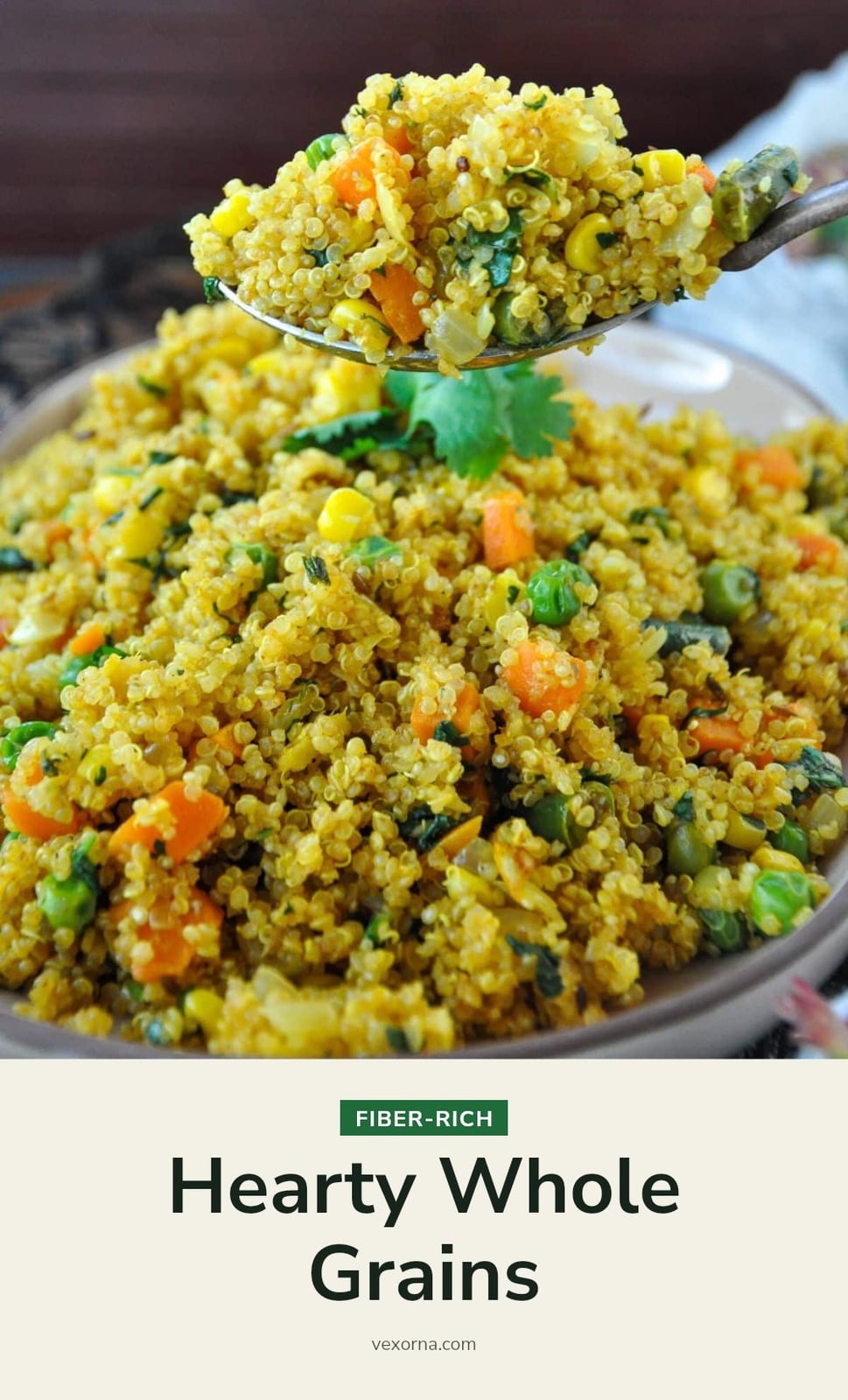
Oats, brown rice, and quinoa deliver the fiber your body needs to help lower C-reactive protein, a key marker of inflammation. That same fiber feeds the beneficial bacteria in your gut, and a healthy microbiome plays a big role in keeping inflammation in check.
I find that swapping refined grains for whole grains is one of the easiest dietary changes to make. Start with breakfast: choose oatmeal instead of sugary cereal, or use brown rice in place of white rice for dinner. Small swaps like these add up without feeling like a sacrifice.
9. Green Tea
Green tea is rich in catechins, especially epigallocatechin gallate (EGCG), a compound with significant anti-inflammatory effects. Drinking it regularly adds to your body’s overall antioxidant defense, helping protect cells from the free radical damage that fuels inflammation.
My tip: Brew it fresh and skip the sugar. Steep a bag for 3 to 5 minutes in hot water for the best flavor and benefit, and drink it plain or with a squeeze of lemon. A cup or two a day is a simple habit with real payoff.
10. Broccoli and Cruciferous Vegetables
Broccoli, cauliflower, and Brussels sprouts contain sulforaphane, an antioxidant that may help reduce inflammation. These cruciferous vegetables also deliver a wealth of vitamins and minerals that support your immune system, making them a valuable part of any anti-inflammatory eating pattern.
I always make sure to include a cruciferous vegetable in my meals a few times a week. Roast them with olive oil and garlic, or add chopped broccoli to stir-fries and grain bowls. Just avoid boiling them for too long, which drains away nutrients.
11. Avocados
Avocados are packed with healthy monounsaturated fats, fiber, and antioxidants, all of which work together to fight inflammation. They also contain carotenoids and tocopherols, compounds known for their anti-inflammatory effects, so you get a lot of benefit from one creamy fruit.
These are a fantastic addition to salads, toasts, or even smoothies. Mash half an avocado onto whole grain toast for breakfast, or cube it into your lunch salad for a satisfying texture. Keep one on hand and you will find yourself reaching for it daily.
Common Mistakes When Adopting an Anti-Inflammatory Diet
Adopting an anti-inflammatory diet comes with a few common missteps that can slow you down. Expecting quick fixes is the biggest one. Your body needs consistent effort over several weeks to months before you notice changes in how you feel, so stick with it rather than abandoning the plan after a week.
Another mistake is focusing only on elimination. Cutting out inflammatory foods matters, but you get more benefit from actively adding berries, leafy greens, and fatty fish to every meal. Shift your mindset to abundance, not restriction.
Ignoring individual sensitivities can also backfire. Pay attention to how your body reacts to specific foods, since personal triggers like dairy or gluten may cause inflammation for you even if they are fine for someone else. If you suspect a sensitivity, talk to a doctor or dietitian.
Caution: Overcooking vegetables destroys the very compounds you are trying to get. Steam or lightly saute them until tender-crisp, or add them raw to salads and grain bowls. Avoid boiling them into mush.
Frequently Asked Questions
How long does it take for an anti-inflammatory diet to work?
Results vary, but most people need to follow an anti-inflammatory eating pattern consistently for several weeks to months before noticing changes in their overall well-being or inflammation markers. It is not a quick fix, so patience and consistency are key.
Can an anti-inflammatory diet cure autoimmune diseases?
No, an anti-inflammatory diet cannot cure autoimmune diseases, but it may help manage symptoms and reduce inflammation in some individuals. Always work with your healthcare provider to develop a treatment plan that includes dietary changes as a supportive tool, not a replacement for medical care.
Are there any foods that can make inflammation worse?
Yes, foods high in refined sugars, trans fats, and highly processed ingredients can promote inflammation. Common culprits include sugary drinks, fried foods, and processed snacks. Limiting these while focusing on whole, unprocessed foods is a good strategy for reducing inflammation.
Final Thoughts
Start by adding one or two anti-inflammatory foods to your meals each week, like a handful of berries with breakfast or a serving of salmon for dinner. Remember, this is a long-term eating pattern, not a quick fix, and it can take several weeks to months of consistency to notice changes in how you feel. Stick with it and your body will thank you.
This article is for general informational purposes only and does not constitute medical or professional advice. Always consult with a healthcare provider or registered dietitian before making significant dietary changes, especially if you have a medical condition or are taking medications.