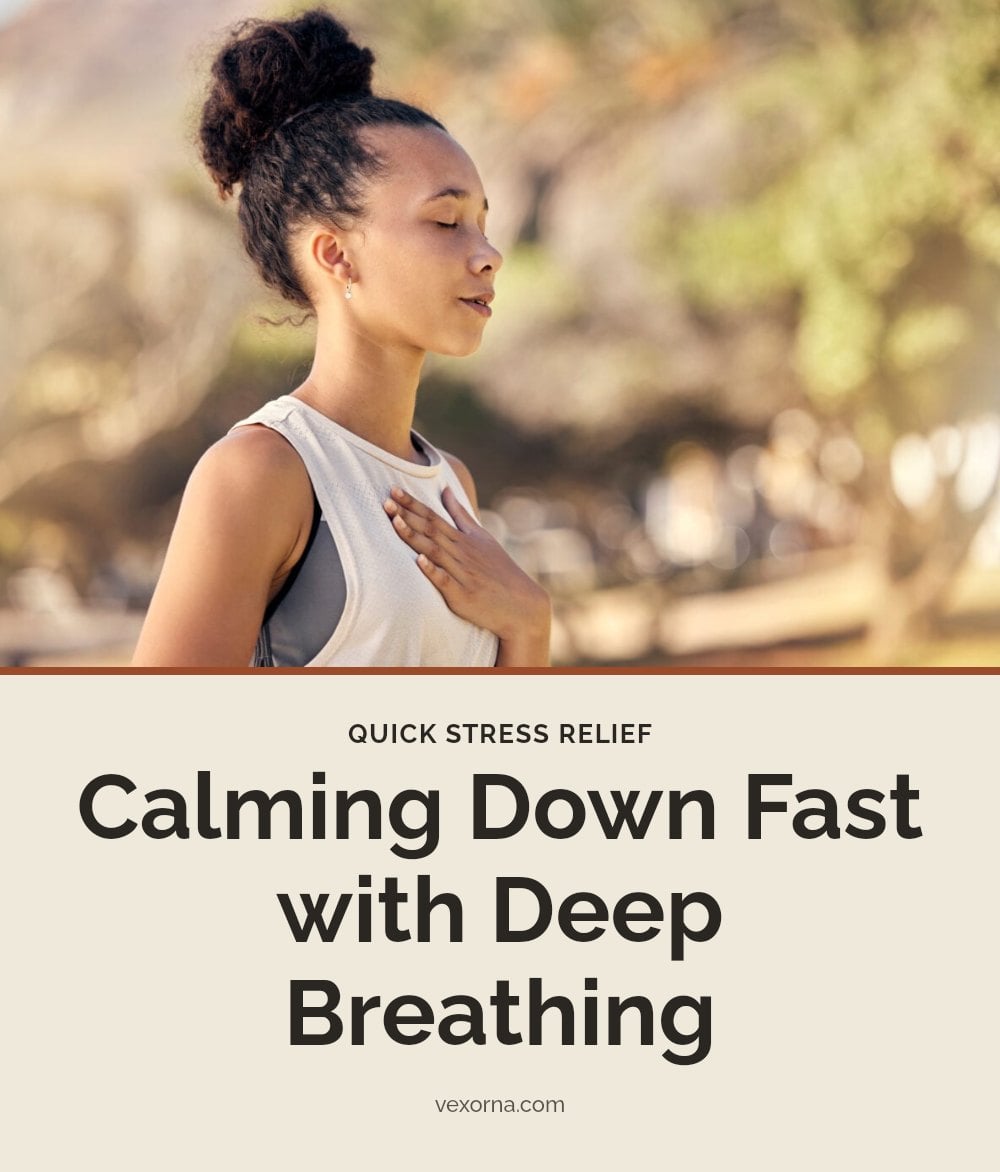
When you’re in the thick of overwhelm, you need something that works now, not just in theory. I’ve gathered the most effective, quick techniques that actually help you shift your mental state in minutes. This article covers deep breathing, sensory grounding, and gentle movement, plus smart habits to keep you calmer long-term.
Key Takeaways
- Breathe from your diaphragm. Deep, slow belly breathing activates your parasympathetic nervous system for calm.
- Engage your senses. Notice five things you see, four you touch, three you hear, two you smell, and one you taste.
- Move gently. A short walk or stretch releases endorphins and lowers stress hormones.
- Acknowledge your feelings. Notice them without judgment, then choose how to respond.
- Build daily habits. Consistent practice over weeks builds resilience, not just instant relief.
How to Quickly Calm Down When Stress Hits
When stress hits, calming down means using physical and mental techniques to regulate your nervous system and shift focus away from the stressor. Immediate relief can come from deep, slow breathing from your diaphragm, engaging your senses, or gentle movement like a short walk or stretch. These methods interrupt the stress response, helping you regain a sense of peace and control within minutes.
Essential Tools for Instant Calm
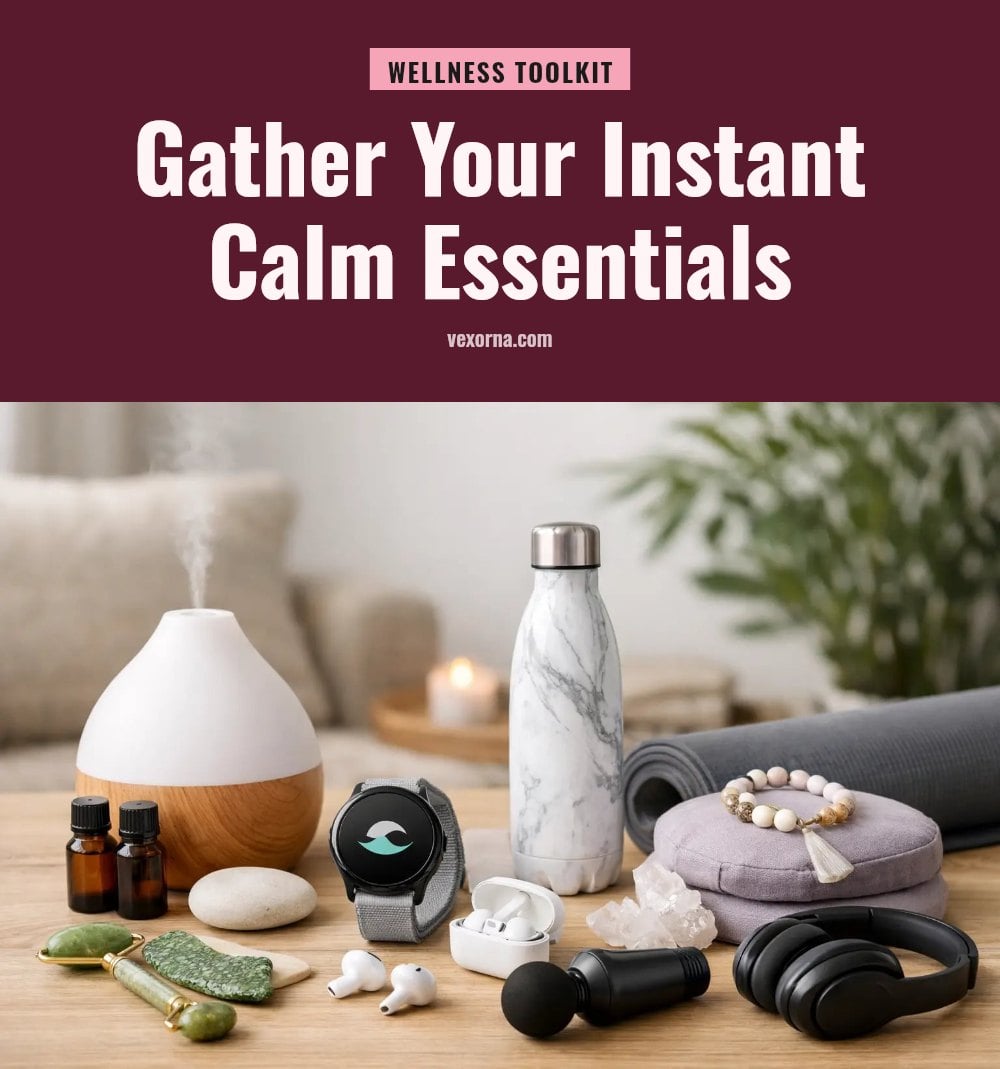
You don’t need much to calm down, but a few items can make the process easier. Most are optional or things you already have at home.
- Comfortable clothing: Allows unrestricted movement and helps you focus on relaxation without physical distractions.
- A quiet space: Minimizes distractions and helps you concentrate on calming techniques, even if it’s just a corner of a room.
- Water: Staying hydrated supports mood and energy regulation; dehydration can worsen stress.
- Headphones: Create an immersive calming environment with calming music, nature sounds, or a guided meditation.
Proven Techniques to Soothe Your Mind and Body
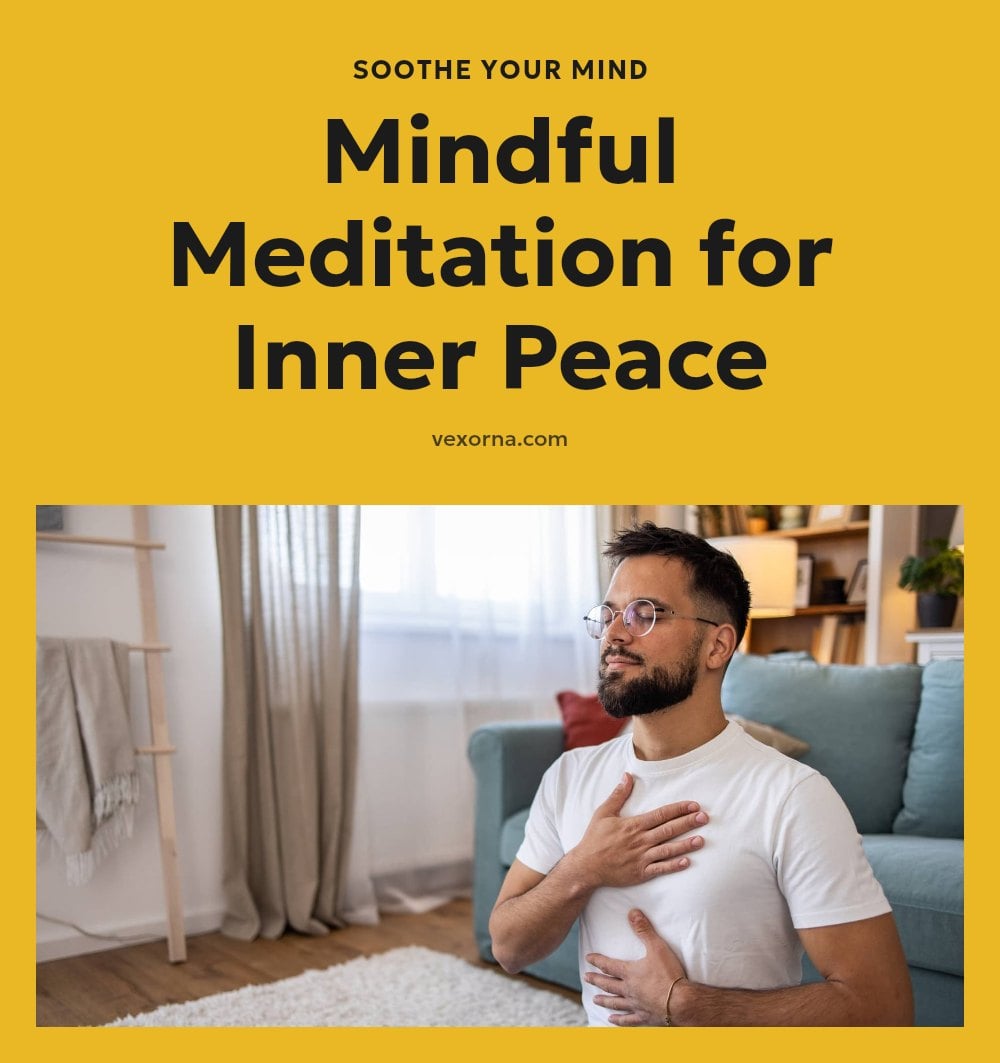
Several techniques can help you calm your mind and body quickly. Try one or combine a few for better results.
Deep Breathing
Deep, diaphragmatic breathing activates your parasympathetic nervous system, which promotes the ‘rest and digest’ response. Breathe in slowly through your nose for a count of four, hold for four, then exhale through your mouth for six. Repeat for a minute or two.
Mindfulness
Mindfulness means focusing on the present moment without judgment. This can reduce rumination and anxiety. Try a quick body scan: notice areas of tension in your body, from your head to your toes, without trying to change anything.
Sensory Engagement
Engaging your five senses grounds you in the here and now, distracting from distressing thoughts. Notice five things you can see, four you can touch, three you can hear, two you can smell, and one you can taste. Tip: If you’re in a noisy environment, focus on sounds you can control, like your own breathing.
Progressive Muscle Relaxation
This technique releases physical tension by tensing and then relaxing different muscle groups. Start with your feet: tense the muscles for five seconds, then release and notice the relaxation. Work your way up to your legs, abdomen, hands, shoulders, and face.
Short Bursts of Physical Activity
A quick walk, gentle stretch, or even a few jumping jacks can release endorphins and reduce stress hormones. You don’t need a full workout; five minutes of movement can shift your state.
Calming Music
Listening to calming music or nature sounds can lower your heart rate and blood pressure. Choose instrumental tracks or ambient sounds without lyrics to avoid mental processing.
Smart Habits for Staying Calm
Building small habits into your daily routine can help you stay calm more easily over time. These mental shifts and actions complement the techniques above.
- Acknowledge your feelings: Don’t suppress or ignore them. Notice what you’re feeling without judgment, then choose how to respond.
- Step away: If possible, leave the stressful situation for a few minutes. A change of environment, even to another room, can reset your mental state.
- Practice gratitude: Take a moment to think of one or two things you’re grateful for. This shifts focus from negative to positive aspects of life.
- Stay hydrated: Drink water slowly throughout the day. Dehydration can worsen feelings of stress and fatigue.
- Engage in creative activities: Drawing, journaling, or playing music can be a form of self-expression and stress relief without needing to be ‘good’ at it.
Common Calming Mistakes and How to Avoid Them
Believing calm means no stress: Calming down is about managing stress, not eliminating it entirely. Stress is a normal response, and the goal is to reduce its intensity, not to never feel it.
Forcing relaxation: Trying too hard to relax can create more tension. Instead of demanding calm, let it come naturally by focusing on your breath or senses without judgment.
Expecting instant, complete calm: Relief might be gradual, especially if you are new to a technique. Consistent practice over time yields better results than expecting a single session to fix everything.
Neglecting regular practice: Techniques are more effective when practiced regularly, not just in a crisis. A few minutes of deep breathing each day builds your ability to use it when stress hits.
Ignoring basic needs: Sleep, nutrition, and hydration directly affect your emotional regulation. Prioritize these foundations for overall calm.
How Long Until You Feel Calm and What It Costs
Many calming techniques can offer immediate relief within minutes. A few rounds of deep breathing or a quick body scan can shift your emotional state quickly. Consistent practice over days or weeks builds resilience, improving your long-term ability to regulate emotions.
Most effective calming methods are free. They use your own body and mind, such as breathing, mindfulness, or gentle movement. The primary investment is time and consistent effort, not financial cost.
When to Seek Professional Help for Overwhelm
If feelings of anxiety or stress are persistent, overwhelming, or interfere with daily life, consult a healthcare professional. Seek immediate medical attention if you experience physical symptoms like chest pain, dizziness, or shortness of breath.
If you have a pre-existing medical condition, consult your doctor before starting new wellness practices. A mental health professional can provide personalized strategies and support for chronic stress or anxiety.
Frequently Asked Questions
How quickly can I calm down?
Many techniques, like deep breathing or a quick body scan, can offer relief within minutes. The key is to interrupt the stress response early. With consistent practice over days or weeks, your ability to regulate emotions improves, making it easier to calm down faster over time.
What if these techniques don’t work for me?
It’s normal for some methods to work better than others. Experiment with different techniques, like progressive muscle relaxation, listening to calming music, or stepping outside for a change of environment. If overwhelm persists or interferes with daily life, consider consulting a healthcare professional for personalized guidance.
Can certain foods help me calm down?
Hydration plays a role, as dehydration can worsen stress. Some people find that avoiding excessive caffeine and sugar helps stabilize mood. A balanced diet supports overall emotional regulation, but no single food is a quick fix. Focus on basic needs like water and regular meals.
Is it normal to feel overwhelmed frequently?
Occasional overwhelm is a normal response to life’s demands. However, if it happens often or interferes with your ability to function, it may be a sign to evaluate your stressors and coping strategies. Persistent or intense overwhelm warrants a conversation with a healthcare professional.
How can I prevent feeling overwhelmed in the future?
Building daily habits like regular gentle movement, staying hydrated, and practicing gratitude can build resilience. Acknowledge your feelings early, step away from stressors when possible, and reach out to trusted friends for support. Consistent practice makes these responses more automatic over time.
Final Thoughts
My tip: Keep one technique in your back pocket, like a 5-4-3-2-1 sensory check or a few deep breaths, so you can use it anywhere. Realistic expectation? You’ll feel a shift within minutes, but lasting calm comes from practicing regularly, even when you’re not stressed. Start with one small habit today.
This article is for general informational purposes only and does not constitute medical or professional advice. If you have persistent or severe anxiety, stress, or physical symptoms, please consult a healthcare professional or mental health provider for personalized care.