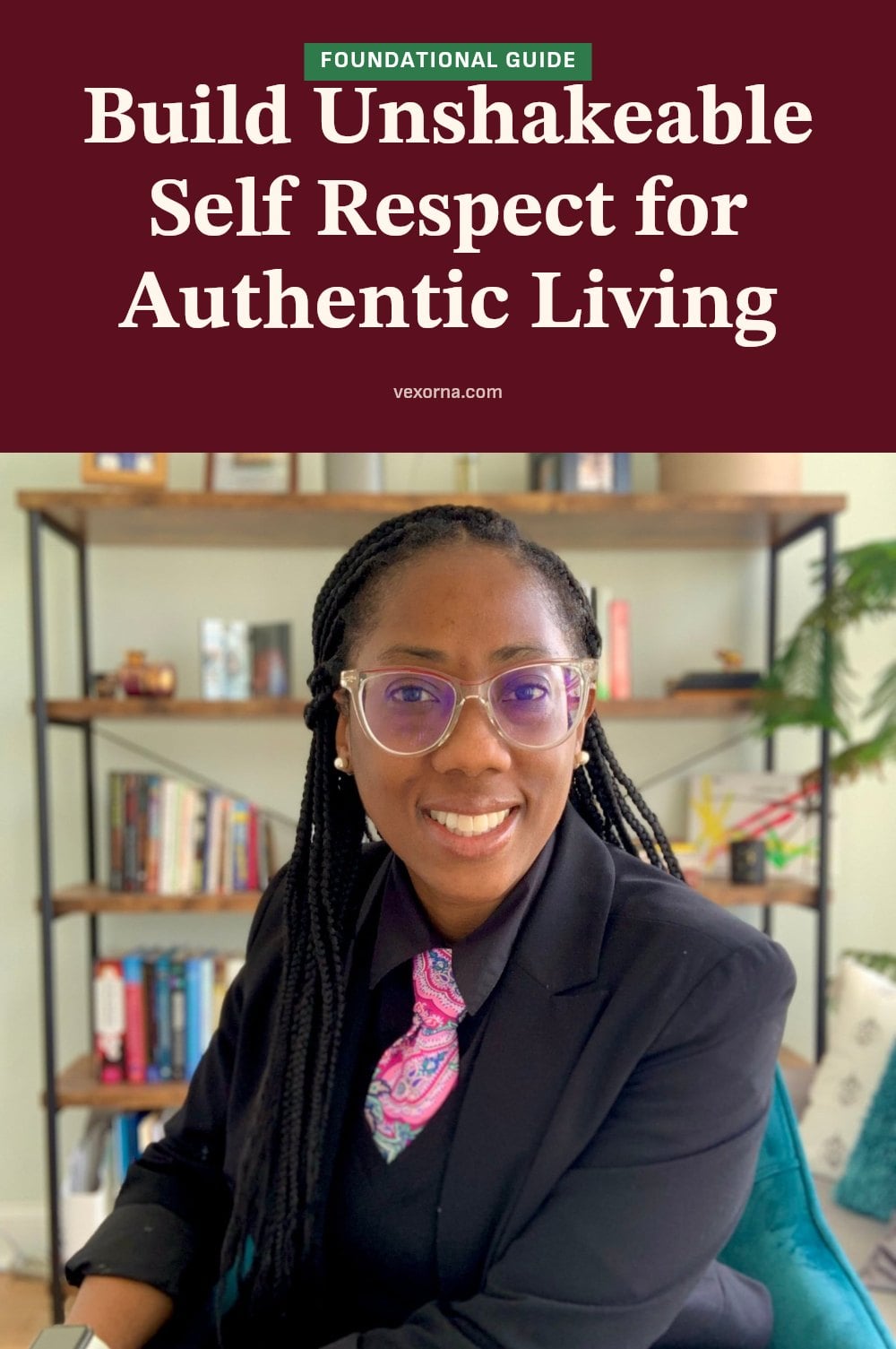
Feeling undervalued or constantly putting others first can leave you wondering where your own worth fits in. The good news is that self-respect is not something you either have or don’t have; it is a skill you can build with intention and practice. This article walks you through what self-respect really means, the tools that can support you, and a step-by-step approach to setting boundaries and living authentically, so you can feel more confident and aligned with your values.
Key Takeaways
- Self-respect means valuing your inherent worth, separate from achievements or daily feelings.
- Set clear, consistent boundaries and communicate them calmly in all relationships.
- Practice self-compassion and positive self-talk to counter chronic self-criticism.
- Say ‘no’ to requests that overextend you or conflict with your values.
- Expect noticeable improvements within weeks or months of consistent effort.
What Exactly Is Self-Respect?
Self-respect means you value your own worth and dignity as a person, independent of your achievements or how you feel on a given day. It is different from self-esteem, which is about feeling good about yourself; self-respect is about recognizing your inherent value and expecting others to honor it too. This shows up in the boundaries you set, the way you advocate for your needs, and how you align your daily actions with your core values. Building self-respect is an ongoing process, and as it grows, your relationships tend to improve and life feels more fulfilling.
Tools to Help You Cultivate Self-Respect

A few simple tools can support you as you build self-respect:
- Journal or notebook: Use it to reflect on your values, track boundary-setting wins, and notice patterns in your self-talk.
- Self-help books: Look for titles focused on self-esteem or setting boundaries. They offer structured exercises and perspective.
- Therapist or counselor: For deeper issues like past trauma or anxiety that affect self-worth, professional guidance can provide tailored strategies and support.
Step-by-Step: Building Your Self-Respect

- Identify your core values: Write down what matters most to you, honesty, kindness, independence, security. Let these values guide your decisions and how you spend your time.
- Set clear boundaries: Decide what you will and won’t accept in your relationships. Communicate these limits calmly and stick to them, even when it feels uncomfortable.
- Practice self-compassion: Treat yourself with the same kindness you would offer a close friend. When you make a mistake, acknowledge it without harsh self-criticism.
- Prioritize self-care: Schedule time for activities that nourish your physical and mental health, adequate sleep, movement, hobbies, and quiet moments to recharge.
- Take responsibility for your choices: Own your actions and their outcomes instead of blaming others. This reinforces your sense of agency and self-trust.
- Speak up for your needs: State your opinions and needs respectfully, even when they differ from others’. Your perspective matters.
- Reflect on your strengths: Regularly review what you have accomplished and the qualities you are proud of. This builds a realistic picture of your worth.
Common Pitfalls When Developing Self-Respect
As you work on self-respect, watch for these common detours:
- Confusing self-respect with arrogance: Self-respect is about valuing yourself, not believing you are better than others. The goal is dignity, not superiority.
- Believing it’s a fixed trait: Self-respect is a skill you can strengthen over time, not something you either have or don’t.
- Expecting external validation: True self-respect comes from within. Waiting for others to affirm your worth keeps you dependent on their approval.
- Failing to enforce boundaries: Setting a boundary is only half the work. You must uphold it consistently, even when it is hard.
- Ignoring your intuition: That gut feeling when something feels off often signals that your self-respect is being compromised. Listen to it.
- Staying in diminishing relationships: Relationships that consistently undermine your worth erode self-respect. It may be time to step back.
Practical Tips for Nurturing Your Self-Respect

Learn to say ‘no’: A polite but firm “no” protects your time and energy. You can say, “I can’t take that on right now” without offering a long excuse. Every time you say no to something that drains you, you say yes to yourself.
Forgive yourself: Acknowledge the mistake, extract the lesson, and then let it go. Replaying past errors keeps you stuck. Self-respect means you trust yourself to do better next time without punishing yourself now.
Curate your circle: Pay attention to how people make you feel after spending time with them. Prioritize relationships where your boundaries are respected and your values are supported. Distance yourself from those who dismiss your needs or belittle your goals.
Limit comparisons: Social media feeds a comparison trap that erodes self-worth. Unfollow accounts that trigger envy or inadequacy. Remind yourself that you see only highlights, not the full picture of anyone else’s life.
Practice positive self-talk: Catch negative thoughts and replace them with neutral or affirming statements. Instead of “I always mess up,” try “I handled that situation, and I can learn from it.” The way you speak to yourself shapes how you value yourself.
How Long Does It Take to Build Self-Respect?
Building self-respect is a lifelong journey, but you can see noticeable improvements within weeks or months of consistent practice. The key is regular effort: setting boundaries, practicing self-compassion, and aligning your actions with your values. Small daily choices add up faster than you might expect.
Consistency matters more than intensity. A five-minute journaling session each morning or one honest boundary conversation per week builds momentum. When you slip up, treat it as data, not failure, and return to your practices the next day.
Cost: Many foundational practices are free. Journaling, self-reflection, and affirmations cost nothing. Books and online resources are low-cost options. Professional therapy varies in cost depending on your insurance and provider, but many find it a worthwhile investment for deeper work.
When to Seek Professional Help for Self-Respect
If your struggles with self-respect feel tied to past trauma or a mental health condition like depression or anxiety, a therapist can help you work through the underlying causes. Persistent self-harming thoughts or self-destructive behaviors are a clear sign to seek professional support immediately.
Caution: If setting boundaries in your relationships consistently leads to hostility, manipulation, or emotional abuse, this is not a personal failure. It may indicate an unsafe dynamic that requires professional guidance to navigate or leave.
When you feel overwhelmed, stuck, or unable to make progress despite consistent effort, a counselor provides structured tools and a safe space to explore deeper patterns. You do not have to figure this out alone.
Frequently Asked Questions
Is self-respect the same as self-esteem?
No, they are related but distinct. Self-esteem is about feeling good about yourself, often tied to achievements or mood. Self-respect is about recognizing your inherent value and dignity, regardless of external circumstances. You can have low self-esteem on a rough day and still maintain self-respect by honoring your values and boundaries.
How long does it take to develop self-respect?
Building self-respect is an ongoing journey, but you can see noticeable improvements within weeks or months of consistent practice. The key is regular effort: setting boundaries, practicing self-compassion, and aligning actions with your values. Small daily choices add up faster than you might expect, so be patient with yourself.
Can self-respect be regained after it’s been lost?
Yes, self-respect can be rebuilt. It is not a fixed trait but a skill you can strengthen over time. Start by reflecting on your values and making small choices that honor them. Forgive yourself for past mistakes and focus on consistent actions, like setting boundaries and speaking up for your needs. Progress may be gradual, but it is absolutely possible.
What if others react negatively when I set boundaries?
Some people may push back when you start setting boundaries, especially if they are used to you always saying yes. Stay calm and repeat your boundary clearly without over-explaining. If someone responds with hostility or manipulation, that can be a sign the relationship is unhealthy. In such cases, it may be time to re-evaluate the relationship for your safety and well-being.
Does self-respect mean I’ll never make mistakes?
No, self-respect is not about perfection. Making mistakes is part of being human. Self-respect involves taking responsibility for your actions, forgiving yourself, and learning from what went wrong. It means treating yourself with kindness even when you fall short, rather than dwelling on failures or engaging in harsh self-criticism.
Final Thoughts
Start with one small step: identify one value that matters most to you and make a decision this week that honors it. That might mean saying no to an extra request or speaking up for a need you usually suppress. Expect this to feel awkward at first; building self-respect is a gradual process, and setbacks are part of it. Remind yourself that every boundary you hold and every kind word you offer yourself reinforces your worth. You are worth the effort.
This article is for general informational purposes only and is not a substitute for professional advice. If your struggles with self-respect are tied to trauma, a mental health condition, or self-harming thoughts, please consult a qualified therapist or counselor. They can provide personalized guidance and support for your specific situation.