You know that feeling when you wish you could just believe in yourself a little more? I’ve been there, and the good news is that confidence isn’t something you’re born with. It’s a skill you can practice and strengthen every day. This article walks you through simple, actionable steps to build self-assurance, avoid common traps, and know when to seek extra support.
Key Takeaways
- Confidence is a skill you build through consistent practice, not a fixed trait.
- Set small, achievable goals and celebrate each win to reinforce your progress.
- Practice positive self-talk and challenge negative thoughts to shift your mindset.
- Good posture, eye contact, and comfortable clothing can boost how you feel in the moment.
- If low confidence persists or feels overwhelming, talk to a mental health professional.
How to Build Your Confidence
Confidence isn’t something you’re born with. It’s a skill you build through consistent practice and positive habits. Start by reflecting on your strengths and setting small, achievable goals that push you gently past self-doubt. Acknowledge what you’ve already accomplished, and accept that imperfections are part of being human. This self-awareness reinforces a positive self-image. My tip: treat confidence like a muscle. The more you exercise it, the stronger it gets.
Tools and Resources for Your Confidence Journey
You don’t need much to start building confidence, but a few tools can make the journey smoother.
- Journal: Use it for daily self-reflection and tracking your progress.
- Self-help books: Pick titles on personal development for fresh insights and strategies.
- Comfortable, presentable clothing: Wear outfits that make you feel good about yourself.
- Exercise equipment (optional): Simple items like a yoga mat or resistance bands support physical activity.
Step-by-Step: Cultivating Self-Assurance
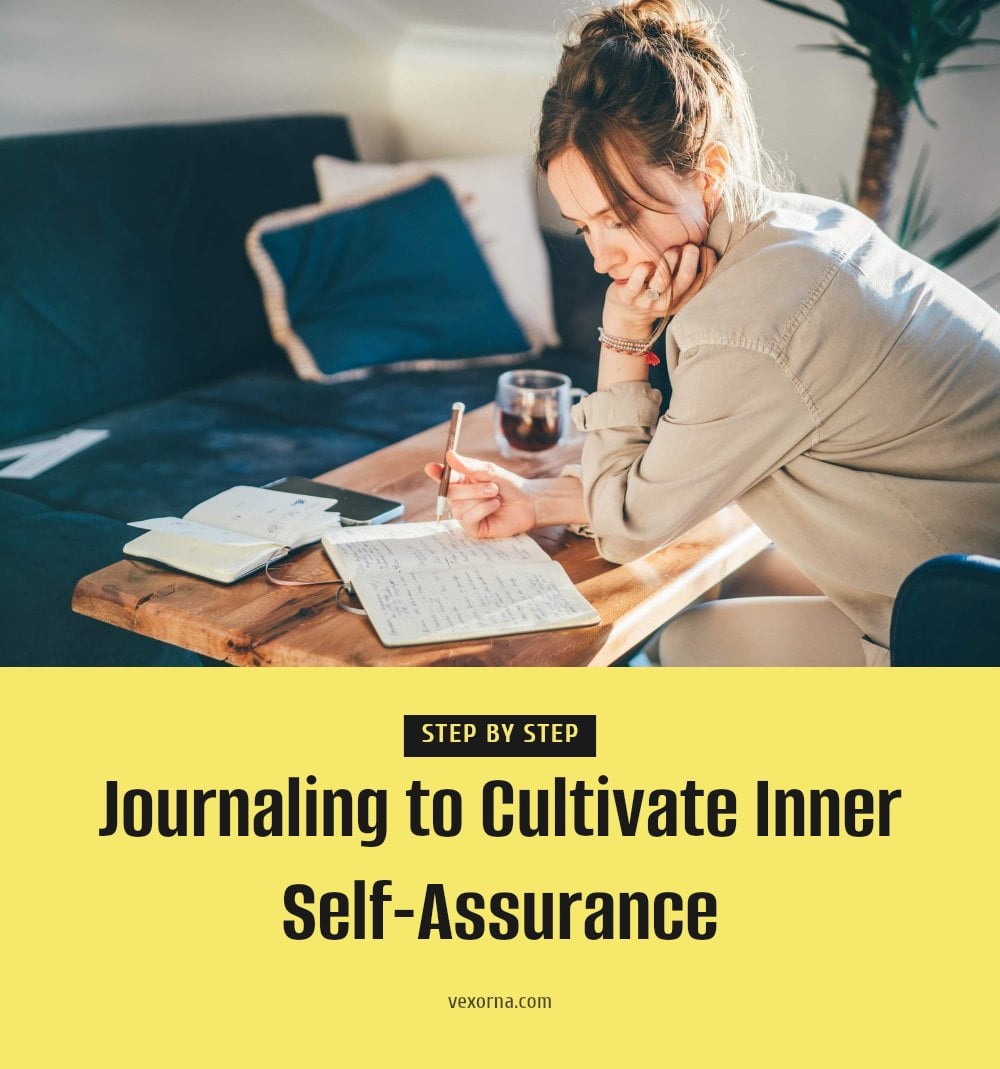
Building confidence is a step-by-step process. Here’s what works for me.
- Acknowledge your strengths: List your achievements, even small ones. This builds a foundation of self-worth that you can stand on.
- Set small goals: Choose realistic targets and celebrate each win. Each accomplishment reinforces your sense of competence.
- Practice positive self-talk: When a negative thought pops up, challenge it and reframe it. Say, “I can handle this” instead of “I’ll fail.”
- Move your body: Regular physical activity, even a 20-minute walk, improves mood and self-perception. It’s a natural confidence booster.
- Learn something new: Take a workshop, watch a tutorial, or read up on a topic you’re curious about. New skills increase your competence in specific areas.
- Dress for yourself: Maintain good hygiene and wear clothes that feel good on you. When you look presentable, you feel more confident.
Common Confidence Traps to Avoid
Watch out for these common traps that can derail your confidence journey.
- Believing confidence is fixed: It’s not. It’s a skill you can develop with practice.
- Waiting for external validation: True confidence comes from within, not from others’ approval. Stop seeking permission to feel good.
- Confusing arrogance with confidence: Arrogance is about superiority; confidence is about self-assurance. Stay humble and grounded.
- Focusing only on weaknesses: Acknowledge your strengths and build on them. Don’t ignore what you’re good at.
- Expecting no doubt or fear: Confidence means moving forward despite those feelings. You don’t have to feel fearless to act boldly.
Top Tips for Boosting Your Daily Confidence

Small daily habits can make a big difference in how you feel about yourself. My tip: start with your posture. Stand tall with your shoulders back and make eye contact when you talk to someone. These physical cues can influence your mood and how others perceive you.
Limit your exposure to negative influences. Unfollow accounts that make you compare yourself and spend more time with supportive people who lift you up. Practicing gratitude also helps. Each morning, name one thing you’re thankful for to shift your focus from what’s missing to what’s going well.
Volunteering or helping someone else can give you a real sense of purpose and capability. And make time for activities you genuinely enjoy and are good at. Those moments reinforce your competence and bring you joy.
When to Seek Professional Help for Low Confidence
If low confidence feels persistent, overwhelming, or is paired with symptoms of depression or anxiety, it’s time to talk to a mental health professional. They can help you address the root causes. Avoid trying to fix deep-seated issues with quick fixes or self-medication. Professional guidance is the safest path forward.
Confidence Building: What to Expect
Building confidence is not a quick fix. It’s an ongoing process that requires consistent practice. You may notice small improvements in a few weeks and more significant changes over several months. The cost is mostly your time and effort. Optional expenses include a journal, self-help books, or professional support if you choose to seek it. But at its core, this is a free investment in yourself.
Frequently Asked Questions
How long does it take to build confidence?
You may notice small improvements in a few weeks and more significant changes over several months. The key is consistent practice of positive habits, like setting goals and challenging negative self-talk. It’s an ongoing process, not a quick fix.
Can dressing well really make a difference?
Yes, many people find that wearing clothes they feel good in can have a positive psychological effect on confidence. It’s not about expensive outfits, just choosing comfortable, presentable clothes that help you feel ready for the day.
What is the difference between confidence and self-esteem?
Self-esteem is about your overall sense of self-worth, while confidence is about your belief in your ability to succeed at a specific task or situation. You can have healthy self-esteem but still feel unsure in a new challenge, and that’s normal.
How can I stop comparing myself to others?
Limiting social media time and reminding yourself that you’re seeing curated highlights, not the full picture, can help. Focus on your own progress and strengths instead of measuring yourself against others. It takes practice, but it gets easier.
Is it normal to still feel doubt even when confident?
Absolutely. True confidence doesn’t mean you never feel doubt or fear. It means you take action despite those feelings. Accepting that doubt is a normal part of growth can actually make you more resilient.
Final Thoughts
Building confidence starts with one small step today. Pick one habit, like listing your strengths or standing a little taller, and practice it for a week. You may notice small shifts in a few weeks and more lasting changes over several months. Remember, it’s a gradual process, and every effort counts. Keep going.
This article provides general information for educational purposes and is not a substitute for professional medical or mental health advice. If you are experiencing persistent low confidence, anxiety, or depression, please consult a qualified healthcare provider or therapist.