You are probably here because you want cleaner pores and less shine without harsh chemicals. A clay mask is one of the most effective at-home treatments for drawing out excess oil and impurities, and it can make a real difference when you use it correctly. This article walks you through choosing the right clay for your skin type, applying it step by step, and avoiding the common mistakes that can leave your skin irritated instead of refreshed.
Key Takeaways
- Choose kaolin clay for dry or sensitive skin; bentonite clay for oily or acne-prone skin.
- Always apply a clay mask to clean, dry skin in a thin, even layer.
- Leave the mask on for 10-15 minutes only; never let it crack or dry completely.
- Rinse with lukewarm water and a soft cloth, then follow up with moisturizer immediately.
- Use a clay mask no more than once or twice a week to avoid over-drying.
Get Clearer Skin: How Clay Masks Work Their Magic
Clay masks work by absorbing excess oil and impurities from your skin’s surface, effectively detoxifying your pores. As the mask dries, it creates a gentle pulling sensation that helps clear out blockages, leaving skin feeling refreshed and less oily. The key is choosing the right clay type for your skin, because not all clays treat every complexion the same way.
Choosing Your Clay: Find the Best Mask for Your Skin Type
Not all clay is created equal. Matching the clay to your skin type makes the difference between a glowing result and irritation. Here is a quick breakdown of the most common types and who they work best for.
| Clay Type | Best For | Why It Works |
|---|---|---|
| Bentonite | Very oily or acne-prone skin | Highly absorbent, draws out deep impurities |
| Kaolin | Sensitive or dry skin | Gentlest option, won’t strip moisture |
| Green (Illite) | Oily or combination skin | Strong oil absorption plus mineral richness |
| Rhassoul | Normal to dry or aging skin | Improves texture and elasticity |
Gather Your Essentials: What You Need for a Clay Mask Session
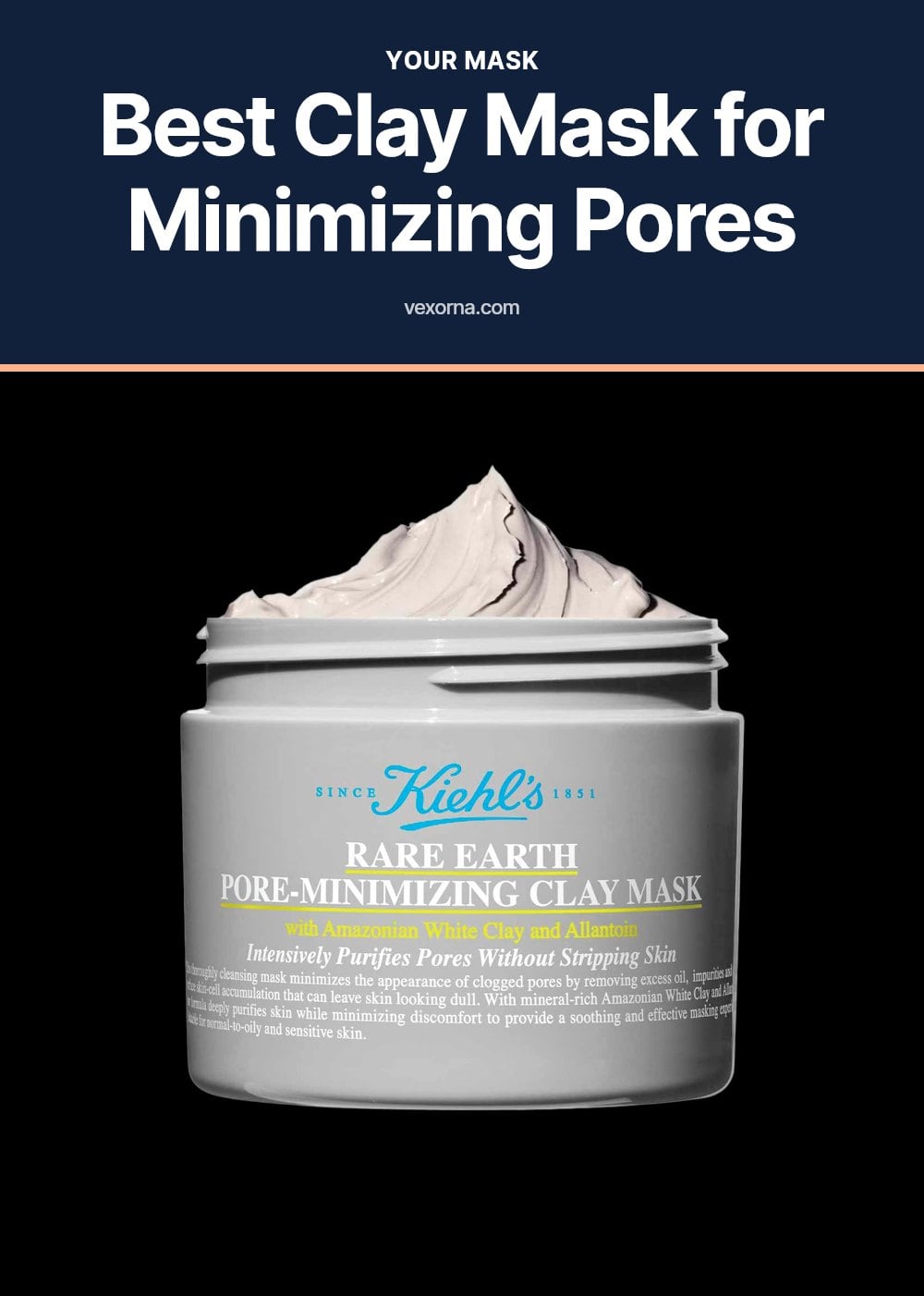
Before you start, gather everything you need so the mask doesn’t dry out while you search for a towel. You will need your clay mask (pre-made or powdered), a small non-metal bowl and non-metal spoon or spatula if you are mixing powder, a clean facial cleanser, a soft brush or clean fingers for application, lukewarm water, and a soft washcloth or sponge. Tip: Never use metal tools with powdered clay, especially bentonite, because metal can reduce its effectiveness.
Step-by-Step: How to Apply Your Clay Mask for Best Results

- Cleanse your face: Wash your face thoroughly with a gentle cleanser to remove makeup, sunscreen, and dirt. The mask works best on clean, dry skin.
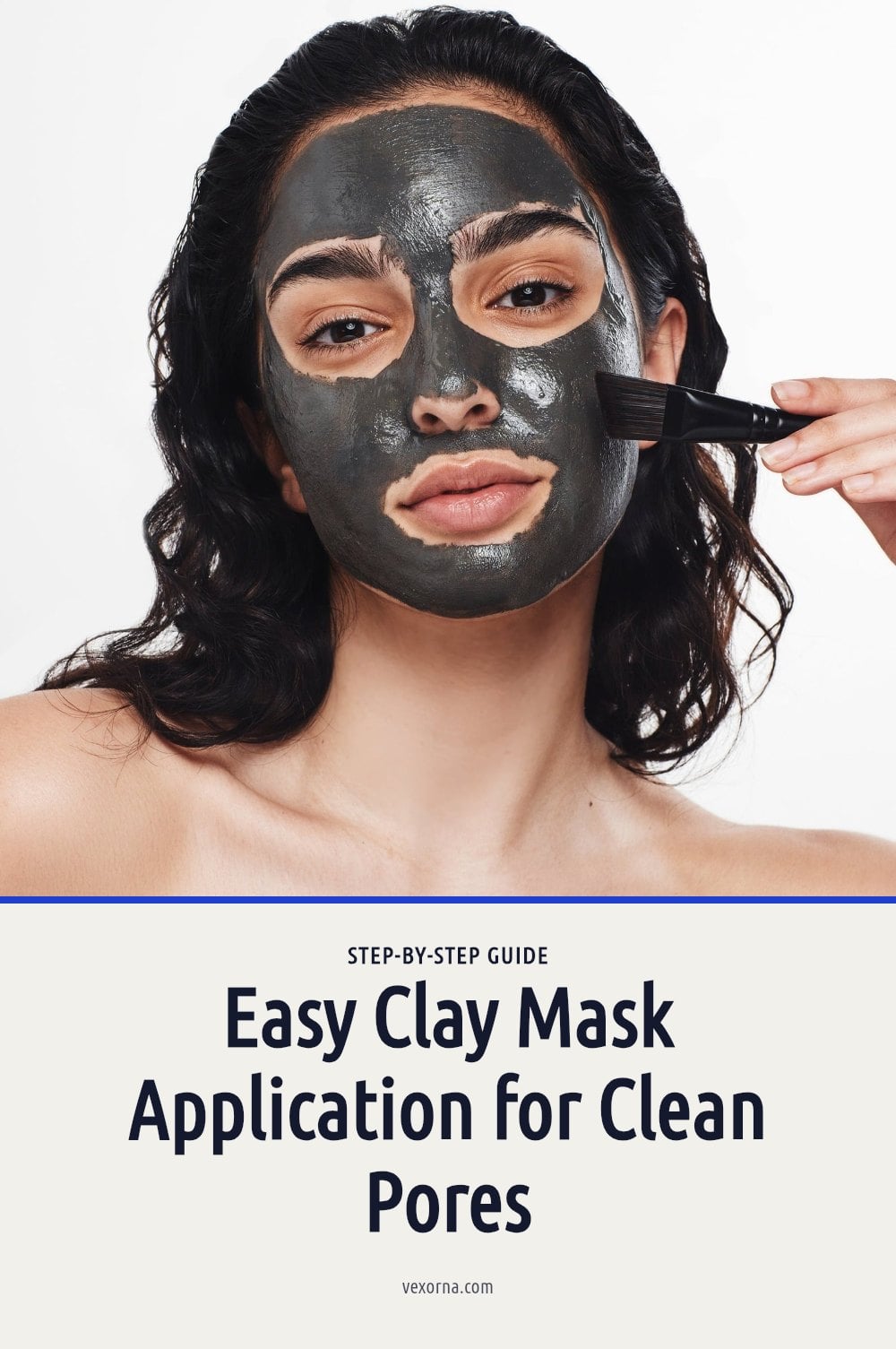
- Apply a thin, even layer: Use a soft brush or clean fingers to spread the mask over your face, avoiding the eye and lip areas. A layer about the thickness of a nickel is enough. Too thick a layer won’t dry properly and is harder to rinse off.
- Wait 10-15 minutes: Leave the mask on until it is mostly dry but not cracking. If you see cracks forming, it is time to rinse. Leaving it on longer can over-dry your skin and cause irritation.
- Rinse gently with lukewarm water: Wet a soft washcloth or sponge and gently wipe the mask away in circular motions. Do not scrub hard, that can cause micro-tears in your skin.
- Hydrate immediately: Pat your face dry and follow with a hydrating toner, serum, and moisturizer. Your skin has just been detoxified and needs moisture to stay balanced.
Common Clay Mask Mistakes and How to Avoid Them
Leaving the mask on too long: The biggest mistake is waiting until the mask cracks. Once it is mostly dry, about 10-15 minutes in, rinse it off. Over-drying pulls moisture out and can trigger more oil production later.
Applying too thick a layer: A thick layer dries unevenly and is harder to rinse off. Spread a thin, even coat so the clay can dry uniformly and you can remove it gently.
Skipping the cleanse: The mask cannot absorb oil through makeup or sunscreen. Always wash your face first with a gentle cleanser.
Forgetting moisturizer: A clay mask strips oil, so your skin needs hydration right after. Skip the moisturizer and your skin will feel tight and may overcompensate with more oil.
Using the wrong clay type: Bentonite on dry skin causes irritation. Match the clay to your skin type, kaolin for dry or sensitive, bentonite for oily or acne-prone.
Post-Mask Routine: Hydrate and Protect Your Fresh Skin
Once you rinse off the mask, your pores are clean but your skin barrier is temporarily vulnerable. Replenish moisture immediately to prevent tightness and dehydration.
Start with a hydrating toner to restore pH and add a first layer of moisture. Follow with a lightweight serum, like one with hyaluronic acid or glycerin. Seal everything with a moisturizer suited to your skin type. My tip: keep a spray toner handy and mist your face between steps for an extra hydration boost.
How Often to Use a Clay Mask and What to Expect
Use a clay mask once or twice a week for best results. Leave it on for 10-15 minutes per session, never longer.
After the first use, you will likely see clearer pores and less surface oil. With consistent weekly use over several weeks, the benefits build: fewer clogged pores, a more even texture, and less visible pore size temporarily. Do not increase frequency, as that leads to over-drying and irritation.
When to Consult a Dermatologist About Your Skin Concerns
Mild tingling or slight redness is normal during a clay mask. But if you experience severe burning, itching, or excessive redness that does not fade after rinsing, stop using the mask immediately.
If the irritation persists for more than a day or you develop a rash, consult a dermatologist. Also seek professional advice if an allergic reaction, like hives or swelling, appears. Discontinue use of any product that causes prolonged or severe adverse reactions.
Frequently Asked Questions
Can I use a clay mask if I have dry skin?
Yes, but choose a gentle clay like kaolin (white, pink, or red) or rhassoul clay, which are less absorbent than bentonite. Apply it only once a week for 10 minutes, and always follow with a rich moisturizer to prevent tightness.
What should I do if my skin feels tight after a clay mask?
That usually means the mask was left on too long or the clay was too strong for your skin. Rinse with cool water, then apply a hydrating toner and a generous layer of moisturizer. Next time, reduce the mask time to 8-10 minutes or switch to a gentler clay type.
Does a clay mask shrink pores permanently?
No, clay masks do not permanently shrink pore size. They clear out blockages and reduce the appearance of pores temporarily by making them less visible. Consistent use can keep pores looking smaller, but genetics determine your pore size.
Which clay mask is best for oily skin?
Bentonite clay is the most absorbent and works well for very oily or acne-prone skin. Green clay (illite) is also a strong option with added minerals. Use it once or twice a week, but watch for over-drying and always moisturize afterward.
Final Thoughts
For most people, a good rule is to start with a gentle kaolin clay mask once a week and see how your skin responds. You will likely notice clearer pores and less surface oil after the first use, but consistent weekly sessions over several weeks bring the best results. Keep your post-mask hydration routine simple with a toner and moisturizer, and you will keep your skin balanced without the tightness.
This article is for general informational purposes only and does not constitute medical or professional skincare advice. Individual skin reactions vary, so always perform a patch test before using a new product. If you experience persistent irritation, redness, or other skin concerns, consult a dermatologist or licensed skincare professional.