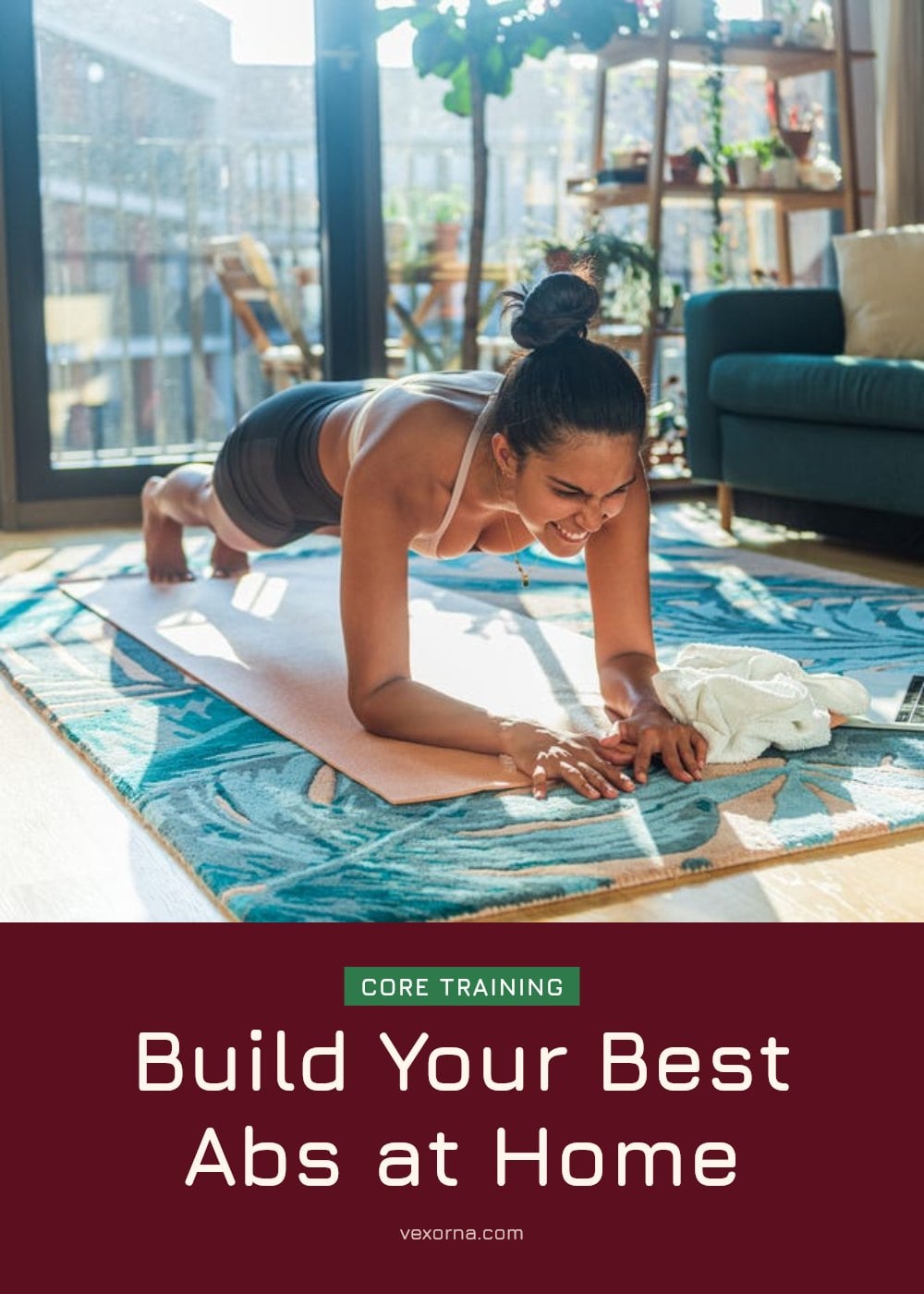
Getting defined abs at home is absolutely possible, but it takes more than just crunches. You already know you need to work your core, but the real secret is pairing those moves with a smart diet and overall fat loss plan. In this article, I’ll cover eight effective exercises you can do in your living room, plus the lifestyle habits that actually make your muscles visible.
Key Takeaways
- Combine core exercises with a balanced diet to reduce overall body fat and reveal your abs.
- Include a variety of moves like planks, bicycle crunches, and bird-dog to target all core muscles.
- Consistency matters more than intensity: aim for several workouts per week, not every day.
- Proper form prevents injury and ensures you’re working the right muscles every time.
- Visible results take weeks to months depending on your starting point and effort.
Can You Really Get Abs at Home?
Yes, you can absolutely work toward visible abs at home. It takes consistent core exercises that engage all your abdominal muscles, plus a holistic approach to diet and lifestyle. The key is pairing targeted workouts with balanced nutrition to reduce overall body fat. Strengthening the muscles is only half the battle; revealing them means shedding the layer of fat that often covers them. With regular effort and smart eating, you can make progress without a gym.
Understanding Your Core Muscles
Understanding Your Core Muscles
When people say “abs,” they usually mean the rectus abdominis, that vertical sheet of muscle running down the front of your stomach. But a truly strong core involves more than that. Your obliques on the sides and the transverse abdominis deep underneath play a huge role in stability and a toned look.
Targeting all these muscles with a variety of exercises is key. Crunches alone won’t build the whole core. You need moves that twist, stabilize, and extend.
Here’s the part most people miss: overall fat loss is essential to make any of these muscles visible. Spot reduction, the idea that you can melt fat from your belly by doing endless crunches, is a myth. Your body loses fat from everywhere at once, so a balanced diet and full-body movement matter just as much as core work.
Essential Gear for Your At-Home Abs Workout
You don’t need a home gym to work your abs, but a few basics make a big difference.
- Exercise mat: Cushions your spine and provides stability on hard floors.
- Comfortable athletic clothing: Allows full range of motion without restriction.
- Water bottle: Staying hydrated supports your metabolism and performance.
That’s it. No fancy equipment required.
1. Plank
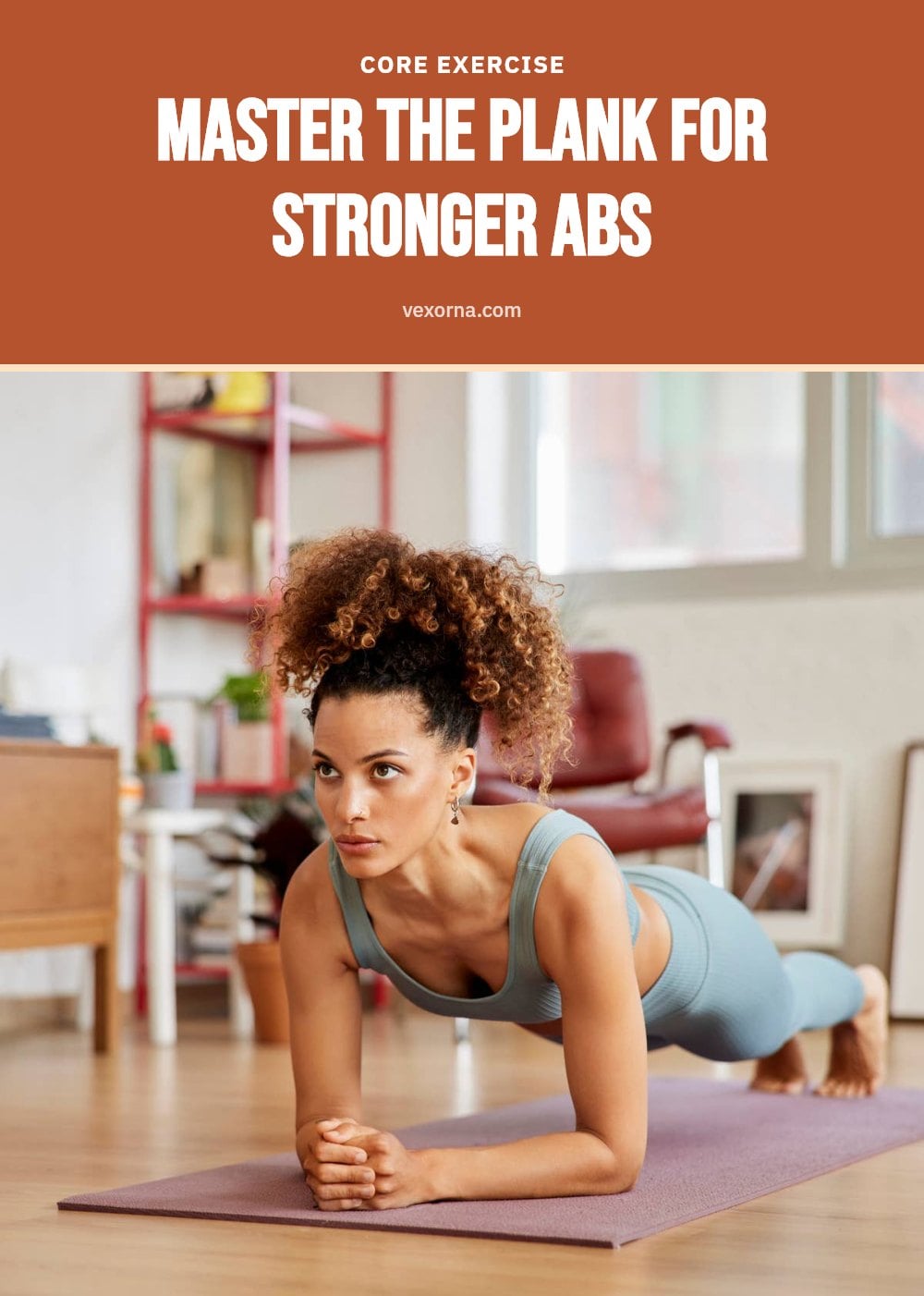
Plank: This is a full-core powerhouse. It engages your transverse abdominis, rectus abdominis, and obliques all at once. Start in a forearm or straight-arm position and hold a straight line from head to heels. Keep your hips from sagging or rising too high.
My tip: Squeeze your glutes and brace your core like you’re about to get punched in the stomach. That cue instantly tightens the whole midsection and protects your lower back.
2. Bicycle Crunches
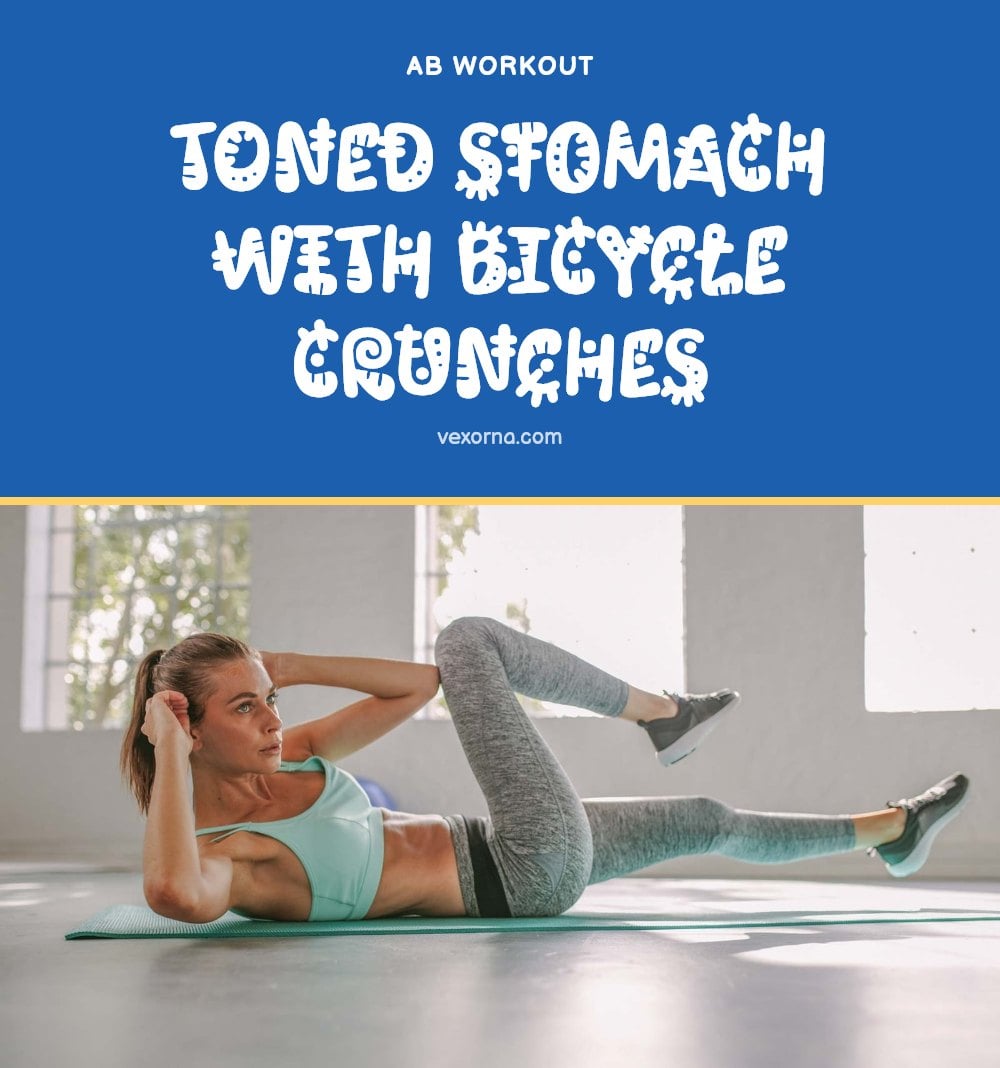
Bicycle crunches target your obliques and rectus abdominis at the same time. Lie on your back, lift your legs, and bring your opposite elbow to your opposite knee while extending the other leg straight. My tip: Slow way down and focus on the twist and full extension. Don’t just “bike” through it, controlled movement makes every rep count.
3. Leg Raises
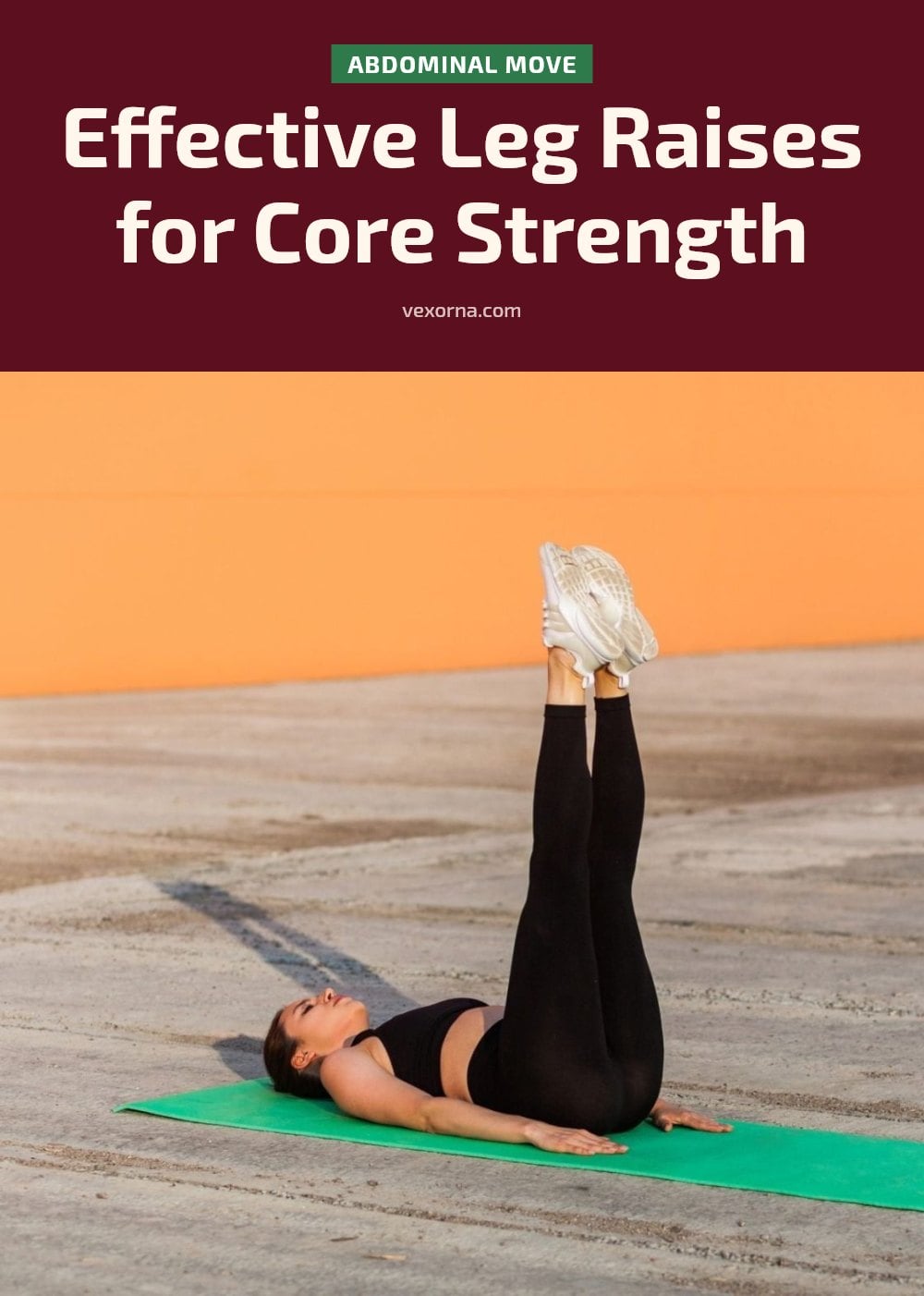
Leg raises are excellent for hitting the lower part of your rectus abdominis. Lie on your back with legs straight, then lift them toward the ceiling and lower them slowly without letting your feet touch the floor. Tip: Keep your lower back pressed into the mat the entire time. That contact is your cue that you’re engaging your core and protecting your spine from strain.
4. Russian Twists

Russian twists work your obliques and build rotational core strength. Sit with your knees bent and feet lifted off the floor, then twist your torso from side to side. Good to know: Keep your back straight and lean back slightly to really engage your core. Don’t just swing your arms. The twist should come from your midsection.
5. Mountain Climbers
Mountain climbers are a dynamic move that works your entire core while adding a cardio boost. Start in a plank position and drive one knee toward your chest, then quickly switch legs. Pro move: Keep your upper body stable and your hips down. Speed is tempting, but maintaining that plank position is what maximizes core engagement.
6. Bird-Dog
Bird-Dog: This move is excellent for core stability and strengthening your transverse abdominis, while protecting your lower back. Start on your hands and knees, then extend one arm forward and the opposite leg back, keeping your core stable throughout. Quick tip: Move slowly and deliberately. Focus on keeping your hips level and avoiding any arch in your back for maximum benefit.
7. Dead Bugs
Dead Bugs: Fantastic for deep core stability and protecting your lower back. Lie on your back with your arms and legs up, then slowly lower your opposite arm and leg toward the floor, keeping your lower back pressed into the mat. Tip: This isn’t about how far you can extend, but how well you can keep your core engaged and back flat. Quality over range of motion matters here.
8. Crunches
Crunches: A classic move that targets your rectus abdominis. Lie on your back with knees bent and feet flat, then lift your head and shoulders off the floor using your abs. Good to know: Don’t pull on your neck. Keep your gaze toward the ceiling and lead with your chest, not your head, to avoid strain.
Common Mistakes When Working Towards Abs
Only doing crunches: Your core is more than just your rectus abdominis. Incorporate a variety of exercises to hit all the muscles.
Ignoring your diet: Abs are made in the kitchen. You can work your core all you want, but if it’s covered by a layer of fat, you won’t see them. Focus on whole foods and a slight caloric deficit.
Sacrificing form for reps: Poor form can lead to injury and ineffective workouts. Always prioritize proper technique over doing more repetitions.
Expecting instant results: Building visible abs takes time, consistency, and patience. Don’t get discouraged if you don’t see changes overnight.
Overtraining your abs: Your muscles need time to recover and grow. Avoid working your abs intensely every day without rest.
Frequently Asked Questions
How long does it take to see abs?
The timeline varies by individual, but many people start noticing changes in definition after several weeks to a few months of consistent exercise and a healthy diet. Your starting body fat percentage, genetics, and how strictly you follow your plan all affect how quickly results show up.
Can I get abs without changing my diet?
It’s very unlikely. No matter how strong your core gets, a layer of body fat can hide your abdominal muscles. Reducing overall body fat through a balanced diet with whole foods, lean protein, and fewer processed sugars is essential for making your abs visible.
Do I need a gym to get abs?
No, you can get great results at home with just an exercise mat and your own body weight. Moves like planks, leg raises, and mountain climbers effectively target your core without any equipment. The key is consistency and proper form, not fancy machines.
What are the best exercises for lower abs?
Leg raises and dead bugs are excellent for targeting the lower part of your rectus abdominis. Both moves require you to keep your lower back pressed into the mat, which helps isolate that area. Combine them with full-core moves like planks for balanced strength.
How often should I work out my abs?
Aim for 3 to 4 times per week, allowing at least one rest day between sessions. Your abdominal muscles need time to recover and grow, just like any other muscle group. Overtraining them every day can actually slow your progress and increase your risk of injury.
Can stress affect my ability to get abs?
Yes, chronic stress can raise cortisol levels, which may encourage fat storage around your midsection. While exercise helps manage stress, it’s also important to get enough sleep and find relaxation techniques that work for you. Managing stress supports your overall body composition goals.
Final Thoughts
If you want to see real progress, focus on a mix of static and dynamic exercises that hit your entire core, and don’t forget that your diet plays a huge role in making those muscles visible. Be patient: it can take weeks to months of consistent effort before you notice a difference. Stick with it, listen to your body, and let your workouts become a regular part of your routine.
This article provides general fitness and lifestyle information and is not a substitute for professional medical advice. Always consult a doctor or physical therapist before starting a new exercise program, especially if you have pre-existing health conditions or injuries. Results vary, and individual needs may differ.